

Free Pshavi Travel Guide & Mobile App
Explore Pshavi with free travel guides. Discover regional history, expert tips, proposed trips, and audio guides on web or mobile app.


Pshavi, Georgia, offers forested Caucasus valleys, traditional villages, sacred highland culture, hiking and the literary heritage of Vazha-Pshavela.
Read more about Pshavi
When is the best time to visit Pshavi?
Best: May, September–October · 22–28°C| Month | High (°C) | Rainfall (mm) |
|---|---|---|
| January | 8 | 50 |
| February | 10 | 45 |
| March | 14 | 55 |
| April | 19 | 60 |
| May (best) | 24 | 65 |
| June | 30 | 70 |
| July | 33 | 65 |
| August | 33 | 60 |
| September (best) | 28 | 55 |
| October (best) | 22 | 50 |
| November | 14 | 45 |
| December | 9 | 50 |
Getting to and around Pshavi
How to get there
Transportation
Best attractions in Pshavi
Pshavi's attractions are primarily landscape-based and cultural rather than urban. The Pshavi Aragvi valley provides the setting for drives, village walks and hikes through forest, pasture and steep mountain scenery, with changing views as the road climbs away from the lower Aragvi corridor. Chargali is the principal organised cultural stop, centred on the house museum of Vazha-Pshavela and the literary heritage of the region. Small churches, traditional houses, village cemeteries and local sanctuaries offer insight into Pshavi's layered religious and social history, although some sites are active places of worship rather than formal visitor attractions. Longer excursions can follow rural paths between settlements or towards high summer pastures, but route conditions and marking vary. The most rewarding experiences are often arranged locally: a home-cooked meal, a conversation with a host, an explanation of a mountain custom or a walk accompanied by someone familiar with the terrain. Pshavi is not a destination for a dense programme of ticketed sights; its appeal lies in combining modest heritage sites with quiet valleys, open slopes and the rhythms of a small mountain population.
-
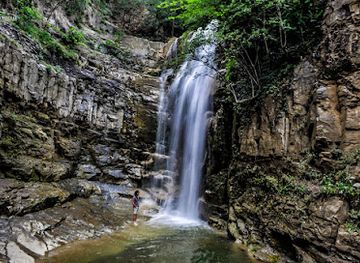
Leghvtakhevi Waterfall
Discover Tbilisi's hidden gem: Leghvtakhevi Waterfall, a stunning natural oasis in the heart of the historic Old Town.
-
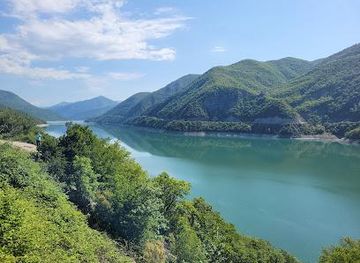
Zhinvali Water Reservoir
Discover the beauty and history of Zhinvali Reservoir: a stunning Georgian landscape with a submerged medieval secret.
-
Mate's Wine Cellar
Discover the heart of Georgian winemaking at Mate's Wine Cellar, offering authentic wines and a taste of local tradition in Banoja.
-
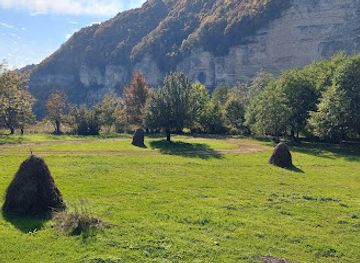
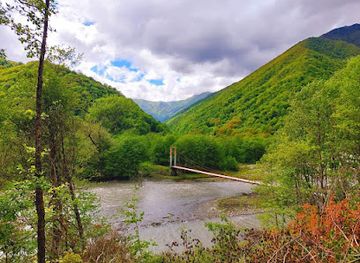
Pshavi's Aragvi
Discover Pshavi's Aragvi: A Georgian paradise of pristine rivers, lush landscapes, and tranquil escapes in the heart of the Caucasus Mountains.
Best landmarks in Pshavi
Pshavi's most important landmarks are closely tied to its mountain identity. Chargali is the region's principal literary landmark, associated with Vazha-Pshavela and commemorated by his house museum; it provides a tangible link between the writer's work and the valleys that shaped it. The Pshavi Aragvi and its steep wooded slopes form the region's defining geographical landmark, with the river corridor organising settlement, travel and seasonal movement. Traditional village churches and highland sanctuaries, including the culturally important Lashari shrine, express the distinctive relationship between Georgian Christianity and older Pshavi religious traditions. Their significance is cultural and communal as well as architectural, so some should be approached as living sacred places rather than sightseeing monuments. Stone houses, pasture routes and ridgelines complete the region's landmark landscape, revealing how settlement adapted to narrow valleys and severe mountain conditions. Unlike Georgia's major cities, Pshavi has few monumental buildings; its recognisable places are dispersed through the terrain and understood best in their local setting.
-
Tourist attraction
Ali & Nino Statue
Discover the captivating Ali & Nino Statue in Batumi, a symbol of love and unity that enchants visitors with its moving narrative and stunning coastal views.
-
Bridge
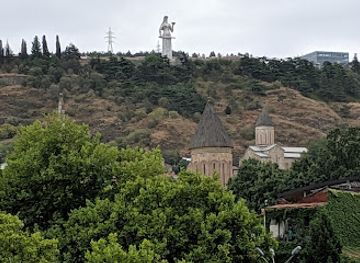
Bridge of Peace
Explore the Bridge of Peace in Tbilisi: A stunning architectural wonder that unites the past and present of Georgia's vibrant capital.
-
Tourist attraction
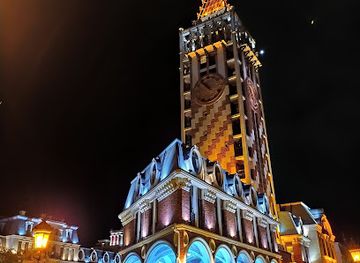
Batumi Piazza Square
Discover Batumi Piazza Square: A Cultural Hub of Georgian Life with Lively Cafes, Art Installations, and Stunning Architecture.
-
Historical landmark
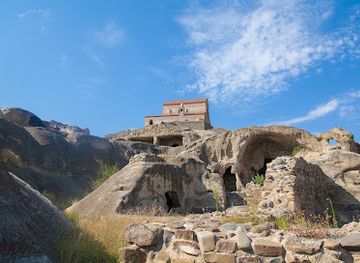
Uplistsikhe
Explore Uplistsikhe: An Ancient Rock-Hewn Town in Georgia, A Journey Through Time Awaits!

Explore Pshavi on the map
Plan your trip on one map. See where the top cities, national parks and sights are, and book hotels and experiences in a few clicks.
Best hotels in Pshavi
Best restaurants in Pshavi
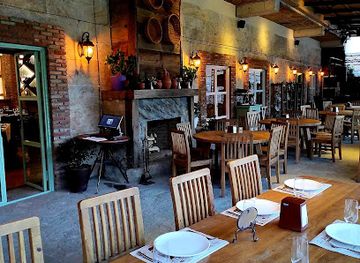
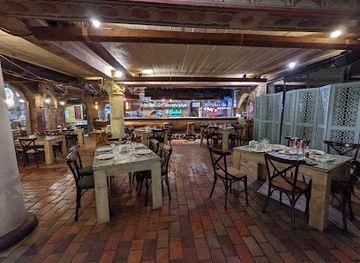
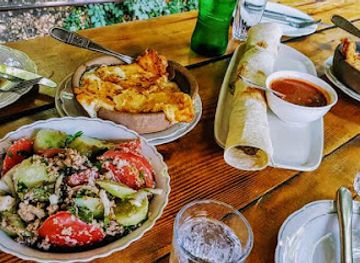
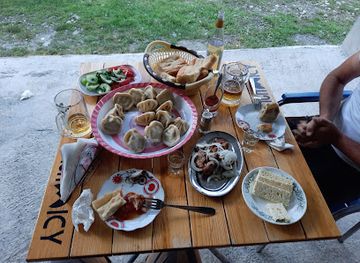
Pshavi has no substantial restaurant scene, and dining is usually provided by guesthouses, family homes or small roadside establishments rather than by a choice of formal venues. Meals reflect wider eastern Georgian cooking while making use of mountain household produce: khinkali, khachapuri, beans, soups, fresh herbs, preserves, potatoes, dairy products, meat and locally produced honey may appear according to the season and the host's traditions. Home cooking is often the most dependable way to eat in the region, but it should be arranged when booking accommodation rather than assumed on arrival. Visitors may also encounter homemade cheese, bread, jams and fruit spirits, though recipes and availability vary between households. Larger supplies and a wider range of cafés can be found outside Pshavi in towns such as Dusheti, so travellers should carry snacks and water for long drives or walks. Vegetarian food is often possible, but guests should explain dietary requirements clearly in advance.
-
Georgian
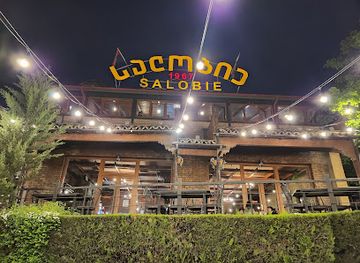
Salobie
Experience authentic Georgian flavors at Salobie, where tradition meets culinary excellence in the heart of Gori.
-
Restaurant
Tsiskvili in Mtskheta
Discover Tsiskvili in Mtskheta: A culinary gem blending traditional Georgian flavors with breathtaking views.
-
Restaurant
Armazis Kheoba
Experience authentic Georgian cuisine at Armazis Kheoba in Mtskheta – where tradition meets modern flavors amidst stunning historical scenery.
-
Restaurant
Armazis Tskaro
Discover authentic Georgian cuisine at Armazis Tskaro in Dzegvi – a culinary delight blending tradition and flavor in every dish.
Best bars in Pshavi
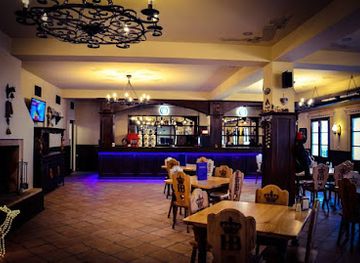
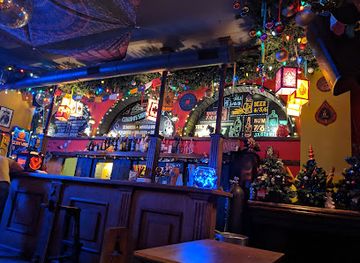
Pshavi does not have a nightclub district or a developed late-night entertainment scene. Evenings generally centre on guesthouses, family meals, conversation and the quiet atmosphere of mountain villages, with occasional opportunities to share locally made wine or spirits as part of Georgian hospitality. There may be small shops or informal drinking places in larger settlements outside the highland valleys, but opening arrangements are not dependable and should not be treated as a planned nightlife itinerary. Visitors seeking bars, live music or a broader choice of restaurants will find more options in Tbilisi and, on a smaller scale, in larger towns on the approach to the region. In Pshavi, the evening experience is better understood as social and domestic than venue-based, and guests should follow their hosts' lead regarding food, toasts and alcohol.
-
Brewpub
HB Gudauri
Discover the best of Georgian cuisine and craft beer at HB Gudauri, a scenic brewpub in the stunning landscapes of the Caucasus Mountains.
-
Bar
Canudos Ethnic Bar
Discover the lively spirit of Tbilisi at Canudos Ethnic Bar, where local culture meets an eclectic drink selection in a vibrant atmosphere.
-
Bar
Bunker Bar
Discover the lively Bunker Bar in Old Tbilisi, where exceptional drinks meet vibrant live music for an unforgettable nightlife experience.
-
Bar
ცოლის ცრემლები
Savor the Authentic Flavors of Georgia at ცოლის ცრემლები, Where Tradition Meets Culinary Excellence in a Stunning Setting.

Best nightclubs in Pshavi
Pshavi does not have a nightclub district or a developed late-night entertainment scene. Evenings generally centre on guesthouses, family meals, conversation and the quiet atmosphere of mountain villages, with occasional opportunities to share locally made wine or spirits as part of Georgian hospitality. There may be small shops or informal drinking places in larger settlements outside the highland valleys, but opening arrangements are not dependable and should not be treated as a planned nightlife itinerary. Visitors seeking bars, live music or a broader choice of restaurants will find more options in Tbilisi and, on a smaller scale, in larger towns on the approach to the region. In Pshavi, the evening experience is better understood as social and domestic than venue-based, and guests should follow their hosts' lead regarding food, toasts and alcohol.
-
Adult entertainment club
Night Life
Uncover the heartbeat of Tbilisi with its vibrant nightlife - dance, enjoy performances, and create unforgettable memories at this adult entertainment hub.
-
Night club
Night Office
Immerse yourself in Tbilisi's vibrant nightlife at Night Office, the ultimate night club for dance, drinks, and unforgettable memories.
-
Night club
Safe Night Club
Discover Tbilisi's nightlife at Safe Night Club, where music, dance, and vibrant energy come together for an unforgettable evening.
-
Night club
LAYALI ASHBILIA CLUB
Discover the electrifying nightlife at Layali Ashbilia Club in Tbilisi, where vibrant music and a lively atmosphere create unforgettable memories.




Best shops in Pshavi
Shopping in Pshavi is limited and practical rather than centred on retail streets or commercial markets. Guesthouses and local households may sell or offer honey, cheese, preserves, dried herbs, woollen goods and other small-scale farm products, although availability depends on season and individual producers. These make more meaningful regional purchases than mass-produced souvenirs, but visitors should ask about prices and production respectfully and carry sufficient cash. For a broader selection of Georgian food, crafts, books and everyday supplies, shop before entering the highland valleys or use larger settlements on the route, particularly Dusheti. Traditional textiles, feltwork, woodwork and locally made objects may occasionally be encountered through personal introductions rather than in permanent shops. Take care when buying food products for onward travel, as packaging and transport requirements may apply. Pshavi's most distinctive souvenir is often cultural rather than material: a book by Vazha-Pshavela, obtained in a larger Georgian town, offers a way to understand the landscape after leaving.
-
Supermarket
Modinakhe Market
Discover local flavors and vibrant culture at Modinakhe Market in Sachkhere, a perfect destination for tourists seeking authentic Georgian experiences.
-
Hotel
Guest House Iaraji
Discover the charm of Guest House Iaraji in Tianeti, where comfort meets local flavors in a serene Georgian retreat.
-
Grocery store
Spar Partners
Explore the flavors of Georgia at Spar Partners, a local grocery store in Ananuri offering a range of delicious products and regional specialties.
-
Grocery store
სმარტი / Smart
Explore the flavors of Georgia at Smart grocery store in Sachkhere, where local produce and culinary heritage come together.


Get your free copy of our complete guide to Pshavi, delivered straight to you.
Everything on this page, from attractions and restaurants to essentials and local phrases, in one PDF you can read offline, print or share.
Already have an account? Sign in
Your Pshavi guide is ready.
We'll send it to · Not you? Sign out

Getting your guide ready…
We are putting together a fresh copy of the Pshavi guide. This can take up to a minute.
This can take a few moments. If your browser asks, choose Allow so the download can start. You'll find the guide in your Downloads folder.
Nothing happened? Download it again
Sorry, the guide is taking longer than usual. Please try again in a minute, or get it by email instead.
Pshavi essentials
Currency and Payment
Safety
Emergency Situations
Do's and Don'ts
Local Tips
From Eve
Local phrases worth knowing
You don't need to get them perfect. A few words go a long way, and locals appreciate the effort.
Basics
| English | Local | Say it |
|---|---|---|
| Hello | Howdy | [haʊ.di] |
| Goodbye | See ya | [si jə] |
| Yes | Yep | [jɛp] |
| No | Nope | [noʊp] |
| Please/You're welcome | Sure thing | [ʃʊr θɪŋ] |
| Thank you | Thanks a lot | [θæŋks ə lɑt] |
| Excuse me/Sorry | Pardon me | [ˈpɑr.dən mi] |
| How are you? | How ya doin'? | [haʊ jə ˈdu.ɪn] |
| Fine. And you? | Good. And you? | [ɡʊd. ənd jʊ] |
| Do you speak English? | You speakin' English? | [ju ˈspi.kɪn ˈɪŋ.ɡlɪʃ] |
| I don't understand | I ain't gettin' it | [aɪ eɪnt ˈɡɛt.ɪn ɪt] |
Eating & Drinking
| English | Local | Say it |
|---|---|---|
| I'd like to see the menu, please | Can I see the menu? | [kæn aɪ si ðə ˈmɛn.ju] |
| I don't eat meat | I don't eat meat | [aɪ doʊnt it miːt] |
| Cheers! | Cheers! | [ʧɪrz] |
| I would like to pay, please | Can I get the check? | [kæn aɪ ɡɛt ðə ʧɛk] |
Emergencies
| English | Local | Say it |
|---|---|---|
| Help! | Help! | [hɛlp] |
| Go away! | Get lost! | [ɡɛt lɔst] |
| Call the Police! | Call the cops! | [kɔl ðə kɑps] |
| Call a doctor! | Get a doctor! | [ɡɛt ə ˈdɑk.tər] |
| I'm lost | I’m lost | [aɪm lɔst] |
| I'm ill | I ain't feelin' well | [aɪ eɪnt ˈfi.lɪn wɛl] |
Shopping
| English | Local | Say it |
|---|---|---|
| I'd like to buy... | I wanna buy... | [aɪ ˈwɑnə baɪ] |
| I'm just looking | I'm just browsin' | [aɪm dʒʌst ˈbraʊ.zɪn] |
| How much is it? | What’s the price? | [wʌts ðə praɪs] |
| That's too expensive | That's too rich for me | [ðæts tu rɪʧ fɔr mi] |
| Can you lower the price? | Can ya cut the price? | [kæn jə kʌt ðə praɪs] |
Time & Numbers
| English | Local | Say it |
|---|---|---|
| What time is it? | What time is it? | [wʌt taɪm ɪt] |
| It's one o'clock | It's one o'clock | [ɪts wʌn əˈklɑk] |
| Half past (10) | Half past ten | [hæf pæst tɛn] |
| Morning | Mornin' | [ˈmɔrnɪn] |
| Afternoon | Afternoon | [ˌæf.tərˈnun] |
| Evening | Evenin' | [ˈiv.nɪn] |
| Yesterday | Yesterday | [ˈjɛs.tər.deɪ] |
| Today | Today | [təˈdeɪ] |
| Tomorrow | Tomorrow | [təˈmɔroʊ] |
| 1 | One | [wʌn] |
| 2 | Two | [tu] |
| 3 | Three | [θri] |
| 4 | Four | [fɔr] |
| 5 | Five | [faɪv] |
| 6 | Six | [sɪks] |
| 7 | Seven | [ˈsɛv.ən] |
| 8 | Eight | [eɪt] |
| 9 | Nine | [naɪn] |
| 10 | Ten | [tɛn] |
Transport & Directions
| English | Local | Say it |
|---|---|---|
| Where's a/the...? | Where's the...? | [wɛrz ðə] |
| What's the address? | What's the address? | [wʌts ði əˈdrɛs] |
| Can you show me (on the map)? | Can you point it out? | [kæn jə pɔɪnt ɪt aʊt] |
| When's the next (bus)? | When's the next bus? | [wɛn ðə nɛkst bʌs] |
| A ticket (to ....) | A ticket to... | [ə ˈtɪk.ɪt tu] |
History of Pshavi
Early Highland Communities and Sacred Traditions
Pshavi's history developed within the isolated valleys and high pastures of the eastern Caucasus. Mountain communities combined pastoralism, small-scale cultivation and close kinship networks, while local sanctuaries governed important aspects of communal life. Christianity became established in Georgia many centuries ago, yet highland religious practice retained older customs, sacred groves, ritual specialists and reverence for particular peaks and places. This layered tradition is visible in Pshavi's sanctuaries and oral culture, although religious practice has changed considerably over time.
Pshavi within Medieval Georgia
During the medieval period, Pshavi formed part of the wider political and cultural world of Georgian highland eastern Georgia. Its valleys were linked to lowland settlements through mountain routes, seasonal movement and obligations to regional rulers, while their difficult terrain allowed communities a substantial degree of local autonomy. The highlands were important not as wealthy urban centres but as sources of livestock, defensive manpower and strategic access across the Caucasus. Medieval Georgian Christianity and royal traditions remain reflected in local church and sanctuary landscapes.
Highland Society under Regional and Imperial Rule
From the early modern period, Pshavi was connected to the political fortunes of eastern Georgian kingdoms and the broader Aragvi region. Mountain communities negotiated authority among local leaders, ecclesiastical institutions and outside powers. The incorporation of eastern Georgia into the Russian Empire in the nineteenth century gradually brought new administrative structures and stronger state control, though transport difficulties preserved much of Pshavi's local way of life. The period also encouraged greater attention from Georgian intellectuals to highland language, customary law, poetry and folklore.
Vazha-Pshavela and the Literary Highland
The writer and poet Luka Razikashvili, known as Vazha-Pshavela, was born in 1861 in Chargali and became one of Georgia's most significant literary figures. Drawing on Pshavi's landscapes, legends and social institutions, he explored conflicts between individual conscience, communal duty, nature and cultural difference. His work helped establish the Georgian mountain world as a major subject of national literature without reducing it to picturesque scenery. The house museum in Chargali preserves the strongest visitor connection with his life and the region that shaped his imagination.
Modernisation, Roads and Rural Change
In the twentieth century, Soviet administration brought new schooling, state institutions and infrastructure, while economic and social change encouraged out-migration from many mountain villages. Improved road access connected Pshavi more closely with Dusheti and Tbilisi, but it did not create a dense urban settlement pattern. Population decline, the seasonal use of houses and the movement of younger residents elsewhere have shaped contemporary village life. At the same time, family hospitality, livestock keeping, oral traditions and local religious customs continue in varied forms.
Pshavi in Contemporary Georgia
Today Pshavi is part of Georgia's Mtskheta-Mtianeti region and Dusheti Municipality, with a landscape increasingly visited for hiking, cultural tourism and mountain guesthouse stays. Its identity remains closely linked to the Pshavi Aragvi valley, Vazha-Pshavela and the network of villages and sacred places scattered through the mountains. Tourism is small-scale and seasonal, so the visitor experience depends more on local hosts, road conditions and weather than on a large formal tourism infrastructure.
Pshavi in Photos
Browse through our photo collection highlighting the charm and character of the destination.
Neighbouring regions of Pshavi
The closest regions to Pshavi, if you have time for more than one.
-

-

-

-

-


Swipe for more regions
Explore more

Explore more of Georgia
Discover Georgia: A vibrant mix of ancient history, stunning landscapes, and warm hospitality at the crossroads of Europe and Asia.
Explore Georgia