

Free Khevi Travel Guide & Mobile App
Explore Khevi with free travel guides. Discover regional history, expert tips, proposed trips, and audio guides on web or mobile app.


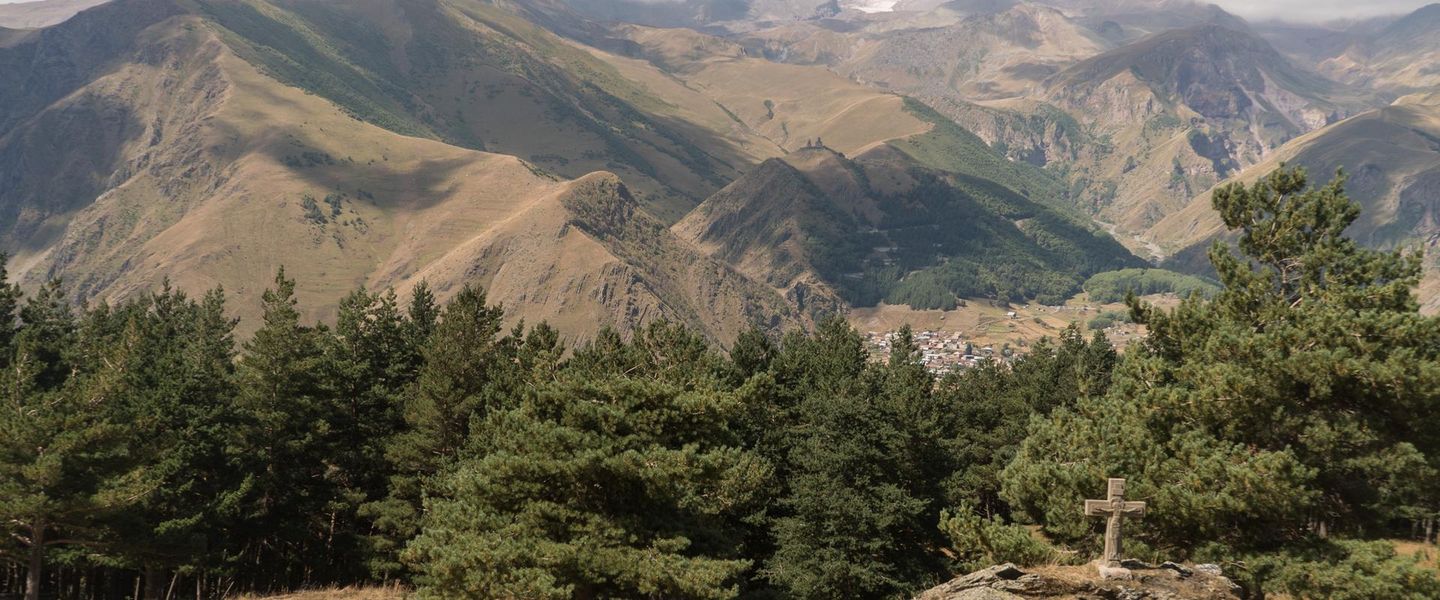


Explore Khevi in Georgia for Mount Kazbek views, Gergeti Trinity Church, high valleys, dramatic gorges and Caucasus mountain walks.
Read more about Khevi
When is the best time to visit Khevi?
Best: June, August–September · 24–28°C| Month | High (°C) | Rainfall (mm) |
|---|---|---|
| January | 6 | 25 |
| February | 7 | 25 |
| March | 10 | 30 |
| April | 16 | 35 |
| May | 21 | 45 |
| June (best) | 27 | 45 |
| July | 28 | 40 |
| August (best) | 28 | 35 |
| September (best) | 24 | 30 |
| October | 17 | 25 |
| November | 9 | 30 |
| December | 7 | 25 |
Getting to and around Khevi
How to get there
Transportation
Destinations in Khevi
Resorts, valleys and scenic spots worth a trip of their own.

Swipe for more destinations
Best attractions in Khevi
Khevi’s attractions are concentrated around its mountain landscape rather than a large collection of formal museums or entertainment venues. Stepantsminda provides the main base for visiting Gergeti Trinity Church, whose hillside setting frames views towards Mount Kazbek, while the nearby Darial Gorge offers a close impression of the river-cut passage through the Caucasus. The Sno Valley combines broad mountain views with highland settlements and stone structures, and the Truso Valley is known for open alpine scenery, mineral springs, abandoned or lightly settled villages and demanding walking routes. Gveleti’s waterfalls provide a shorter outdoor excursion near the Darial area, subject to seasonal trail conditions. More ambitious visitors can arrange trekking and mountaineering outings on the slopes and glaciers around Kazbek with appropriately qualified guides. Khevi’s appeal lies in the contrast between accessible viewpoints and genuinely remote terrain: a road journey can reach dramatic scenery quickly, but many of the most rewarding landscapes require stamina, navigation and respect for mountain weather.
-
Tourist attraction
Prometheus Cave Natural Monument
Discover a breathtaking underground world of stalactites, stalagmites, and subterranean rivers in Georgia's Prometheus Cave.
-
Fortress
Narikala
Explore Tbilisi's ancient Narikala Fortress: panoramic views, rich history, and the iconic St. Nicholas Church await!
-
National park
Gudauri Recreational Area
Discover Gudauri: Georgia's premier ski resort with stunning Caucasus Mountain views, winter sports, and year-round outdoor adventures.
-
National museum
Georgian National Museum
Discover Georgia's rich history and cultural heritage through millennia of artifacts at the Georgian National Museum in Tbilisi.


Best landmarks in Khevi
Gergeti Trinity Church is Khevi’s defining architectural landmark, standing above Stepantsminda against the high Caucasus and representing the enduring importance of Georgian Christianity in the mountains. Mount Kazbek, known in Georgian as Mkinvartsveri, is the region’s dominant natural landmark: its ice-covered summit has shaped local identity, mountaineering history and the visual character of the upper Terek valley. The Darial Gorge is another major geographical landmark, a narrow and strategically important passage cut by the Terek River through steep rock walls towards the northern frontier. The Jvari Pass, on the historic route into Khevi, marks the transition between the southern approaches and the upper mountain basin. In the side valleys, stone towers, compact settlements, old churches and abandoned village structures record the defensive and pastoral traditions of highland life. These places are significant not simply because they photograph well, but because they reveal how faith, transport, security and survival were organised in one of Georgia’s most demanding environments.
-
Bridge
Bridge of Peace
Explore the Bridge of Peace in Tbilisi, a stunning architectural wonder connecting history and modernity with breathtaking views and vibrant surroundings.
-
Historical landmark
Ananuri Fortress Complex
Explore the historic Ananuri Fortress Complex, a stunning landmark with breathtaking views of the Zhinvali Reservoir and rich Georgian heritage.
-
Historical landmark
Uplistsikhe
Explore Uplistsikhe, Georgia's ancient rock-hewn city, where history and breathtaking landscapes intertwine for an unforgettable journey.
-
Fortress
Narikala
Explore the historic Narikala Fortress, a must-visit tourist attraction in Tbilisi, offering stunning views and rich Georgian history.


Explore Khevi on the map
Plan your trip on one map. See where the top cities, national parks and sights are, and book hotels and experiences in a few clicks.
Best hotels in Khevi
Best restaurants in Khevi
Dining in Khevi is centred on Stepantsminda’s guesthouses, family-run restaurants, cafés and traditional Georgian eateries, with fewer options once visitors move into the side valleys. Khinkali is especially associated with Georgia’s mountain cuisine and is widely available, while hearty soups, stews, bread, dairy products, potatoes and preserved foods suit the cold climate and active days. Georgian staples such as khachapuri, lobio, grilled meats and vegetable dishes are also common, although menus vary between establishments. Guesthouses may offer home-cooked meals using locally sourced dairy, herbs and seasonal produce, often with generous shared tables rather than formal courses. Wine remains central to Georgian food culture, but the highland setting also makes beer, tea and warming non-alcoholic drinks practical choices. Travellers heading into Truso, Sno or more remote areas should eat beforehand or arrange meals with accommodation, as roadside and village services are limited.
-
Georgian
Ethno Tsiskvili
Discover the heart of Georgia through its flavors at Ethno Tsiskvili – where tradition meets taste in Tbilisi's vibrant dining scene.
-
Georgian
Shavi Lomi
Discover authentic Georgian cuisine at Shavi Lomi in Old Tbilisi—where tradition meets taste in a charming atmosphere.
-
Georgian
Kakhelebi
Experience authentic Georgian cuisine at Kakhelebi in Tbilisi - home to the finest khinkali and freshly baked delights.
-
Restaurant
Drunk Cherry Restaurant
Experience authentic Georgian cuisine amidst breathtaking mountain views at Drunk Cherry Restaurant in Gudauri.


Best bars in Khevi
Khevi does not have a major nightclub scene, and evenings are generally shaped by mountain weather, early starts and the small scale of Stepantsminda. The town has cafés, hotel bars, restaurants and casual places serving Georgian wine, beer and spirits, with some venues offering views towards the surrounding peaks. Guesthouse dining is often a more characteristic evening activity than late-night entertainment, giving visitors the chance to share food and conversation with hosts or fellow walkers. In the busier seasons, Stepantsminda may have occasional live music or informal social events, but these should not be assumed to follow a fixed schedule. Outside the town, nightlife is minimal: rural guesthouses and village homes are places for quiet meals and rest rather than commercial entertainment, and visitors should be considerate of residents and early-morning mountain activity.
-
Hotel
Marco Polo Hotel Gudauri
Discover luxury and adventure at Marco Polo Hotel Gudauri, your gateway to the stunning Kazbegi region and its breathtaking landscapes.
-
Georgian
Restaurant Cozy Corner Kazbegi
Experience authentic Georgian cuisine and breathtaking views at Restaurant Cozy Corner in the heart of Kazbegi.
-
Bar
Black Dog Bar
Experience the vibrant nightlife at Black Dog Bar in Tbilisi, where friendly faces, diverse drinks, and a lively atmosphere await every visitor.
-
Hotel
Gudauri Inn
Experience unparalleled mountain views and exceptional comfort at Gudauri Inn, your ultimate getaway in the heart of Georgia's stunning landscapes.


Best nightclubs in Khevi
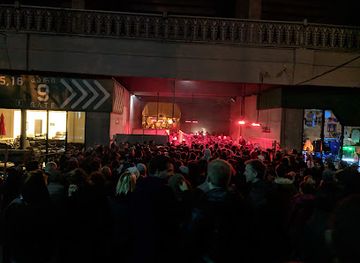
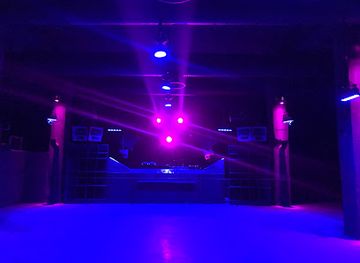
Khevi does not have a major nightclub scene, and evenings are generally shaped by mountain weather, early starts and the small scale of Stepantsminda. The town has cafés, hotel bars, restaurants and casual places serving Georgian wine, beer and spirits, with some venues offering views towards the surrounding peaks. Guesthouse dining is often a more characteristic evening activity than late-night entertainment, giving visitors the chance to share food and conversation with hosts or fellow walkers. In the busier seasons, Stepantsminda may have occasional live music or informal social events, but these should not be assumed to follow a fixed schedule. Outside the town, nightlife is minimal: rural guesthouses and village homes are places for quiet meals and rest rather than commercial entertainment, and visitors should be considerate of residents and early-morning mountain activity.
-
Night club
Bassiani
Experience the vibrant nightlife of Tbilisi at Bassiani, a premier night club known for its stunning design and electrifying music scene.
-
Night club
KHIDI CLUB 中 კლუბი ხიდი
Discover the vibrant nightlife of Tbilisi at KHIDI CLUB, where modern beats and stunning views create unforgettable nights.
-
Disco club
The Bank Club
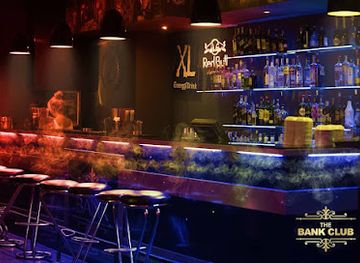
Experience the vibrant nightlife of Tbilisi at The Bank Club, a premier disco and dance club with top DJs and an electrifying atmosphere.
-
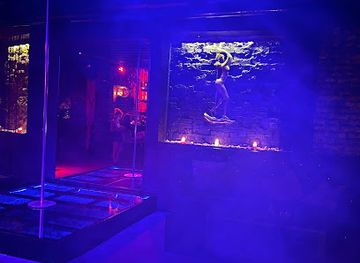
Adult entertainment club
Night Life
Discover Tbilisi's vibrant adult entertainment scene with fantastic service and an unforgettable nightlife experience.
Best shops in Khevi
Shopping in Khevi is modest and practical rather than centred on large retail districts. Stepantsminda has the widest selection of small shops, food stores, cafés and craft-oriented outlets, while villages and remote valleys offer very few opportunities for conventional shopping. Visitors may find locally made honey, dairy products, preserves, knitted goods, woollen items and small handmade souvenirs, though availability is seasonal and not every product is made locally. Georgian wine, churchkhela, spices and packaged foods are convenient regional gifts, but their connection may be national rather than specifically Khevi. The town’s guesthouses and local guides can sometimes point visitors towards household producers or craft sellers, with cash useful for these informal purchases. Buy responsibly, avoid removing stones or archaeological material from historic sites, and remember that the most distinctive keepsakes from Khevi are often photographs, maps and memories of the landscape rather than mass-produced souvenirs.
-
Hotel
Gudauri Inn
Experience the serene beauty of Gudauri Inn, where comfort meets the majestic landscapes of the Caucasus mountains.
-
Shopping mall
Karvasla
Discover Karvasla, Kutaisi's vibrant shopping mall, where local culture meets modern retail and delightful dining.
-
Hotel
GUDAURI LOFT hotel ski resort
Discover the stunning GUDAURI LOFT hotel ski resort, where luxury meets adventure in the heart of Georgia's magnificent Caucasus mountains.
-
Gift shop
Friday Night • პარასკევი ღამე
Explore the enchanting gift shop Friday Night in Tbilisi, where aromatic supplies, unique jewelry, and spiritual artifacts await you.


Get your free copy of our complete guide to Khevi, delivered straight to you.
Everything on this page, from attractions and restaurants to essentials and local phrases, in one PDF you can read offline, print or share.
Already have an account? Sign in
Your Khevi guide is ready.
We'll send it to · Not you? Sign out

Getting your guide ready…
We are putting together a fresh copy of the Khevi guide. This can take up to a minute.
This can take a few moments. If your browser asks, choose Allow so the download can start. You'll find the guide in your Downloads folder.
Nothing happened? Download it again
Sorry, the guide is taking longer than usual. Please try again in a minute, or get it by email instead.
Khevi essentials
Currency and Payment
Safety
Emergency Situations
Do's and Don'ts
Local Tips
From Eve
Local phrases worth knowing
You don't need to get them perfect. A few words go a long way, and locals appreciate the effort.
Basics
| English | Local | Say it |
|---|---|---|
| Hello | Howdy | [Ha-dee] |
| Goodbye | See ya | [See yah] |
| Yes | Yep | [Yep] |
| No | Nope | [Nope] |
| Please/You're welcome | Please/No problem | [Please/No prob] |
| Thank you | Thanks | [Thangs] |
| Excuse me/Sorry | Pardon me/Sorry | [Par-dun me/Saw-ree] |
| How are you? | How ya doin'? | [How ya doin'?] |
| Fine. And you? | Good. And you? | [Good. An' you?] |
| Do you speak English? | You speakin' English? | [Ya speakin' English?] |
| I don't understand | I don't get it | [I don't get it] |
Eating & Drinking
| English | Local | Say it |
|---|---|---|
| I'd like to see the menu, please | Can I see the menu, please? | [Can I see the menu, please?] |
| I don't eat meat | I don't eat meat | [I don't eat meat] |
| Cheers! | Cheers! | [Cheers!] |
| I would like to pay, please | Can I get the check, please? | [Can I get the check, please?] |
Emergencies
| English | Local | Say it |
|---|---|---|
| Help! | Help! | [Help!] |
| Go away! | Leave me alone! | [Leave me alone!] |
| Call the Police! | Call the cops! | [Call the cops!] |
| Call a doctor! | Get a doctor! | [Get a doctor!] |
| I'm lost | I'm lost | [I'm lost] |
| I'm ill | I'm not feelin' well | [I'm not feelin' well] |
Shopping
| English | Local | Say it |
|---|---|---|
| I'd like to buy... | I wanna buy... | [I wanna buy...] |
| I'm just looking | Just lookin' | [Just lookin'] |
| How much is it? | How much is this? | [How much is this?] |
| That's too expensive | That's too pricey | [That's too pricey] |
| Can you lower the price? | Can you drop the price? | [Can you drop the price?] |
Time & Numbers
| English | Local | Say it |
|---|---|---|
| What time is it? | What's the time? | [What's the time?] |
| It's one o'clock | It's one o'clock | [It's one o'clock] |
| Half past (10) | Half past ten | [Half past ten] |
| Morning | Morning | [Mornin'] |
| Afternoon | Afternoon | [Afternoon] |
| Evening | Evenin' | [Evenin'] |
| Yesterday | Yesterday | [Yesterday] |
| Today | Today | [Today] |
| Tomorrow | Tomorrow | [Tomorrow] |
| 1 | One | [One] |
| 2 | Two | [Two] |
| 3 | Three | [Three] |
| 4 | Four | [Four] |
| 5 | Five | [Five] |
| 6 | Six | [Six] |
| 7 | Seven | [Seven] |
| 8 | Eight | [Eight] |
| 9 | Nine | [Nine] |
| 10 | Ten | [Ten] |
Transport & Directions
| English | Local | Say it |
|---|---|---|
| Where's a/the...? | Where's the...? | [Where's the...?] |
| What's the address? | What's the address? | [What's the address?] |
| Can you show me (on the map)? | Can you point it out? | [Can you point it out?] |
| When's the next (bus)? | When's the next bus? | [When's the next bus?] |
| A ticket (to ....) | A ticket (to ...) | [A ticket (to ...)] |
History of Khevi
Early Highland Settlement and Archaeological Heritage
The upper Terek valley and surrounding slopes have been occupied and used for pastoralism since prehistoric times, although the evidence is scattered and the severe mountain environment has limited large permanent settlements. Archaeological remains across the broader Georgian highlands indicate long continuity in metalworking, farming and seasonal herding. Khevi’s passes also connected communities across the Caucasus, making the region more than an isolated upland: it formed part of a network of routes linking northern mountain societies with the Georgian lowlands.
Christianisation and Mountain Sanctuaries
Christianity became established in eastern Georgia during late antiquity, and religious foundations later became important markers of community and authority in the highlands. Khevi’s churches and shrines were built or maintained within a landscape where local traditions remained strong and access was difficult. Gergeti Trinity Church, traditionally dated to the medieval period, expresses this combination of faith, refuge and altitude. Its position above Stepantsminda gave it symbolic importance as well as a practical role in safeguarding religious treasures during periods of danger.
Medieval Georgian Kingdoms and Local Highland Autonomy
During the medieval Georgian state’s periods of strength, Khevi formed part of the northern mountain zone protecting routes towards the Caucasus passes. Royal and regional authorities relied on local communities to control movement through the valleys, while the terrain allowed highland settlements considerable autonomy in everyday affairs. Fortified homes, watchtowers and defensible churches reflect a society accustomed to feuds, raiding and sudden threats. The region’s historical identity was therefore shaped both by its connection to Georgian political centres and by strong local institutions.
The Georgian Military Highway
The route through the Darial Gorge was one of the most important crossings of the Greater Caucasus. In the late eighteenth and nineteenth centuries, the Russian Empire developed it as the Georgian Military Highway, linking Vladikavkaz with Tbilisi through the Jvari Pass. Road engineering, military movement and imperial administration altered Khevi’s relationship with the outside world. The route brought greater strategic importance and new traffic, but it also placed the mountain communities within the expanding political and military system of the Russian Empire.
Russian Imperial and Soviet Transformation
After the Russian annexation of eastern Georgia in the early nineteenth century, Khevi was increasingly governed through imperial administrative structures and connected to wider military and commercial networks. In the Soviet period, roads, state institutions and organised tourism changed the economy and settlement pattern. Mountaineering, health travel and scenic tourism brought visitors to the Kazbek area, while collectivised agriculture and modern infrastructure weakened some older forms of local self-management. The highland landscape remained visually traditional, but its social and economic foundations were changing.
Alexander Kazbegi and Regional Literary Memory
The writer Alexander Kazbegi, born in Stepantsminda in 1848, helped bring Georgian highland life to a wider literary audience. His works explored mountain society, honour, conflict, social change and the pressures placed on traditional communities. The town’s modern Georgian name commemorates him, while the older name Stepantsminda recalls the local religious foundation associated with Saint Stephen. Kazbegi’s literary legacy is part of the region’s cultural identity, although Khevi’s history cannot be reduced to a single writer or romantic image of mountain life.
Contemporary Mountain Tourism
Since Georgia regained independence, Khevi has become one of the country’s most internationally recognised mountain destinations. Stepantsminda now supports guesthouses, restaurants, guide services and transport for visitors drawn by Kazbek, Gergeti Trinity Church and the high valleys. Tourism has created new income and improved visibility for the region, while also increasing pressure on roads, waste management, water resources and fragile trails. The central contemporary challenge is to accommodate visitors without reducing Khevi’s landscapes and communities to scenery alone.
Khevi in Photos
Browse through our photo collection highlighting the charm and character of the destination.
Neighbouring regions of Khevi
The closest regions to Khevi, if you have time for more than one.
-

-

-

-

-


Swipe for more regions
Explore more

Explore more of Georgia
Discover Georgia: A vibrant mix of ancient history, stunning landscapes, and warm hospitality at the crossroads of Europe and Asia.
Explore Georgia