

Free Tusheti Travel Guide & Mobile App
Explore Tusheti with free travel guides. Discover regional history, expert tips, proposed trips, and audio guides on web or mobile app.


Tusheti, Georgia’s remote highland region, offers stone villages, alpine trails, pastoral culture and demanding journeys across the Abano Pass.
Read more about Tusheti
When is the best time to visit Tusheti?
Best: June–August · 20–23°C| Month | High (°C) | Rainfall (mm) |
|---|---|---|
| January | 4 | 60 |
| February | 5 | 55 |
| March | 9 | 65 |
| April | 13 | 70 |
| May | 17 | 75 |
| June (best) | 20 | 80 |
| July (best) | 23 | 85 |
| August (best) | 22 | 80 |
| September | 19 | 75 |
| October | 15 | 70 |
| November | 9 | 65 |
| December | 4 | 60 |
Getting to and around Tusheti
How to get there
Transportation
Best attractions in Tusheti
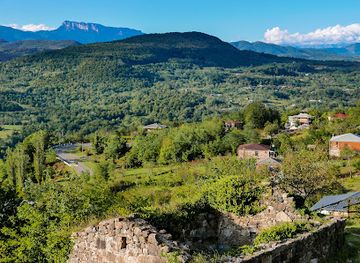
Tusheti’s attractions are primarily its mountain landscapes, historic settlements and walking routes rather than conventional ticketed sights. Omalo provides the main introduction, with Lower and Upper Omalo, broad views across the surrounding valleys and the restored Keselo defensive towers above the settlement. Dartlo is noted for its stone houses, towers and compact highland setting, while Shenako and Diklo offer quieter architectural and landscape experiences. Routes between these villages pass through open pasture, wooded slopes and steep river valleys, with longer treks reaching remote communities and high passes. The Tusheti Protected Landscape supports hiking, wildlife observation, photography and seasonal encounters with pastoral life. Visitors may also see shepherds moving sheep, traditional stone shrines and mountain roads that are themselves part of the experience. There are few formal museums or large visitor facilities, so the region rewards preparation, local guiding and an interest in architecture, ecology and living culture. Activities are strongly seasonal: summer and early autumn provide the most practical conditions, while snow and unstable weather can make travel impossible outside the accessible period.
-
Tourist attraction
Bodbe's St. Nino's Convent Cathedral
Discover Bodbe Monastery near Sighnaghi, a serene pilgrimage site honoring St. Nino with stunning views of the Alazani Valley.
-
Tourist attraction
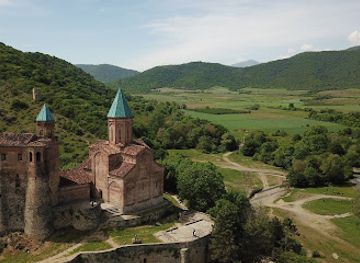
Gremi's Archangels' Complex
Explore Gremi's Archangels' Complex: A 16th-century fortress and church in Kakheti, Georgia, showcasing royal history and stunning architecture.
-
 Hotel
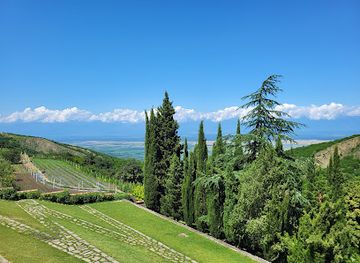
HotelSchuchmann Wines Chateau
Experience Georgia's wine heritage at Schuchmann Wines Chateau: tours, tastings, spa treatments, and stunning Caucasus Mountain views.
-
National park
Tusheti National Park
Discover Tusheti National Park: Untouched wilderness, ancient villages, and breathtaking landscapes in the heart of the Georgian Caucasus.

Best landmarks in Tusheti
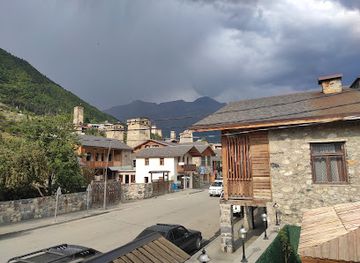
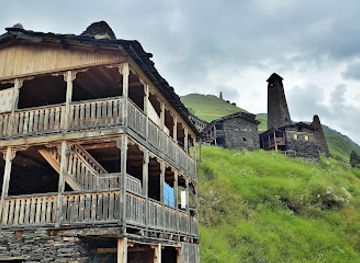
The Keselo towers above Omalo are among Tusheti’s most recognisable landmarks. These stone defensive structures, restored in part in modern times, represent the protective architecture developed by highland communities and provide wide views over the settlement and surrounding valleys. Dartlo’s group of stone houses and towers forms one of the region’s most distinctive historic village scenes, with buildings arranged in a compact defensive pattern against the mountain landscape. The villages of Shenako and Diklo retain further examples of traditional Tushetian architecture, though their significance lies in the relationship between homes, towers, paths and pasture rather than in a single monumental building. Tusheti’s natural landmarks are equally important: the Abano Pass marks the dramatic threshold between Kakheti and the highlands, while steep gorges, alpine ridges and broad summer meadows define the region’s visual identity. Sacred places and shrines, often set apart from settlements, remain culturally sensitive landmarks and should be approached quietly and according to local guidance.
-
Historical landmark
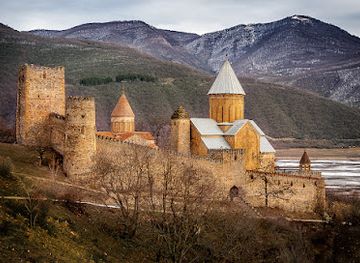
Ananuri Fortress Complex
Discover the breathtaking Ananuri Fortress Complex, a historical gem in Georgia overlooking the stunning Aragvi River, rich in culture and scenic beauty.
-
National park
Tbilisi National Park
Immerse yourself in the stunning landscapes and diverse wildlife of Tbilisi National Park, the perfect natural retreat near the heart of Georgia's capital.
-
Cathedral
Gelati Monastery
Experience the spiritual and architectural splendor of Gelati Monastery, a UNESCO World Heritage site nestled in the serene hills of Motsameta, Georgia.
-
Cathedral
Alaverdi Monastery
Experience the spiritual and historical legacy of Alaverdi Monastery, a stunning Georgian architectural gem amidst lush vineyards.

Explore Tusheti on the map
Plan your trip on one map. See where the top cities, national parks and sights are, and book hotels and experiences in a few clicks.
Best hotels in Tusheti
Best restaurants in Tusheti
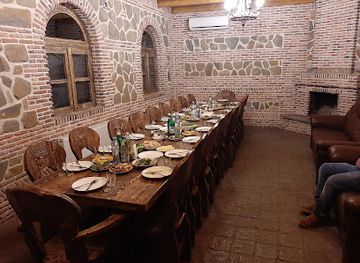
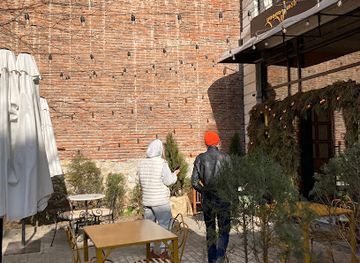
Dining in Tusheti is centred on guesthouses and family kitchens rather than a separate restaurant industry. Meals commonly draw on mountain staples such as bread, potatoes, meat, herbs and dairy products, with Tushetian sheep’s cheese among the region’s best-known local foods. Khinkali and other Georgian dishes may also appear, although recipes and menus vary between households. Visitors should expect filling home-cooked meals, seasonal ingredients and relatively simple presentation rather than extensive choice. Guesthouses in Omalo and other villages often provide breakfast and dinner by arrangement, making it sensible to confirm meal times and dietary requirements before arrival. Local honey, preserves and herbal drinks may be available, while wine is more closely associated with the lowlands of Kakheti than with Tusheti’s high-altitude pastoral economy. Carrying snacks is useful on long journeys and walking days, as shops and cafés are scarce outside the main settlements.
-
Georgian
Chkhakuna papas dukani
Experience the authentic taste of Georgia at Chkhakuna Papas Dukani - where every dish tells a story.
-
Restaurant
Lushnu Qor Restaurant Beer Garden
Experience authentic Georgian cuisine in the heart of Mestia at Lushnu Qor Restaurant Beer Garden with stunning mountain views.
-
Restaurant
Lilestan
Experience authentic Georgian cuisine at Lilestan in Kutaisi – where tradition meets flavor in every dish.
-
Restaurant
Sunseti
Discover the flavors of Georgia at Sunseti in Mestia—where culinary tradition meets stunning mountain views.

Best bars in Tusheti
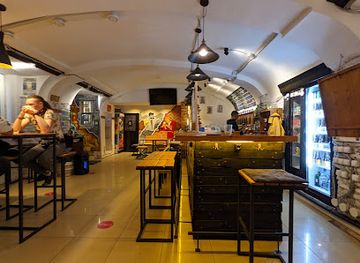
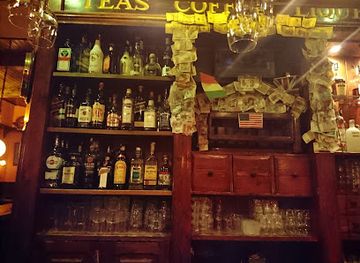
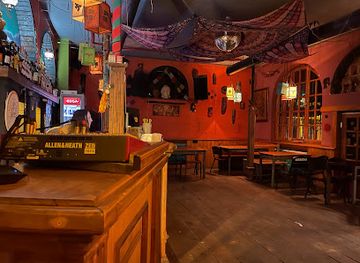
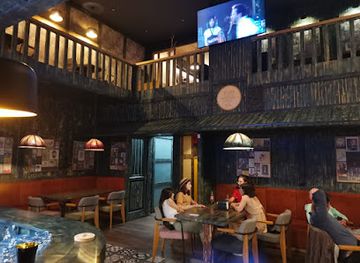
Tusheti has no conventional nightclub scene and very little late-night commercial entertainment. Evenings usually take place in guesthouses, where visitors eat with hosts, discuss the next day’s route and enjoy the quiet of the mountain villages. Social drinking may include Georgian wine or chacha, but alcohol is not necessary to appreciate the region and should never be mixed with demanding mountain travel or driving. Omalo has the greatest concentration of seasonal accommodation and informal evening activity, while smaller villages are considerably quieter. Some guesthouses may offer local spirits, tea or simple shared spaces, but opening arrangements are seasonal and vary. Expect darkness, limited electricity or connectivity in some locations, and cold nights rather than bars, DJs or organised nightlife. The region’s evening culture is better understood through hospitality, conversation and the soundscape of a working mountain settlement.
-
Pub
Tsota Tsota Craft Beer Pub
Discover Tbilisi’s vibrant craft beer culture at Tsota Tsota Pub, where local brews meet a friendly atmosphere in Old Tbilisi.
-
Irish pub
The Nali Pub
Experience the charm of an authentic Irish pub in the heart of Tbilisi, offering delicious food, a great drink selection, and lively entertainment.
-
Bar
Canudos Ethnic Bar
Experience the vibrant nightlife and cultural essence of Tbilisi at Canudos Ethnic Bar, a must-visit destination for every traveler.
-
Pub
Creatoria Pub - Bar in Batumi
Experience the vibrant nightlife of Batumi at Creatoria Pub, where delicious food, local drinks, and a welcoming atmosphere await.
Best nightclubs in Tusheti
Tusheti has no conventional nightclub scene and very little late-night commercial entertainment. Evenings usually take place in guesthouses, where visitors eat with hosts, discuss the next day’s route and enjoy the quiet of the mountain villages. Social drinking may include Georgian wine or chacha, but alcohol is not necessary to appreciate the region and should never be mixed with demanding mountain travel or driving. Omalo has the greatest concentration of seasonal accommodation and informal evening activity, while smaller villages are considerably quieter. Some guesthouses may offer local spirits, tea or simple shared spaces, but opening arrangements are seasonal and vary. Expect darkness, limited electricity or connectivity in some locations, and cold nights rather than bars, DJs or organised nightlife. The region’s evening culture is better understood through hospitality, conversation and the soundscape of a working mountain settlement.
-
Adult entertainment club
Night Life
Discover Tbilisi's vibrant nightlife at this adult entertainment club, where unforgettable experiences await in an electrifying atmosphere.
-
Night club
Night Office
Discover Tbilisi's nightlife at Night Office, where music, dancing, and vibrant energy come together for an unforgettable experience.
-
Night club
Mtkvarze
Discover the electrifying nightlife of Tbilisi at Mtkvarze – a vibrant night club with stunning river views and unforgettable vibes.
-
Night club
Underwheel Club
Dive into Tbilisi's nightlife at Underwheel Club, a vibrant venue known for great music and an electrifying atmosphere, perfect for party enthusiasts.




Best shops in Tusheti
Shopping in Tusheti is limited and practical, with no sizeable retail district or dependable range of specialist shops. Omalo has the most useful seasonal supplies, but visitors should purchase medicines, toiletries, cash, substantial snacks and equipment before travelling into the highlands. Guesthouses and local households may sell or serve Tushetian sheep’s cheese, honey, preserves, woollen goods or small handmade souvenirs, subject to season and availability. These products are more meaningful than generic imported gifts because they reflect local pastoral and domestic skills, although quality and supply vary. In the wider Kakheti lowlands, market towns provide a much broader selection of Georgian food and wine, but they are outside Tusheti and should not be confused with highland shopping facilities. Ask permission before photographing or handling locally made items, pay agreed prices promptly and remember that small purchases can directly support seasonal households.
-
Shopping mall
Tbilisi Mall
Discover the ultimate shopping experience at Tbilisi Mall, where fashion, food, and fun meet in the heart of Tbilisi.
-
National park
Tusheti National Park
Explore the breathtaking landscapes, rich heritage, and adventure-filled trails of Tusheti National Park in Georgia's stunning Caucasus mountains.
-
Visitor center
Tusheti Protected Areas Administration
Discover the breathtaking landscapes and rich cultural heritage of Tusheti at the Tusheti Protected Areas Administration, your gateway to adventure in Georgia's pristine wilderness.
-
Wine bar
Tsangala's Wine Shop & Bar
Discover the heart of Georgia's wine culture at Tsangala's Wine Shop & Bar, where tradition meets a modern tasting experience in the vibrant Old Tbilisi.

Get your free copy of our complete guide to Tusheti, delivered straight to you.
Everything on this page, from attractions and restaurants to essentials and local phrases, in one PDF you can read offline, print or share.
Already have an account? Sign in
Your Tusheti guide is ready.
We'll send it to · Not you? Sign out

Getting your guide ready…
We are putting together a fresh copy of the Tusheti guide. This can take up to a minute.
This can take a few moments. If your browser asks, choose Allow so the download can start. You'll find the guide in your Downloads folder.
Nothing happened? Download it again
Sorry, the guide is taking longer than usual. Please try again in a minute, or get it by email instead.
Tusheti essentials
Currency and Payment
Safety
Emergency Situations
Do's and Don'ts
Local Tips
From Eve
Local phrases worth knowing
You don't need to get them perfect. A few words go a long way, and locals appreciate the effort.
Basics
| English | Local | Say it |
|---|---|---|
| Hello | გამარჯობა | [gamarjoba] |
| Goodbye | ნახვამდის | [nakhvamdis] |
| Yes | დიახ | [diakh] |
| No | არა | [ara] |
| Please/You're welcome | გთხოვთ | [gtkhovt] |
| Thank you | მადლობა | [madloba] |
| Excuse me/Sorry | ბოდიშით | [bodishit] |
| How are you? | როგორ ხართ? | [rogor khart] |
| Fine. And you? | კარგად. და თქვენ? | [kargad. da tkven] |
| Do you speak English? | ინგლისურად საუბრობთ? | [inglisurad saubrobt] |
| I don't understand | ვერ ვხვდები | [ver vkhvdebi] |
Eating & Drinking
| English | Local | Say it |
|---|---|---|
| I'd like to see the menu, please | მინდა მენიუ ვნახო, გთხოვთ | [minda meni vnakho, gtkhovt] |
| I don't eat meat | ხორცი არ ვჭამ | [khorts'i ar vch'am] |
| Cheers! | გილოცავთ! | [gilotsavt!] |
| I would like to pay, please | მინდა გადახდა, გთხოვთ | [minda gadakhdha, gtkhovt] |
Emergencies
| English | Local | Say it |
|---|---|---|
| Help! | დახმარება! | [dakhmareba!] |
| Go away! | წადი! | [ts'adi!] |
| Call the Police! | გამოძახეთ პოლიცია! | [gamodzakhit politsia!] |
| Call a doctor! | გამოძახეთ ექიმი! | [gamodzakhit eqimi!] |
| I'm lost | დაკარგული ვარ | [dakarguli var] |
| I'm ill | ავად ვარ | [avad var] |
Shopping
| English | Local | Say it |
|---|---|---|
| I'd like to buy... | მინდა ვიყიდო... | [minda viqido...] |
| I'm just looking | მხოლოდ ვათვალიერებ | [mkholod vatvaliereb] |
| How much is it? | რამდენი ღირს? | [ramdeni ghirs?] |
| That's too expensive | ეს ძალიან ძვირია | [es dzalian dzviria] |
| Can you lower the price? | შეგიძლიათ ფასის შემცირება? | [shegidzliat phasis shemts'ireba?] |
Time & Numbers
| English | Local | Say it |
|---|---|---|
| What time is it? | რომელი საათია? | [romeli saatia?] |
| It's one o'clock | ერთი საათია | [erti saatia] |
| Half past (10) | ნახევარი (10) არის | [nakhavari (10) aris] |
| Morning | დილა | [dila] |
| Afternoon | შემოდგომა | [shemodgoma] |
| Evening | საღამო | [saghamo] |
| Yesterday | გუშინ | [gushin] |
| Today | დღეს | [dghes] |
| Tomorrow | ხვალ | [khval] |
| 1 | ერთი | [erti] |
| 2 | ორი | [ori] |
| 3 | სამი | [sami] |
| 4 | ოთხი | [otkh'i] |
| 5 | ხუთი | [khuti] |
| 6 | ექვსი | [ekvsi] |
| 7 | შვიდი | [shvidi] |
| 8 | რვა | [rva] |
| 9 | ცხრა | [tskhr'a] |
| 10 | ათი | [ati] |
Transport & Directions
| English | Local | Say it |
|---|---|---|
| Where's a/the...? | სად არის ...? | [sad aris ...?] |
| What's the address? | რა არის მისამართი? | [ra aris misamarti?] |
| Can you show me (on the map)? | შეგიძლიათ მითხრათ (მარჯვნივ)? | [shegidzliat mitkhrat (marjvniv)?] |
| When's the next (bus)? | როდის მოდის შემდეგი (ავტობუსი)? | [rodis modis shemdegii (avtobusi)?] |
| A ticket (to ....) | ბილეთი (კენ ...) | [bileti (ken ...)] |
History of Tusheti
Ancient Highland Communities and Pastoral Life
Tusheti’s history developed within the wider cultural world of Georgia’s north-eastern mountains, where scattered communities adapted to steep terrain, severe winters and limited arable land. Sheep husbandry, seasonal migration and communal management of high pastures became central to local life. Archaeological evidence and surviving material traditions point to long-established settlement, although the region’s early history is not documented in the same detail as that of Georgia’s major lowland kingdoms. The landscape itself, including fortified villages and sacred groves, preserves evidence of a society shaped by mobility and self-reliance.
Tushetian Tribes and Highland Custom
Tusheti historically contained several local communities, commonly associated with the Tsova-Tush and Chaghma-Tush groups, each with its own settlement traditions and dialect forms. Highland customary law helped regulate pasture use, community obligations, hospitality and dispute resolution. Older religious practices survived alongside Georgian Christianity, creating a distinctive spiritual landscape in which shrines and sacred places remain important. These traditions should not be reduced to folklore: they developed as practical institutions for organising life in an isolated mountain environment.
Medieval Georgia and Defensive Villages
During the medieval period, Tusheti formed part of the broader political and cultural sphere of the Georgian kingdoms, while maintaining considerable local autonomy because of its difficult terrain. Stone houses and defensive towers were adapted to protect families and livestock during periods of feud or external threat. The tower settlements at Keselo, Dartlo and other villages are enduring reminders of this defensive culture. Their architecture reflects both the need for security and the constraints of building with local stone on steep mountain slopes.
Seasonal Migration between Highlands and Lowlands
For centuries, many Tushetian families followed a seasonal pattern between summer settlements in the high mountains and winter homes in the lowlands. The movement allowed livestock to use high pastures during the warmer months while families avoided the severe winter conditions of Tusheti. Lowland villages in Kakheti became important parts of this social and economic system, even though the highland settlements remained the symbolic centre of Tushetian identity. The tradition explains why Tusheti’s villages can appear sparsely occupied outside the summer season.
Imperial Borderlands and Russian Administration
From the nineteenth century, the region was drawn more closely into the administrative structures of the Russian Empire, as Georgia itself came under Russian rule. Tusheti’s remote position limited direct administration, but the mountain routes and passes acquired greater strategic significance as part of a borderland near the North Caucasus. Local communities continued to rely heavily on customary institutions and pastoral economies. This period brought new political frameworks without removing the geographical isolation that had long shaped Tushetian society.
Soviet Transformation and Population Change
The Soviet period altered Tusheti through collectivisation, new administrative systems and changing economic priorities. Restrictions and economic pressures contributed to the gradual movement of many residents towards lowland settlements, where access to education, healthcare and employment was easier. Seasonal residence in the highlands became less universal, and some villages lost much of their permanent population. The surviving towers, houses and pasture systems consequently became not only working landscapes but also important records of a rapidly changing mountain society.
Protected Landscape and Contemporary Revival
In the post-Soviet period, improved recognition of Tusheti’s natural and cultural value encouraged the growth of small-scale tourism, guesthouses and local guiding. The Tusheti Protected Landscape was established to help conserve the region’s ecosystems while supporting sustainable livelihoods. Tourism has brought new income but also creates pressures involving waste, road traffic, construction and seasonal overcrowding. Contemporary Tusheti therefore balances the practical needs of resident communities with efforts to protect a highland environment and cultural heritage that remain unusually vulnerable to isolation and climate conditions.
Tusheti in Photos
Browse through our photo collection highlighting the charm and character of the destination.
Neighbouring regions of Tusheti
The closest regions to Tusheti, if you have time for more than one.
-

-

-

-

-


Swipe for more regions
Explore more

Explore more of Georgia
Discover Georgia: A vibrant mix of ancient history, stunning landscapes, and warm hospitality at the crossroads of Europe and Asia.
Explore Georgia