

Free Shida Kartli Travel Guide & Mobile App
Explore Shida Kartli with free travel guides. Discover regional history, expert tips, proposed trips, and audio guides on web or mobile app.


Explore Shida Kartli for Uplistsikhe, medieval churches, Gori’s history, Ateni wine and rural landscapes between Georgia’s east and west.
Read more about Shida Kartli
When is the best time to visit Shida Kartli?
Best: June–August · 24–27°C| Month | High (°C) | Rainfall (mm) |
|---|---|---|
| January | 6 | 31 |
| February | 8 | 25 |
| March | 12 | 33 |
| April | 16 | 41 |
| May | 20 | 50 |
| June (best) | 24 | 56 |
| July (best) | 27 | 45 |
| August (best) | 26 | 39 |
| September | 22 | 35 |
| October | 16 | 36 |
| November | 10 | 35 |
| December | 6 | 33 |
Getting to and around Shida Kartli
How to get there
Transportation
Top city travel guides in Shida Kartli
The cities of Shida Kartli, and the easiest places to base yourself.
-

-
-


Swipe for more cities
Destinations in Shida Kartli
Resorts, valleys and scenic spots worth a trip of their own.
-

-


Swipe for more destinations
Best attractions in Shida Kartli
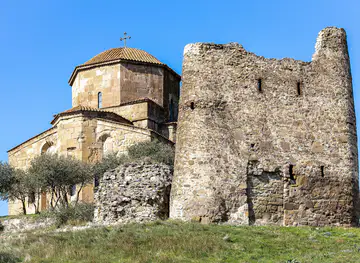
Shida Kartli's attractions range from deeply layered archaeological sites to working religious foundations and open countryside. Uplistsikhe, carved into a sandstone ridge near Gori, is the region's defining ancient experience, with rock-cut chambers, passages and views across the Mtkvari valley. Gori adds the hilltop fortress and the Stalin Museum, which offers a substantial, politically complex encounter with the town's most internationally known native. Medieval church architecture is represented by Ateni Sioni, Samtavisi, Urbnisi and Kintsvisi, whose stone carving, inscriptions and frescoes reward visitors interested in Georgian art and Orthodox heritage. The Rkoni valley combines a monastery, historic bridge remains and wooded walking country, while Surami offers a fortress and a long association with Georgia's bread-baking culture. Outside the main towns, vineyards, village cellars and agricultural landscapes provide a quieter perspective on regional life. Walking is most appealing in the cooler seasons, though rural paths can be rough and should be approached with local advice.
-
Museum
Uplistsikhe
Explore Uplistsikhe, Georgia's ancient cave city: a journey through time, carved in stone, revealing millennia of history and culture.
-
Tourist attraction
Surami Fortress
Explore the medieval Surami Fortress in Georgia, a historic landmark with stunning views and captivating legends. A must-see for history enthusiasts.
-
Monastery
Monastery of Saint Nicholas of Kintsvisi
Discover the spiritual majesty of Kintsvisi Monastery in Georgia, a 12th-century treasure with stunning frescoes and serene landscapes.
-
Orthodox church
Ateni Sioni Church
Discover Ateni Sioni Church: A 7th-century Georgian masterpiece with stunning frescoes, serene valley views, and a glimpse into Georgia's rich history.


Best landmarks in Shida Kartli
Gori Fortress is Shida Kartli's most recognisable urban landmark, rising above the town on a rocky hill and reflecting Gori's strategic role along the Mtkvari corridor. Nearby Uplistsikhe is an even older landscape landmark: its carved sandstone plateau preserves an unusual image of an ancient settlement shaped directly from the rock. The church of Ateni Sioni is celebrated for its early medieval architecture, carved decoration and inscriptions, while Samtavisi Cathedral is an important example of the mature Georgian medieval church tradition. Kintsvisi Monastery is notable for its surviving murals, including the distinctive blue-toned imagery associated with its medieval decoration. Urbnisi Cathedral represents the region's long Christian history, with the settlement around it holding archaeological as well as ecclesiastical importance. At Surami, the fortress occupies a strategic position near the pass linking eastern and western Georgia. These sites are not interchangeable monuments: together they show how settlement, faith, defence and trade shaped Shida Kartli over centuries.
-
 Historical landmark
Uplistsikhe
Discover Uplistsikhe, an ancient rock-hewn town in Georgia that showcases a rich tapestry of history and breathtaking natural beauty.
-
Orthodox church
Jvari Monastery
Discover the breathtaking views and rich heritage of Jvari Monastery, an iconic Orthodox church that stands sentinel over Mtskheta.
-
Tourist attraction
Chronicles of Georgia
Explore the Chronicles of Georgia, an artistic homage to the nation's rich history and culture, showcasing biblical events and significant historical figures.
-
Museum
Stalin Museum
Delve into the life of Stalin at the Gori Museum, a key attraction reflecting Georgia's rich and complex history.


Explore Shida Kartli on the map
Plan your trip on one map. See where the top cities, national parks and sights are, and book hotels and experiences in a few clicks.
Best hotels in Shida Kartli
Best restaurants in Shida Kartli
Eating in Shida Kartli centres on Georgian dishes prepared with seasonal produce, generous hospitality and regional agricultural abundance. In Gori, Khashuri and other larger towns, restaurants and family-run cafés commonly serve khinkali, mtsvadi, lobio, khachapuri, pkhali, grilled meats and fresh herbs, alongside salads and walnut-based sauces. The Ateni valley is associated with Atenuri wine, and a visit to a reputable cellar may include home-cooked food as well as tastings. Village guesthouses can offer a more personal introduction to bread, preserves, cheese and vegetables from local gardens, although advance arrangement is sensible outside the main tourist routes. Surami is particularly associated with bread sold from roadside bakeries, making it a useful stop on journeys across the pass. Georgian wine and chacha are often offered at meals, but visitors can choose non-alcoholic drinks without difficulty. Menus may be less extensive in rural areas, while Gori provides the broadest choice of everyday dining.
-
Georgian
Restaurant Hide
Experience the authentic flavors of Georgian cuisine at Restaurant Hide in Old Tbilisi, where exquisite dishes meet exceptional wines.
-
Seafood
Restaurant Fish House
Discover authentic Georgian seafood at Fish House in Gori – where fresh flavors meet warm hospitality.
-
Georgian
Poria
Experience authentic Georgian flavors at Poria, where traditional recipes meet fast food convenience in Akhaldaba.
-
Restaurant
Restaurant Diaokhi
Discover culinary excellence at Restaurant Diaokhi in Khashuri – where local flavors meet creative dining experiences.


Best bars in Shida Kartli
Shida Kartli is not primarily a late-night clubbing destination. Evening life is concentrated in Gori and, to a lesser extent, Khashuri, where cafés, wine bars, restaurants and traditional pubs provide places to meet after sightseeing. Gori has the region's broadest selection of casual venues, with some offering Georgian wine, beer, live music or televised sport, while smaller towns tend to become quiet earlier. In villages and vineyard districts, evenings are more likely to centre on a guesthouse meal, a family cellar or a supra than on a formal nightlife district. Wine tasting should be arranged with established producers, and drinking and driving is not appropriate on Georgia's rural roads. Seasonal cultural events and performances may add activity on particular dates, but schedules vary, so local noticeboards, guesthouses or tourism offices are more reliable than assuming a permanent programme.
-
Seafood
Restaurant Fish House
Discover the essence of Gori's culinary scene at Restaurant Fish House, where fresh seafood meets traditional Georgian flavors for an unforgettable dining experience.
-
Wine bar
Sulico Wine Bar and Restaurant
Discover the essence of Georgian viticulture at Sulico Wine Bar and Restaurant, where exquisite wines and delightful dishes await in Old Tbilisi.
-
Restaurant
კაკლები - Cafe Courtyard Kaklebi
Experience the authentic taste of Georgia at Cafe Courtyard Kaklebi, where traditional flavors meet a cozy atmosphere in Gori.
-
Bar
Bunker Bar
Discover the vibrant nightlife at Bunker Bar in Tbilisi, where live music, delicious food, and a unique atmosphere create unforgettable memories.


Best nightclubs in Shida Kartli
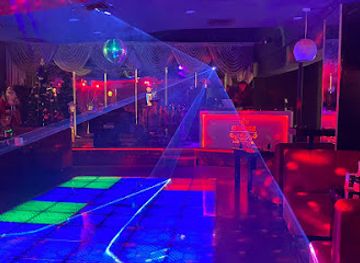
Shida Kartli is not primarily a late-night clubbing destination. Evening life is concentrated in Gori and, to a lesser extent, Khashuri, where cafés, wine bars, restaurants and traditional pubs provide places to meet after sightseeing. Gori has the region's broadest selection of casual venues, with some offering Georgian wine, beer, live music or televised sport, while smaller towns tend to become quiet earlier. In villages and vineyard districts, evenings are more likely to centre on a guesthouse meal, a family cellar or a supra than on a formal nightlife district. Wine tasting should be arranged with established producers, and drinking and driving is not appropriate on Georgia's rural roads. Seasonal cultural events and performances may add activity on particular dates, but schedules vary, so local noticeboards, guesthouses or tourism offices are more reliable than assuming a permanent programme.
-
Adult entertainment club
Night Life
Explore Tbilisi's vibrant nightlife at this premier adult entertainment club and disco, where unforgettable experiences await.
-
Night club
Night Office
Discover the vibrant nightlife of Tbilisi at Night Office, where music, dance, and culture collide in an unforgettable club experience.
-
Night club
Safe Night Club
Discover the heartbeat of Tbilisi's nightlife at Safe Night Club, where vibrant energy and unforgettable experiences await you.
-
Night club
LAYALI ASHBILIA CLUB
Discover the vibrant nightlife of Tbilisi at Layali Ashbilia Club, where music, dance, and unforgettable experiences await you.



Best shops in Shida Kartli
Shopping in Shida Kartli is strongest in Gori, Khashuri, Surami and the region's market towns rather than in specialist retail districts. Local markets sell fruit, vegetables, herbs, cheese, preserves, nuts and other Georgian staples, with selection changing according to the agricultural season. In and around Ateni, visitors may find locally made wine through established cellars or guesthouses; check labelling and transport arrangements before buying bottles to take home. Surami's bread is a practical edible souvenir when fresh, while churchkhela, dried fruit and honey are widely available across the region. Small shops in Gori offer Georgian snacks, wine and craft items, and occasional galleries or artisan outlets provide textiles, ceramics and religiously themed handicrafts. Rural roadside stalls can be informal and may accept cash only. Bargaining is not expected in ordinary shops, though market prices for several items may be discussed politely. Retail choice narrows considerably outside the main towns, so purchase specialist supplies before travelling into remote valleys.
-
Historical landmark
Uplistsikhe
Discover Uplistsikhe, an ancient rock-hewn town in Georgia, where history and breathtaking views converge in a mesmerizing experience.
-
Orthodox church
Ateni Sioni Church
Experience the serene beauty and rich heritage of Ateni Sioni Church, a stunning Orthodox gem nestled in the heart of Georgia.
-
Supermarket
Modinakhe Market
Explore local flavors and culture at Modinakhe Market in Sachkhere, a vibrant supermarket filled with Georgian culinary delights and handmade crafts.
-
Gift shop
Friday Night • პარასკევი ღამე
Explore the enchanting gift shop Friday Night in Tbilisi, offering unique aromatherapy, astrology supplies, and handmade treasures to enrich your travel experience.


Get your free copy of our complete guide to Shida Kartli, delivered straight to you.
Everything on this page, from attractions and restaurants to essentials and local phrases, in one PDF you can read offline, print or share.
Already have an account? Sign in
Your Shida Kartli guide is ready.
We'll send it to · Not you? Sign out

Getting your guide ready…
We are putting together a fresh copy of the Shida Kartli guide. This can take up to a minute.
This can take a few moments. If your browser asks, choose Allow so the download can start. You'll find the guide in your Downloads folder.
Nothing happened? Download it again
Sorry, the guide is taking longer than usual. Please try again in a minute, or get it by email instead.
Shida Kartli essentials
Currency and Payment
Safety
Emergency Situations
Do's and Don'ts
Local Tips
From Eve
Local phrases worth knowing
You don't need to get them perfect. A few words go a long way, and locals appreciate the effort.
Basics
| English | Local | Say it |
|---|---|---|
| Hello | Hello | [həˈloʊ] |
| Goodbye | Goodbye | [ɡʊdˈbaɪ] |
| Yes | Yes | [jɛs] |
| No | No | [noʊ] |
| Please/You're welcome | Please | [pliz] |
| Thank you | Thank you | [θæŋk ju] |
| Excuse me/Sorry | Excuse me | [ɪkˈskjuːz mi] |
| How are you? | How are you? | [haʊ ɑr ju] |
| Fine. And you? | Fine. And you? | [faɪn. ənd ju] |
| Do you speak English? | Do you speak English? | [du ju spiːk ˈɪŋɡlɪʃ] |
| I don't understand | I don't understand | [aɪ doʊnt ˌʌndərˈstænd] |
Eating & Drinking
| English | Local | Say it |
|---|---|---|
| I'd like to see the menu, please | I'd like to see the menu, please | [aɪd laɪk tu si ðə ˈmɛnju, pliz] |
| I don't eat meat | I don't eat meat | [aɪ doʊnt it miːt] |
| Cheers! | Cheers! | [tʃɪrz] |
| I would like to pay, please | I would like to pay, please | [aɪ wʊd laɪk tu peɪ, pliz] |
Emergencies
| English | Local | Say it |
|---|---|---|
| Help! | Help! | [hɛlp] |
| Go away! | Go away! | [ɡoʊ əˈweɪ] |
| Call the Police! | Call the Police! | [kɔl ðə pəˈliːs] |
| Call a doctor! | Call a doctor! | [kɔl ə ˈdɑktər] |
| I'm lost | I'm lost | [aɪm lɔst] |
| I'm ill | I'm ill | [aɪm ɪl] |
Shopping
| English | Local | Say it |
|---|---|---|
| I'd like to buy... | I'd like to buy... | [aɪd laɪk tu baɪ...] |
| I'm just looking | I'm just looking | [aɪm dʒʌst ˈlʊkɪŋ] |
| How much is it? | How much is it? | [haʊ mʌtʃ ɪz ɪt] |
| That's too expensive | That's too expensive | [ðæts tu ɪkˈspɛnsɪv] |
| Can you lower the price? | Can you lower the price? | [kæn ju ˈloʊər ðə praɪs] |
Time & Numbers
| English | Local | Say it |
|---|---|---|
| What time is it? | What time is it? | [wʌt taɪm ɪz ɪt] |
| It's one o'clock | It's one o'clock | [ɪts wʌn əˈklɑk] |
| Half past (10) | Half past (10) | [hæf pæst (10)] |
| Morning | Morning | [ˈmɔrnɪŋ] |
| Afternoon | Afternoon | [ˈæftərˌnun] |
| Evening | Evening | [ˈivnɪŋ] |
| Yesterday | Yesterday | [ˈjɛstərdeɪ] |
| Today | Today | [təˈdeɪ] |
| Tomorrow | Tomorrow | [təˈmɔroʊ] |
| 1 | 1 | [wʌn] |
| 2 | 2 | [tu] |
| 3 | 3 | [θri] |
| 4 | 4 | [fɔr] |
| 5 | 5 | [faɪv] |
| 6 | 6 | [sɪks] |
| 7 | 7 | [sɛvən] |
| 8 | 8 | [eɪt] |
| 9 | 9 | [naɪn] |
| 10 | 10 | [tɛn] |
Transport & Directions
| English | Local | Say it |
|---|---|---|
| Where's a/the...? | Where's a/the...? | [wɛrz ə/ðə...?] |
| What's the address? | What's the address? | [wʌts ðə əˈdrɛs] |
| Can you show me (on the map)? | Can you show me (on the map)? | [kæn ju ʃoʊ mi (ɑn ðə mæp)?] |
| When's the next (bus)? | When's the next (bus)? | [wɛn's ðə nɛkst (bʌs)?] |
| A ticket (to ....) | A ticket (to ....) | [ə ˈtɪkɪt (tu....)] |
History of Shida Kartli
Prehistoric and Early Kartlian Settlement
The valleys of Shida Kartli have supported settled communities since prehistoric times, helped by fertile soils, reliable river systems and routes across central Georgia. Archaeological evidence from sites in the region points to long traditions of farming, metalworking and fortified settlement. The area formed part of the wider historical land of Kartli, whose political and cultural development was central to the emergence of the early Georgian kingdoms. Its position between eastern and western routes brought both exchange and conflict, leaving the landscape marked by hill settlements, burial sites and later defensive structures.
Uplistsikhe and the Ancient Kingdoms of Kartli
Uplistsikhe developed as a major rock-cut settlement overlooking the Mtkvari corridor. Its carved halls, wine-making spaces, streets and religious areas reflect changing political and religious conditions over many centuries. Before and during the Christian era, the settlement served as an important centre in the kingdoms associated with ancient Kartli, often known in classical sources as Iberia. Its position connected agricultural districts with wider trade routes, and its survival in the rock provides unusually visible evidence of how urban life and sacred practices changed over time.
Christianisation and the Medieval Church
Christianity became established in Kartli during the fourth century, traditionally associated with Saint Nino's mission and the conversion of King Mirian III. Shida Kartli subsequently became an important ecclesiastical landscape, with churches, monasteries and bishoprics serving both spiritual and political purposes. Urbnisi was a significant early Christian centre, while later buildings such as Ateni Sioni and Samtavisi demonstrate the sophistication of medieval Georgian architecture. Their inscriptions, carved stonework and frescoes preserve evidence of patronage, religious learning and the development of distinctive Georgian artistic forms.
The Georgian Golden Age and Medieval Fortifications
Between the eleventh and thirteenth centuries, the consolidation of the Georgian kingdom encouraged the construction and refurbishment of churches, monasteries and fortified settlements across Kartli. Royal and aristocratic patrons supported religious foundations such as Kintsvisi and Rkoni, while strategic strongholds guarded the Mtkvari valley and routes over the Surami Pass. The period is remembered for political expansion and cultural achievement, but the region's buildings also reveal the need to protect communities and trade from repeated military threats along Georgia's central corridors.
Invasions, Fragmentation and the Kingdom of Kartli
From the late medieval period, Shida Kartli experienced the consequences of Mongol, Timurid, Ottoman and Persian campaigns, followed by the political fragmentation of Georgia. Towns and monasteries were damaged or rebuilt, and local noble families played an important role in maintaining estates, churches and fortifications. Gori's strategic position made it particularly significant during struggles for control of eastern Georgia. The region's surviving ruins and layered religious buildings reflect cycles of destruction, restoration and adaptation rather than a single uninterrupted medieval tradition.
Russian Rule and the Modern Transport Corridor
After the annexation of the eastern Georgian kingdom by the Russian Empire in the early nineteenth century, Shida Kartli was incorporated into new imperial administrative and economic systems. Roads and, later, railways strengthened Gori, Khashuri and the Surami route as links between Tbilisi and western Georgia. Agriculture, local trade and military movement remained important, while towns acquired new civic buildings and institutions. These changes connected the region more closely to imperial markets and helped establish the transport geography that still shapes travel through central Georgia.
Soviet Modernity, Stalin and the 2008 Conflict
The Soviet period brought industrial development, collectivised agriculture and major political change to Shida Kartli. Gori became internationally associated with Joseph Stalin, who was born there in 1878, and the town's museum preserves a carefully framed account of his life. In the post-Soviet era, tensions around South Ossetia culminated in the August 2008 war. The conflict and subsequent boundary arrangements continue to affect northern parts of the region, with restricted access, displaced communities and security considerations remaining part of Shida Kartli's contemporary reality.
Shida Kartli in Photos
Browse through our photo collection highlighting the charm and character of the destination.
Neighbouring regions of Shida Kartli
The closest regions to Shida Kartli, if you have time for more than one.
-

-

-

-

-


Swipe for more regions
Explore more

Explore more of Georgia
Discover Georgia: A vibrant mix of ancient history, stunning landscapes, and warm hospitality at the crossroads of Europe and Asia.
Explore Georgia