Staatliche Antikensammlungen Travel Guide
Free Guide: Explore ancient Greek, Roman, and Etruscan art at Munich's Staatliche Antikensammlungen, home to a rich collection of antiquities.


A brief summary of Staatliche Antikensammlungen
Explore ancient Greek, Roman, and Etruscan art at Munich's Staatliche Antikensammlungen, home to a rich collection of antiquities.
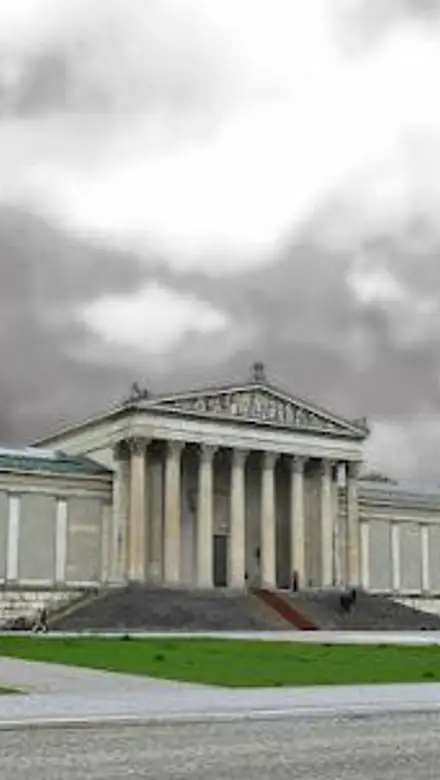
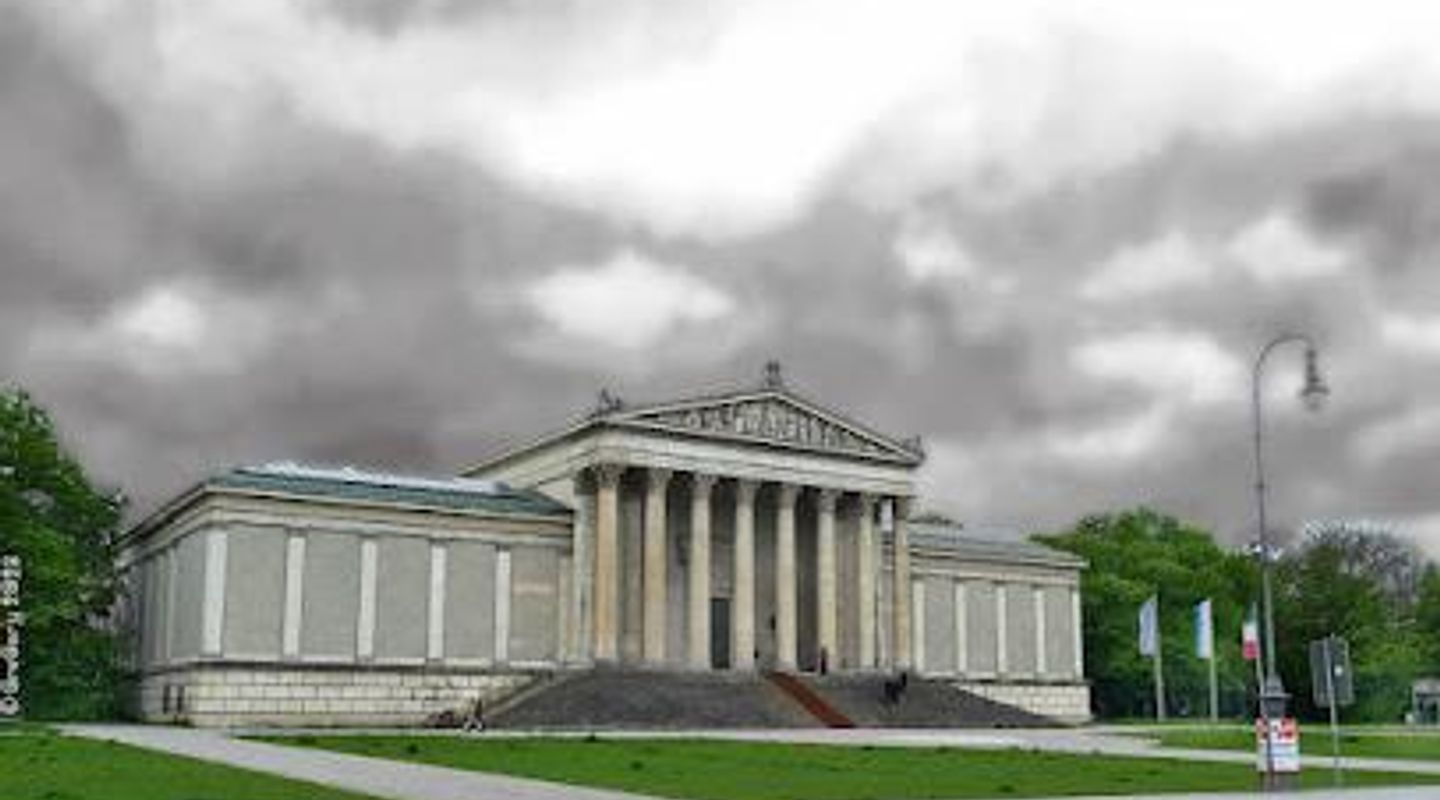
The Staatliche Antikensammlungen (State Collections of Antiquities) in Munich showcases Bavaria's impressive collection of antiquities from Greece, Etruria, and Rome. Located on Königsplatz, this museum offers a glimpse into ancient Mediterranean art and culture.
Opening hours
- MonClosed
- Tue10 am–5 pm
- Wed10 am–8 pm
- Thu10 am–5 pm
- Fri10 am–5 pm
- Sat10 am–5 pm
- Sun10 am–5 pm
Opening hours as listed on the venue’s Google Business Profile. Hours can change for services and special events, so check with the venue before you go.
- Address
- Königsplatz 1, 80333 München
- Phone
- Website
Getting there
Public Transport
Walking
Taxi
Discover more about Staatliche Antikensammlungen
Overview
The Staatliche Antikensammlungen, or State Collections of Antiquities, stands as a testament to Bavaria's enduring fascination with the ancient world. Housed in a neoclassical building on Königsplatz, the museum displays a rich collection of artifacts from Greece, Etruria, and Rome. The museum's history dates back to the Wittelsbach dynasty, particularly King Ludwig I, who passionately collected Greek and Roman art. His vision was to create a collection of exceptional quality that could stand apart from the larger museums in Rome, Paris, and London. The building itself, completed in 1848, was designed by Georg Friedrich Ziebland as a counterpart to the Glyptothek, mirroring its classical architectural style.Though severely damaged during World War II, the museum was meticulously restored and reopened in 1967. Today, the Staatliche Antikensammlungen invites visitors to explore a diverse range of ancient art, including Greek vases, Etruscan gold jewelry, and small sculptures in bronze and terracotta. Masterpieces such as the Dionysus cup by Exekias and the Belly Amphora by the Andokides Painter highlight the collection's significance. The museum also features glassware and other examples of ancient craftsmanship.The collection is based on the Wittelsbach antique collections, especially King Ludwig I's collection of vases. In 1831, his agent Martin von Wagner acquired pottery from the archeological excavation in Vulci, and his agent Friedrich Thiersch purchased antiques from the estate of Lucien Bonaparte. The king also acquired antique gold jewellery from the collection of Caroline Murat, Etruscan bronzes excavated in Perugia and Greek terracotta work from South Italy. Donations from Paul Arndt, James Loeb, and Hans von Schoen further enriched the museum's holdings.
Evendo Review Centre
 Google
Guest reviews
Explore Staatliche Antikensammlungen on the map
A handpicked selection of must-see spots near Staatliche Antikensammlungen, mapped for you.
Get your free copy of our complete guide to Staatliche Antikensammlungen, delivered straight to you.
Everything on this page, from opening hours and how to get there to Eve’s tips and the best time to go, in one PDF you can read offline, print or share.
Already have an account? Sign in
Your Staatliche Antikensammlungen guide is ready.
We'll send it to · Not you? Sign out

Getting your guide ready…
We are putting together a fresh copy of the Staatliche Antikensammlungen guide. This can take up to a minute.
This can take a few moments. If your browser asks, choose Allow so the download can start. You'll find the guide in your Downloads folder.
Nothing happened? Download it again
Sorry, the guide is taking longer than usual. Please try again in a minute, or get it by email instead.
Unlock the best of Staatliche Antikensammlungen
Skip-the-line tickets, guided tours with entry, and walking tours of the area, booked in a few clicks.

Other nearby places you may find interesting
The closest places of the same kind, if this one is not quite what you had in mind.
-
-
-
-
-


Swipe for more places
More to explore near Staatliche Antikensammlungen
-
 Best experiences near Staatliche Antikensammlungen
-
 Best hotels near Staatliche Antikensammlungen
-
 Best landmarks near Staatliche Antikensammlungen
-
 Best attractions near Staatliche Antikensammlungen
-
 Best shops near Staatliche Antikensammlungen
-
 Best restaurants near Staatliche Antikensammlungen
-
 Best bars near Staatliche Antikensammlungen


Do you manage this location?
Take control to get all the benefits, like improved information, better appearance, and stronger visibility across AI-powered discovery.
Explore more

Explore more of Bavaria
Discover Bavaria: A magical region in Germany with fairy-tale castles, medieval towns, and breathtaking alpine landscapes.
Explore Bavaria
Explore more of Germany
Experience Germany: where history meets innovation, and urban energy blends with natural beauty. Discover diverse cultures, delicious cuisine, and stunning landscapes.
Explore Germany