Kino International, Berlin Travel Guide
Experience Berlin's cinematic history at Kino International, a landmark theater on Karl-Marx-Allee, showcasing modernist architecture and a rich cultural legacy.
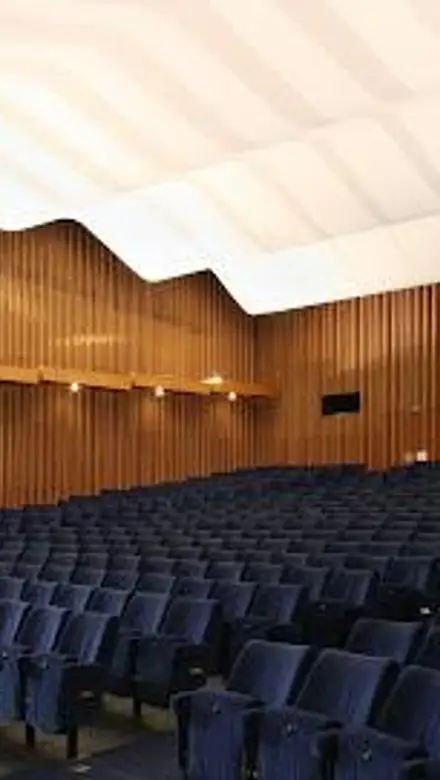
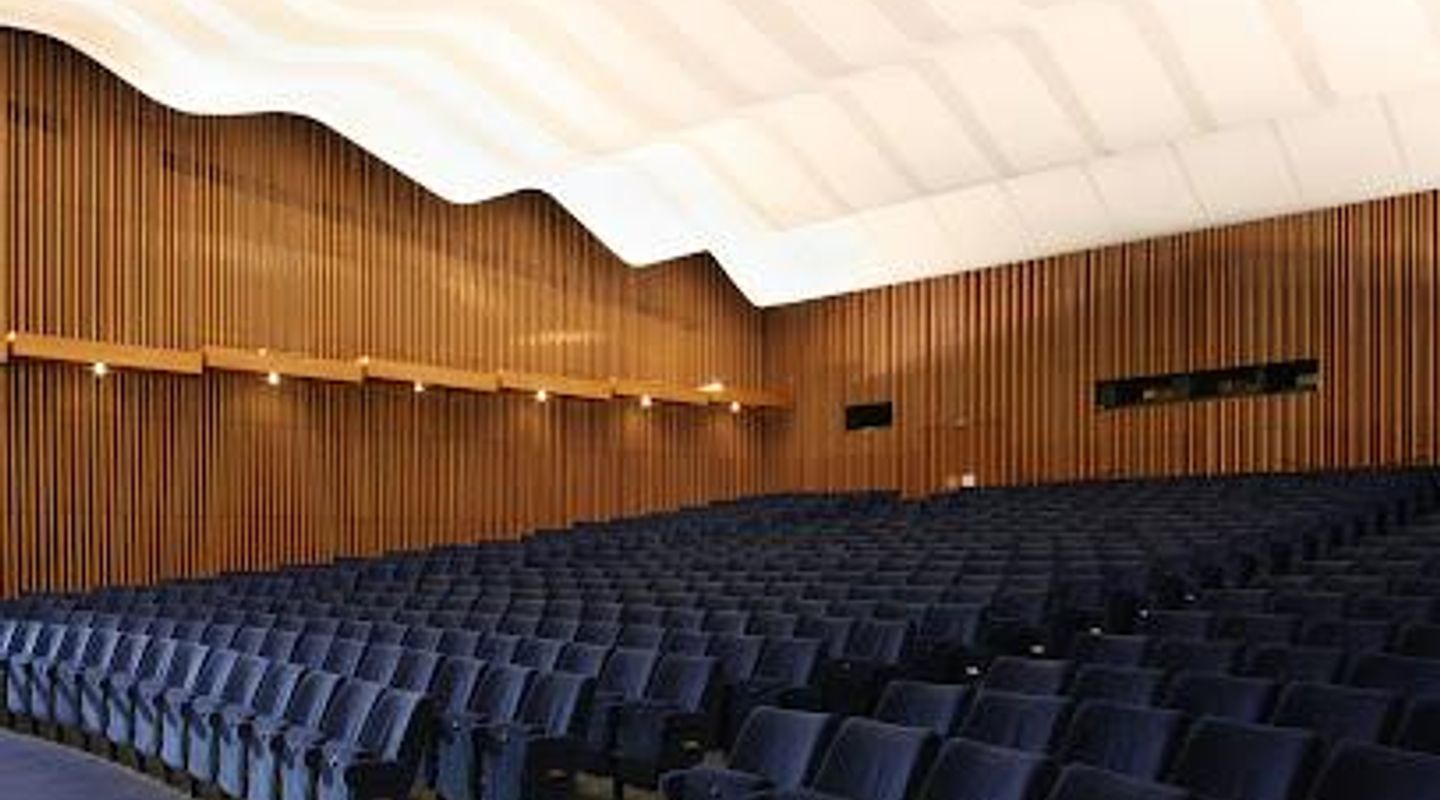
Kino International, located on Karl-Marx-Allee in Berlin, is a historic film theater built between 1961 and 1963. Once East Berlin's premier cinema, it hosted DEFA film premieres and now serves as a venue for the Berlin International Film Festival (Berlinale). Its striking architecture and rich history make it a must-see for film and architecture enthusiasts.
A brief summary to Kino International
- Karl-Marx-Allee 33, Berlin, Mitte, 10178, DE
- Click to display
- Click to display

Know before you go
Hi, I'm Eve. Here are a few practical things to know before exploring Kino International.
- Check the Yorck Kinogruppe website for updates on the renovation and reopening date.
- Explore the Karl-Marx-Allee's architecture, including Café Moskau and Mokka-Milch-Eisbar, designed by Josef Kaiser.
- Visit the U-Bahn station Schillingstraße (U5 line) to easily access Kino International.
Do you manage this location?
Take control to get all the benefits, like improved information, better appearance, and stronger visibility across AI-powered discovery. Learn more about listing your business on Evendo
Activate your presenceOther nearby places you may find interesting
The closest places of the same kind, if this one is not quite what you had in mind.
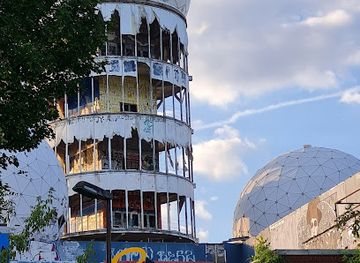
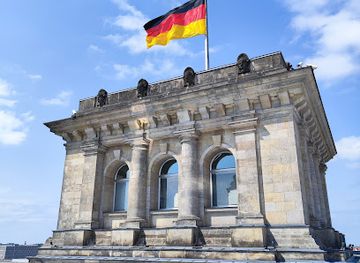
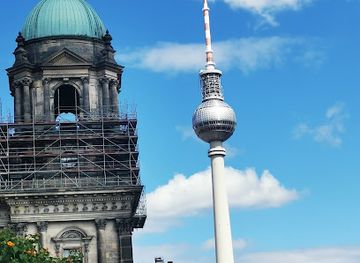
Explore Kino International on the Map
A handpicked selection of must-see spots near Kino International, mapped for you.
Getting There
-
Public Transport
From Alexanderplatz, take the U5 U-Bahn line to Schillingstraße station. The cinema is a short walk from the station. A single ticket costs around €3.
-
Taxi
Taxis are readily available throughout Berlin. A taxi ride from Alexanderplatz to Kino International typically takes 5-10 minutes, depending on traffic. The estimated fare is around €15.
-
Walking
Kino International is approximately a 20-minute walk from Alexanderplatz, heading east along Karl-Marx-Allee. Enjoy the sights of this historic boulevard as you approach the cinema.
Discover more about Kino International













Your all‑in‑one travel companion app
Explore expert travel guides, compare and book tours, experiences, hotels, and more—all from the palm of your hand. Download now for seamless trip planning wherever your wanderlust takes you.


Explore More of Berlin
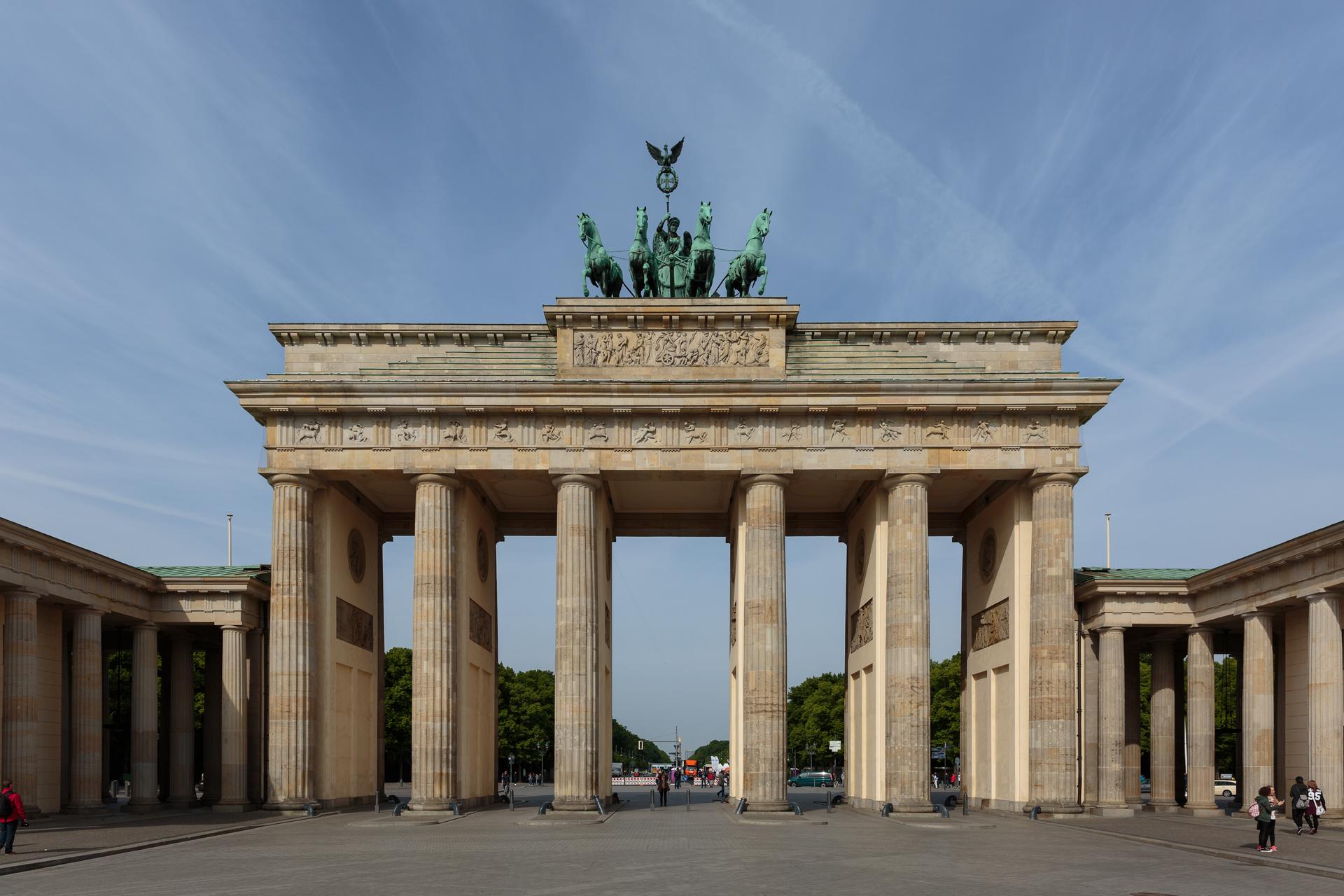
Looking beyond Kino International? Discover Berlin for broader travel guides, local hot-spots, and regional highlights.
Explore Berlin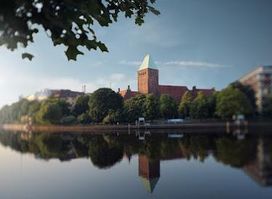
Explore Berlin's rich history and culture at the Märkisches Museum, a landmark undergoing renovation to become a premier museum quarter.

Explore Berlin's Haus des Lehrers: A historical landmark featuring the iconic 'Unser Leben' mural, showcasing life in the former GDR.