

Luther Monument, Berlin Travel Guide
Free Guide: A powerful bronze statue in Berlin's Mitte district, commemorating Martin Luther and the Reformation's enduring legacy of faith, courage, and religious freedom.


A brief summary of Luther Monument
A powerful bronze statue in Berlin's Mitte district, commemorating Martin Luther and the Reformation's enduring legacy of faith, courage, and religious freedom.
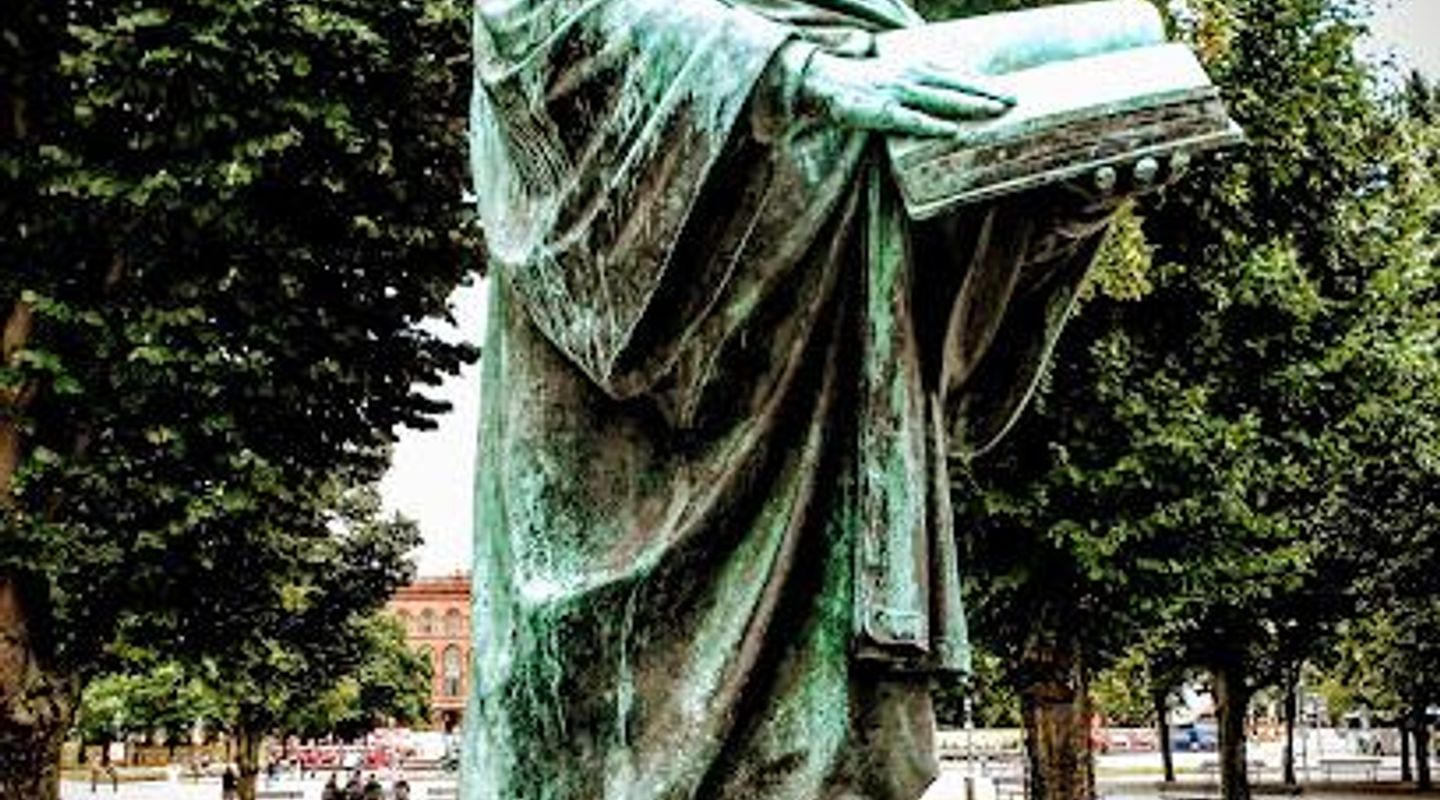
The Luther Monument in Berlin, a bronze statue of Martin Luther, stands as a powerful reminder of the Reformation and its impact on both religion and society. Located in the historic Mitte district, near the iconic Marienkirche, the monument portrays Luther in his monk's habit, holding an open Bible, symbolizing his dedication to scripture and his challenge to established religious norms. Erected in the late 19th century, the monument has witnessed significant historical events, serving as a symbol of faith, courage, and the pursuit of religious freedom. Its presence in Berlin underscores the city's connection to the Reformation and its enduring legacy.
Opening hours
- Every dayOpen 24 hours
Opening hours as listed on the venue’s Google Business Profile. Hours can change for services and special events, so check with the venue before you go.
- Address
- Karl-Liebknecht-Str. 8, 10178 Berlin
- Website
Getting there
Public Transport
Walking
Taxi/Ride-Share
Discover more about Luther Monument
Overview
The Luther Monument in Berlin is a compelling testament to the life, work, and enduring influence of Martin Luther, the pivotal figure of the Protestant Reformation. Situated in the heart of Berlin's Mitte district, near the historic Marienkirche, this bronze statue serves as a powerful symbol of religious reform, individual conscience, and the pursuit of freedom of belief. The monument depicts Luther in his characteristic monk's attire, clutching an open Bible, a visual representation of his unwavering commitment to scripture as the ultimate authority. His determined expression and resolute stance convey the courage and conviction that defined his challenge to the established religious order of the 16th century. The history of the Luther Monument dates back to the late 19th century, a period when Germany was grappling with its national identity and seeking to commemorate its historical figures. The concept of erecting a statue of Luther in Berlin emerged around four centuries after his death, reflecting a growing appreciation for his contributions to both religious and civic freedoms. Sculptor Friedrich Drake was commissioned to create the artwork, which was unveiled on September 14, 1884, quickly becoming one of Berlin's most recognizable landmarks. Originally, the statue was the centerpiece of a larger monument, featuring other key figures of the Reformation. These included Philipp Melanchthon, Johannes Bugenhagen, Georg Spalatin, Caspar Cruciger, Johannes Reuchlin, and Justus Jonas, all depicted in engaged conversation, representing the collaborative nature of the reform movement. The monument also included sculptures of Ulrich von Hutten and Franz von Sickingen. The entire ensemble was set upon a raised plateau, accessible by ten steps, creating a space for reflection and contemplation. During World War II, the larger monument suffered significant damage, and the accompanying figures were destroyed in 1945. However, the central statue of Luther was salvaged and later restored. Today, it stands as a solitary figure, its presence all the more poignant for the loss of its original context. The Luther Monument's location is particularly significant. Marienkirchplatz, where it stands, is a historic site with deep religious roots. The Marienkirche, one of Berlin's oldest churches, has witnessed centuries of religious and political change. The proximity of the monument to the church creates a powerful dialogue between tradition and reform, reminding visitors of the ongoing interplay between faith and society. Visiting the Luther Monument offers a chance to reflect on the complex legacy of the Reformation. Luther's challenge to papal authority and his emphasis on individual interpretation of the Bible had far-reaching consequences, shaping the course of Western history and contributing to the development of modern concepts of religious freedom and individual rights. The monument serves as a reminder of the importance of critical thinking, the courage to stand up for one's beliefs, and the ongoing struggle for a more just and equitable world. Beyond its historical and religious significance, the Luther Monument is also a work of art. The bronze sculpture captures Luther's personality and spirit, conveying a sense of strength, determination, and intellectual rigor. The monument's design reflects the artistic conventions of the late 19th century, a period characterized by a renewed interest in historical subjects and a desire to create public art that would inspire and uplift the citizenry. The area surrounding the Luther Monument is rich in historical and cultural attractions. Museum Island, a UNESCO World Heritage site, is just a short walk away, offering a wealth of artistic and archaeological treasures. The Berlin Cathedral, another iconic landmark, is also nearby, showcasing the city's architectural grandeur and religious diversity. Visitors can easily combine a visit to the Luther Monument with exploration of these other significant sites, gaining a deeper understanding of Berlin's multifaceted history and culture. The Luther Monument continues to serve as a focal point for reflection on the Reformation, religious freedom, and the enduring power of individual conviction. Its presence in Berlin is a testament to the city's commitment to preserving its historical heritage and fostering a spirit of open dialogue and critical inquiry.
Evendo Review Centre
 Google
Guest reviews
Explore Luther Monument on the map
A handpicked selection of must-see spots near Luther Monument, mapped for you.
Get your free copy of our complete guide to Luther Monument, delivered straight to you.
Everything on this page, from opening hours and how to get there to Eve’s tips and the best time to go, in one PDF you can read offline, print or share.
Already have an account? Sign in
Your Luther Monument guide is ready.
We'll send it to · Not you? Sign out

Getting your guide ready…
We are putting together a fresh copy of the Luther Monument guide. This can take up to a minute.
This can take a few moments. If your browser asks, choose Allow so the download can start. You'll find the guide in your Downloads folder.
Nothing happened? Download it again
Sorry, the guide is taking longer than usual. Please try again in a minute, or get it by email instead.
Unlock the best of Luther Monument
Skip-the-line tickets, guided tours with entry, and walking tours of the area, booked in a few clicks.


Other nearby places you may find interesting
The closest places of the same kind, if this one is not quite what you had in mind.
-
-
-
-
-


Swipe for more places
More to explore near Luther Monument

 Best experiences near Luther Monument
 Best hotels near Luther Monument
 Best landmarks near Luther Monument
 Best attractions near Luther Monument
 Best shops near Luther Monument
 Best restaurants near Luther Monument
 Best bars near Luther Monument
Do you manage this location?
Take control to get all the benefits, like improved information, better appearance, and stronger visibility across AI-powered discovery.
Explore more

Explore more of Berlin
Berlin: A fascinating blend of history, culture, and modernity, offering everything from historic landmarks to vibrant nightlife and culinary delights.
Explore Berlin
Explore more of Germany
Experience Germany: where history meets innovation, and urban energy blends with natural beauty. Discover diverse cultures, delicious cuisine, and stunning landscapes.
Explore Germany
