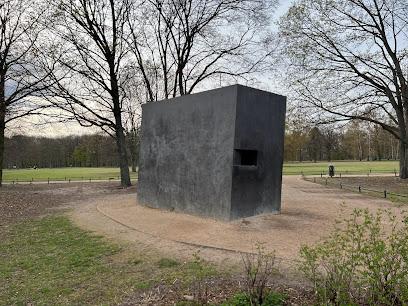
Memorial to Homosexuals Persecuted Under Nazism
A poignant memorial in Berlin honoring homosexuals persecuted under Nazism, promoting tolerance and remembrance through its thought-provoking design and historical significance.
Located in the heart of Berlin, the Memorial to Homosexuals Persecuted Under Nazism stands as a poignant reminder of the atrocities committed against LGBTQ+ individuals during the Nazi regime. Opened in 2008, this memorial features a concrete cube with a window displaying a video loop of same-sex couples, symbolizing love and acceptance in defiance of past hatred. It serves as a place for reflection and remembrance, urging visitors to confront the history of persecution and promoting tolerance. Situated near other significant landmarks like the Brandenburg Gate and the Memorial to the Murdered Jews of Europe, it provides a crucial perspective on the diverse experiences of victims under Nazi rule. The memorial is open 24/7 and offers a space for quiet contemplation and education, encouraging a deeper understanding of LGBTQ+ history and the ongoing fight for equality.
A brief summary to Memorial to Homosexuals Persecuted Under Nazism
- Ebertstraße, Berlin, Mitte, 10785, DE
- +49302639430
- Visit website
Local tips
- Visit at night for a different perspective; the memorial is illuminated, creating a more intimate and reflective atmosphere.
- Combine your visit with a trip to the nearby Memorial to the Murdered Jews of Europe to understand the broader context of Nazi persecution.
- Take a moment to read the informational plaque next to the memorial to learn about the history of homosexual persecution under the Nazi regime.
- Check online resources for guided tours focusing on LGBTQ+ history in Berlin, which often include a visit to this memorial.
- Be mindful and respectful during your visit, as this is a place of remembrance and reflection for a community that suffered greatly.

Getting There
-
Public Transport
From Berlin Central Station (Hauptbahnhof), take the bus number 200 towards Zoologischer Garten. Get off at the Brandenburger Tor stop. From there, walk north on Ebertstraße for about 5 minutes. The Memorial will be on your left. A single ticket for zones AB costs €3.80.
-
Public Transport
If you are near Potsdamer Platz U-Bahn station, take the U2 line towards Ruhleben and disembark at the Bundestag station. Exit the station and walk north along Ebertstraße for approximately 10 minutes. The Memorial to Homosexuals Persecuted Under Nazism will be on your right. A single ticket for zones AB costs €3.80.
-
Walking
From the Brandenburg Gate, walk south on Ebertstraße for approximately 5 minutes. The Memorial will be on your right, across from the Memorial to the Murdered Jews of Europe. The walk is direct and easily accessible.
-
Taxi/Ride-Share
A taxi or ride-share from Berlin Central Station (Hauptbahnhof) to the Memorial will take approximately 10-15 minutes, depending on traffic. Expect to pay around €12-€18. Ask the driver to take you to Ebertstraße near the Brandenburg Gate.
Discover more about Memorial to Homosexuals Persecuted Under Nazism
Iconic landmarks you can’t miss

Memorial to Homosexuals Persecuted Under Nazism
0.0 km
Discover the poignant Memorial to Homosexuals Persecuted Under Nazism in Berlin, a powerful tribute to resilience and remembrance of the LGBTQ+ community.
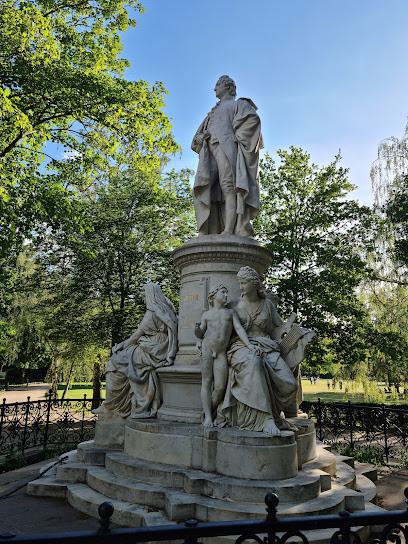
Goethe Monument
0.1 km
Discover the Goethe Monument in Berlin, a stunning tribute to Germany's literary genius amidst the city's vibrant cultural landscape.
Tourist Information at Brandenburg Gate
0.3 km
Your gateway to Berlin's history and culture, located at the iconic Brandenburg Gate, offering expert travel advice, tickets, and souvenirs for an unforgettable experience.
Pariser Platz
0.4 km
Discover Pariser Platz, a vibrant square in Berlin showcasing history, culture, and stunning architecture, anchored by the iconic Brandenburg Gate.
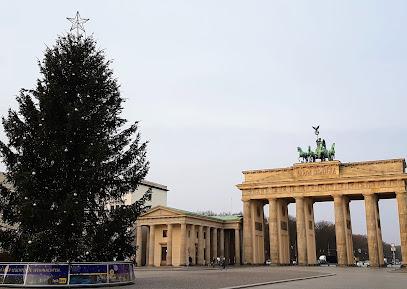
Beethoven-Haydn-Mozart Memorial
0.4 km
Explore Berlin's Beethoven-Haydn-Mozart Memorial, a stunning monument celebrating the legacy of classical music's greatest composers.
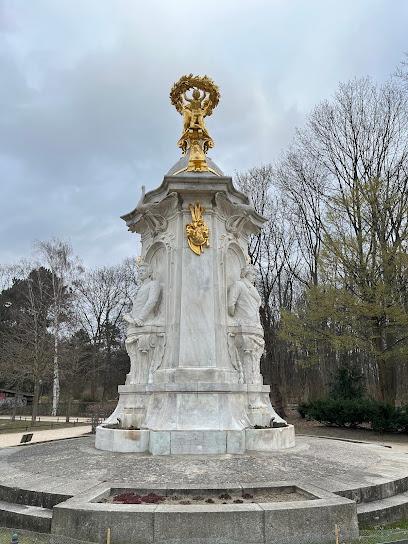
British Embassy Berlin
0.4 km
Explore the British Embassy in Berlin, a stunning architectural landmark symbolizing UK-Germany relations in the heart of the capital.
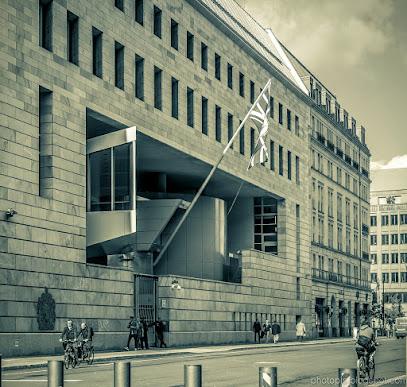
Leipziger Pl.
0.4 km
Experience the blend of modernity and history at Leipziger Platz, Berlin's vibrant urban hub filled with shops, dining, and cultural events.
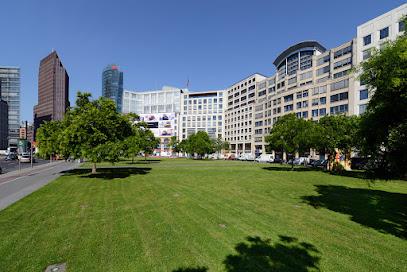
Memorial to Europe's Sinti and Roma Murdered Under Nazism
0.4 km
Explore the Memorial to Europe's Sinti and Roma in Berlin, a poignant reminder of resilience against the atrocities of the past.
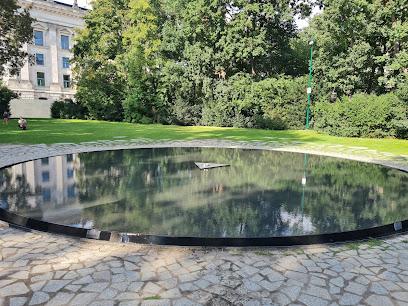
Johann Georg Elser Memorial
0.5 km
Explore the Johann Georg Elser Memorial in Berlin, a powerful tribute to resistance and courage against tyranny and oppression in history.
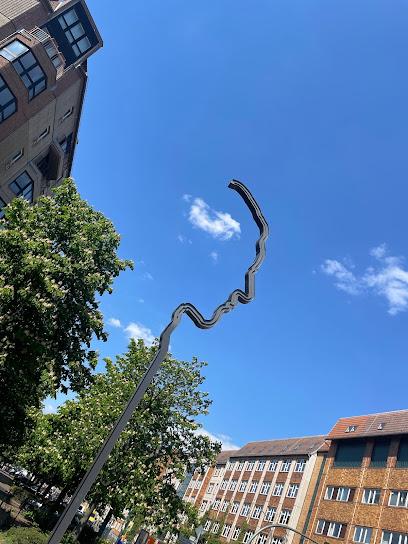
Potsdamer Str. 4
0.5 km
Discover the architectural beauty of Potsdamer Str. 4, a symbol of Berlin's rich history and modern design in the heart of the city.
Gedenk- und Informationsort für die Opfer der nationalsozialistischen »Euthanasie«-Morde
0.5 km
Explore the profound Gedenk- und Informationsort für die Opfer der nationalsozialistischen 'Euthanasie'-Morde and reflect on a pivotal chapter of human history.
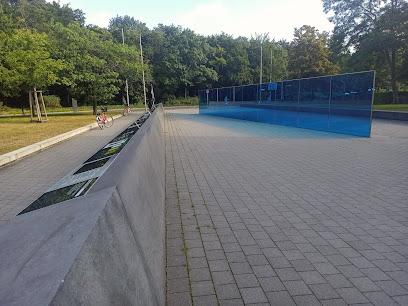
Memorial to the Murdered Members of the Reichstag
0.5 km
Explore the Memorial to the Murdered Members of the Reichstag in Berlin, a powerful tribute to democracy and the sacrifices made in its defense.
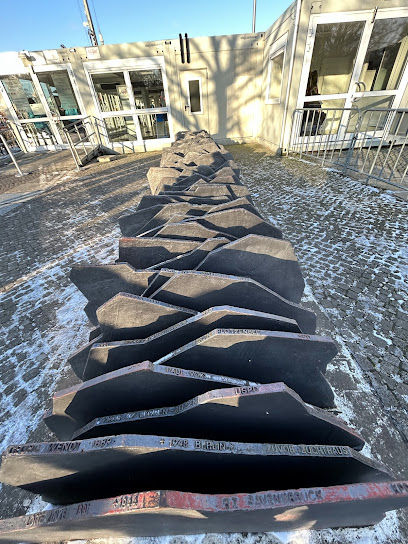
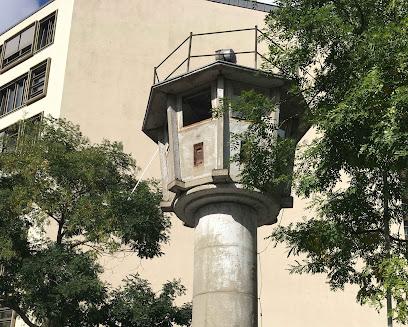
DDR Watch Tower
0.6 km
Explore the DDR Watch Tower in Berlin, a significant historical landmark that embodies the city's Cold War legacy and the struggles of division.
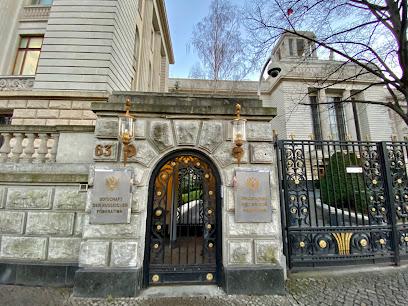
Embassy of Russia in Berlin
0.6 km
Explore the architectural beauty and historical significance of the Russian Embassy in Berlin, a key diplomatic landmark on Unter den Linden.
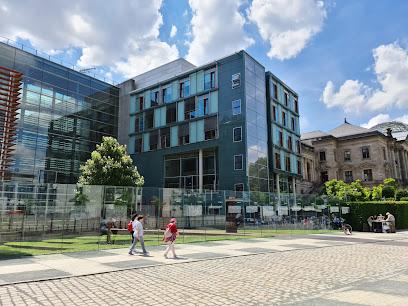
Jakob-Kaiser-Haus
0.6 km
Discover the Jakob-Kaiser-Haus: A federal government office in Berlin representing Germany's rich political heritage and architecture.
Unmissable attractions to see

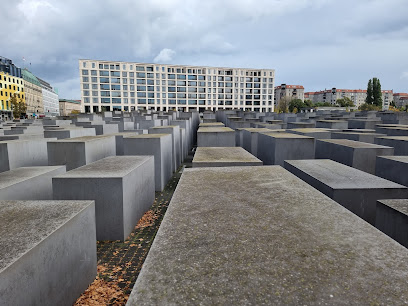
Memorial to the Murdered Jews of Europe
0.2 km
A powerful and moving Holocaust memorial in Berlin, inviting reflection on the past and serving as a constant reminder of the atrocities of the Nazi regime.
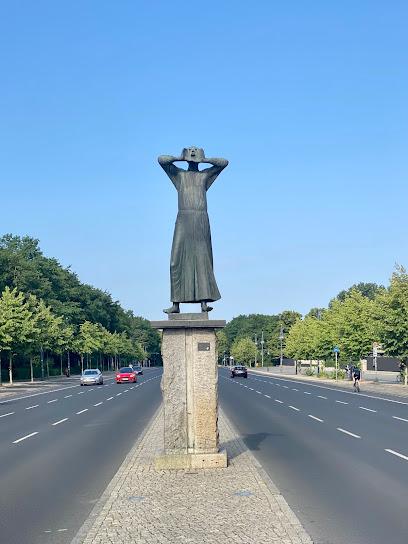
Der Rufer
0.3 km
Explore the profound artistic significance of Der Rufer, a remarkable sculpture in Berlin that reflects the city's rich history and cultural resilience.
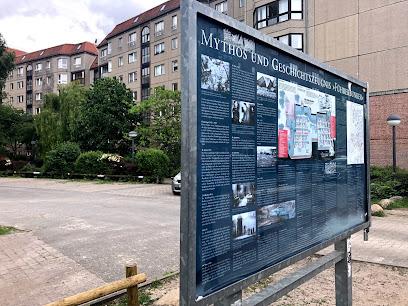
Historical location of the "Führerbunker"
0.3 km
Discover the haunting history of the Führerbunker in Berlin, a crucial site of World War II, and learn about its impact on modern Germany.
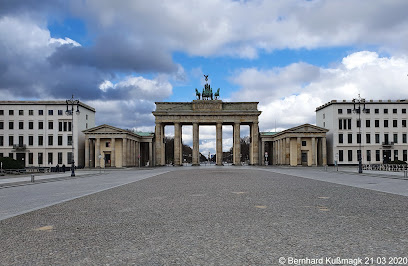
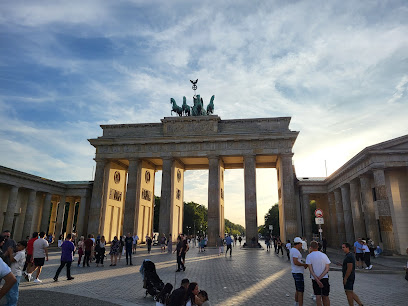
Brandenburg Gate
0.4 km
Explore the historic Brandenburg Gate, a neoclassical masterpiece in Berlin symbolizing peace and unity, surrounded by vibrant culture and history.
Das Center am Potsdamer Platz
0.4 km
Discover the lively atmosphere of Das Center am Potsdamer Platz, a premier destination for dining, shopping, and entertainment in the heart of Berlin.
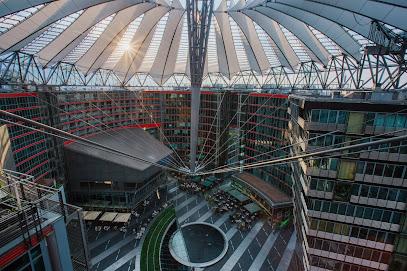
Potsdamer Platz
0.4 km
Discover the vibrant energy of Potsdamer Platz, a cultural and entertainment hub in the heart of Berlin, rich in history and modern attractions.
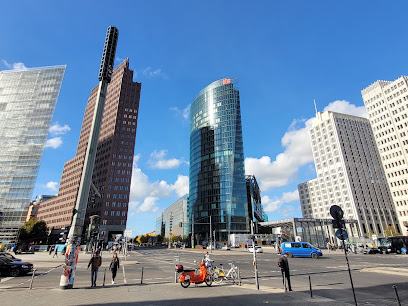
Boulevard der Stars
0.5 km
Explore the Boulevard der Stars in Berlin, where cinematic legends come to life through iconic brass stars and stunning urban scenery.
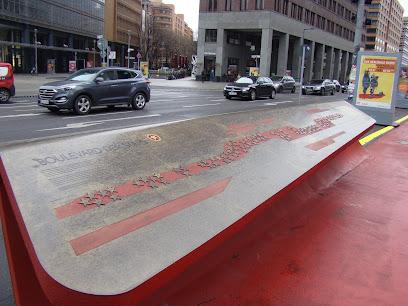
Panoramapunkt Berlin
0.5 km
Discover breathtaking views and rich history at Panoramapunkt, Berlin's iconic observation deck at Potsdamer Platz.
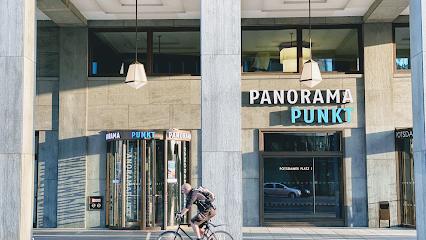
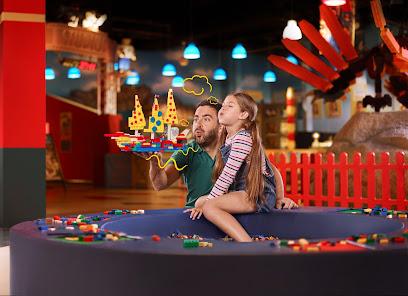
LEGOLAND Discovery Centre Berlin
0.5 km
Experience the wonder of creativity and play at LEGOLAND Discovery Centre Berlin, an indoor playground perfect for families and LEGO fans.
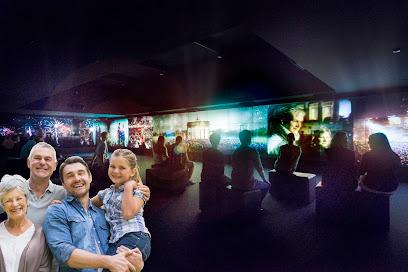
Brandenburg Gate Museum
0.5 km
Discover the rich history and cultural significance of Berlin at the Brandenburg Gate Museum, a must-visit tourist attraction near the iconic Brandenburg Gate.
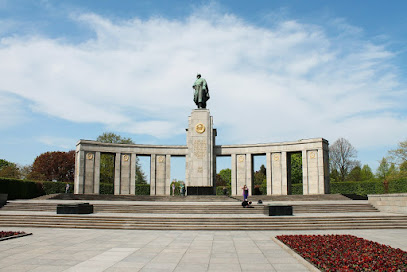
Soviet War Memorial Tiergarten
0.5 km
Explore the Soviet War Memorial Tiergarten in Berlin, a poignant reminder of heroism and sacrifice amidst tranquil beauty.
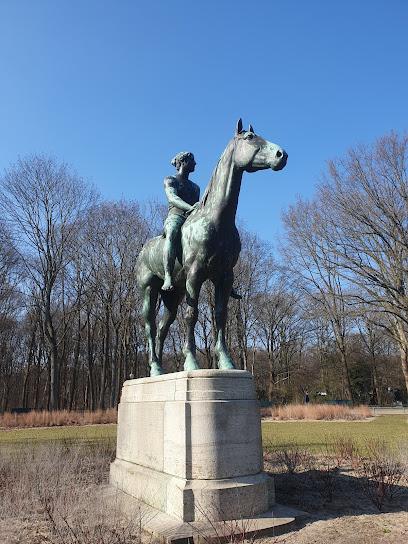
Amazone zu Pferde
0.5 km
Explore 'Amazone zu Pferde' in Berlin, a captivating sculpture that embodies the strength and grace of mythological warriors amidst the city's vibrant culture.
German Spy Museum
0.5 km
Discover the thrilling world of espionage at the German Spy Museum in Berlin, where history meets technology in a captivating journey through secrets and spies.
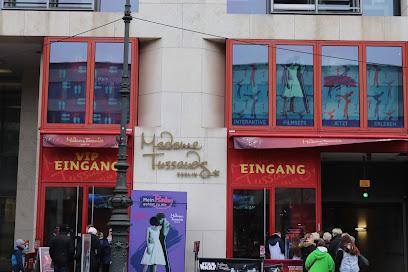
Madame Tussauds Berlin
0.5 km
Discover the magic of celebrity culture at Madame Tussauds Berlin, where history meets stardom in a stunning wax museum experience.
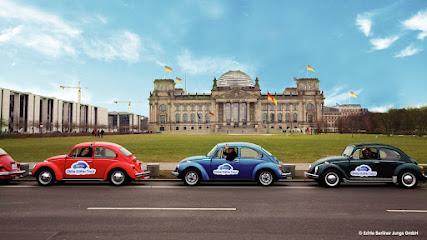
Oldie Käfer Tour Berlin
0.6 km
Discover Berlin's rich history and vibrant culture in vintage Volkswagen Beetles with Oldie Käfer Tours, offering a unique sightseeing experience.
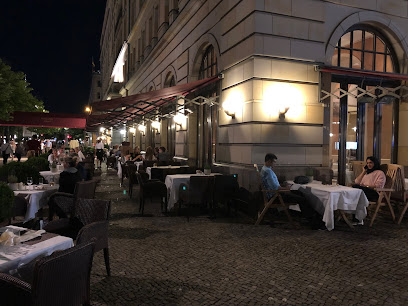
Essential places to dine

Lorenz Adlon Esszimmer
0.4 km
Experience unparalleled fine dining at Lorenz Adlon Esszimmer in Berlin – where modern European cuisine meets historic elegance.
Restaurant Facil
0.5 km
Experience culinary artistry at Restaurant Facil in Berlin – where exquisite flavors meet modern elegance in fine dining.
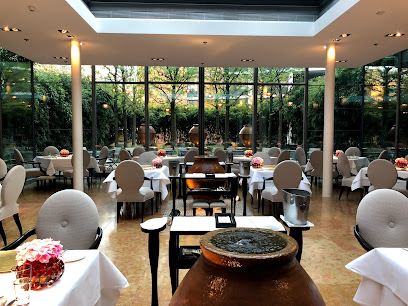
Bocca di Bacco
0.9 km
Experience authentic Italian cuisine at Bocca di Bacco in Berlin – where tradition meets elegance in every dish.
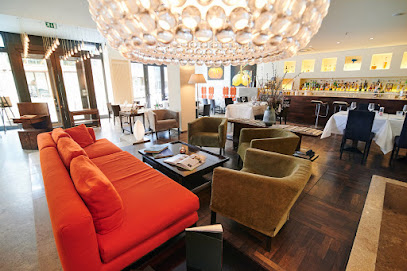
Nante-Eck
0.9 km
Experience authentic German cuisine at Nante-Eck in Berlin’s Mitte district—where tradition meets taste in a cozy atmosphere.
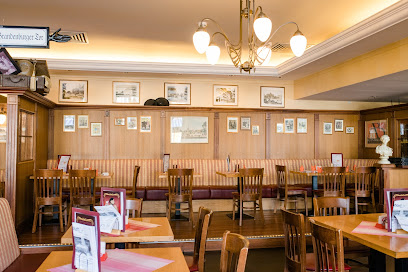
Restaurant Maximilians Berlin
0.9 km
Experience authentic Bavarian cuisine at Restaurant Maximilians in Berlin's Mitte district—where every meal is a celebration of flavor.
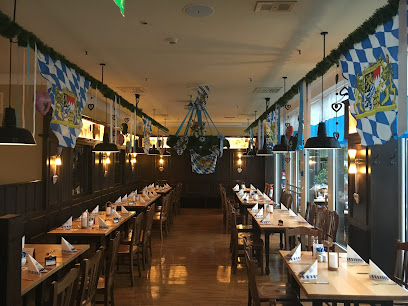
Charlotte & Fritz
1.0 km
Experience the pinnacle of fine dining at Charlotte & Fritz, where exquisite flavors meet elegant ambiance in Berlin's Mitte district.
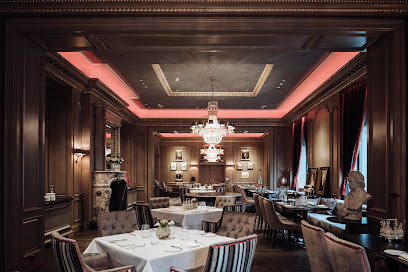
Johnny's Bar - Karibisches Restaurant
1.0 km
Experience authentic Caribbean flavors at Johnny's Bar in Berlin - where every dish tells a story and every sip transports you to paradise.
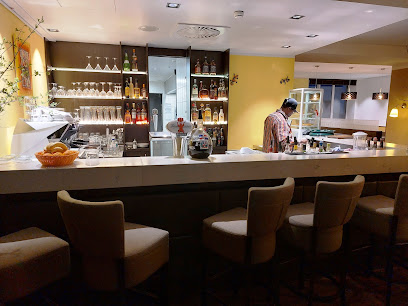
GOLVET
1.0 km
Experience unparalleled fine dining at GOLVET, where modern European cuisine meets breathtaking views in the heart of Berlin.
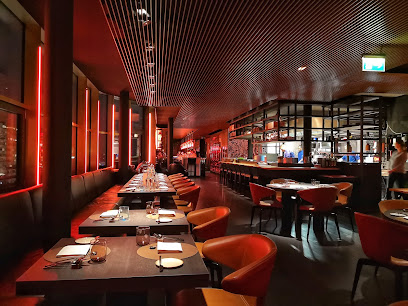
Berliner Republik
1.1 km
Discover Berliner Republik: A Culinary Haven in Berlin's Mitte District Offering Authentic German Cuisine and Lively Atmosphere.
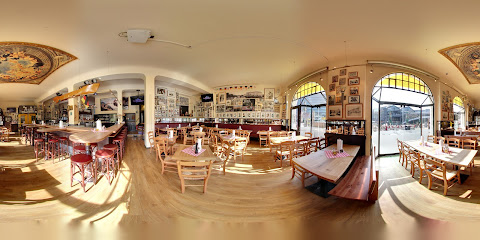
Restaurant Tim Raue
1.3 km
Experience culinary mastery at Restaurant Tim Raue - where Asian flavors meet innovative fine dining in Berlin's vibrant heart.
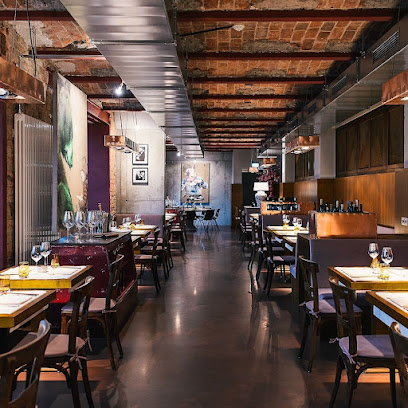
Nobelhart & Schmutzig
1.3 km
Experience exquisite fine dining at Nobelhart & Schmutzig in Berlin - where traditional German cuisine meets innovative culinary artistry.
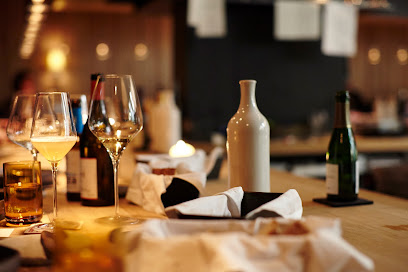
Grill Royal
1.4 km
Experience exceptional steaks and vibrant ambiance at Grill Royal in Berlin’s Mitte district.
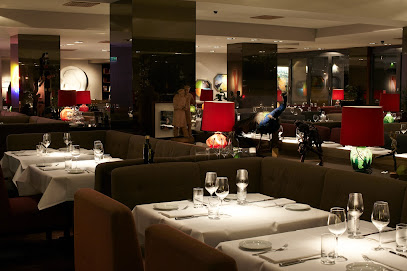
Boulevard Friedrichstrasse
1.4 km
Experience authentic German cuisine at Boulevard Friedrichstrasse, where tradition meets taste in the heart of Berlin.
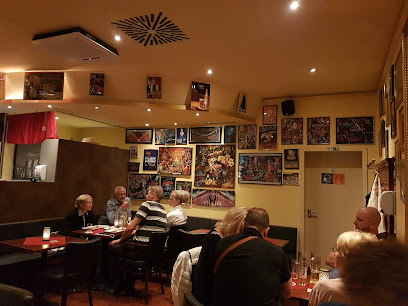
BLESS Restaurant
1.4 km
Experience the vibrant fusion of Vietnamese and Asian cuisine at BLESS Restaurant in Berlin's Mitte district.
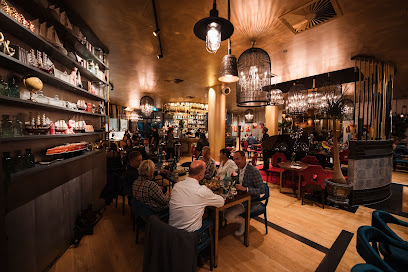
Restaurant FOREIGN AFFAIRS
1.5 km
Discover authentic Austrian cuisine in Berlin's Mitte district at Restaurant FOREIGN AFFAIRS – where tradition meets taste.
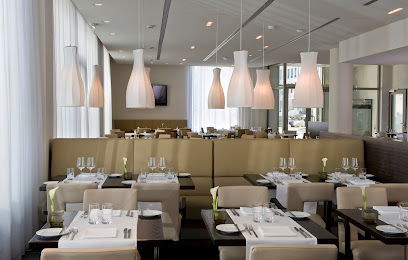
Markets, malls and hidden boutiques

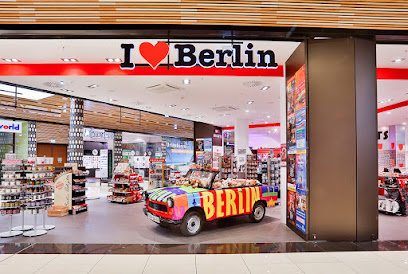
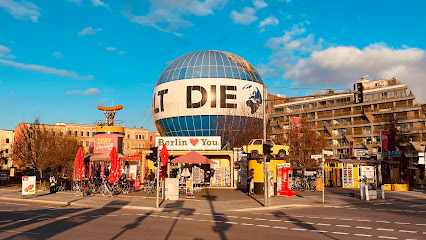
I love Berlin
0.4 km
Explore 'I Love Berlin' for unique souvenirs and gifts that embody the vibrant culture and spirit of Berlin, located in the heart of the city.
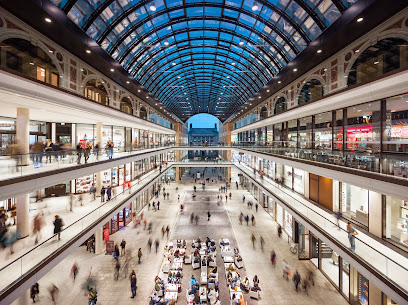
Mall of Berlin
0.5 km
Explore the Mall of Berlin: A shopping haven in the heart of the city with endless retail, dining, and entertainment options.
The Playce
0.7 km
Experience shopping bliss at The Playce in Berlin, where high-quality stores meet delightful dining and vibrant entertainment.
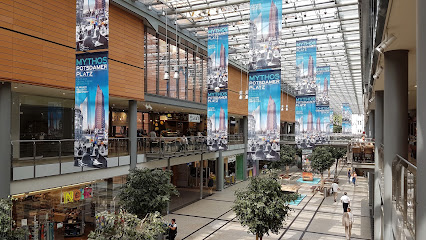
BERLIN STORE
0.8 km
Discover unique souvenirs and local crafts at the Berlin Store, the perfect stop for tourists seeking a piece of the city's vibrant culture.
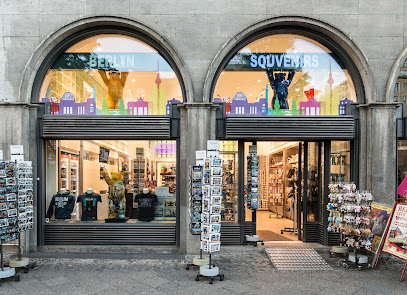
Berlin Loves You
0.9 km
Explore unique souvenirs and local treasures at 'Berlin Loves You', the quintessential store for capturing the spirit of Berlin.
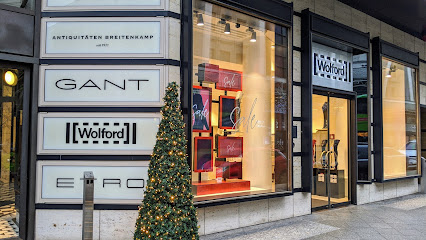
Wolford Boutique Berlin
0.9 km
Experience luxury and elegance at Wolford Boutique Berlin, your go-to destination for exquisite women's fashion and lingerie.
Galeries Lafayette
0.9 km
Discover the allure of luxury shopping and gourmet dining at Galeries Lafayette in the heart of Berlin, a must-visit for every traveler.
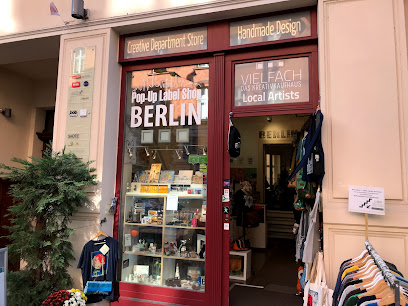
Vielfach Berlin -Das Kreativkaufhaus-
1.0 km
Explore Vielfach Berlin, a unique gift shop and art gallery offering handcrafted souvenirs and local art that capture Berlin's vibrant creative spirit.
The Square Berlin East
1.1 km
Explore a unique blend of fashion, literature, and home decor at The Square Berlin East, a boutique gem in the heart of Berlin's Mitte district.
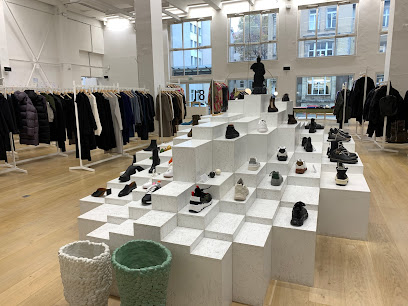
Andreas Murkudis
1.5 km
Explore avant-garde fashion at Andreas Murkudis, a unique clothing store in Berlin's Mitte district showcasing curated collections.
Shop Passage im Humboldt Forum
1.8 km
Explore a captivating selection of gifts and unique souvenirs at Shop Passage im Humboldt Forum, a must-visit destination in Berlin.
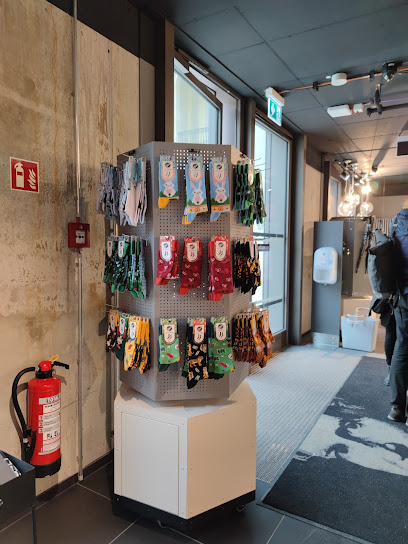
Redbear Berlin
2.0 km
Explore Redbear Berlin, a stylish boutique offering unique fashion pieces in the vibrant Mitte district, perfect for discerning shoppers.
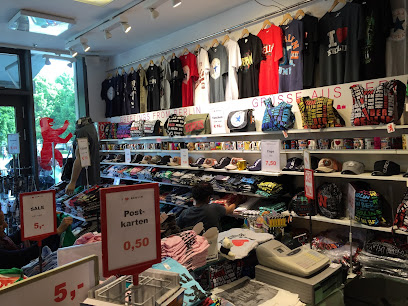
AMPELMANN shop in the Hackescher Markt
2.1 km
Explore the charming AMPELMANN shop in Hackescher Markt for unique Berlin souvenirs that capture the city's spirit and culture.
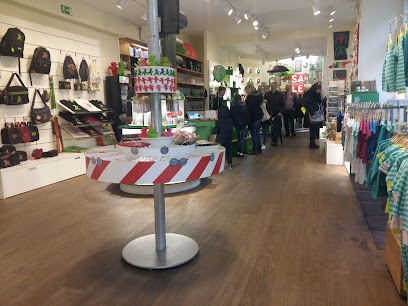
Hackesche Höfe
2.1 km
Explore Hackesche Höfe, a vibrant shopping and cultural hub in Berlin, featuring unique shops, diverse dining options, and artistic experiences.
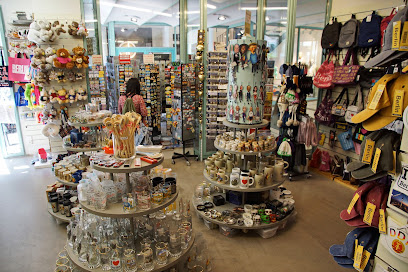
ausberlin
2.2 km
Discover local fashion and unique gifts at ausberlin, a vibrant department store in the heart of Berlin's Mitte district.
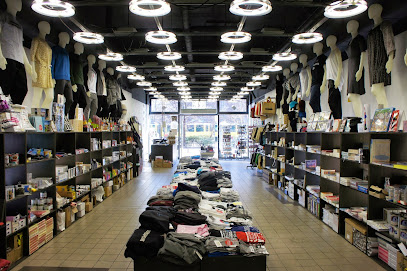
Essential bars & hidden hideouts

The Curtain Club
0.3 km
Experience elegance at The Curtain Club, Berlin's premier bar with exquisite cocktails and a chic atmosphere in the heart of Potsdamer Platz.
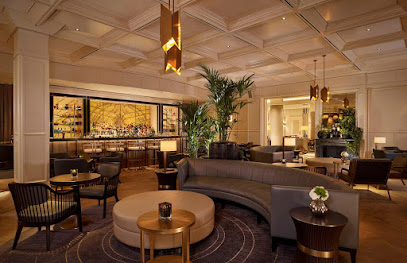
Posh Bar
0.6 km
Discover the elegance of Posh Bar in Berlin, where expertly crafted cocktails meet a chic atmosphere in the heart of the city's nightlife.
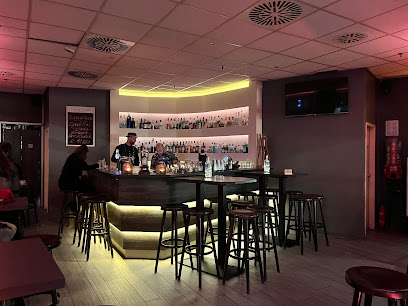
Windhorst
0.9 km
Experience Berlin's vibrant nightlife at Windhorst, an upscale cocktail bar serving exquisite drinks in a stylish atmosphere in the heart of Mitte.
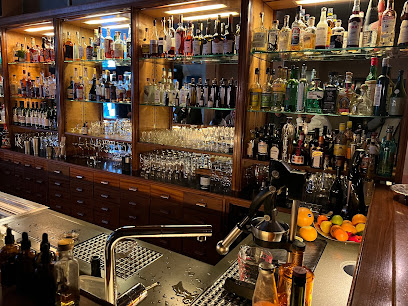
Newton Bar
1.0 km
Experience the vibrant nightlife of Berlin at Newton Bar, where stylish cocktails and a chic atmosphere await in Mitte.
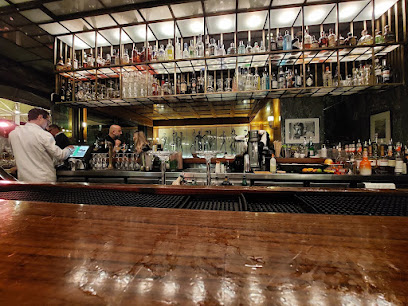
Charlie's Beach
1.1 km
Discover the perfect blend of relaxation and excitement at Charlie's Beach, a vibrant bar in Berlin's Mitte district with delightful drinks and a lively atmosphere.
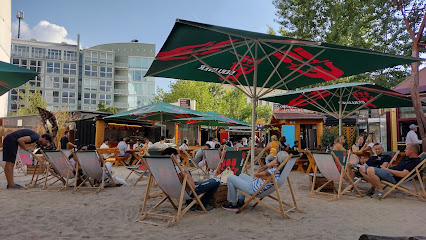
meisterschueler
1.4 km
Discover Meisterschueler in Berlin – a captivating cocktail bar that intertwines art and mixology for an unforgettable experience.
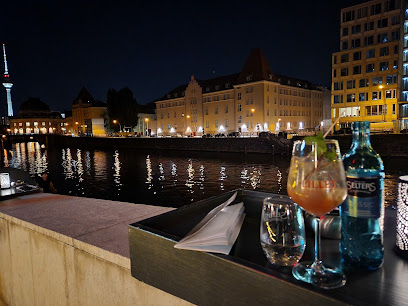
Victoria Bar
1.6 km
Experience the vibrant nightlife of Berlin at Victoria Bar, known for its exquisite cocktails and stylish atmosphere.
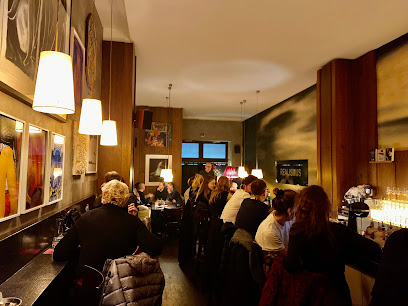
The Unique Bar Berlin
1.7 km
Discover the vibrant nightlife at The Unique Bar Berlin, where exquisite cocktails and a stylish atmosphere await you in the heart of the city.
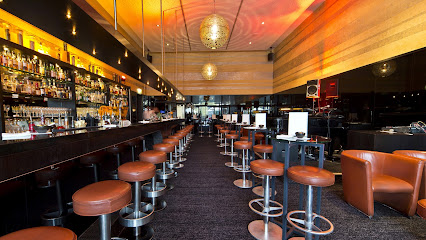
Melody Nelson bar
1.7 km
Discover the vibrant atmosphere of Melody Nelson, Berlin's chic bistro and cocktail bar, perfect for unwinding and socializing.
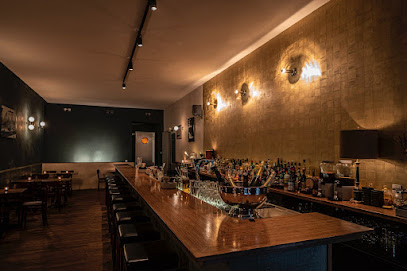
X-Terrain
1.7 km
Discover the eclectic vibe of X-Terrain, a unique bar in Berlin's Mitte with creative cocktails and a lively atmosphere perfect for nightlife enthusiasts.
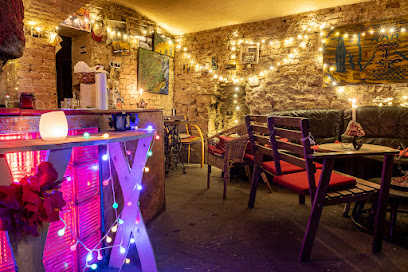
Bar Amélie
1.7 km
Discover Berlin's vibrant cocktail scene at Bar Amélie, where expertly crafted drinks meet a cozy atmosphere in the heart of the city.
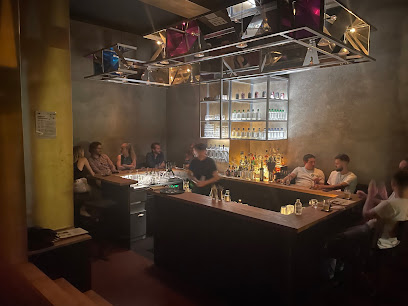
Reingold
1.9 km
Experience the vibrant nightlife of Berlin at Reingold, a cocktail bar in Mitte known for its expertly crafted drinks and lively atmosphere.
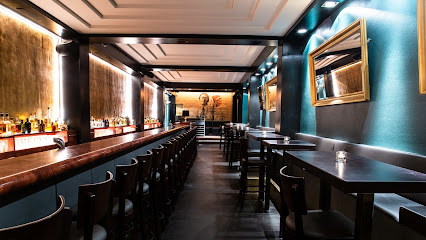
TheCoven Bar
1.9 km
Discover the allure of TheCoven Bar, a cocktail haven in the heart of Berlin's Mitte district, where innovative drinks meet enchanting ambiance.
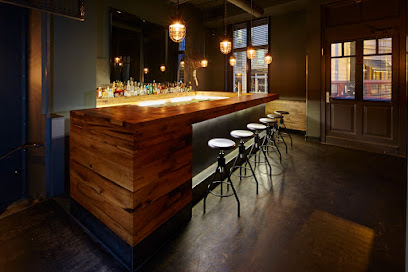
Berlin Icebar
2.1 km
Discover the magic of Berlin Icebar, where cocktails meet ice sculptures for a unique nightlife experience in the heart of the city.
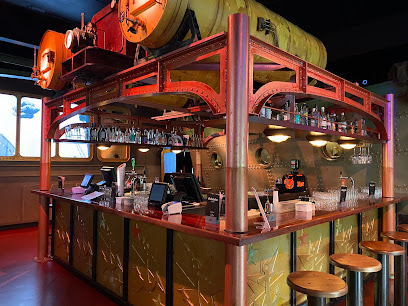
My Bar ICI
2.1 km
Discover the vibrant atmosphere and exquisite drink selection at My Bar ICI, a must-visit bar in the heart of Berlin's Mitte district.
Nightclubs & after hour spots

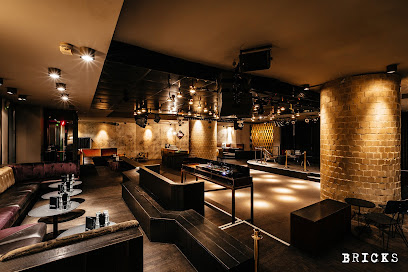
BRICKS Club
1.2 km
Dive into the heart of Berlin's nightlife at BRICKS Club, where vibrant music, stylish cocktails, and unforgettable memories await every visitor.
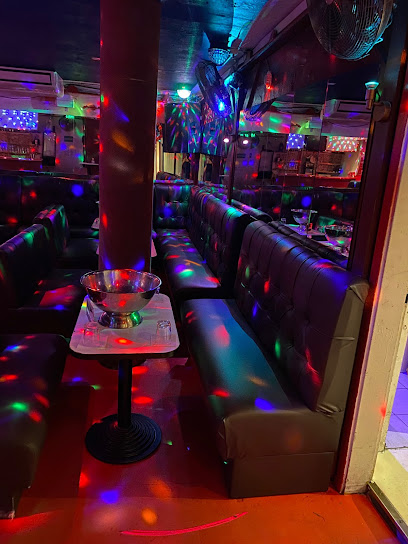
Surprise Club & Disco Berlin
1.3 km
Discover the electrifying nightlife at Surprise Club & Disco Berlin, where the dance floor comes alive with music and energy until dawn.
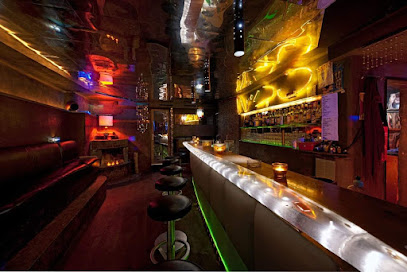
Flow Bar/Club - Berlin
1.9 km
Experience the pulse of Berlin's nightlife at Flow Bar/Club, where vibrant beats and stylish ambiance meet for an unforgettable night out.
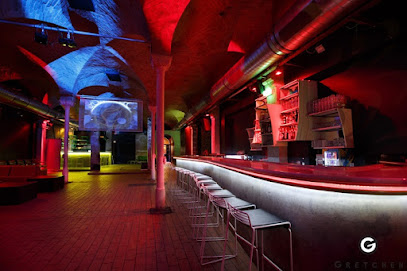
Gretchen
2.1 km
Experience the vibrant nightlife of Berlin at Gretchen, a top live music venue and night club known for its eclectic atmosphere and diverse music scene.
Hafenbar Berlin
2.3 km
Discover the electrifying nightlife of Hafenbar Berlin, where vibrant music and dance come together for an unforgettable experience.
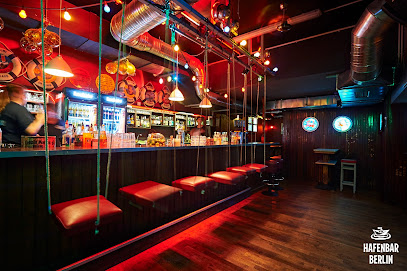
Ritter Butzke
2.4 km
Discover the heart of Berlin's nightlife at Ritter Butzke, a night club where music and art unite for an unforgettable experience.
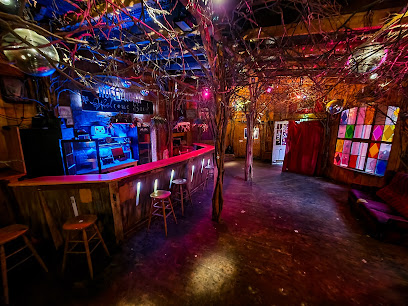
M-BIA Club Berlin
2.5 km
Discover the vibrant nightlife of Berlin at M-BIA Club, where electrifying music and an unforgettable atmosphere await you.
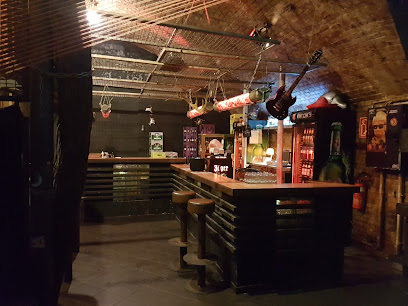
Prince Charles
2.5 km
Discover Berlin's vibrant nightlife at Prince Charles, where eclectic events and stylish ambiance create unforgettable memories.
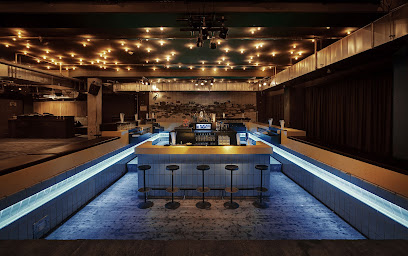
Hillringhain
2.7 km
Discover Hillringhain: A top Berlin night club with an electrifying atmosphere, exceptional music, and unforgettable nightlife experiences.
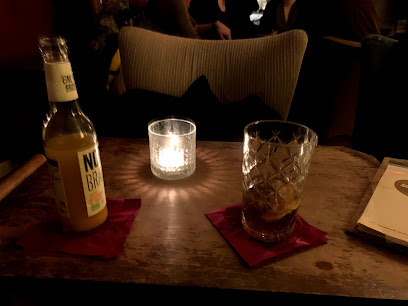
808 Nachtklub
2.7 km
Discover the vibrant nightlife at 808 Nachtklub in Berlin, where electrifying music and a lively atmosphere await party enthusiasts.
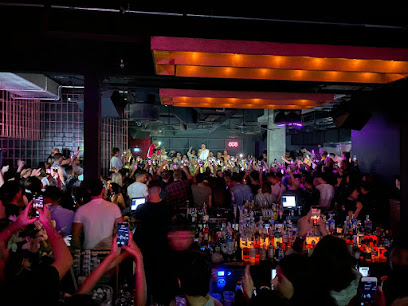
Sage Club - Berlin
2.8 km
Discover the vibrant nightlife at Sage Club in Berlin, where electrifying beats and a unique atmosphere create unforgettable memories.
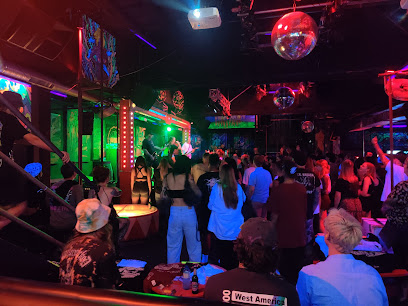
Golden Gate
2.8 km
Unleash your nightlife spirit at Golden Gate, Berlin's iconic night club, where electrifying beats and vibrant crowds create unforgettable experiences.
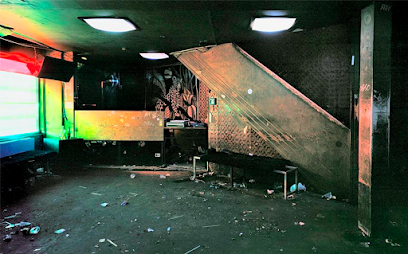
House of Weekend
2.9 km
Experience the best of Berlin's nightlife at House of Weekend, where the city comes alive with music, dancing, and breathtaking skyline views.
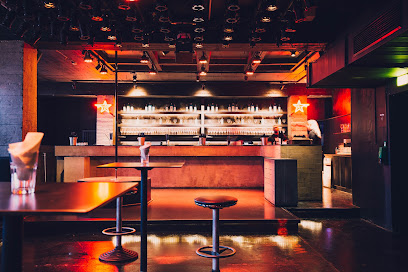
Sky Club - Berlin
2.9 km
Sky Club in Berlin: Discover the heart of nightlife with electrifying music, stunning visuals, and an unforgettable clubbing experience.
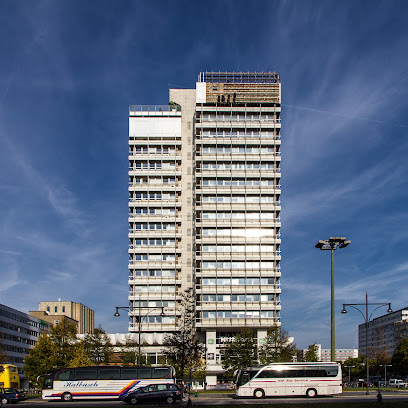
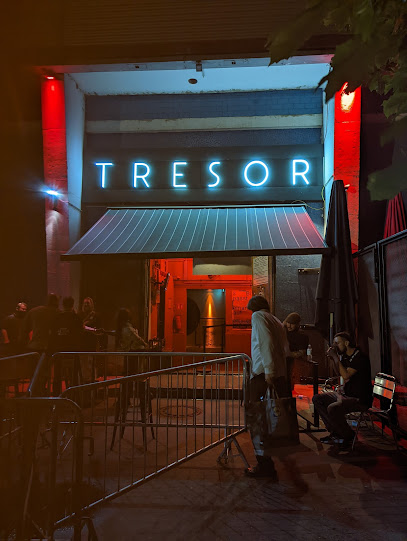
Tresor Berlin I Club & label
2.9 km
Experience the vibrant pulse of Berlin's nightlife at Tresor, a legendary techno club with a rich history and electrifying atmosphere.