Brandenburg Gate, Berlin Travel Guide
Free Guide: Visit the iconic Brandenburg Gate in Berlin, a symbol of German unity and a landmark with over two centuries of rich history and neoclassical beauty.


A brief summary of Brandenburg Gate
Visit the iconic Brandenburg Gate in Berlin, a symbol of German unity and a landmark with over two centuries of rich history and neoclassical beauty.
The Brandenburg Gate, located in the heart of Berlin, is a neoclassical monument and an iconic symbol of German unity and peace. Built in the late 18th century, it has witnessed pivotal moments in German history, from Napoleon's triumphs to the division of Berlin during the Cold War. Today, it stands as a major tourist attraction and a testament to the city's resilience.
- Address
- Pariser Platz, 10117 Berlin
- Website
Getting there
Walking
Public Transport
Taxi
Discover more about Brandenburg Gate
Overview
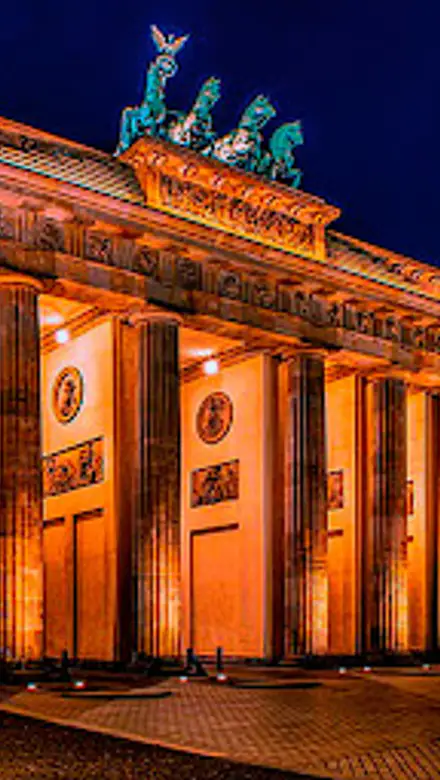
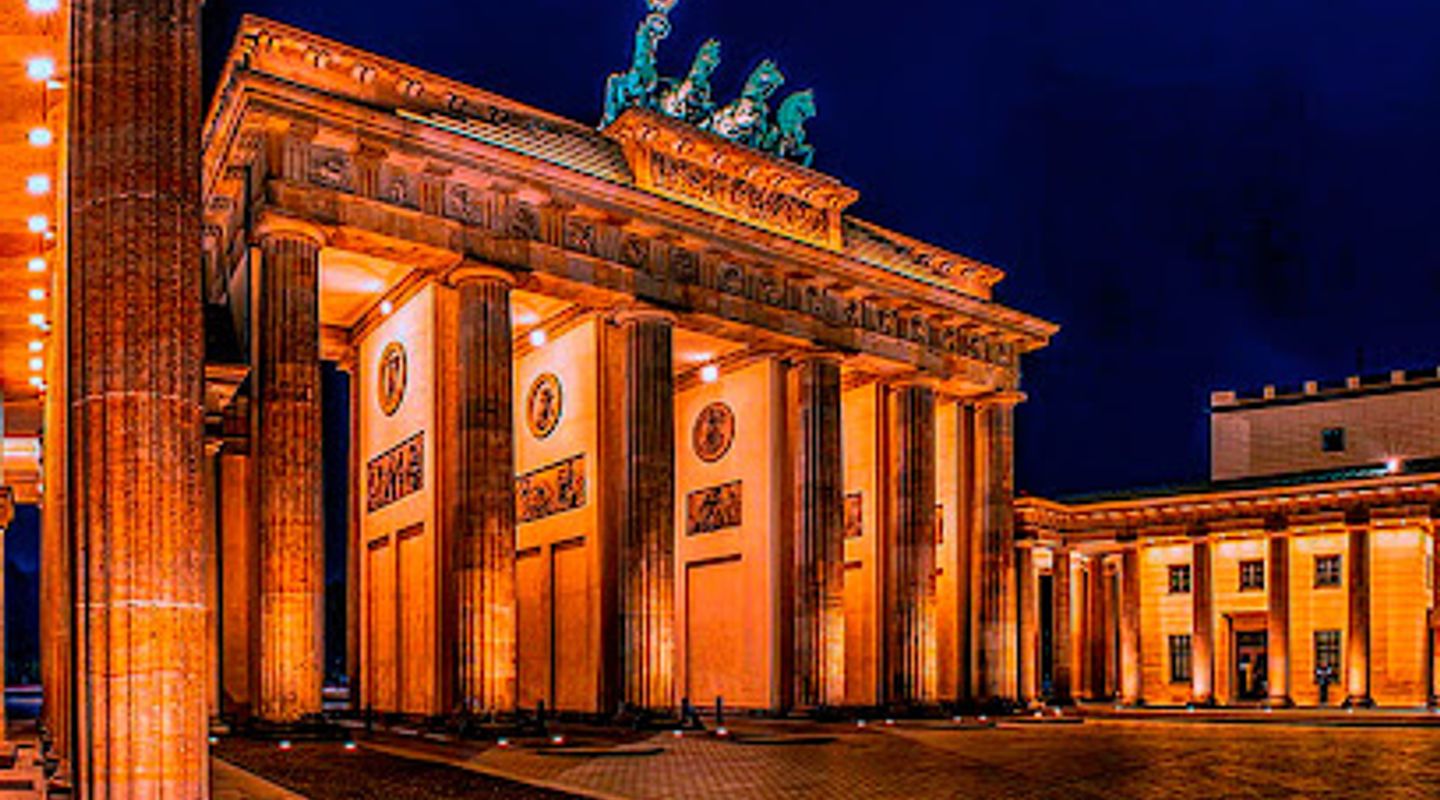
The Brandenburg Gate, or Brandenburger Tor in German, is more than just a historical landmark; it's a symbol of Berlin and Germany itself. Constructed between 1788 and 1791 by Prussian King Frederick William II, it served as a grand entrance to the city. The gate was designed by Carl Gotthard Langhans, who drew inspiration from the Propylaea of the Acropolis in Athens, making it Berlin's first Greek Revival building.The gate is made of sandstone and stands 26 meters (85 feet) high, 65.5 meters (215 feet) long, and 11 meters (36 feet) deep. It is supported by two rows of six Doric columns. In 1793, Johann Gottfried Schadow's Quadriga statue was added, depicting Victoria, the goddess of victory, driving a four-horse chariot. This statue has its own dramatic history; in 1806, Napoleon seized the Quadriga and took it to Paris as a war trophy, but it was returned to Berlin in 1814 after his defeat.Throughout its history, the Brandenburg Gate has been a silent witness to major events. It was used for royal parades, Nazi ceremonies, and, most significantly, stood in the exclusion zone during the Cold War when the Berlin Wall divided the city. After the wall fell in 1989, the gate became a symbol of reunification, opening on December 22, 1989, to the cheers of over 100,000 people. Today, the Brandenburg Gate stands on Pariser Platz, a square surrounded by embassies, hotels, and the boulevard Unter den Linden, making it a central point for tourists exploring Berlin.
Evendo Review Centre
 Google
Guest reviews
Explore Brandenburg Gate on the map
A handpicked selection of must-see spots near Brandenburg Gate, mapped for you.
Get your free copy of our complete guide to Brandenburg Gate, delivered straight to you.
Everything on this page, from opening hours and how to get there to Eve’s tips and the best time to go, in one PDF you can read offline, print or share.
Already have an account? Sign in
Your Brandenburg Gate guide is ready.
We'll send it to · Not you? Sign out

Getting your guide ready…
We are putting together a fresh copy of the Brandenburg Gate guide. This can take up to a minute.
This can take a few moments. If your browser asks, choose Allow so the download can start. You'll find the guide in your Downloads folder.
Nothing happened? Download it again
Sorry, the guide is taking longer than usual. Please try again in a minute, or get it by email instead.
Unlock the best of Brandenburg Gate
Skip-the-line tickets, guided tours with entry, and walking tours of the area, booked in a few clicks.
 Tour with entry
Self-Guided Tours In Berlin With 100 Captivating Audio Stories
from $3.19 Tour with entry
Berlin’s Hidden Chronicles A Self-Guided Journey
from $3.19 Tour with entry
Berlin: Self-Guided Photo Safari with premium Photobook
from $3.19 Tour with entry
Berlin Must-see Tour – offer at the end of the tour
from $3.20


Other nearby places you may find interesting
The closest places of the same kind, if this one is not quite what you had in mind.
-
-
-
-


Swipe for more places
More to explore near Brandenburg Gate

 Best experiences near Brandenburg Gate
 Best hotels near Brandenburg Gate
 Best landmarks near Brandenburg Gate
 Best attractions near Brandenburg Gate
 Best shops near Brandenburg Gate
 Best restaurants near Brandenburg Gate
 Best bars near Brandenburg Gate
Do you manage this location?
Take control to get all the benefits, like improved information, better appearance, and stronger visibility across AI-powered discovery.
Explore more
Explore more of Mitte
Discover Mitte: Berlin's vibrant core, where history, culture, and modernity converge to create an unforgettable destination for every traveler.
Explore Mitte
Explore more of Berlin
Berlin: A fascinating blend of history, culture, and modernity, offering everything from historic landmarks to vibrant nightlife and culinary delights.
Explore Berlin