

Free Black Forest Travel Guide & Mobile App
Explore Black Forest with free travel guides. Discover regional history, expert tips, proposed trips, and audio guides on web or mobile app.


Explore Germany's Black Forest for forest trails, spa towns, traditional farmhouses, mountain lakes, local food and year-round outdoor activities.
Read more about Black Forest
When is the best time to visit Black Forest?
Best: June–August · 22–24°C| Month | High (°C) | Rainfall (mm) |
|---|---|---|
| January | 4 | 70 |
| February | 5 | 60 |
| March | 9 | 65 |
| April | 14 | 75 |
| May | 19 | 95 |
| June (best) | 22 | 100 |
| July (best) | 24 | 105 |
| August (best) | 24 | 100 |
| September | 19 | 80 |
| October | 14 | 75 |
| November | 7 | 75 |
| December | 3 | 80 |
Getting to and around Black Forest
How to get there
Transportation
Top city travel guides in Black Forest
The cities of Black Forest, and the easiest places to base yourself.

Swipe for more cities
Destinations in Black Forest
Resorts, valleys and scenic spots worth a trip of their own.

Swipe for more destinations
Best attractions in Black Forest
The Black Forest's attractions are spread across a large landscape of valleys, ridges and upland clearings. Outdoor visitors can follow marked paths through the Northern Black Forest National Park, climb or walk around high points such as the Hornisgrinde and Feldberg, and explore the gorge scenery of the Wutach Gorge. Lakes including Titisee and Schluchsee provide settings for walking and seasonal water-based recreation, while the Triberg Waterfalls are among the region's best-known natural sights. Cultural attractions range from the open-air Black Forest Museum Vogtsbauernhof near Gutach, where historic farm buildings illustrate rural life, to clockmaking collections, monastery complexes and local museums. Baden-Baden adds thermal bathing, gardens, concerts and literary or art-related institutions at the northern edge. Scenic roads, railway journeys, forest cafés and village markets are attractions in their own right, but the region is best experienced at a measured pace: each valley has its own combination of landscape, crafts, food traditions and settlement history.
-
Amusement park
Europa-Park
Discover the magic of Europa-Park, Germany's top amusement park, where exhilarating rides and enchanting experiences await every visitor.
-
Rhine Falls
Discover the breathtaking beauty and raw power of the Rhine Falls, Europe's largest waterfall, a majestic natural wonder near Neuhausen am Rheinfall, Switzerland.
-
Castle
Château du Haut-Kœnigsbourg
Explore the enchanting Château du Haut-Kœnigsbourg, a stunning medieval castle in the Vosges Mountains, showcasing rich history and breathtaking views.
-
Scenic spot
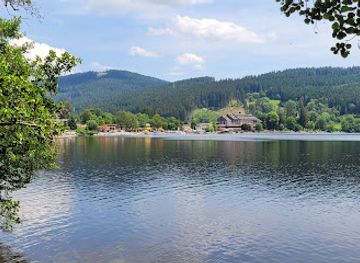
Titisee Lake
Explore the breathtaking beauty of Titisee Lake in the heart of the Black Forest, where nature and tranquility await every traveler.


Best landmarks in Black Forest
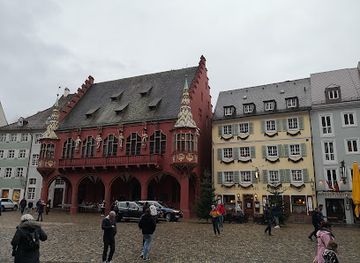
The Black Forest's most recognisable landmarks reflect both its natural form and its long rural history. Feldberg, the highest summit in the region, is a defining southern landmark and a base for high-level walks, while the Hornisgrinde marks the northern upland with open moorland, wind-shaped vegetation and broad views. The Triberg Waterfalls are a prominent natural feature in a steep central valley. Baden-Baden's spa architecture, including the historic Kurhaus, represents the nineteenth-century transformation of the northern foothills into an international resort. In the southern forest, the dome of St Blasien Abbey is an imposing reminder of monastic power and eighteenth-century architecture. Traditional Black Forest farmhouses, with broad roofs extending over living and working areas, form a more dispersed landmark landscape: they are particularly visible in preserved rural settings around the central and southern valleys. Old monastery precincts, timber-framed town centres and ridge-top viewpoints complete a regional visual identity shaped by settlement as much as by woodland.
-
Historical landmark
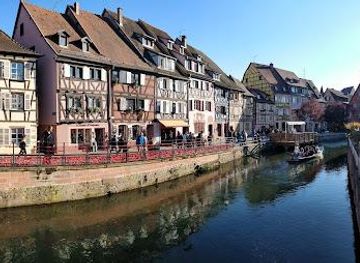
La Petite Venise
Discover the enchanting canals and colorful half-timbered houses of La Petite Venise, Colmar's most picturesque and romantic district, a must-see destination in Alsace.
-
Scenic spot
Titisee Lake
Discover the serene beauty of Titisee Lake in the Black Forest: hiking, boating, and charming lakeside towns await in this natural paradise, a perfect year-round destination.
-
Tourist attraction
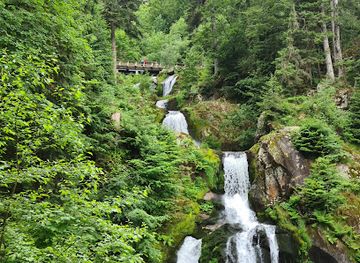
Triberg Waterfalls
Experience the Majestic Triberg Waterfalls: A Captivating Natural Spectacle in the Heart of Germany's Black Forest, Offering Breathtaking Views and Enchanting Trails Year-Round.
-
Tourist attraction
Baumwipfelpfad Schwarzwald
Discover the Black Forest from a breathtaking perspective: an accessible treetop adventure with panoramic views, interactive exhibits, and a thrilling slide for all ages.
Explore Black Forest on the map
Plan your trip on one map. See where the top cities, national parks and sights are, and book hotels and experiences in a few clicks.
Best hotels in Black Forest
Best restaurants in Black Forest
Black Forest dining combines Baden's wine-growing and produce-rich traditions with the substantial cooking of upland farming communities. Menus may include Black Forest ham, sausages, trout from local waters, potato dishes, seasonal mushrooms, soups and farmhouse breads, alongside lighter preparations influenced by nearby Alsace and the Upper Rhine. Black Forest gateau is the region's internationally recognised dessert, traditionally combining chocolate sponge, cream and sour cherries, while cherry schnapps is a common ingredient and regional product. Restaurants range from village inns and hotel dining rooms to contemporary kitchens in larger towns such as Baden-Baden, Freiburg at the forest's edge and Baiersbronn. Farm shops, bakeries, weekly markets and fruit-distillery outlets offer useful ways to sample local produce. In wine-growing areas along the western foothills, Baden wines complement the cuisine, while rural valleys are particularly associated with hearty meals and seasonal menus.
-
Restaurant
Laufen Castle at the Rheinfalls
Experience history and nature at Laufen Castle near Rhine Falls – where Swiss charm meets breathtaking views.
-
Restaurant
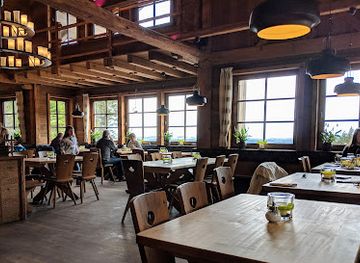
Berghütte Lauterbad - HOTEL LAUTERBAD GmbH
Discover Berghütte Lauterbad: A delightful restaurant offering local cuisine amidst breathtaking Black Forest landscapes.
-
German
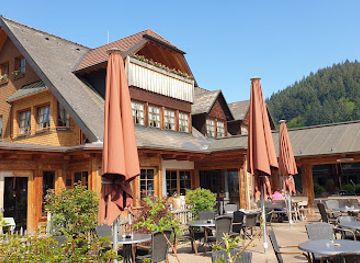
Gaststätte Bure Stube
Discover the rich flavors of traditional German cuisine at Gaststätte Bure Stube in Münstertal—where every meal is an experience.
-
Hotel
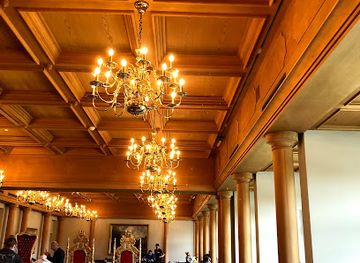
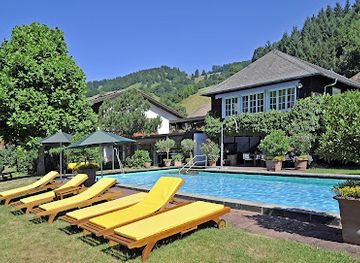
Romantik Hotel Spielweg
Discover luxury and tranquility at Romantik Hotel Spielweg, your perfect getaway in the enchanting Schwarzwald region.
Best bars in Black Forest
Evenings in the Black Forest are generally centred on traditional inns, hotel bars, brewery restaurants and cafés rather than a large club scene. Baden-Baden offers the broadest choice of refined hotel lounges, wine bars, cultural performances and late-opening restaurants, while towns such as Freiburg at the western edge provide a much larger student and live-music nightlife than the forest uplands themselves. In places such as Freudenstadt, Triberg, Titisee-Neustadt and Baiersbronn, evening life tends to favour local pubs, dining rooms and seasonal events. Some spa hotels have elegant bars, and craft breweries or distilleries provide opportunities to taste regional drinks without making alcohol the focus of a visit. In remote villages, venues may close earlier and taxi availability can be limited, so arrange evening transport before setting out.
-
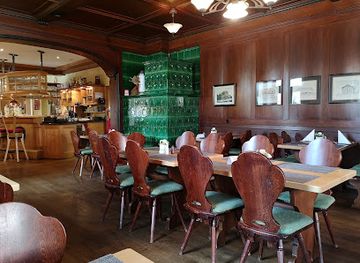
Brewpub
Brauereigasthof Rothaus
Experience authentic German hospitality at Brauereigasthof Rothaus, where locally brewed beers meet traditional culinary delights in the Black Forest.
-
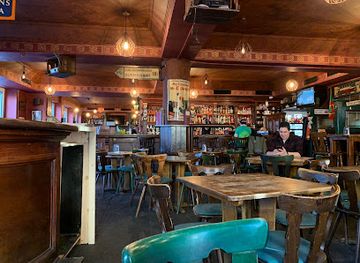
Irish pub
O'Kellys Irish Pub
Experience the heart of Ireland at O'Kellys Irish Pub in Freiburg, where great food, drinks, and sports unite.
-
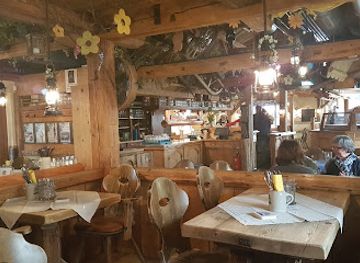
Brewpub
Turm-Brau
Discover the flavors of Swabia at Turm-Brau, Freudenstadt's charming brewpub with authentic cuisine and house-brewed beers.
-
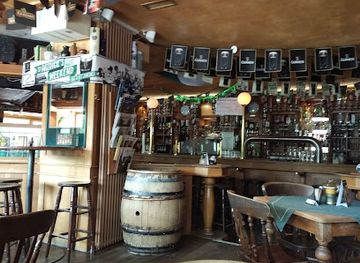
Restaurant
Fürstenberg’s Irish Pub Villingen
Discover the lively ambiance and authentic Irish flavors at Fürstenberg’s Irish Pub in Villingen, a perfect retreat for tourists and locals alike.
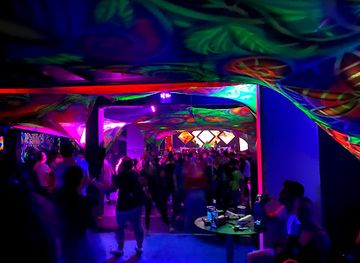
Best nightclubs in Black Forest
Evenings in the Black Forest are generally centred on traditional inns, hotel bars, brewery restaurants and cafés rather than a large club scene. Baden-Baden offers the broadest choice of refined hotel lounges, wine bars, cultural performances and late-opening restaurants, while towns such as Freiburg at the western edge provide a much larger student and live-music nightlife than the forest uplands themselves. In places such as Freudenstadt, Triberg, Titisee-Neustadt and Baiersbronn, evening life tends to favour local pubs, dining rooms and seasonal events. Some spa hotels have elegant bars, and craft breweries or distilleries provide opportunities to taste regional drinks without making alcohol the focus of a visit. In remote villages, venues may close earlier and taxi availability can be limited, so arrange evening transport before setting out.
-
Night club
Hans Bunte Areal
Discover the pulse of Freiburg's nightlife at Hans Bunte Areal, where music, dance, and vibrant energy unite for unforgettable nights.
-
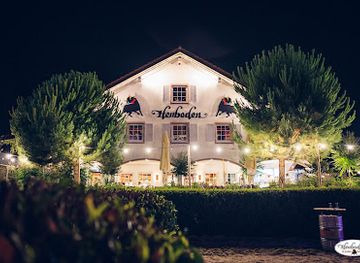
Disco club
Heuboden Dancing Club
Experience the vibrant nightlife at Heuboden Dancing Club in Umkirch, where music, dancing, and cocktails meet for an unforgettable evening.
-
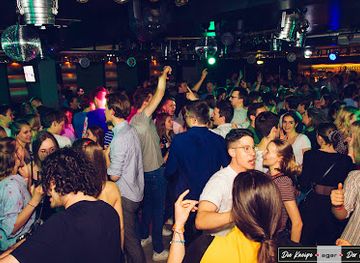
Night club
AGAR Kneipe Club
Discover the electric energy of AGAR Kneipe Club, Freiburg’s premier night club, where unforgettable nights and vibrant music await.
-
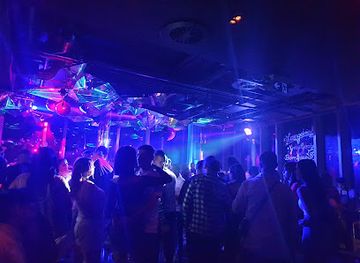
Disco club
NEKO Bar.Club
Dive into the electrifying atmosphere of NEKO Bar.Club, Freiburg's top disco club, where unforgettable dance parties and vibrant nightlife await you.
Best shops in Black Forest
Shopping in the Black Forest is oriented towards local food, crafts and practical town-centre retail rather than large-scale luxury districts. Market towns such as Baden-Baden, Freudenstadt, Calw and Villingen-Schwenningen offer independent shops, bakeries, delicatessens, galleries and regular markets, with the selection varying considerably between towns. Traditional purchases include Black Forest ham, cherry products, fruit brandies, honey, herbal goods and locally made biscuits, while farm shops sell produce directly from surrounding valleys and upland farms. Cuckoo clocks remain a prominent souvenir, but quality and provenance differ, so buy from an established specialist and ask about movement and manufacture. Woodcarving, ceramics, textiles and handmade gifts are also available, especially around tourist centres such as Triberg and the open-air museum near Gutach. Baden-Baden adds galleries, antiques and more upmarket boutiques, while smaller villages are better for regional food and craft products than extensive general shopping.
-
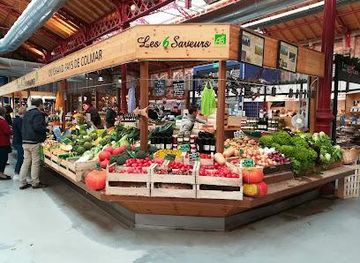
Produce market
Marché Couvert Colmar
Discover the authentic flavors of Alsace at Marché Couvert, Colmar's vibrant produce market, where local delights await every visitor.
-
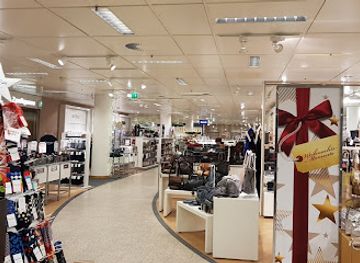
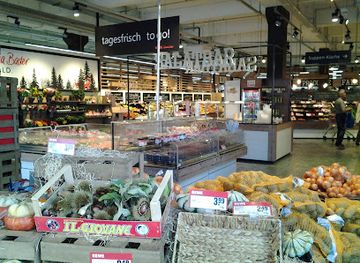
Shopping mall
Einkaufszentrum Schwarzwald City Freiburg
Explore the vibrant Einkaufszentrum Schwarzwald City Freiburg, your ultimate shopping destination for fashion, food, and fun in the heart of the city.
-
Department store
GALERIA Offenburg
Explore GALERIA Offenburg: A Shopping Paradise with Trendy Fashion, Unique Finds, and a Welcoming Atmosphere in the Heart of Offenburg.
-
Shopping mall
Schwarzwald Center
Discover Freudenstadt's Schwarzwald Center: A shopping haven with diverse stores and delightful dining options for every traveler.
Get your free copy of our complete guide to Black Forest, delivered straight to you.
Everything on this page, from attractions and restaurants to essentials and local phrases, in one PDF you can read offline, print or share.
Already have an account? Sign in
Your Black Forest guide is ready.
We'll send it to · Not you? Sign out

Getting your guide ready…
We are putting together a fresh copy of the Black Forest guide. This can take up to a minute.
This can take a few moments. If your browser asks, choose Allow so the download can start. You'll find the guide in your Downloads folder.
Nothing happened? Download it again
Sorry, the guide is taking longer than usual. Please try again in a minute, or get it by email instead.
Black Forest essentials
Currency and Payment
Safety
Emergency Situations
Do's and Don'ts
Local Tips
From Eve
Local phrases worth knowing
You don't need to get them perfect. A few words go a long way, and locals appreciate the effort.
Basics
| English | Local | Say it |
|---|---|---|
| Hello | Hallo | [Ha-lo] |
| Goodbye | Auf Wiedersehen | [Owf Veed-er-zay-en] |
| Yes | Ja | [Ya] |
| No | Nein | [Nine] |
| Please/You're welcome | Bitte | [Bit-te] |
| Thank you | Danke | [Dan-ke] |
| Excuse me/Sorry | Entschuldigung | [Ent-shool-dee-goong] |
| How are you? | Wie geht's dir? | [Vee gates deer?] |
| Fine. And you? | Gut. Und dir? | [Goot. Oond deer?] |
| Do you speak English? | Sprichst du Englisch? | [Shprikst doo Eng-lish?] |
| I don't understand | Ich verstehe nicht | [Ikh fer-shtay-eh nicht] |
Eating & Drinking
| English | Local | Say it |
|---|---|---|
| I'd like to see the menu, please | Ich hätte gerne die Speisekarte, bitte | [Ikh het-teh gair-ne dee Shpy-ze-kar-te, bit-te] |
| I don't eat meat | Ich esse kein Fleisch | [Ikh es-se kine Flysh] |
| Cheers! | Prost! | [Prohst] |
| I would like to pay, please | Ich möchte bezahlen, bitte | [Ikh mer-khte be-za-len, bit-te] |
Emergencies
| English | Local | Say it |
|---|---|---|
| Help! | Hilfe! | [Hil-fe] |
| Go away! | Geh weg! | [Gay vek] |
| Call the Police! | Rufen Sie die Polizei! | [Roof-en zee dee Po-li-tzai] |
| Call a doctor! | Rufen Sie einen Arzt! | [Roof-en zee eye-nen Artst] |
| I'm lost | Ich bin verloren | [Ikh bin fer-lo-ren] |
| I'm ill | Ich bin krank | [Ikh bin krank] |
Shopping
| English | Local | Say it |
|---|---|---|
| I'd like to buy... | Ich möchte kaufen... | [Ikh mer-khte kau-fen...] |
| I'm just looking | Ich schaue nur | [Ikh shau-e noor] |
| How much is it? | Wie viel kostet das? | [Vee feel kost-et das?] |
| That's too expensive | Das ist zu teuer | [Das ist tsu toy-er] |
| Can you lower the price? | Können Sie den Preis senken? | [Kern-en zee den price sen-ken?] |
Time & Numbers
| English | Local | Say it |
|---|---|---|
| What time is it? | Wie spät ist es? | [Vee shpaet ist es?] |
| It's one o'clock | Es ist ein Uhr | [Es ist ine Oor] |
| Half past (10) | Halb (10) | [Halb (10)] |
| Morning | Morgen | [Mor-gen] |
| Afternoon | Nachmittag | [Nakh-mit-tahg] |
| Evening | Abend | [Ah-bend] |
| Yesterday | Gestern | [Ges-tern] |
| Today | Heute | [Hoy-te] |
| Tomorrow | Morgen | [Mor-gen] |
| 1 | Eins | [Eins] |
| 2 | Zwei | [Tswi] |
| 3 | Drei | [Dry] |
| 4 | Vier | [Veer] |
| 5 | Fünf | [Fünf] |
| 6 | Sechs | [Zeks] |
| 7 | Sieben | [Zee-ben] |
| 8 | Acht | [Akh-t] |
| 9 | Neun | [Noyn] |
| 10 | Zehn | [Tsayn] |
Transport & Directions
| English | Local | Say it |
|---|---|---|
| Where's a/the...? | Wo ist ein/das...? | [Vo ist ine/das...?] |
| What's the address? | Was ist die Adresse? | [Vas ist dee A-dres-se?] |
| Can you show me (on the map)? | Können Sie mir (auf der Karte) zeigen? | [Kern-en zee meer (owf der Kar-te) tsai-gen?] |
| When's the next (bus)? | Wann kommt der nächste (Bus)? | [Vahn komt der nai-sh-te (Bus)?] |
| A ticket (to ....) | Ein Ticket (nach ....) | [Ain Ti-ket (nahkh ....)] |
History of Black Forest
Roman Roads and Alemannic Settlement
Roman influence reached the western margins and valleys of the modern Black Forest, with roads, estates and military activity connecting the Rhine frontier to settlements farther east. The densely wooded uplands were not transformed into a single urban landscape, but valleys and passes formed important lines of movement. From late antiquity onwards, Alemannic-speaking communities settled across south-western Germany, establishing the cultural and linguistic foundations of the region. The contrast between cultivated valleys and extensive forest, still evident today, developed over many centuries rather than existing as an untouched wilderness.
Monasteries and Medieval Clearance
Medieval monasteries played a major role in opening parts of the Black Forest to farming and organised settlement. Religious houses including St Peter, St Märgen, St Blasien and Hirsau accumulated land, managed woodland and encouraged cultivation in valleys and upland clearings. Monastic churches, ruins and planned settlements remain important historical markers. The expansion of agriculture was gradual and uneven, producing the dispersed farmsteads, pasture clearings and village patterns that distinguish many parts of the central and southern forest.
Mining, Timber and Water Power
The Black Forest economy long depended on timber, charcoal, mining and water power. Silver and other ores were extracted in several districts, especially in valleys where streams could drive mills and workshops. Timber was floated or transported towards the Rhine and helped support construction, fuel production and later industrial development. Working conditions were demanding, and the prosperity of particular communities could rise or decline with the availability of ore and woodland resources. Remnants of mining landscapes, mills and forest industries help explain why the region's settlements developed where they did.
The Rise of Clockmaking
From the seventeenth and eighteenth centuries, clockmaking became an important domestic and small-workshop industry in parts of the Black Forest. Production drew on local woodworking, metalworking and trading networks, and clocks were carried far beyond the region by travelling merchants. The cuckoo clock emerged later as a particularly recognisable design, but Black Forest clockmaking was broader than this single form. The craft contributed to the region's international image and helped connect isolated valleys to European commercial markets.
Spa Culture and Romantic Tourism
Improved roads, railways and growing interest in mountain scenery transformed the Black Forest during the nineteenth century. Baden-Baden developed into an internationally known spa and leisure town, while rail connections made forest valleys and lakes more accessible to visitors. Writers, artists and travellers popularised the region's image of dark woodland, timber houses and highland scenery. Tourism did not replace forestry and farming, but it added hotels, sanatoria, excursion routes and recreational infrastructure that continue to shape the economies of many towns.
Forestry, Conservation and Modern Recreation
Modern forestry has played a central role in managing the Black Forest, whose woods have been affected by storms, drought, pests and changing land-use pressures. Conservation policy increasingly recognises the importance of old woodland, moorland, mountain meadows and river habitats alongside productive forests. The Northern Black Forest National Park, established in 2014, represents this shift towards allowing selected areas to develop with less intensive intervention. Today the region combines working forests, farms, settlements, protected landscapes and a large outdoor recreation economy.
Black Forest in Photos
Browse through our photo collection highlighting the charm and character of the destination.
Neighbouring regions of Black Forest
The closest regions to Black Forest, if you have time for more than one.
-

-

-

-

-


Swipe for more regions
Explore more

Explore more of Germany
Experience Germany: where history meets innovation, and urban energy blends with natural beauty. Discover diverse cultures, delicious cuisine, and stunning landscapes.
Explore Germany