

Free Palatinate Travel Guide & Mobile App
Explore Palatinate with free travel guides. Discover regional history, expert tips, proposed trips, and audio guides on web or mobile app.


Explore Germany’s Palatinate for vineyard villages, imperial Speyer, forest castles, regional food and walking routes along the Haardt.
Read more about Palatinate
When is the best time to visit Palatinate?
Best: June–August · 21–23°C| Month | High (°C) | Rainfall (mm) |
|---|---|---|
| January | 4 | 60 |
| February | 5 | 55 |
| March | 9 | 60 |
| April | 13 | 65 |
| May | 18 | 70 |
| June (best) | 21 | 80 |
| July (best) | 23 | 80 |
| August (best) | 23 | 80 |
| September | 20 | 70 |
| October | 14 | 65 |
| November | 8 | 70 |
| December | 5 | 75 |
Getting to and around Palatinate
How to get there
Transportation
Top city travel guides in Palatinate
The cities of Palatinate, and the easiest places to base yourself.

Swipe for more cities
Destinations in Palatinate
Resorts, valleys and scenic spots worth a trip of their own.

Swipe for more destinations
Best attractions in Palatinate
The Palatinate’s attractions range from imperial architecture on the Rhine to quiet forest trails and working vineyards. Speyer Cathedral is the region’s outstanding medieval monument, while the city’s museums and historic centre provide context for its long role on the Rhine. Along the eastern foothills, Neustadt an der Weinstraße, Bad Dürkheim, Deidesheim and Landau offer wine estates, seasonal festivals, vineyard paths and handsome old quarters. Hambach Castle combines a hilltop setting with an important story of German democracy. Inland, the Pfälzerwald provides marked walks, cycling routes, sandstone viewpoints and castle ruins, with Trifels Castle and the rocky landscapes around Dahn among the best-known destinations. The west offers a more wooded and industrially shaped landscape around Kaiserslautern and Pirmasens, while the Rhine plain near Germersheim is flatter and suited to cycling. Smaller museums, gardens, spa facilities and family attractions add variety, but opening arrangements can be seasonal, especially at rural wine venues and castle sites.
-
Tourist attraction
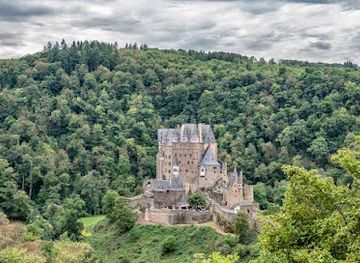
Eltz Castle
Experience the fairytale charm of Eltz Castle, a historic landmark nestled in the scenic Moselle Valley, showcasing medieval architecture and rich history.
-
Tourist attraction
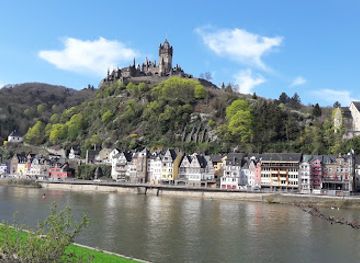
Cochem Castle
Discover the enchanting Cochem Castle, a historic gem perched above the Moselle River, offering stunning views and rich medieval history.
-
Park
Luisenpark
Explore the enchanting beauty of Luisenpark, Mannheim's premier park with lush gardens, animal encounters, and recreational fun for the whole family.
-
Tourist attraction
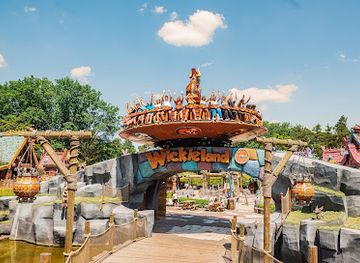
Holiday Park Germany
Experience the thrill and joy of Holiday Park Germany, a top amusement park filled with roller coasters, family attractions, and unforgettable adventures.

Best landmarks in Palatinate
Speyer Cathedral is the defining landmark of the Palatinate: its massive Romanesque form and imperial crypt embody the medieval importance of the Rhine city, and the cathedral is recognised as a UNESCO World Heritage Site. Hambach Castle, standing above the vineyards near Neustadt, is both a visible hilltop monument and a national symbol of the nineteenth-century democratic movement. Trifels Castle near Annweiler occupies a dramatic wooded ridge and recalls the power of the medieval empire, even though much of the present structure is the result of restoration. The sandstone towers and ruins scattered through the Pfälzerwald give the forest a distinctive architectural character, particularly around the Dahner Felsenland. In the wine country, rows of vines, village church towers and historic estate courtyards form a cultural landscape rather than a single monument. The Rhine-facing fortifications and historic fabric of Germersheim add a military dimension, while the broad forested ridges west of the Haardt provide the region’s most recognisable natural setting.
-
Castle
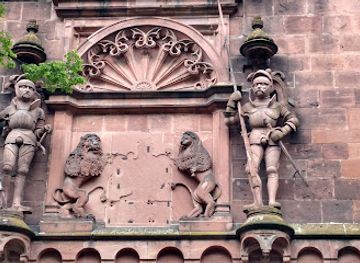
Heidelberg Castle
Discover the captivating beauty and rich history of Heidelberg Castle, a must-visit UNESCO World Heritage site in Germany.
-
Monument
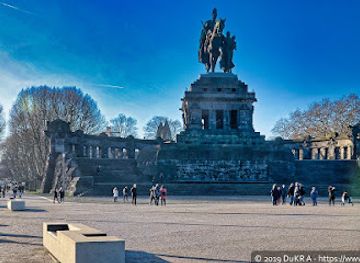
Deutsches Eck
Discover the historic Deutsches Eck in Koblenz, where the Rhine and Moselle rivers meet, featuring stunning views and rich German heritage.
-
Castle
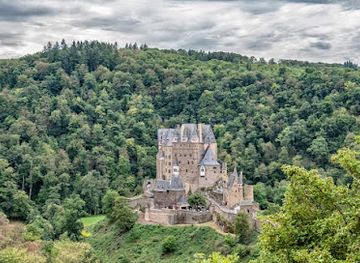
Eltz Castle
Experience the magic of Eltz Castle, a stunning medieval fortress nestled in the heart of the Moselle Valley, surrounded by enchanting landscapes.
-
 Historical market square
Römerberg
Discover Römerberg, Frankfurt's historic market square, where medieval architecture meets vibrant culture, creating a must-visit destination for every traveler.
Explore Palatinate on the map
Plan your trip on one map. See where the top cities, national parks and sights are, and book hotels and experiences in a few clicks.
Best hotels in Palatinate
Best restaurants in Palatinate
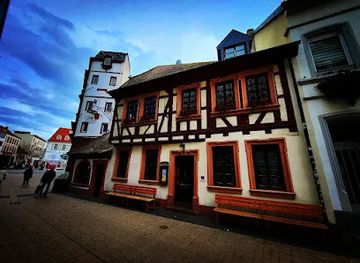
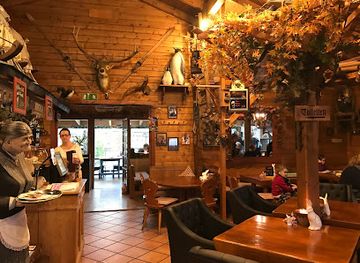
Palatinate dining is grounded in substantial regional cooking, local wine and produce from the Rhine plain and vineyard belt. Saumagen, a seasoned pork and potato speciality, is often served alongside other sausages, sauerkraut and bread, while onion tart, potato dishes, seasonal asparagus and fruit feature in homes, inns and village restaurants. The region’s wine taverns and rural Gasthäuser provide the most direct introduction to traditional food, though larger towns also have contemporary restaurants interpreting local ingredients more lightly. Riesling, Grauburgunder, Weissburgunder, Spätburgunder and other wines are grown along the Deutsche Weinstraße, with styles varying between producers and villages. Look for seasonal Straußwirtschaften, farm shops and weekly markets, bearing in mind that many small establishments have limited opening periods. In Speyer and the larger towns, cafés and international restaurants broaden the choice without displacing the region’s strong connection to wine, bread, potatoes and hearty country cooking.
-
Restaurant
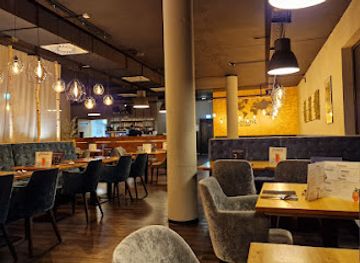
masons Restaurant Kaiserslautern
Experience culinary excellence at Mason's Restaurant in Kaiserslautern - where modern cuisine meets vibrant atmosphere.
-
Beer Garden
Maffenbeier
Experience authentic Palatine cuisine and refreshing beers at Maffenbeier, the charming beer garden in Ludwigshafen.
-
Palatine restaurant
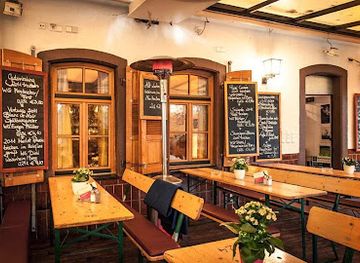
Gaststätte Spinnrädl
Discover the flavors of Palatine at Gaststätte Spinnrädl - a delightful restaurant offering authentic German cuisine and fine wines in Kaiserslautern.
-
Restaurant
Flammkuchen Hütte Becker
Experience authentic Flammkuchen at Flammkuchen Hütte Becker in Mehlingen - where delicious German cuisine meets warm hospitality.
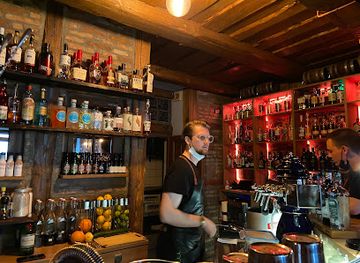
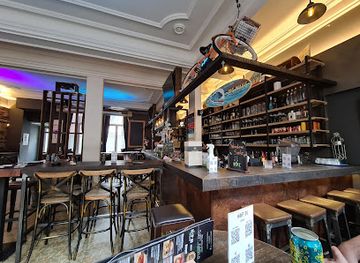
Best bars in Palatinate
Evening life in the Palatinate is centred more on wine taverns, pubs and restaurants than on a large club circuit. The vineyard towns become sociable during wine festivals, when courtyards, public squares and temporary events fill with local producers and visitors, but these occasions are seasonal rather than a permanent nightlife scene. Neustadt an der Weinstraße, Landau, Speyer and Kaiserslautern offer the broadest choice of bars, cafés and live music, with Kaiserslautern’s sizeable student population supporting a more regular late-evening scene. In smaller villages, the traditional evening may be a meal and a glass of regional wine in a Gasthaus or wine estate. Craft breweries and wine bars appear alongside long-established pubs, while theatres and cultural venues provide alternatives to drinking-focused entertainment. Check the last train before settling in outside a main town, since rural evening connections can be limited.
-
Bar
Rheinstrand Speyer
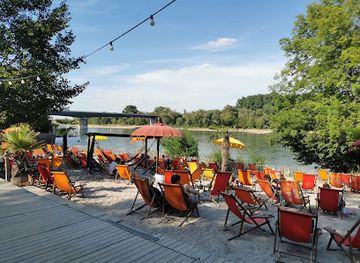
Experience the charm of Rheinstrand Speyer, where scenic river views meet refreshing drinks in a relaxed atmosphere.
-
Irish pub
The Snug Irish Pub
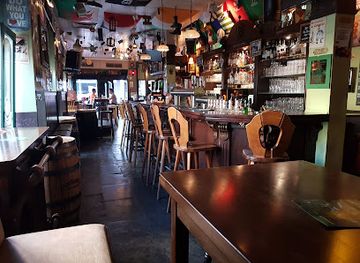
Discover the heart of Irish culture at The Snug Irish Pub, where good friends, hearty meals, and lively tunes await in Kaiserslautern.
-
Bar
Spiritus
Experience Mainz's vibrant nightlife at Spiritus, a cocktail bar known for its innovative drinks and welcoming atmosphere.
-
Cocktail bar
HOP IN - Kaiserslautern
Discover Kaiserslautern's vibrant nightlife at HOP IN - a cocktail bar that blends great drinks with an inviting atmosphere.
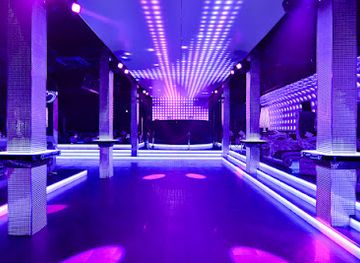
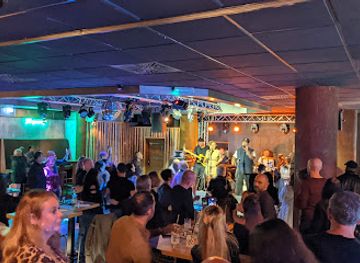
Best nightclubs in Palatinate
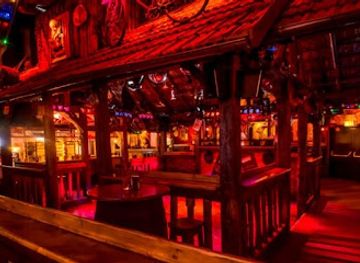
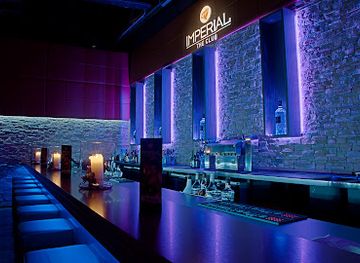
Evening life in the Palatinate is centred more on wine taverns, pubs and restaurants than on a large club circuit. The vineyard towns become sociable during wine festivals, when courtyards, public squares and temporary events fill with local producers and visitors, but these occasions are seasonal rather than a permanent nightlife scene. Neustadt an der Weinstraße, Landau, Speyer and Kaiserslautern offer the broadest choice of bars, cafés and live music, with Kaiserslautern’s sizeable student population supporting a more regular late-evening scene. In smaller villages, the traditional evening may be a meal and a glass of regional wine in a Gasthaus or wine estate. Craft breweries and wine bars appear alongside long-established pubs, while theatres and cultural venues provide alternatives to drinking-focused entertainment. Check the last train before settling in outside a main town, since rural evening connections can be limited.
-
Disco club
Nachtschicht Kaiserslautern
Discover the dynamic nightlife of Kaiserslautern at Nachtschicht, where music and dance create unforgettable memories.
-
Disco club
Imperial The Club Mainz
Discover Mainz's vibrant nightlife at Imperial The Club, where music, dancing, and delightful drinks create unforgettable memories.
-
Disco club
Nobless Club Thr3e
Discover Mannheim's nightlife at Nobless Club Thr3e, a vibrant disco club and bar offering unforgettable late-night experiences.
-
Night club
LUTHER Music Bar Club
Discover the electrifying nightlife at LUTHER Music Bar Club in Kaiserslautern, featuring live music, cocktails, and an unforgettable atmosphere.
Best shops in Palatinate
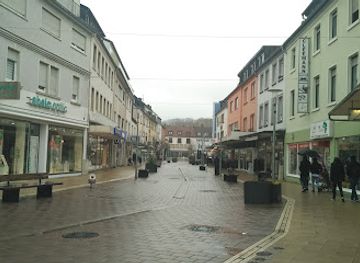
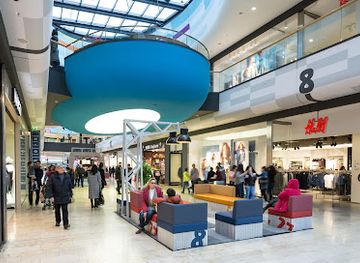
Shopping in the Palatinate is strongest in market towns and city centres rather than in large luxury districts. Speyer, Neustadt an der Weinstraße, Landau and Kaiserslautern have the widest mixture of everyday shops, independent retailers, bookshops, cafés and department-store-style outlets, while smaller wine towns specialise in galleries, delicatessens, antiques and local products. Weekly markets are useful for seasonal fruit, vegetables, bread, flowers and regional specialities, although market days vary by town. Wine is the most characteristic purchase, with estates and specialist shops offering bottles from the Deutsche Weinstraße; packaging for travel should be considered when buying from smaller producers. Farm shops sell honey, fruit, asparagus, preserves and other local produce, and regional bakeries make practical edible souvenirs. Craft products, ceramics, books about the landscape and locally made food are generally more meaningful purchases than generic gifts. Opening hours and card acceptance can be limited in village shops, especially outside the main tourist season.
-
Shopping mall
Zweibrücken Fashion Outlet
Zweibrücken Fashion Outlet: Premium brands at outlet prices in a vibrant shopping environment, perfect for fashion lovers and savvy shoppers.
-
Shopping mall
Rhein-Galerie Ludwigshafen
Rhein-Galerie Ludwigshafen: Your ultimate shopping destination in the heart of the city, offering a blend of retail, dining, and entertainment.
-
Shopping mall
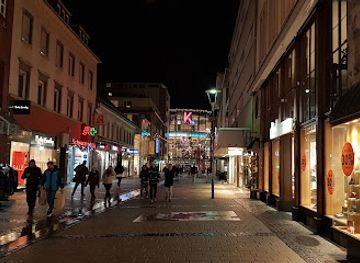
K in Lautern
Discover K in Lautern, Kaiserslautern's premier shopping mall, offering diverse retail options, delightful dining, and entertainment for all.
-
Outlet mall
Outlet Montabaur
Discover unbeatable deals and a unique shopping experience at Outlet Montabaur, your premier destination for fashion and lifestyle brands in Germany.
Get your free copy of our complete guide to Palatinate, delivered straight to you.
Everything on this page, from attractions and restaurants to essentials and local phrases, in one PDF you can read offline, print or share.
Already have an account? Sign in
Your Palatinate guide is ready.
We'll send it to · Not you? Sign out

Getting your guide ready…
We are putting together a fresh copy of the Palatinate guide. This can take up to a minute.
This can take a few moments. If your browser asks, choose Allow so the download can start. You'll find the guide in your Downloads folder.
Nothing happened? Download it again
Sorry, the guide is taking longer than usual. Please try again in a minute, or get it by email instead.
Palatinate essentials
Currency and Payment
Safety
Emergency Situations
Do's and Don'ts
Local Tips
From Eve
Local phrases worth knowing
You don't need to get them perfect. A few words go a long way, and locals appreciate the effort.
Basics
| English | Local | Say it |
|---|---|---|
| Hello | Hallo | [Hah-loh] |
| Goodbye | Auf Wiedersehen | [Owf Vee-der-zey-en] |
| Yes | Ja | [Yah] |
| No | Nein | [Nyn] |
| Please/You're welcome | Bitte | [Bit-teh] |
| Thank you | Danke | [Dahn-keh] |
| Excuse me/Sorry | Entschuldigung | [Ent-shool-dee-goong] |
| How are you? | Wie geht's? | [Vee gates?] |
| Fine. And you? | Gut. Und dir? | [Gooot. Oond deer?] |
| Do you speak English? | Sprechen Sie Englisch? | [Shpreck-en Zee Eng-lish?] |
| I don't understand | Ich verstehe nicht | [Ish fer-shtay-eh nikht] |
Eating & Drinking
| English | Local | Say it |
|---|---|---|
| I'd like to see the menu, please | Ich möchte die Speisekarte sehen, bitte | [Ish moech-teh dee Shpy-ze-kar-teh zay-en, bit-teh] |
| I don't eat meat | Ich esse kein Fleisch | [Ish es-seh kyn Flysh] |
| Cheers! | Prost! | [Prohst!] |
| I would like to pay, please | Ich möchte bezahlen, bitte | [Ish moech-teh beh-tsah-len, bit-teh] |
Emergencies
| English | Local | Say it |
|---|---|---|
| Help! | Hilfe! | [Hil-feh!] |
| Go away! | Geh weg! | [Gay vek!] |
| Call the Police! | Rufen Sie die Polizei! | [Roo-fen Zee dee Poh-li-tzai!] |
| Call a doctor! | Rufen Sie einen Arzt! | [Roo-fen Zee eye-nen Arzt!] |
| I'm lost | Ich habe mich verlaufen | [Ish hah-beh mikh fer-lou-fen] |
| I'm ill | Ich bin krank | [Ish bin krangk] |
Shopping
| English | Local | Say it |
|---|---|---|
| I'd like to buy... | Ich möchte ... kaufen | [Ish moech-teh ... kou-fen] |
| I'm just looking | Ich schaue nur | [Ish shau-eh nur] |
| How much is it? | Wie viel kostet es? | [Vee feel kost-et es?] |
| That's too expensive | Das ist zu teuer | [Das ist tsu toy-er] |
| Can you lower the price? | Können Sie den Preis senken? | [Koe-nen Zee den Pryce sen-ken?] |
Time & Numbers
| English | Local | Say it |
|---|---|---|
| What time is it? | Wie spät ist es? | [Vee shpaet ist es?] |
| It's one o'clock | Es ist ein Uhr | [Es ist ine Oor] |
| Half past (10) | Halb (10) | [Hahlb (10)] |
| Morning | Morgen | [Mor-gen] |
| Afternoon | Nachmittag | [Nahch-mit-tahg] |
| Evening | Abend | [Ah-bent] |
| Yesterday | Gestern | [Geh-stern] |
| Today | Heute | [Hoy-teh] |
| Tomorrow | Morgen | [Mor-gen] |
| 1 | Eins | [Eyns] |
| 2 | Zwei | [Tsva-ee] |
| 3 | Drei | [Dry] |
| 4 | Vier | [Veer] |
| 5 | Fünf | [Fuenf] |
| 6 | Sechs | [Zeks] |
| 7 | Sieben | [Zee-ben] |
| 8 | Acht | [Ahkt] |
| 9 | Neun | [Noyn] |
| 10 | Zehn | [Tsehn] |
Transport & Directions
| English | Local | Say it |
|---|---|---|
| Where's a/the...? | Wo ist ein/das ...? | [Vo ist ine/das ...?] |
| What's the address? | Wie ist die Adresse? | [Vee ist dee Ah-dres-seh?] |
| Can you show me (on the map)? | Können Sie mir (auf der Karte) zeigen? | [Koe-nen Zee meer (owf der Kar-teh) tsai-gen?] |
| When's the next (bus)? | Wann kommt der nächste (Bus)? | [Vahn kommt der nay-sh-teh (Boos)?] |
| A ticket (to ....) | Ein Ticket (nach ....) | [Ine Tick-et (nahkh ....)] |
History of Palatinate
Celtic and Roman Palatinate
Long before modern regional boundaries, the Palatinate was occupied by Celtic communities and later incorporated into the Roman world. Roman roads, settlements and agricultural estates connected the Rhine plain with the uplands, while the river served as a major military and commercial corridor. Evidence of this period survives in archaeological sites, museum collections and the wider settlement pattern, although much of the visible landscape has been reshaped repeatedly since antiquity. The region’s position between the Rhine, the uplands and routes towards Gaul made it a recurring zone of movement and exchange.
Speyer and the Salian Imperial Tradition
From the eleventh century, Speyer became one of the most important centres of the Holy Roman Empire. Speyer Cathedral, begun under the Salian dynasty and repeatedly altered over the centuries, was designed on an imperial scale and became the burial place of several medieval rulers. Its crypt and monumental Romanesque architecture express the political and religious importance of the city. The cathedral also demonstrates how the Palatinate’s Rhine towns were connected to imperial government, ecclesiastical power and long-distance trade during the Middle Ages.
Medieval Castles and Territorial Rule
The Palatinate’s hills were divided among princes, bishops, monasteries and lesser lords, whose territories were defended by castles on prominent ridges and above important routes. Trifels Castle near Annweiler is particularly associated with the imperial Hohenstaufen period and with the imprisonment of Richard the Lionheart in the twelfth century, although the surviving structure reflects later rebuilding. Other ruins across the Pfälzerwald and northern uplands record a political landscape in which control of roads, forests and agricultural settlements mattered as much as protection from military attack.
The Reformation and the Electoral Palatinate
Religious change during the sixteenth century affected towns and villages across the Palatinate, where Protestant ideas gained substantial ground while Catholic institutions remained important in places such as Speyer. The wider Electoral Palatinate was governed by the counts palatine, whose territories extended beyond the modern travel region and whose court was based principally at Heidelberg. War, dynastic rivalry and confessional conflict repeatedly disrupted the region, particularly during the Thirty Years’ War and the later conflicts that damaged towns, fortifications and rural communities.
French Rule and the Napoleonic Reorganisation
The Palatinate was repeatedly drawn into French military and political affairs from the late eighteenth century. During the Revolutionary and Napoleonic eras, French administration introduced legal and governmental changes, while warfare altered frontiers and weakened older territorial structures. The region’s proximity to France made the effects especially direct, but its cultural history remained intertwined with the German-speaking lands east of the Rhine. After Napoleon’s defeat, the Rhine Palatinate became part of the Kingdom of Bavaria in 1816, despite being separated from Bavaria’s main territory by other German states.
Hambach and the Growth of Political Liberalism
On 27 May 1832, thousands gathered near Hambach Castle above Neustadt for the Hambach Festival. Participants called for civil liberties, representative government and German national unity, and some also raised the colours later associated with the German democratic movement. The event was part of wider political unrest in the German Confederation rather than an isolated Palatinate tradition. Its location and scale gave it lasting symbolic importance, and Hambach Castle is now closely associated with the history of democratic aspirations in Germany.
Wine, Railways and Industrial Change
During the nineteenth century, improved roads and railway connections reshaped the Palatinate’s economy. Wine-growing expanded its markets, agricultural goods moved more efficiently towards the Rhine and industrial activity developed in towns such as Kaiserslautern and Pirmasens. Pirmasens became strongly associated with the shoe industry, while Kaiserslautern grew as a manufacturing and railway centre. These developments connected rural producers with national markets and encouraged urban growth, although agriculture and forestry remained important across large parts of the region.
The Palatinate in Rhineland-Palatinate
After the Second World War, the historic Bavarian Rhine Palatinate became part of the newly created federal state of Rhineland-Palatinate in 1946. The modern Palatinate is therefore a cultural and historical region rather than a separate German state or single administrative district. Its identity is sustained by the wine landscape, the Pfälzerwald, Rhine towns, regional speech and food traditions, while post-war reconstruction, European integration and cross-border links with Alsace and Lorraine have added contemporary layers to its older frontier character.
Palatinate in Photos
Browse through our photo collection highlighting the charm and character of the destination.
Neighbouring regions of Palatinate
The closest regions to Palatinate, if you have time for more than one.
-

-

-

-

-


Swipe for more regions
Explore more

Explore more of Germany
Experience Germany: where history meets innovation, and urban energy blends with natural beauty. Discover diverse cultures, delicious cuisine, and stunning landscapes.
Explore Germany