

Free Saarland Travel Guide & Mobile App
Explore Saarland with free travel guides. Discover regional history, expert tips, proposed trips, and audio guides on web or mobile app.


Explore Saarland for UNESCO industrial heritage, the Saarschleife, forest walks, borderland cuisine and cultured towns in western Germany.
Read more about Saarland
When is the best time to visit Saarland?
Best: June–August · 21–23°C| Month | High (°C) | Rainfall (mm) |
|---|---|---|
| JAN | 4 | 50 |
| FEB | 5 | 45 |
| MAR | 9 | 50 |
| APR | 14 | 55 |
| MAY | 18 | 65 |
| JUN (best) | 21 | 70 |
| JUL (best) | 23 | 70 |
| AUG (best) | 22 | 65 |
| SEP | 19 | 60 |
| OCT | 14 | 55 |
| NOV | 7 | 60 |
| DEC | 5 | 55 |
Getting to and around Saarland
How to get there
Transportation
Best attractions in Saarland
Saarland’s attractions combine industrial history with compact but varied landscapes. The Völklingen Ironworks is the defining heritage experience: its preserved blast furnaces, ore halls and elevated industrial spaces offer an unusually direct encounter with the age of steel. In the north, the Saarschleife near Mettlach provides the region’s best-known natural panorama, with walking routes and viewpoints above the sharply curving Saar. The Saar-Hunsrück countryside adds woodland trails, sandstone formations and long-distance walking opportunities. Around Perl, the Roman Villa Borg presents reconstructed buildings, gardens and archaeological interpretation, while the Moselle valley brings vineyards and cross-border scenery. Homburg’s Schlossberg caves are a distinctive underground attraction, and the Bliesgau combines orchards, limestone landscapes, villages and wildlife-rich countryside. Saarbrücken contributes museums, theatre, galleries and Baroque urban architecture, while Saarlouis and St Wendel offer historic townscapes. Travellers interested in living traditions can also explore local food markets, village festivals and river or cycling routes, although rural attractions often require more careful transport planning than the region’s urban museums.
-
Garden
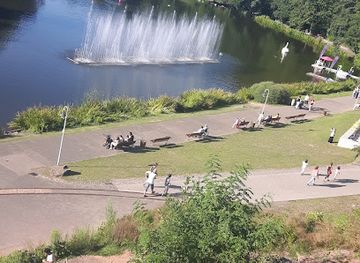
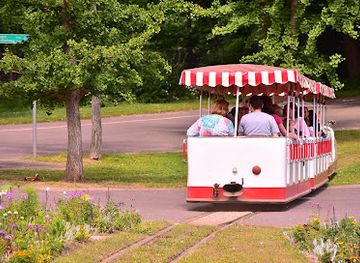
Deutsch-Französischer Garten
Discover the Deutsch-Französischer Garten in Saarbrücken, where lush landscapes and serene waters create a perfect getaway for nature lovers and tourists alike.
-
Science museum
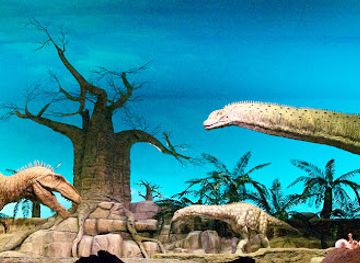
GONDWANA - the Prehistorium
Discover the wonders of the prehistoric world at GONDWANA - The Prehistorium, a unique science museum in Schiffweiler, Germany, perfect for families and curious minds.
-
Zoo
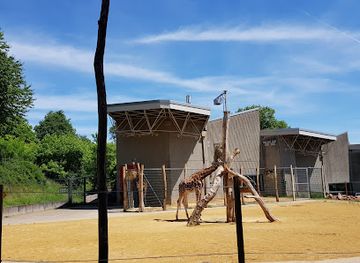
Saarbrücken Zoo
Explore the enchanting Saarbrücken Zoo, where wildlife comes to life with engaging exhibits and unforgettable animal encounters.
-
Animal park
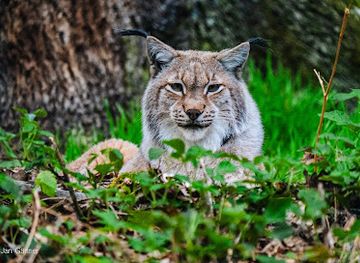
Wildpark
Experience the beauty of nature and diverse wildlife at Wildpark Saarbrücken, a premier animal park and hiking destination.
Best landmarks in Saarland
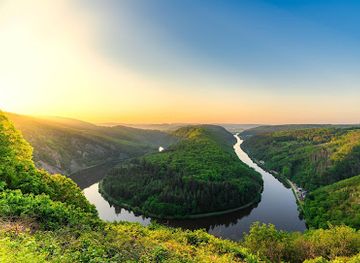
The Völklingen Ironworks is Saarland’s most powerful industrial landmark, its monumental furnaces and iron structures representing the scale of the region’s steelmaking era and its later conversion into a heritage and cultural site. The Saarbrücken Schlossplatz forms the architectural centre of the capital, bringing together the Baroque castle, civic buildings and the visible imprint of architect Friedrich Joachim Stengel’s eighteenth-century urban planning. Above Mettlach, the Cloef viewpoint looks across the Saarschleife, where the Saar bends around a wooded promontory in the landscape most associated with the region. Saarlouis retains traces of its planned fortress origins, including the ordered streets and defensive heritage of the town founded under Louis XIV. Homburg’s Schlossberg is notable for its red sandstone fortifications and extensive casemates and caves, while St Wendel’s basilica anchors a historic town centre with medieval associations. At Perl, the Roman Villa Borg is an important archaeological landmark rather than a surviving monumental ruin, presenting Roman rural architecture through careful reconstruction and interpretation.
-
Tourist attraction
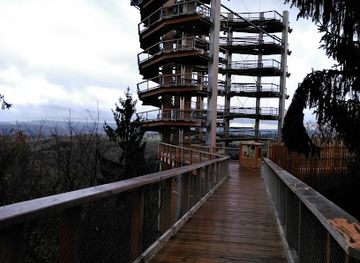
Treetop Walk Saarschleife
Experience breathtaking views and nature's beauty at Treetop Walk Saarschleife, an unforgettable treetop adventure in Saarland, Germany.
-
Garden
Deutsch-Französischer Garten
Discover the enchanting Deutsch-Französischer Garten in Saarbrücken, where nature and culture unite in a beautiful, serene setting.
-
Scenic spot
Cloef
Discover the breathtaking vistas of Cloef, a scenic spot in Mettlach that captivates nature lovers and hikers alike with its stunning landscapes and tranquil atmosphere.
-
Castle
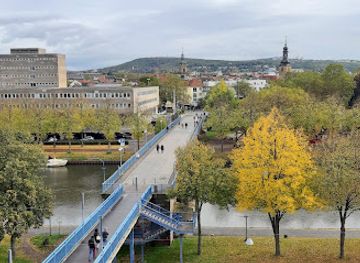
Saarbrücken Castle
Discover the rich history and stunning architecture of Saarbrücken Castle, a must-visit tourist attraction in Germany.
Explore Saarland on the map
Plan your trip on one map. See where the top cities, national parks and sights are, and book hotels and experiences in a few clicks.
Best hotels in Saarland
Best restaurants in Saarland
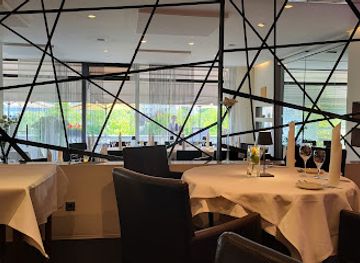
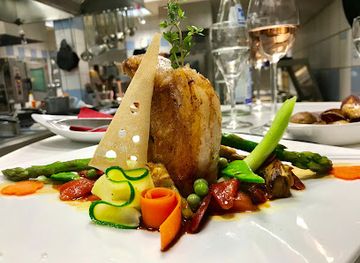
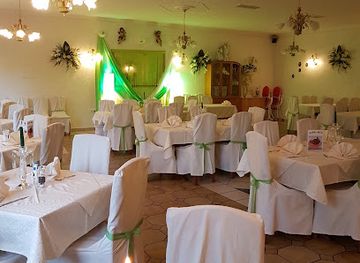
Saarland’s food culture is hearty, practical and strongly connected to the region’s former mining and industrial communities, while French influence is evident in the attention given to sauces, pâtisserie and café life. Lyoner, a smooth local-style sausage, appears in many forms; Dibbelabbes is a crisp-edged potato dish, and Schwenker refers both to a distinctive swinging grill and to pork cooked over an open wood fire. Menus often include potato specialities, seasonal game, soups and substantial bakery fare. The Moselle area around Perl provides Saarland’s small wine-growing landscape, while Viez, a tart apple cider, is associated with the wider Saar-Moselle border region. Saarbrücken has the broadest choice of contemporary restaurants, international food and cafés, whereas smaller towns and villages are better represented by traditional inns, bakeries and family-run dining rooms. Farmers’ markets and weekly markets are useful places to encounter regional produce, sausages, cheeses and seasonal fruit without mistaking every German dish for a specifically Saarland speciality.
-
European
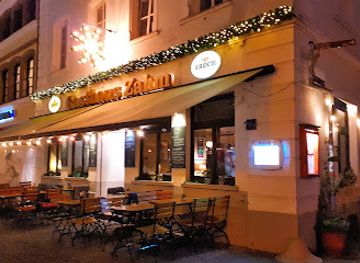
Gasthaus Zahm
Experience authentic European dining at Gasthaus Zahm, where tradition meets flavor in the heart of Saarbrücken.
-
Italian
Ristorante Roma - Saarbrücken
Discover authentic Italian flavors at Ristorante Roma in Saarbrücken – where every meal is a delightful journey through Italy.
-
French
Restaurant La Bécasse
Experience authentic French cuisine at Restaurant La Bécasse in Dillingen - a culinary delight awaits you with every dish!
-
Restaurant
Restaurant Altenwald
Experience the best of German cuisine at Restaurant Altenwald - where tradition meets health-conscious dining in Sulzbach.
Best bars in Saarland
Saarland’s evening life is concentrated in Saarbrücken, where the area around St Johanner Markt, the city centre and the university quarter provides pubs, wine bars, cafés, restaurants and live-music venues. The atmosphere is more local and conversational than that of a major German club capital, although occasional cultural programmes and late-night venues add variety. Saarlouis has a lively restaurant and pub scene around its historic centre, while St Wendel and other larger towns offer bars, traditional inns and seasonal events rather than a dense concentration of clubs. In rural areas, evenings usually centre on village restaurants, beer gardens, wine establishments near the Moselle or community events. Regional breweries and drinks producers can be part of a food-focused itinerary, but opening arrangements vary, and advance checks are sensible. Public transport is strongest around Saarbrücken, so visitors staying in the countryside should plan their return journey rather than relying on late services.
-
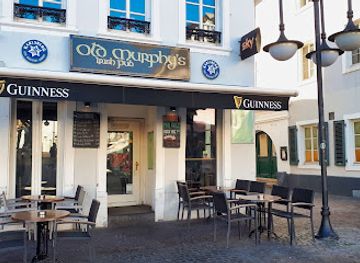
Irish pub
Old Murphy's
Experience the best of Irish cuisine and lively atmosphere at Old Murphy's in Saarbrücken, a must-visit pub for food lovers and travelers.
-
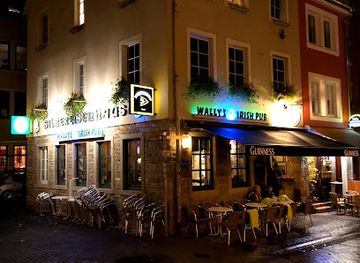
Pub
Wallys Irish Pub - Saarbrücken
Experience the charm of Ireland at Wallys Irish Pub in Saarbrücken, where great food, drinks, and lively entertainment come together.
-
Gastropub
Nilles Saarbrooklyn, Kneipe der Hoffnungslosigkeit
Experience the vibrant atmosphere of Nilles Saarbrooklyn, a gastropub offering delicious food, live music, and a lively sports bar scene in Saarbrücken.
-
Pub
Kurze Eck - Saarbrücken
Discover the lively atmosphere of Kurze Eck, a top pub in Saarbrücken, perfect for enjoying local drinks and vibrant nightlife.
Best nightclubs in Saarland
Saarland’s evening life is concentrated in Saarbrücken, where the area around St Johanner Markt, the city centre and the university quarter provides pubs, wine bars, cafés, restaurants and live-music venues. The atmosphere is more local and conversational than that of a major German club capital, although occasional cultural programmes and late-night venues add variety. Saarlouis has a lively restaurant and pub scene around its historic centre, while St Wendel and other larger towns offer bars, traditional inns and seasonal events rather than a dense concentration of clubs. In rural areas, evenings usually centre on village restaurants, beer gardens, wine establishments near the Moselle or community events. Regional breweries and drinks producers can be part of a food-focused itinerary, but opening arrangements vary, and advance checks are sensible. Public transport is strongest around Saarbrücken, so visitors staying in the countryside should plan their return journey rather than relying on late services.
-
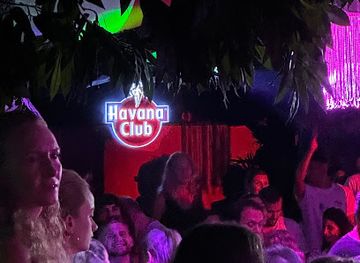
Disco club
Havana Saarbrücken
Discover the vibrant nightlife of Havana Saarbrücken, where dance, dining, and unforgettable memories await in the heart of Germany.
-
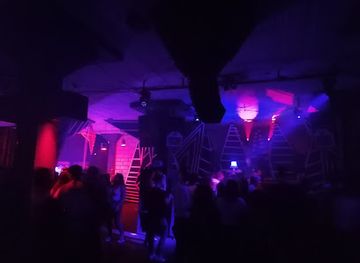
Night club
Silodom - Saarbrücken
Discover the vibrant nightlife at Silodom in Saarbrücken, where unforgettable dance experiences and lively music await until dawn.
-
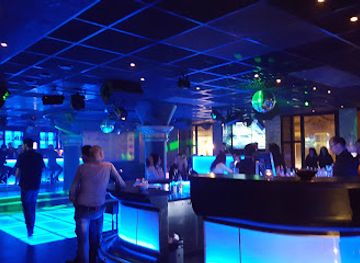
Disco club
Apartment Nightclub
Experience the vibrant nightlife of Saarbrücken at Apartment Nightclub, where electrifying music meets unforgettable moments.
-
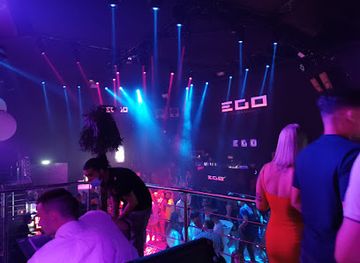
Night club
EGO Club
Experience the vibrant nightlife of Saarbrücken at EGO Club, where electrifying beats meet an energetic atmosphere for an unforgettable night out.
Best shops in Saarland
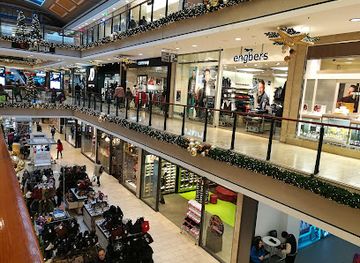
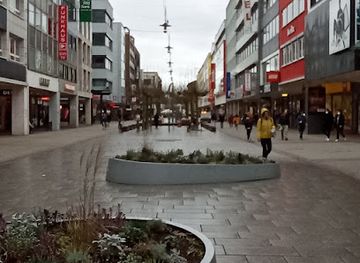
Shopping in Saarland is strongest in Saarbrücken, where Bahnhofstrasse provides the main central retail street and the St Johanner Markt area combines independent shops, cafés and food-focused browsing. Saarlouis offers a more compact historic-centre experience, while St Wendel and other market towns are suited to smaller-scale shopping, books, clothing, bakeries and local services rather than extensive department-store retail. Weekly markets are useful for regional sausages, cheese, fruit, vegetables and baked goods, with schedules varying by town and season. Around the Moselle and Bliesgau, visitors can look for local wine, apple products, preserves and other farm-made goods, while galleries and craft shops offer ceramics, art and handmade gifts without relying on stereotypical souvenirs. Saarbrücken also has the broadest selection of contemporary fashion, design and international brands. Shoppers crossing into France or Luxembourg should remember that they are leaving Saarland and should check transport, payment and tax arrangements relevant to their own circumstances.
-
Shopping mall
Zweibrücken Fashion Outlet
Shop till you drop at Zweibrücken Fashion Outlet, where fashion meets affordability and variety in a vibrant open-air setting.
-
Shopping mall
Europa Galerie
Experience the ultimate shopping haven at Europa Galerie in Saarbrücken, featuring diverse shops, dining options, and a vibrant atmosphere.
-
Shopping mall
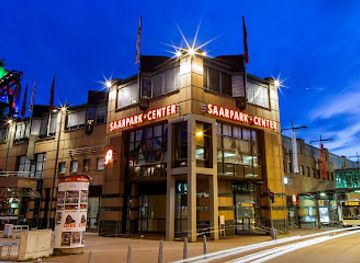
Saarpark-Center
Discover the vibrant shopping experience at Saarpark-Center in Neunkirchen, where fashion, dining, and entertainment meet.
-
Clothing store
Primark
Explore trendy fashion at Primark in Saarbrücken, where affordability meets style for every shopper's delight.

Get your free copy of our complete guide to Saarland, delivered straight to you.
Everything on this page, from attractions and restaurants to essentials and local phrases, in one PDF you can read offline, print or share.
Already have an account? Sign in
Your Saarland guide is ready.
We'll send it to · Not you? Sign out

Getting your guide ready…
We are putting together a fresh copy of the Saarland guide. This can take up to a minute.
This can take a few moments. If your browser asks, choose Allow so the download can start. You'll find the guide in your Downloads folder.
Nothing happened? Download it again
Sorry, the guide is taking longer than usual. Please try again in a minute, or get it by email instead.
Saarland essentials
Currency and Payment
Safety
Emergency Situations
Do's and Don'ts
Local Tips
From Eve
Local phrases worth knowing
You don't need to get them perfect. A few words go a long way, and locals appreciate the effort.
Basics
| English | Local | Say it |
|---|---|---|
| Hello | Hallo | [Hah-loh] |
| Goodbye | Auf Wiedersehen | [Owf Vee-dair-zay-en] |
| Yes | Ja | [Yah] |
| No | Nein | [Nine] |
| Please/You're welcome | Bitte | [Bitt-eh] |
| Thank you | Danke | [Dahn-keh] |
| Excuse me/Sorry | Entschuldigung | [Ent-shool-dee-goong] |
| How are you? | Wie geht's? | [Vee gates?] |
| Fine. And you? | Gut. Und dir? | [Gooot. Oond deer?] |
| Do you speak English? | Sprechen Sie Englisch? | [Shpreck-en Zee Eng-lish?] |
| I don't understand | Ich verstehe nicht | [Ish fer-shtay-eh niht] |
Eating & Drinking
| English | Local | Say it |
|---|---|---|
| I'd like to see the menu, please | Ich möchte die Speisekarte sehen, bitte | [Ish murk-te dee Shpie-ze-kahr-te say-en, bitt-eh] |
| I don't eat meat | Ich esse kein Fleisch | [Ish ess-eh kighn Flysh] |
| Cheers! | Prost! | [Prohst!] |
| I would like to pay, please | Ich möchte bezahlen, bitte | [Ish murk-te beh-tsah-len, bitt-eh] |
Emergencies
| English | Local | Say it |
|---|---|---|
| Help! | Hilfe! | [Hil-feh!] |
| Go away! | Geh weg! | [Gay veg!] |
| Call the Police! | Rufen Sie die Polizei! | [Roof-en Zee dee Poh-lee-tsai!] |
| Call a doctor! | Rufen Sie einen Arzt! | [Roof-en Zee eye-nen Artz!] |
| I'm lost | Ich bin verloren | [Ish bin fer-lo-ren] |
| I'm ill | Ich bin krank | [Ish bin krunk] |
Shopping
| English | Local | Say it |
|---|---|---|
| I'd like to buy... | Ich möchte kaufen... | [Ish murk-te kown-fen...] |
| I'm just looking | Ich schaue nur | [Ish shou-eh noor] |
| How much is it? | Wie viel kostet es? | [Vee feel cost-et es?] |
| That's too expensive | Das ist zu teuer | [Dahs ist tsoo toy-er] |
| Can you lower the price? | Können Sie den Preis senken? | [Kurn-en Zee den Price zen-ken?] |
Time & Numbers
| English | Local | Say it |
|---|---|---|
| What time is it? | Wie spät ist es? | [Vee shpaht ist es?] |
| It's one o'clock | Es ist ein Uhr | [Es ist ine Oor] |
| Half past (10) | Halb (10) | [Halb (10)] |
| Morning | Morgen | [Mor-gen] |
| Afternoon | Nachmittag | [Nahch-mit-tahg] |
| Evening | Abend | [Ah-bend] |
| Yesterday | Gestern | [Gest-ern] |
| Today | Heute | [Hoy-teh] |
| Tomorrow | Morgen | [Mor-gen] |
| 1 | Eins | [Eins] |
| 2 | Zwei | [Tsvy] |
| 3 | Drei | [Dry] |
| 4 | Vier | [Fear] |
| 5 | Fünf | [Foonf] |
| 6 | Sechs | [Zex] |
| 7 | Sieben | [Zee-ben] |
| 8 | Acht | [Acht] |
| 9 | Neun | [Noyn] |
| 10 | Zehn | [Tsen] |
Transport & Directions
| English | Local | Say it |
|---|---|---|
| Where's a/the...? | Wo ist ein/das...? | [Vo ist ine/dahs...?] |
| What's the address? | Was ist die Adresse? | [Vahs ist dee Ah-dress-eh?] |
| Can you show me (on the map)? | Können Sie mir (auf der Karte) zeigen? | [Kurn-en Zee meer (owf der Kar-teh) tsai-gen?] |
| When's the next (bus)? | Wann kommt der nächste (Bus)? | [Vahn komt dare nay-shteh (Boos)?] |
| A ticket (to ....) | Ein Ticket (nach ....) | [Ine Tick-et (nahch ....)] |
History of Saarland
Celtic and Roman Borderlands
The Saarland formed part of a Celtic landscape before Roman expansion brought roads, estates, agriculture and trade links into the region. Roman settlement was particularly significant around the Moselle and the southern Saarland. The reconstructed Roman Villa Borg near Perl illustrates the scale and organisation of an elite rural estate, while archaeological remains elsewhere show how communities were connected to wider provincial networks. Roman influence did not erase earlier traditions, but it established transport and administrative patterns whose traces remain important to the region’s archaeological identity.
Medieval Monasteries and Territorial Lords
After the Roman period, authority in the Saarland became divided among ecclesiastical foundations and noble territories. Monasteries, including the important abbey at Mettlach, helped shape settlement, landholding and religious life. Medieval castles and fortified towns guarded routes along the Saar and through the surrounding hills. Over time, the region was divided among powers such as the Electorate of Trier, Lorraine, Nassau-Saarbrücken and other local lordships, creating a political mosaic that helps explain Saarland’s varied architecture and its long-standing position between larger neighbours.
The Rise of Nassau-Saarbrücken
Saarbrücken developed under the counts and later princes of Nassau-Saarbrücken, whose territories became an important focus of regional administration and culture. The eighteenth-century town benefited from court patronage, and the Baroque townscape around Saarbrücken Castle still reflects this period. The ruling house also encouraged economic development and urban improvement. Although the principality was modest in size, its institutions contributed to the emergence of Saarbrücken as the principal political and cultural centre of the Saar valley.
Coal, Iron and Industrialisation
From the eighteenth century onwards, coal extraction and iron production transformed the Saarland. Local coal supported furnaces, foundries and later large-scale steelmaking, while railways and river transport connected the industrial district with wider markets. The Völklingen Ironworks, founded in the nineteenth century and expanded over decades, embodies this industrial transformation. Mining and steel created employment and distinctive working communities, but also brought demanding labour conditions and environmental change. Their legacy remains visible in industrial monuments, former mine sites, housing and family traditions.
The Saar Territory after the First World War
The settlement after the First World War placed the Saar Basin under the administration of the League of Nations, while France received control of the region’s coal mines. This arrangement reflected the strategic and economic importance of the Saarland and separated it temporarily from Germany. A plebiscite held in 1935 produced an overwhelming vote to return to Germany, although the political circumstances were shaped by intense pressure and the rise of National Socialism. The period left a lasting mark on Saarland’s sense of contested identity and international significance.
Post-war Autonomy and the European Question
After the Second World War, the Saarland was placed under French influence and developed a separate political and economic status. The 1955 referendum rejected a proposed Europeanised Saar Statute, and negotiations then led towards political integration with the Federal Republic of Germany. Saarland joined West Germany in 1957, while economic integration followed in 1959. This transition is central to the region’s modern history: Saarland was not simply a border province but a testing ground for post-war European cooperation, sovereignty and reconciliation.
Industrial Change and Cultural Reorientation
The later twentieth century brought the decline and restructuring of coal mining and traditional steel production, industries that had dominated Saarland’s economy and social life. Former industrial sites were preserved, adapted or incorporated into cultural and educational projects, most visibly at the Völklingen Ironworks. At the same time, Saarbrücken expanded its roles in higher education, administration and the arts, while cross-border cooperation with France and Luxembourg became increasingly important. Today the region’s identity combines industrial memory with environmental recreation, cultural exchange and European connectivity.
Saarland in Photos
Browse through our photo collection highlighting the charm and character of the destination.
Neighbouring regions of Saarland
The closest regions to Saarland, if you have time for more than one.
-

-

-

-

-


Swipe for more regions
Explore more

Explore more of Germany
Experience Germany: where history meets innovation, and urban energy blends with natural beauty. Discover diverse cultures, delicious cuisine, and stunning landscapes.
Explore Germany