Bastion Brandenburgia, Brandenburg Travel Guide
Explore Bastion Brandenburgia, a historic fortress remnant in Kostrzyn nad Odrą, offering a glimpse into Poland's military past and stunning views of the Oder River.
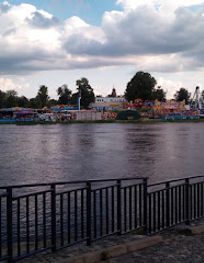
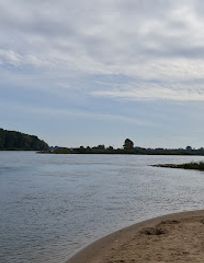
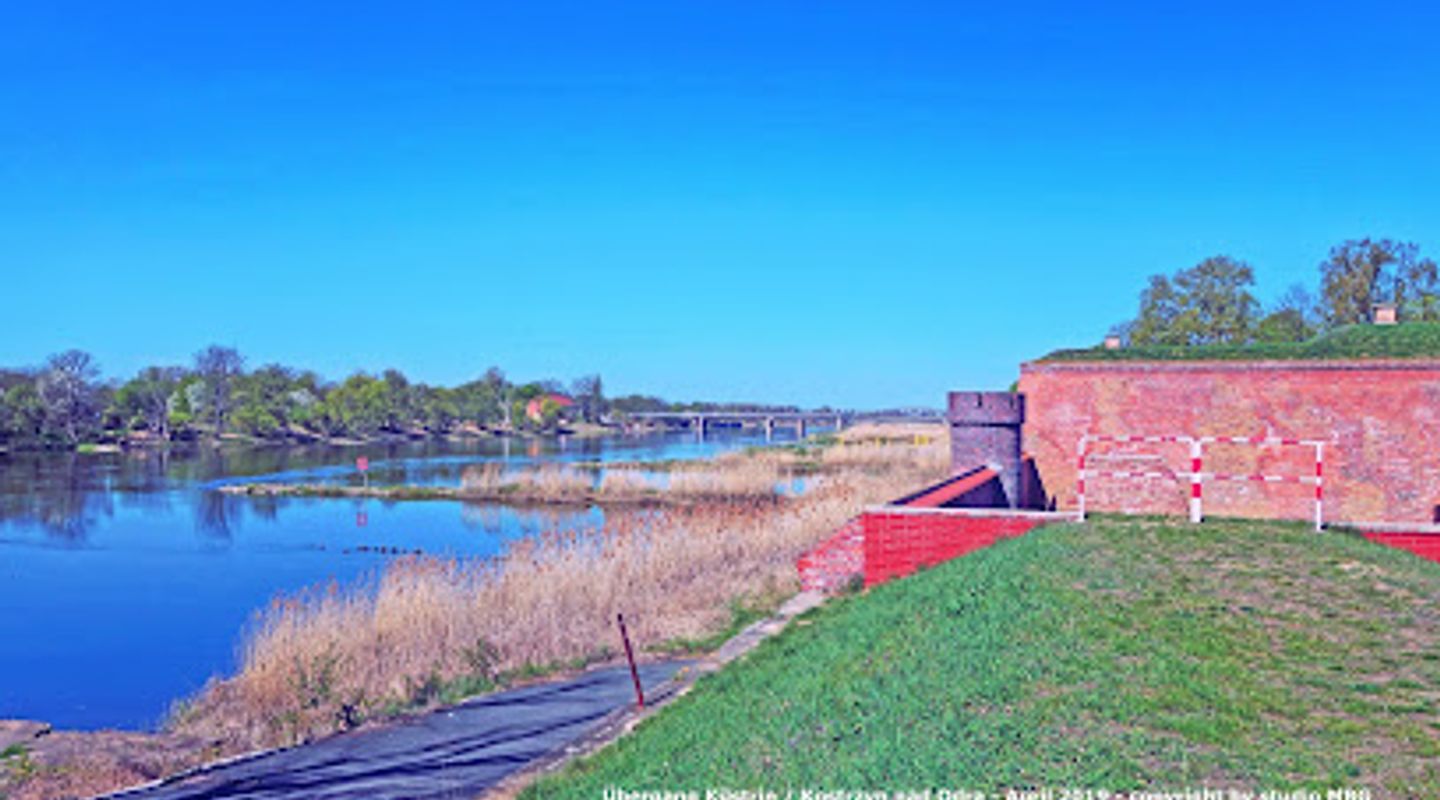
Bastion Brandenburgia, a well-preserved part of the Kostrzyn Fortress, offers a glimpse into the region's rich military history. Originally constructed in the 16th century and later modified, this bastion played a crucial role in defending the area. Today, visitors can explore the grounds, admire the architecture, and learn about the fortress's strategic importance. The site provides panoramic views of the surrounding landscape, including the Oder River. While the museum within offers insights into the fortress's past, the bastion itself stands as a testament to the ingenuity and resilience of military engineering. A visit here is a journey back in time, offering a unique perspective on the region's complex history and its enduring legacy.
A brief summary to Bastion Brandenburgia
- Kostrzyn nad Odrą, 66-470, PL
- Click to display
- Click to display

Know before you go
Hi, I'm Eve. Here are a few practical things to know before exploring Bastion Brandenburgia.
- Wear comfortable shoes, as exploring the bastion involves walking on uneven surfaces and climbing stairs.
- Visit the museum inside the bastion to learn more about the history of the fortress and the town.
- Bring a camera to capture the panoramic views of the Oder River and the surrounding landscape.
Do you manage this location?
Take control to get all the benefits, like improved information, better appearance, and stronger visibility across AI-powered discovery. Learn more about listing your business on Evendo
Activate your presenceOther nearby places you may find interesting
The closest places of the same kind, if this one is not quite what you had in mind.
Explore Bastion Brandenburgia on the Map
A handpicked selection of must-see spots near Bastion Brandenburgia, mapped for you.
Getting There
-
Walking
From the Kostrzyn nad Odrą train station or the town center, Bastion Brandenburgia is approximately a 20-30 minute walk. Follow the signs towards the Old Town (Stare Miasto) and the fortress. The bastion is located within the fortress complex. As you approach the Old Town area, you'll see the imposing fortress walls. The Brandenburg Bastion is clearly marked. The walk is straightforward and takes you through the historic part of town.
-
Public Transport
Local buses operate in Kostrzyn nad Odrą, but service to the immediate vicinity of the Bastion Brandenburgia might be limited. Check local bus schedules at the Dworcowa Street bus stop near the train station for the most up-to-date information. If a bus is available, look for routes heading towards Stary Kostrzyn (Old Kostrzyn). From the nearest bus stop, there will be a short walk to the bastion.
-
Taxi/Ride-Share
Taxis and ride-sharing services are available in Kostrzyn nad Odrą. A taxi from the train station or town center to Bastion Brandenburgia will take approximately 5-10 minutes. A ride should cost around 15-25 PLN. Be sure to confirm the fare with the driver before starting your journey.
-
Driving
If driving, navigate towards Kostrzyn nad Odrą's Old Town (Stare Miasto). There is street parking available near the site, which is free of charge. However, parking can be limited, especially during peak season. Consider parking near the Town Hall and walking to the Bastion. From the parking area, follow the signs to Bastion Brandenburgia. Note that some streets in the Old Town may have restricted access.
Discover more about Bastion Brandenburgia













Your all‑in‑one travel companion app
Explore expert travel guides, compare and book tours, experiences, hotels, and more—all from the palm of your hand. Download now for seamless trip planning wherever your wanderlust takes you.


Explore More of Brandenburg
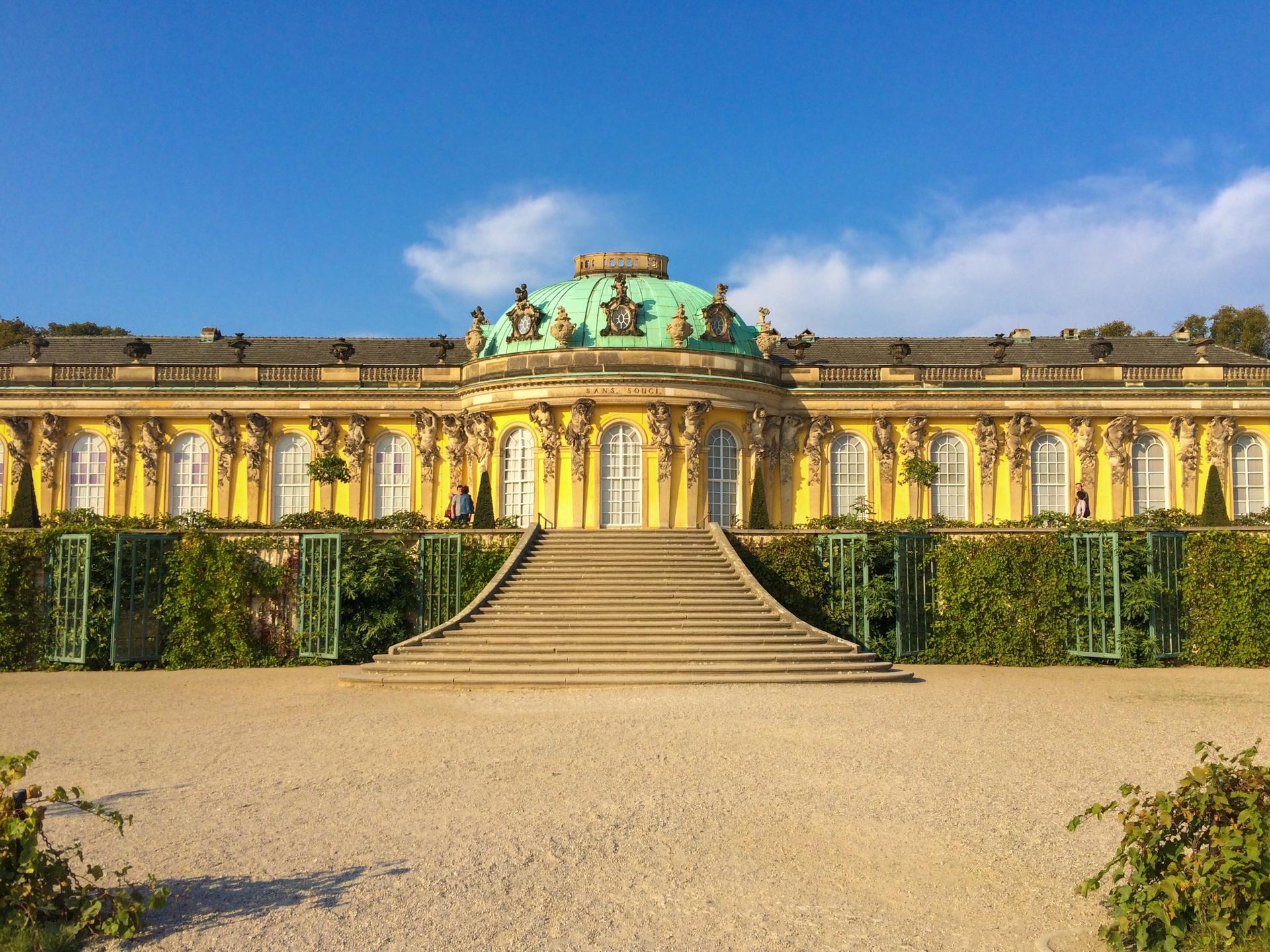
Looking beyond Bastion Brandenburgia? Discover Brandenburg for broader travel guides, local hot-spots, and regional highlights.
Explore Brandenburg