
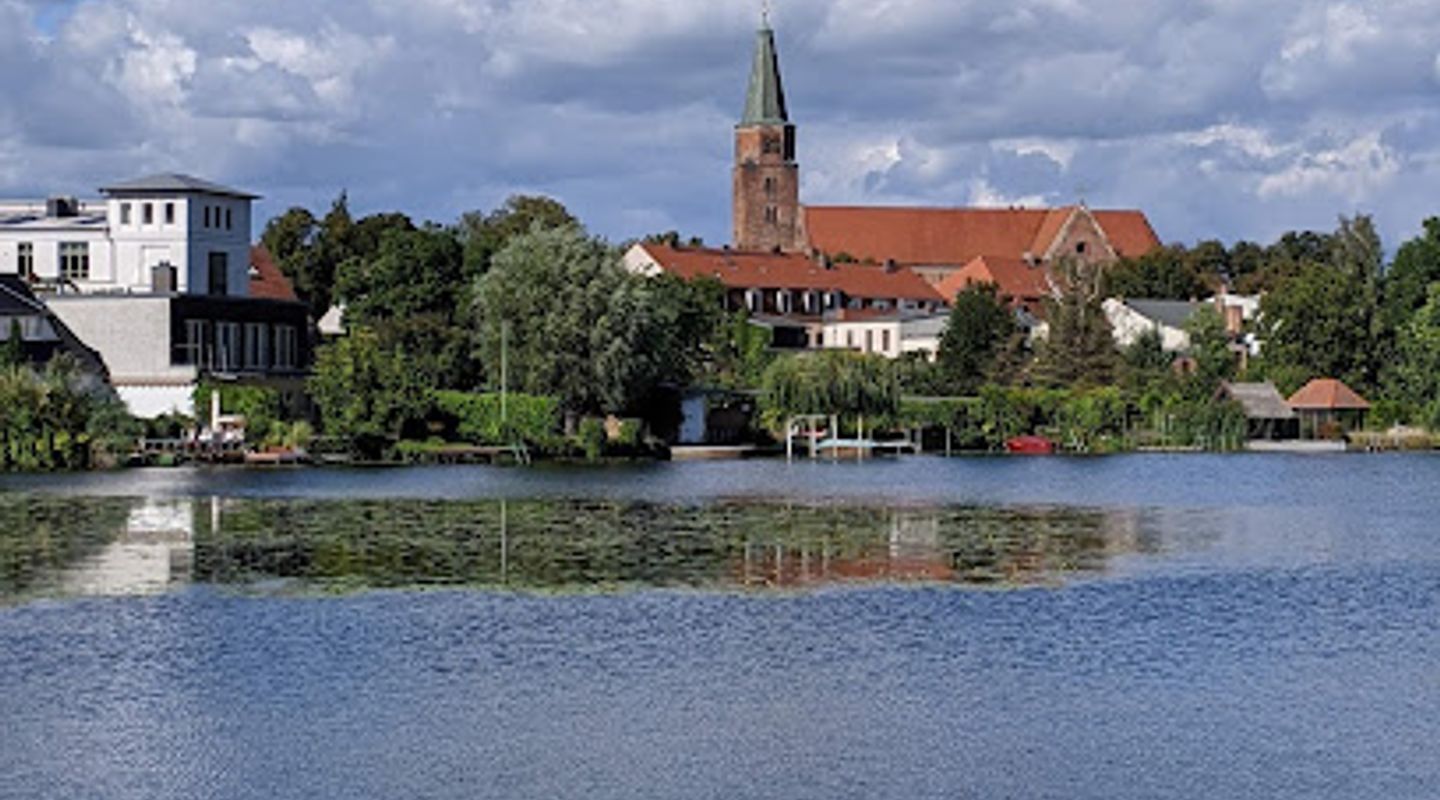
Brandenburg Cathedral, Brandenburg Travel Guide
Explore Brandenburg Cathedral, a stunning blend of Romanesque and Gothic architecture, and discover centuries of history within its hallowed walls on Cathedral Island.
Brandenburg Cathedral, or Dom St. Peter und Paul, stands as a testament to centuries of history and architectural evolution. Located on Cathedral Island (Dominsel) in Brandenburg an der Havel, it's considered the cradle of the Mark Brandenburg. Founded in 948 by King Otto I, the original church was destroyed and later rebuilt in 1165. Over the centuries, it transformed from a Romanesque basilica to a Brick Gothic masterpiece, showcasing a blend of styles. Visitors can explore its impressive interior, adorned with medieval art, epitaphs, and the stunning Bohemian Altar. The cathedral's serene atmosphere and historical significance make it a must-see destination for those seeking to delve into the region's rich past.
A brief summary to Brandenburg Cathedral
- Burghof 9, Brandenburg, 14776, DE
- Click to display
- Click to display

Know before you go
Hi, I'm Eve. Here are a few practical things to know before exploring Brandenburg Cathedral.
- Check the Domstift Brandenburg website for current opening hours and any special events or services that may be taking place during your visit.
- Take a guided tour to fully appreciate the cathedral's history, art, and architectural details. English-language tours are often available.
- Visit the Cathedral Museum to see the collection of medieval vestments and the Brandenburg Lenten Veil.
Do you manage this location?
Take control to get all the benefits, like improved information, better appearance, and stronger visibility across AI-powered discovery. Learn more about listing your business on Evendo
Activate your presenceOther nearby places you may find interesting
The closest places of the same kind, if this one is not quite what you had in mind.
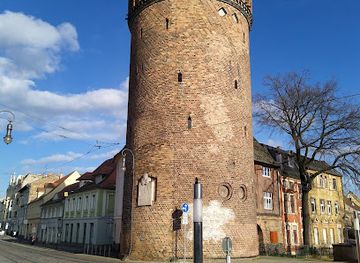
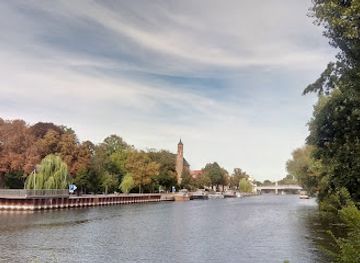
Explore Brandenburg Cathedral on the Map
A handpicked selection of must-see spots near Brandenburg Cathedral, mapped for you.
Unlock the Best of Brandenburg Cathedral
Buy tickets
-
No tickets available
Book tours with entry
-
No tours available
Book tours without entry

Getting There
-
Walking
From the Neustädtischer Markt, cross the Jahrtausendbrücke (Millennium Bridge) towards the Altstadt (Old Town). Continue straight, following the signs for Dominsel. After crossing the bridge to Dominsel, the cathedral will be directly ahead. The walk is approximately 15 minutes and offers scenic views of the Havel River. No costs are associated with this route.
-
Public Transport
From Brandenburg Hauptbahnhof (main train station), take Tram line 6 towards Anton-Saefkow-Allee to the 'Nicolaiplatz' stop. From there, walk across the Jahrtausendbrücke (Millennium Bridge) towards the Altstadt (Old Town). Continue straight, following the signs for Dominsel. After crossing the bridge to Dominsel, the cathedral will be directly ahead. The cathedral will be directly ahead. A single tram ticket costs €2.50.
-
Driving
From the A2 motorway, take the Brandenburg exit and follow signs towards the city center (Zentrum). Once in the city center, follow signs to Dominsel. Limited parking is available on Dominsel itself. Alternatively, park in the St. Annen Galerie parking garage (Deutsches Dorf) in the city center and walk across the Jahrtausendbrücke (Millennium Bridge) to Dominsel. Parking at St. Annen Galerie costs approximately €2 per hour. P+R (Park and Ride) options are available at Nicolaiplatz, where a day ticket for parking and public transport costs €2.50.
Discover more about Brandenburg Cathedral













Your all‑in‑one travel companion app
Explore expert travel guides, compare and book tours, experiences, hotels, and more—all from the palm of your hand. Download now for seamless trip planning wherever your wanderlust takes you.


Explore More of Brandenburg
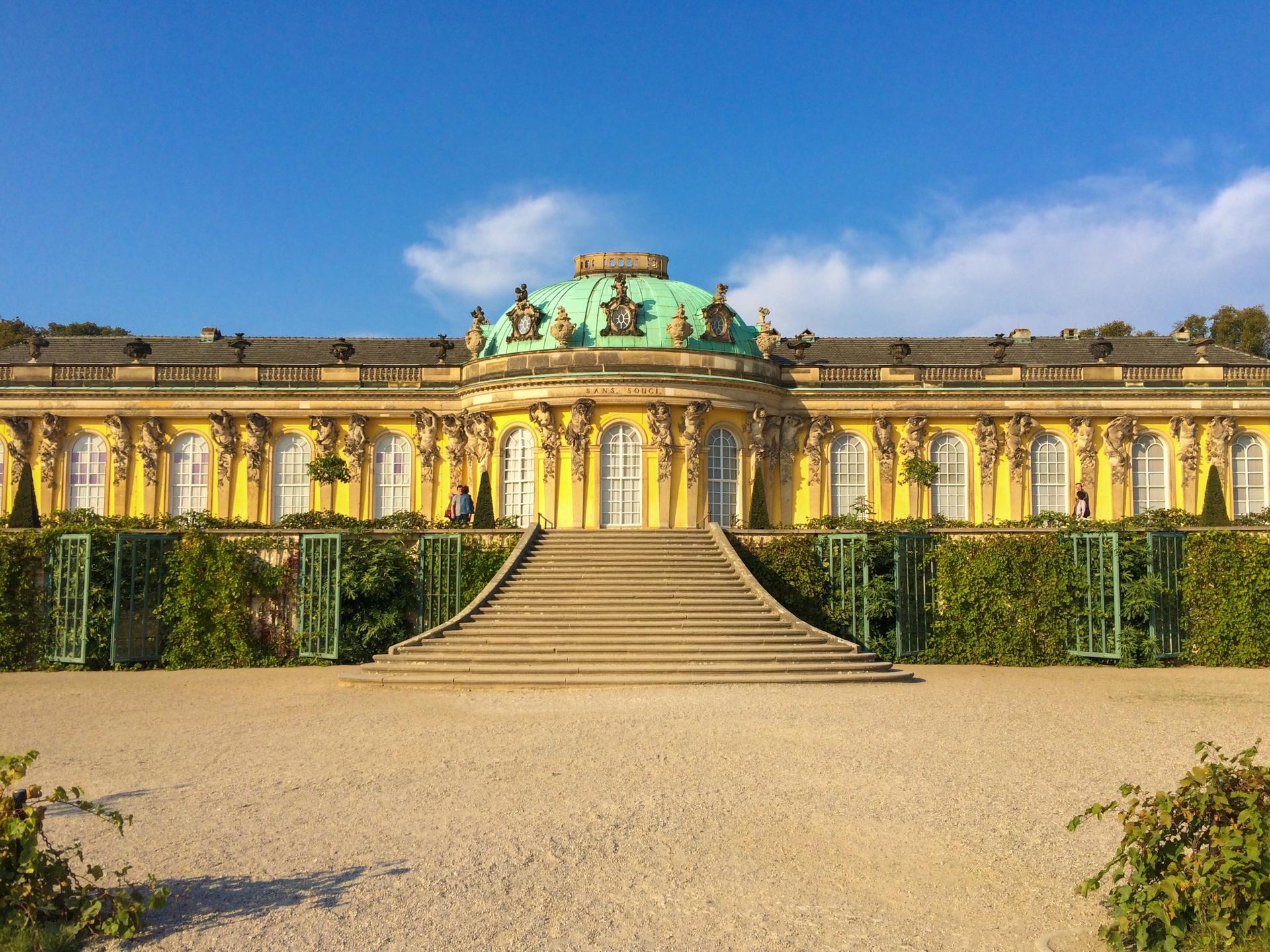
Looking beyond Brandenburg Cathedral? Discover Brandenburg for broader travel guides, local hot-spots, and regional highlights.
Explore Brandenburg
Discover the whimsical Waldmops statue near Brandenburg Cathedral, a tribute to comedian Loriot, blending humor with the city's rich history and offering a delightful photo opportunity.
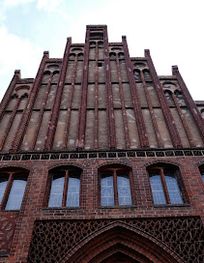
Explore ten centuries of religious art and history at the Dommuseum Brandenburg, nestled in the heart of Cathedral Island, showcasing medieval textiles, sculptures, and historical documents.
