
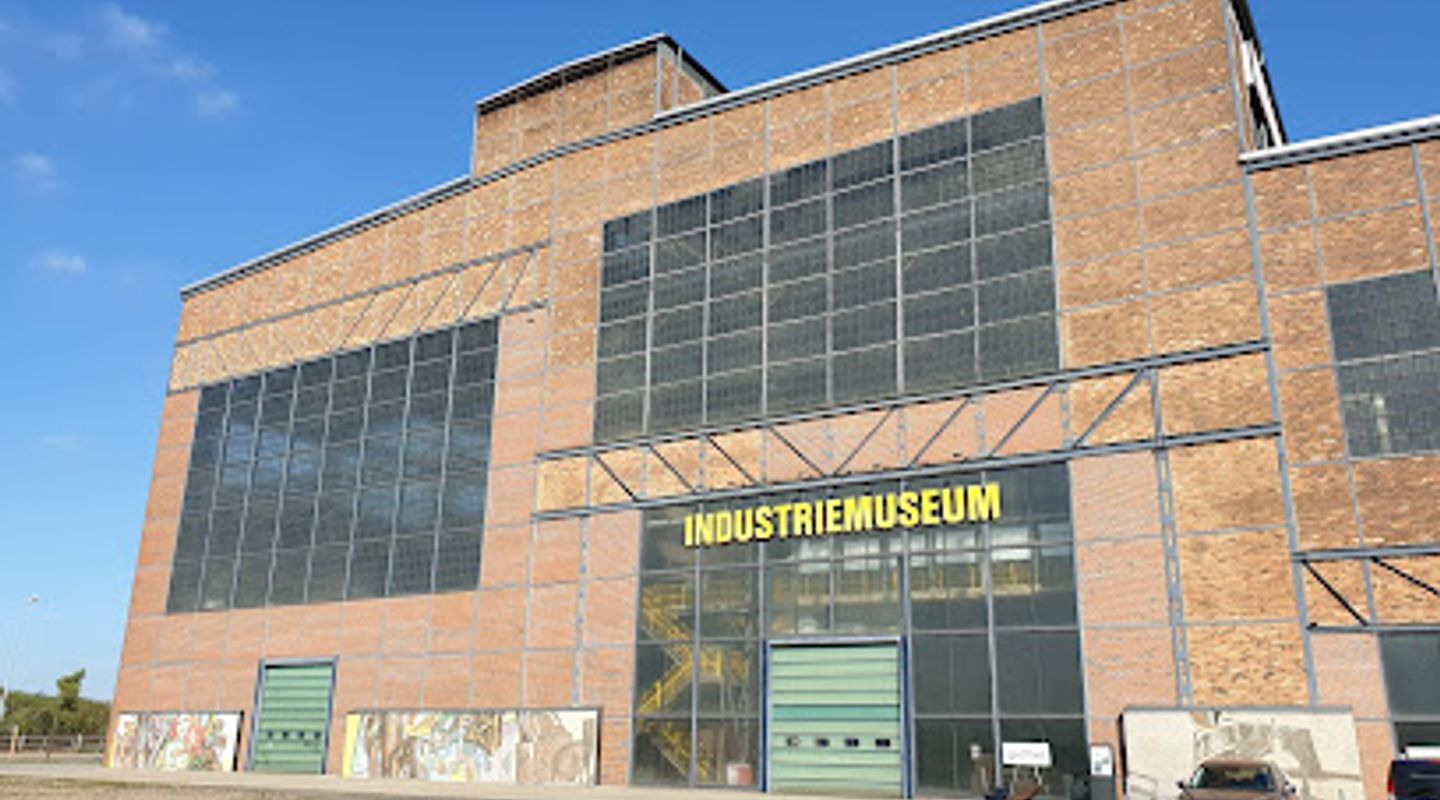
Industrial Museum Brandenburg, Brandenburg Travel Guide
Explore Brandenburg's industrial heart: Discover the legacy of steelmaking at the Industrial Museum, home to the last Siemens-Martin furnace and interactive exhibits for all ages.
Delve into Brandenburg's industrial past at the Industrial Museum, housed in a former steel factory. Explore the colossal Siemens-Martin furnace, the last of its kind in Western Europe, and discover the captivating history of steel production in the region. Interactive exhibits, preserved factory spaces, and a comprehensive collection of machinery and tools offer an immersive experience for all ages. Gain insights into the lives of the workers who fueled the industrial sector and witness the evolution of manufacturing processes that shaped the modern world. The museum also showcases the history of the Brennabor works, Germany's largest automobile factory in the early 1920s. Regular workshops and guided tours enhance the experience, providing context and stories behind the exhibits, making it a must-see attraction for those interested in industrial heritage.
A brief summary to Industrial Museum Brandenburg
- August-Sonntag-Straße 5, Brandenburg, 14770, DE
- Click to display
- Click to display

Know before you go
Hi, I'm Eve. Here are a few practical things to know before exploring Industrial Museum Brandenburg.
- Visit on a weekday to avoid crowds and enjoy a more intimate experience exploring the museum's exhibits.
- Check the museum's schedule for special events or workshops to enhance your visit with unique activities.
- Don't miss the café for a taste of local dishes after exploring the exhibits.
- Take advantage of guided tours for deeper insights into the exhibits and the museum's history.
Do you manage this location?
Take control to get all the benefits, like improved information, better appearance, and stronger visibility across AI-powered discovery. Learn more about listing your business on Evendo
Activate your presenceOther nearby places you may find interesting
The closest places of the same kind, if this one is not quite what you had in mind.
Explore Industrial Museum Brandenburg on the Map
A handpicked selection of must-see spots near Industrial Museum Brandenburg, mapped for you.
Getting There
-
Public Transport
From Brandenburg Hauptbahnhof (main station), take bus line 561 or 562 towards 'Brandenburg Stadtmitte'. Get off at the stop 'August-Sonntag-Straße'. From there, it's a short walk to the museum. A single bus fare is approximately €2-€3.
-
Walking
If you are in the city center, the Industrial Museum Brandenburg is easily accessible on foot. Head towards the river and follow the signs for August-Sonntag-Straße.
-
Driving
If driving, navigate to August-Sonntag-Straße 5, 14770 Brandenburg an der Havel. Parking is available near the museum, but check for parking fees upon arrival. Parking fees typically range from €1-€2 per hour.
Discover more about Industrial Museum Brandenburg
More to explore near Industrial Museum Brandenburg













Your all‑in‑one travel companion app
Explore expert travel guides, compare and book tours, experiences, hotels, and more—all from the palm of your hand. Download now for seamless trip planning wherever your wanderlust takes you.


Explore More of Brandenburg
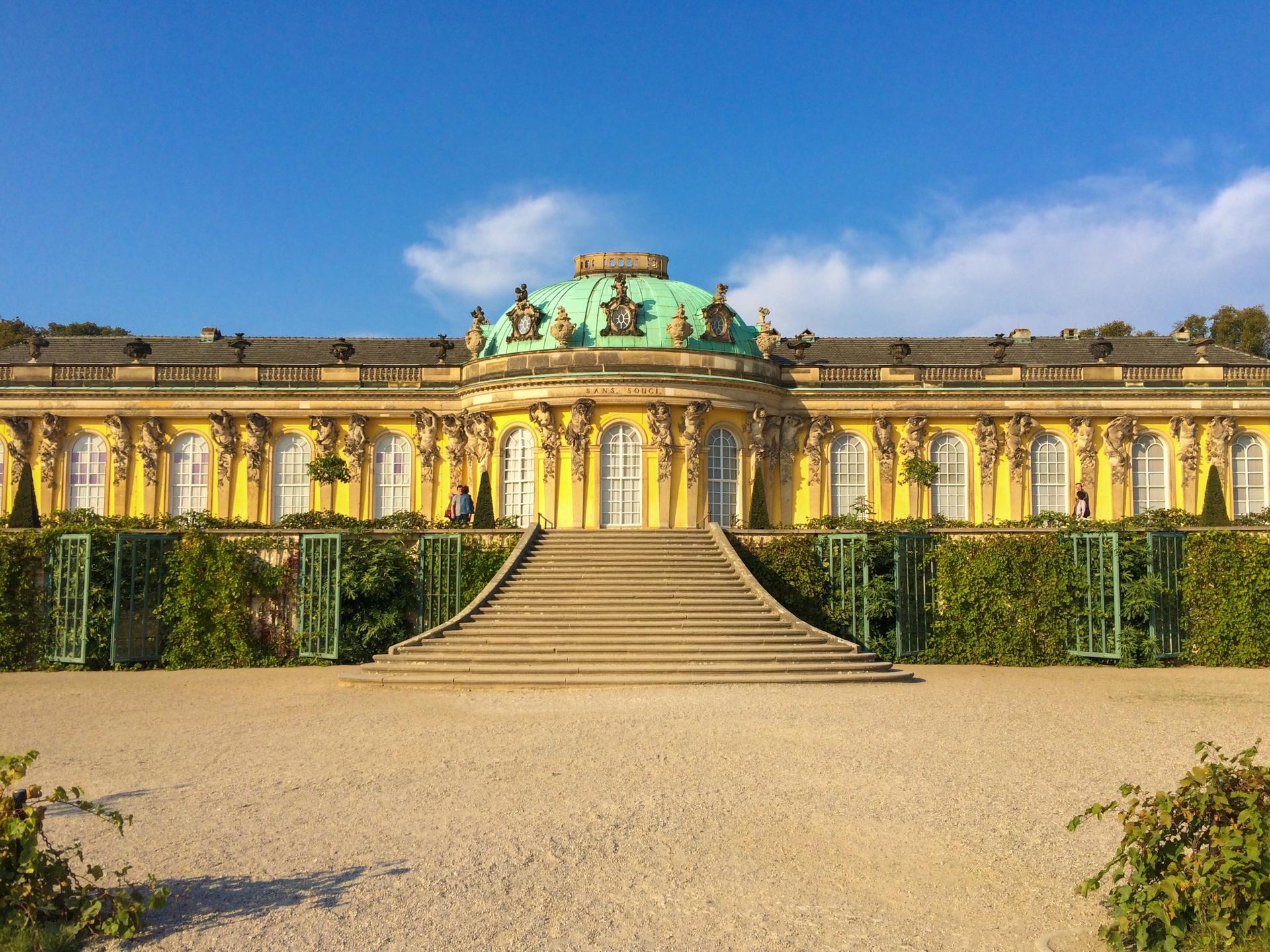
Looking beyond Industrial Museum Brandenburg? Discover Brandenburg for broader travel guides, local hot-spots, and regional highlights.
Explore Brandenburg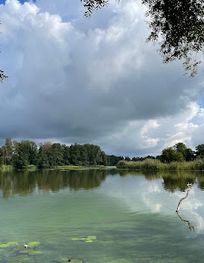
Discover Brandenburg's natural beauty: hiking trails, birdwatching, and tranquil landscapes await in the expansive Brandenburger Osthavelniederung nature preserve.

Discover panoramic views and centuries of history at Marienberg, Brandenburg an der Havel's iconic hilltop park, offering a blend of nature, culture, and recreation.
