Brandenburg City Walls
Discover Brandenburg an der Havel's medieval city walls: a journey through history, revealing the strategic importance and enduring legacy of this historic German town.
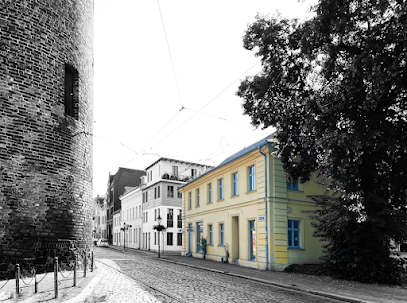
Explore the remnants of Brandenburg an der Havel's medieval city fortifications, a testament to its rich history and strategic importance. Once encompassing both the Old Town (Altstadt) and New Town (Neustadt), these brick walls, dating back to the 13th and 14th centuries, served as vital defenses. Today, significant portions remain, offering a glimpse into the past. Discover the four surviving gate towers – the Plauer Torturm, Rathenower Torturm, Mühlentorturm, and Steintorturm – each with its unique architectural features and stories. Wander along the preserved sections of the wall, imagining life within this fortified city. The Brandenburger Stadtbefestigung provides a tangible link to Brandenburg's medieval past and is a must-see for history enthusiasts and anyone seeking to connect with the city's heritage.
A brief summary to Brandenburger Stadtbefestigung
- Wollenweberstraße 27, Brandenburg, 14776, DE
- Visit website
Local tips
- Wear comfortable shoes for walking along the uneven surfaces of the preserved wall sections.
- Visit the Steintorturm museum for an in-depth look at the city's history and the role of the fortifications.
- Combine your visit with a walk along the Stadtkanal (city canal) to see additional sections of the wall.

Getting There
-
Walking
From the Neustädtischer Markt (New Town Market), walk east along Steinstraße. The Steintorturm, a prominent part of the city walls, will be visible on your right. Continue along Steinstraße to explore the adjacent sections of the wall. The walk is approximately 5-10 minutes. Alternatively, from the Altstädtischer Markt (Old Town Market), cross the Jahrtausendbrücke (Millennium Bridge) and follow the signs towards the Steintorturm. Sections of the wall can be seen along the Stadtkanal in this area.
-
Public Transport
From Brandenburg Hauptbahnhof (main train station), take tram line 1 or 2 towards Anton-Saefkow-Allee or Hohenstücken Nord, respectively. Get off at the 'Neustädtischer Markt' stop. From there, follow the walking directions above. A single tram ticket costs €2.50.
-
Taxi/Ride-Share
A taxi or ride-share from Brandenburg Hauptbahnhof to Wollenweberstraße 27 will take approximately 10-15 minutes, depending on traffic. Expect to pay around €12-€18. Note that availability may vary.
-
Driving
If driving, navigate to Wollenweberstraße 27, 14776 Brandenburg an der Havel. Parking is available on nearby streets, but spaces can be limited, especially during peak hours. There may be parking available at Parkplatz Küsthardtstraße, which is within walking distance. Parking fees vary, but expect to pay around €2 per hour.
Discover more about Brandenburger Stadtbefestigung
Iconic landmarks you can’t miss

Brandenburger Stadtbefestigung
0.0 km
Discover Brandenburg an der Havel's medieval city walls: a journey through history, revealing the strategic importance and enduring legacy of this historic German town.
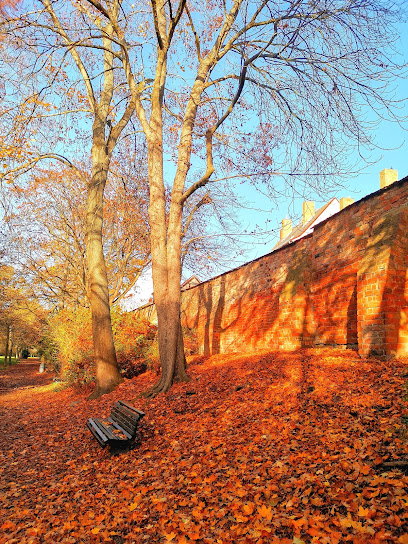
Friedrich-Schiller-Denkmal
0.1 km
A serene memorial in Brandenburg an der Havel dedicated to Friedrich Schiller, inviting reflection on his profound impact on German literature and thought.
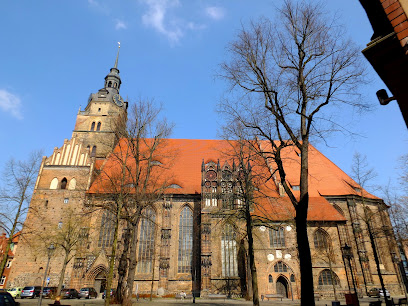
Saint Catherine Church
0.3 km
Discover St. Catherine's Church in Brandenburg an der Havel: a stunning example of North German Brick Gothic architecture with a rich history and exquisite medieval art.
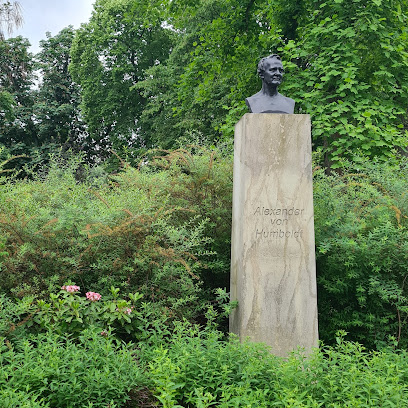
Alexander von Humboldt-Denkmal
0.4 km
Discover the Alexander von Humboldt Memorial in Brandenburg an der Havel's Humboldthain park, a serene tribute to the renowned scientist and explorer, surrounded by diverse flora and tranquil scenery.
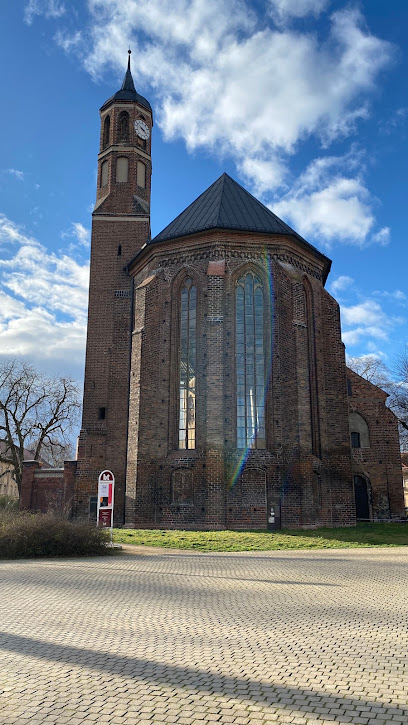
St. Johannis
0.4 km
Explore St. Johannis Church in Brandenburg: a historic Franciscan monastery turned unique event venue, blending medieval architecture with modern cultural experiences.
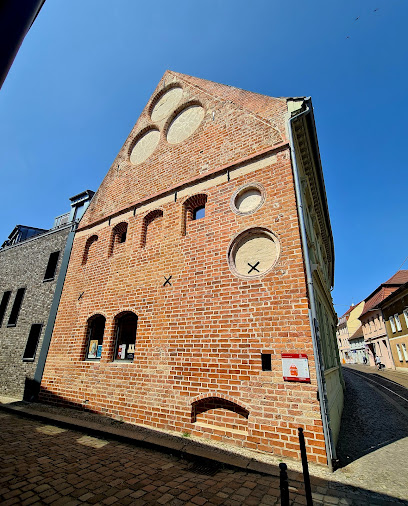
Gotisches Haus
0.5 km
Explore medieval architecture and alchemic secrets at the Gotisches Haus in Brandenburg an der Havel, a remarkably preserved 15th-century landmark in the heart of the Old Town.
Neustädtischer Mühlentorturm
0.6 km
Discover the Neustädtischer Mühlentorturm in Brandenburg an der Havel, a remarkable medieval gate tower showcasing Pomeranian Late Gothic architecture and centuries of captivating history.
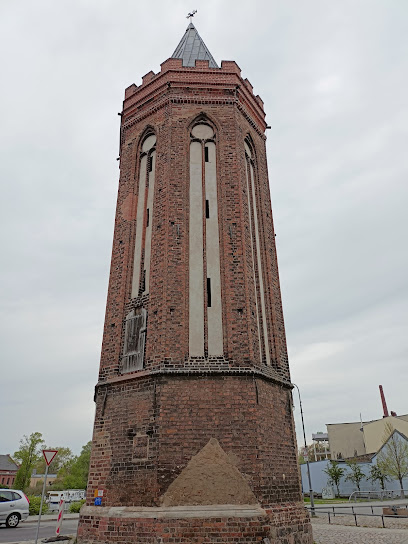
Plauer Torturm
0.6 km
Explore the Plauer Torturm in Brandenburg an der Havel, a medieval gate tower showcasing the city's rich history and architectural evolution, near the serene Humboldthain Park.
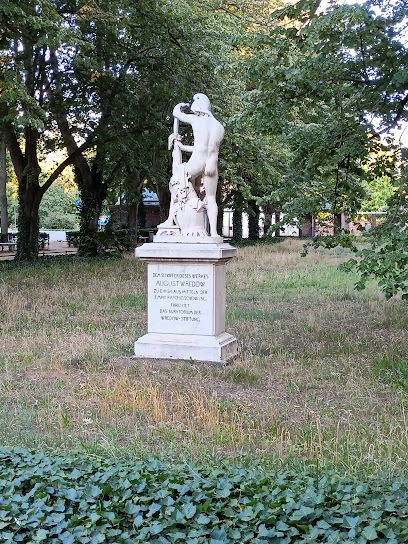
August Wredow Statue
0.7 km
Discover the artistry of August Wredow on Marienberg in Brandenburg an der Havel, offering panoramic city views and a glimpse into the region's rich cultural heritage.
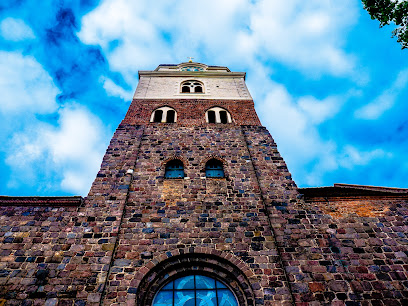
St. Gotthardt
0.9 km
Discover St. Gotthardt Church in Brandenburg an der Havel: a captivating blend of Romanesque and Gothic architecture, rich history, and artistic treasures, offering panoramic city views.
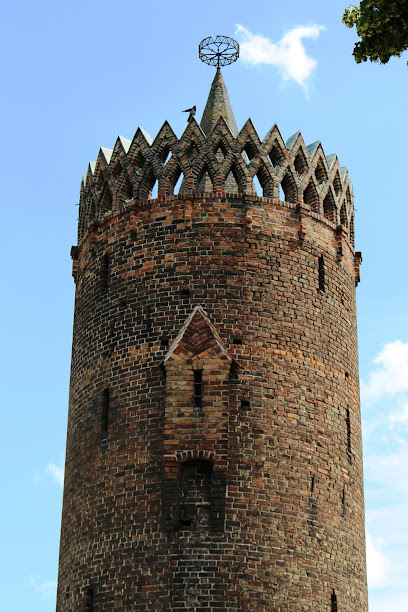
Rathenower Torturm
0.9 km
Explore Brandenburg's oldest town gate, the Rathenower Torturm, a medieval landmark with a rich history, sturdy architecture, and a glimpse into the city's past.
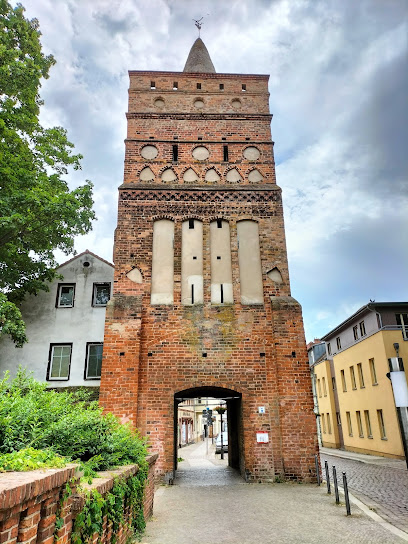
Leuchtturm Breitlingsee
5.2 km
Discover the serene beauty of Leuchtturm Breitlingsee, a charming lakeside landmark near Brandenburg an der Havel, offering tranquility and scenic views for a perfect escape.
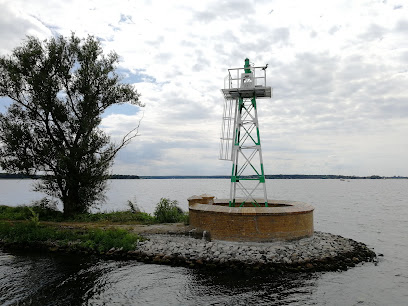
Ministerweg von Rochow bepflanzt mit der Göttiner Bürgerinitiative Naturnahe Ortsteile
6.5 km
Explore Ministerweg in Brandenburg, a serene tourist attraction promoting biodiversity and community spirit through beautiful native plant displays.
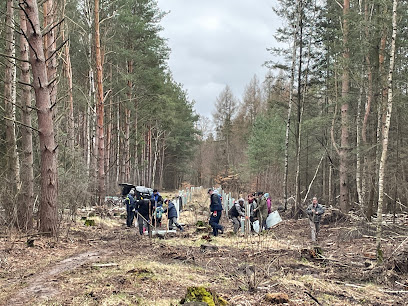
Alte Eiche
7.9 km
Discover the timeless beauty and rich history of Brandenburg at the Alte Eiche, an ancient oak offering a tranquil escape and a tangible connection to the region's past.
Schloss Lindstedt
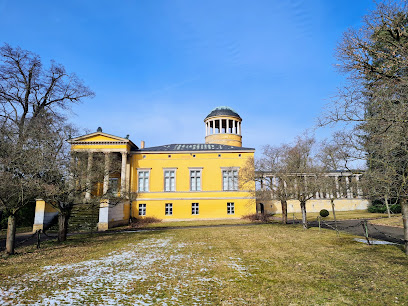
30.7 km
Experience the rich history and stunning architecture of Schloss Lindstedt, a must-see historical site and museum in Potsdam, Germany.
Unmissable attractions to see

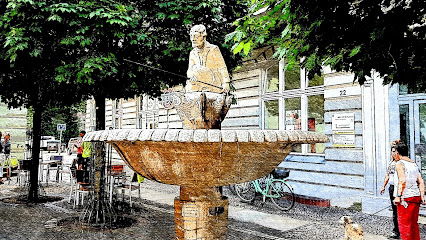
Fritze Bollmann Brunnen
0.3 km
Explore the historical charm of Fritze Bollmann Brunnen, a captivating fountain in Brandenburg an der Havel that reflects the city’s rich cultural heritage.
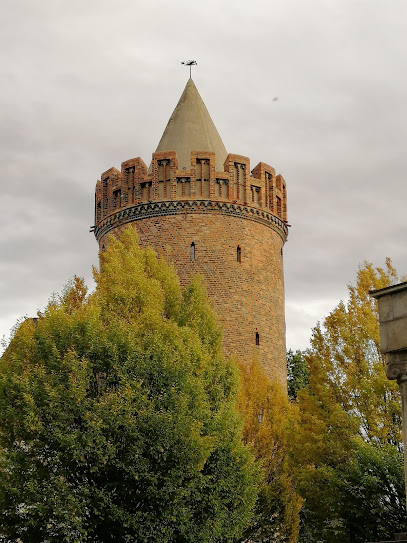
Steintorturm
0.3 km
Experience the historic Steintorturm, a towering symbol of Brandenburg's medieval heritage, where history and beauty intertwine.
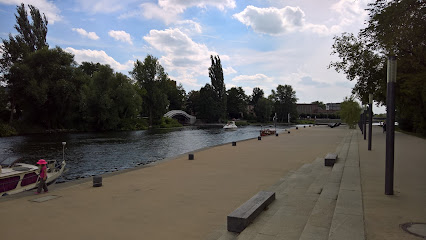
Am Salzhofufer
0.4 km
Experience the serene beauty of Am Salzhofufer, a picturesque waterfront destination in Brandenburg an der Havel, perfect for relaxation and exploration.
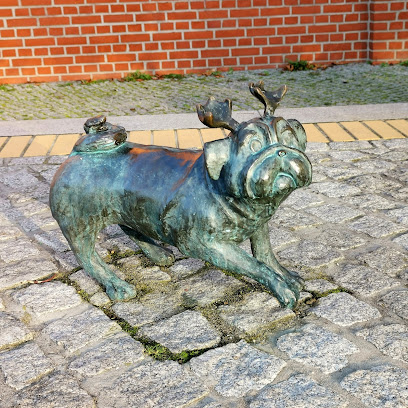
Waldmops (Denkmal) - Erinnerung an Loriot
0.4 km
Explore the Waldmops in Brandenburg an der Havel, a charming monument celebrating the humor of Loriot amidst picturesque surroundings.
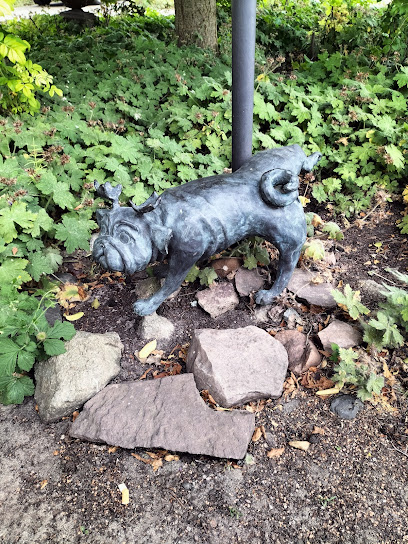
Brandenburg State Archaeology Museum
0.4 km
Explore Brandenburg's rich history at the Brandenburg State Archaeology Museum, showcasing captivating artifacts from prehistoric to medieval times.
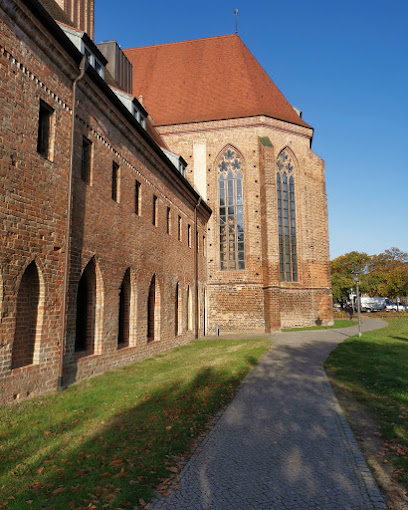
Waldmops (Denkmal)
0.4 km
Discover the enchanting Waldmops monument in Brandenburg, a captivating testament to local culture and history amidst beautiful surroundings.
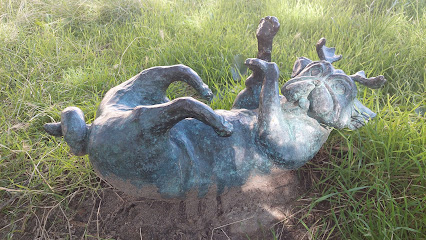
Waldmops (Paar) im Humboldthain
0.4 km
Explore the serene beauty of Waldmops (Paar) in Humboldthain, a charming nature retreat in Brandenburg perfect for family outings and nature lovers.
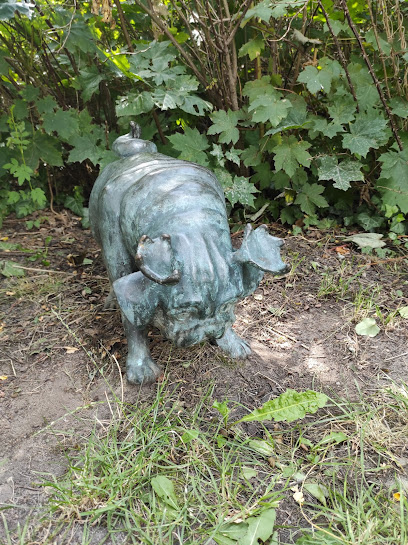
Loriotdenkmal
0.4 km
Explore the Loriotdenkmal in Brandenburg, a charming tribute to the beloved German humorist Loriot, where culture and nature beautifully intertwine.
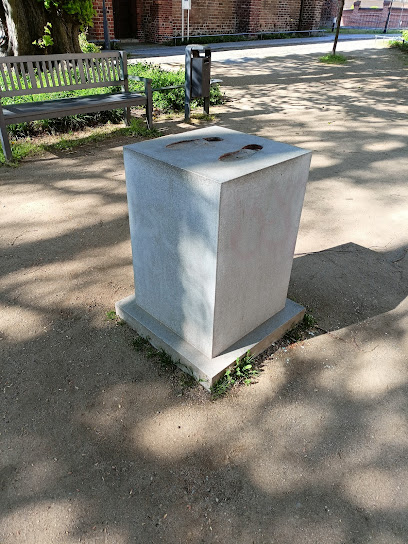
Slawendorf Brandenburg an der Havel
0.5 km
Discover the rich heritage of the Slavic tribes at Slawendorf Brandenburg an der Havel, where history comes alive through immersive experiences.
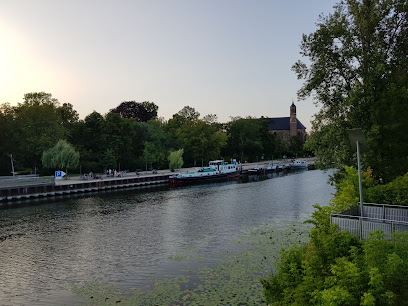
Waldmops (Denkmal) - Homage an Loriot
0.5 km
Explore the whimsical Waldmops Denkmal in Brandenburg an der Havel, a unique tribute to the beloved German comedian Loriot, perfect for humor and art lovers.
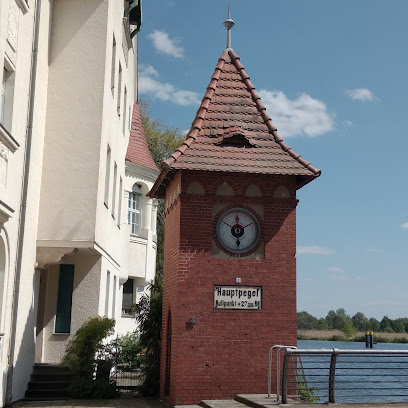
Havelpegel
0.7 km
Discover the tranquil beauty of Havelpegel in Brandenburg, a perfect escape for nature lovers and peace seekers amidst stunning riverside views.
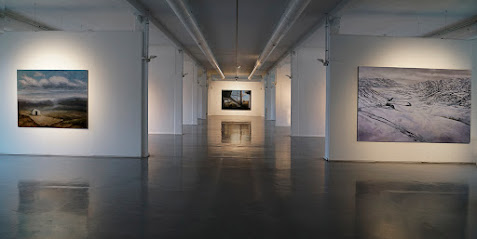
Brennabor Kunsthalle
0.8 km
Explore the vibrant world of modern art at Brennabor Kunsthalle, an inspiring museum in Brandenburg that captivates every visitor.
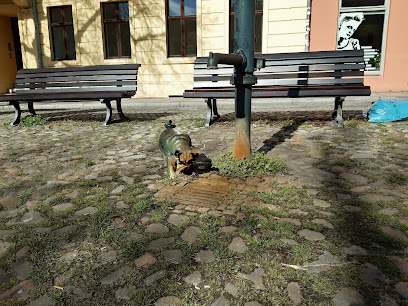
Waldmops am Brunnen/Dom
0.8 km
Explore the serene beauty and rich history of Waldmops am Brunnen, a charming tourist attraction in Brandenburg an der Havel.
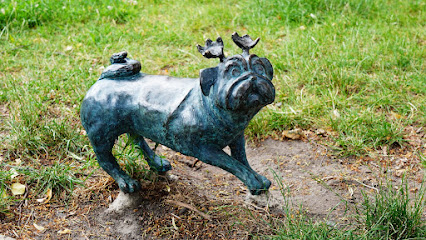
Waldmops
0.9 km
Discover the serene beauty and cultural richness of Waldmops, a hidden gem in Brandenburg an der Havel, perfect for nature lovers and families alike.
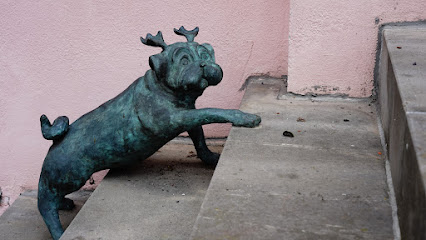
Waldmops Domlinden
0.9 km
Explore the enchanting Waldmops Domlinden in Brandenburg an der Havel, a serene tourist attraction rich in natural beauty and local culture.
Essential places to dine

Restaurant Theaterklause
0.1 km
Discover the best of German cuisine paired with live entertainment at Restaurant Theaterklause in Brandenburg an der Havel.
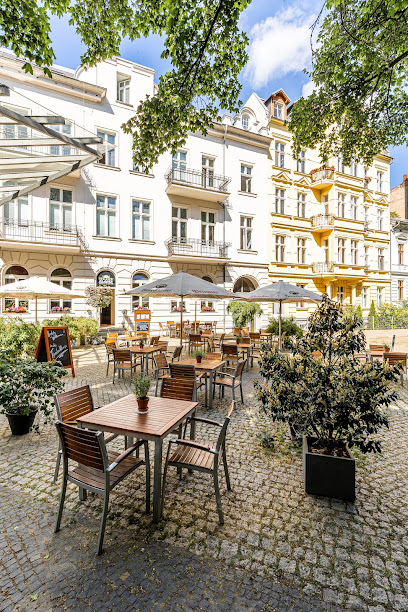
Schweineschnäuzchen
0.2 km
Experience authentic German cuisine at Schweineschnäuzchen in Brandenburg - where every dish tells a story.
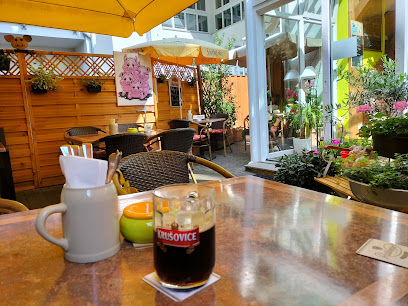
Kartoffelkäfer
0.2 km
Discover authentic German cuisine at Kartoffelkäfer in Brandenburg - where tradition meets flavor in every bite.
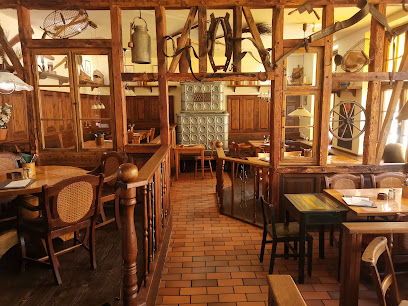
Herzschlag Brandenburg
0.3 km
Experience the flavors of Germany at Herzschlag Brandenburg – where tradition meets innovation in every dish.
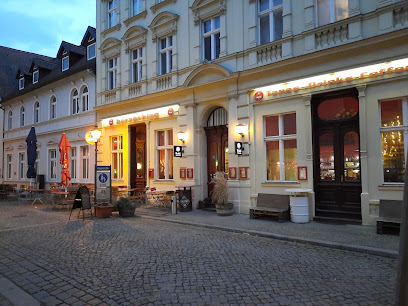
Steakhaus El Gaucho
0.6 km
Indulge in authentic Argentinian cuisine at Steakhaus El Gaucho, where succulent steaks meet vibrant flavors in Brandenburg.
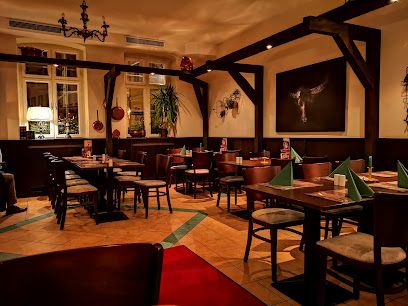
Gaststätte "Zum Bootshaus"
0.6 km
Experience authentic regional cuisine at Gaststätte 'Zum Bootshaus' in Brandenburg an der Havel - where every meal tells a story.
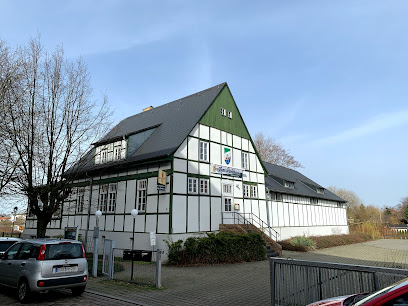
Restaurant an der Dominsel
0.6 km
Experience exquisite regional cuisine with stunning views at Restaurant an der Dominsel in Brandenburg an der Havel.
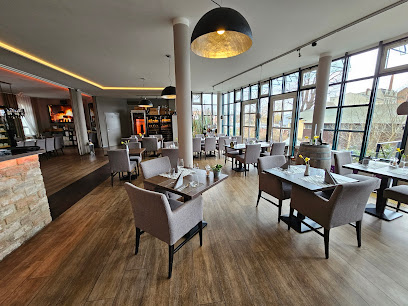
Am Humboldthain
0.6 km
Experience authentic German cuisine at Am Humboldthain in Brandenburg – where creativity meets quality in every dish.
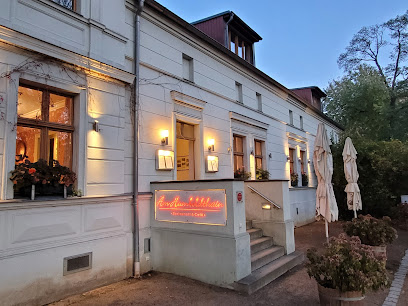
Restaurant Inspektorenhaus
0.7 km
Discover exquisite dining at Restaurant Inspektorenhaus, where local flavors meet modern culinary excellence in Brandenburg an der Havel.
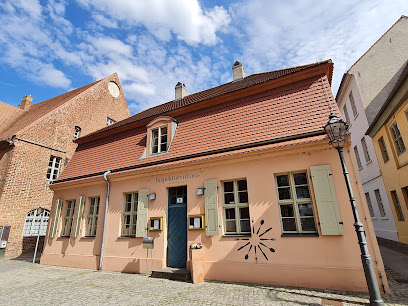
Ratskeller
0.7 km
Experience authentic German cuisine at Ratskeller in Brandenburg – where tradition meets taste in a cozy atmosphere.
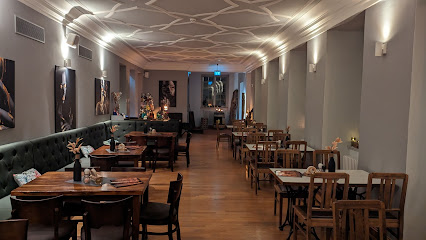
Restaurant Parduin
0.7 km
Discover culinary excellence at Restaurant Parduin, where traditional German flavors meet modern European cuisine in Brandenburg an der Havel.
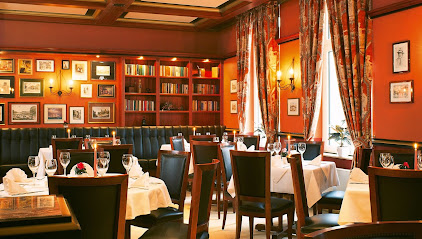
Malabar Restaurant
0.7 km
Experience authentic Indian cuisine at Malabar Restaurant in Brandenburg an der Havel - where every meal is a celebration of flavor.
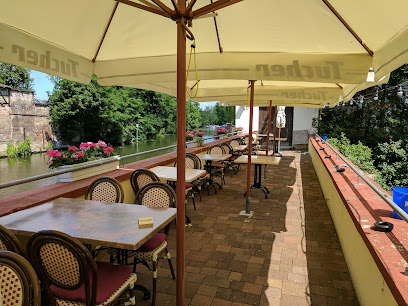
Gaststätte Zur Insel
0.8 km
Discover authentic German cuisine at Gaststätte Zur Insel in Brandenburg an der Havel - where tradition meets taste.
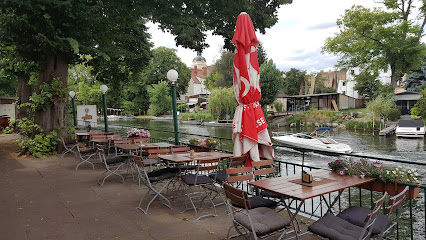
Restaurant Remise
1.0 km
Experience authentic German cuisine in the heart of Brandenburg's historic Dominsel at Restaurant Remise.
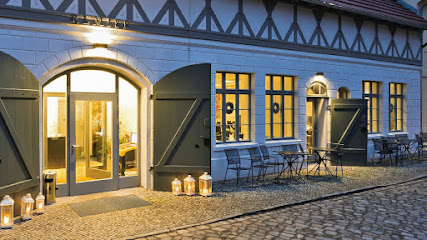
Restaurant Casa Bianca
1.0 km
Discover the exquisite flavors of Italy at Restaurant Casa Bianca in Brandenburg – where every meal tells a story.
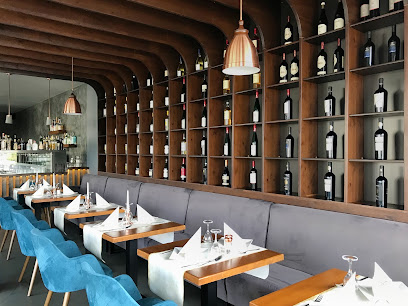
Markets, malls and hidden boutiques

Wedekind Mode
0.2 km
Discover unique women's fashion at Wedekind Mode, a chic boutique in Brandenburg an der Havel offering personalized styling and contemporary styles.
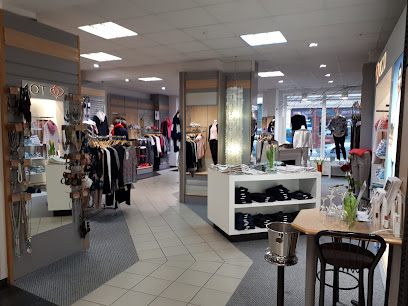
MÄC-GEIZ
0.2 km
Explore MÄC-GEIZ in Brandenburg for unique gifts, home essentials, and unbeatable prices in a vibrant shopping atmosphere.
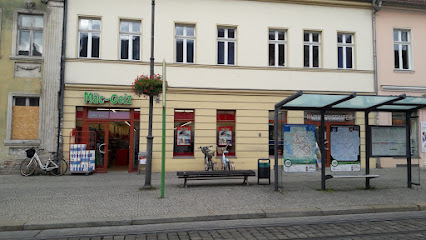
Dürerhaus Hans-Peter Zahn
0.3 km
Explore the charm of Dürerhaus Hans-Peter Zahn, a gift shop in Brandenburg offering unique handcrafted items and local art treasures.
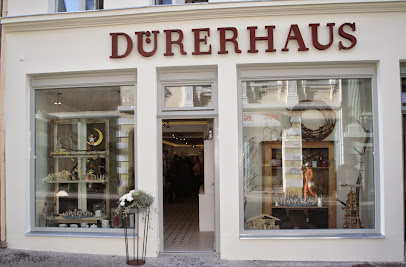
Depot
0.3 km
Discover unique gifts and stylish home decor at Depot, your go-to shop in Brandenburg an der Havel for memorable souvenirs and furnishings.
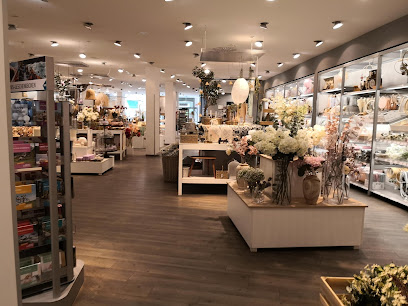
Artimesia
0.3 km
Discover Artimesia, a charming gift shop in Brandenburg, offering unique souvenirs and artisanal crafts that capture the essence of your travels.

Weltladen Brandenburg an der Havel
0.3 km
Explore the essence of ethical shopping at Weltladen Brandenburg an der Havel, where every purchase makes a difference.
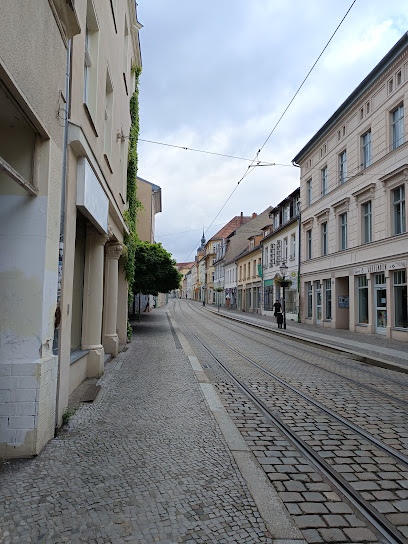
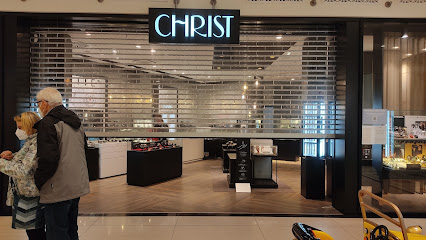
Christ
0.5 km
Discover exquisite jewelry and unique gifts at Christ, a premier destination in Brandenburg for lasting memories and timeless elegance.
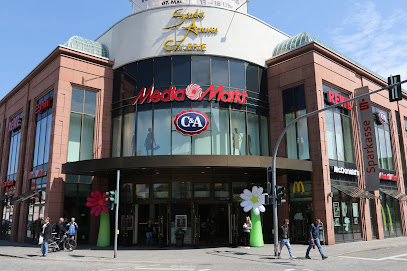
Sankt-Annen-Galerie
0.5 km
Discover the vibrant Sankt-Annen-Galerie in Brandenburg, a shopping haven with diverse stores, delightful dining, and exciting events for all ages.
JEANS FRITZ
0.5 km
Explore the trendiest denim and stylish apparel at JEANS FRITZ, Brandenburg's go-to clothing store for fashion-forward shoppers.

Nobunto Deutschland UG (haftungsbeschränkt)
0.5 km
Discover unique gifts and local crafts at Nobunto, a charming gift shop in Brandenburg, perfect for souvenirs and special occasions.
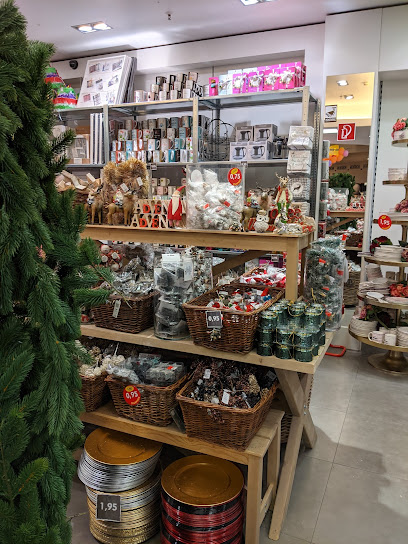
NANU-NANA
0.5 km
Discover unique gifts and charming souvenirs at NANU-NANA in Brandenburg, a must-visit spot for travelers seeking memorable treasures.
Stehachterl
0.6 km
Discover Stehachterl, a charming wine store and café in Brandenburg, offering exquisite wines, gourmet groceries, and a cozy atmosphere to unwind.
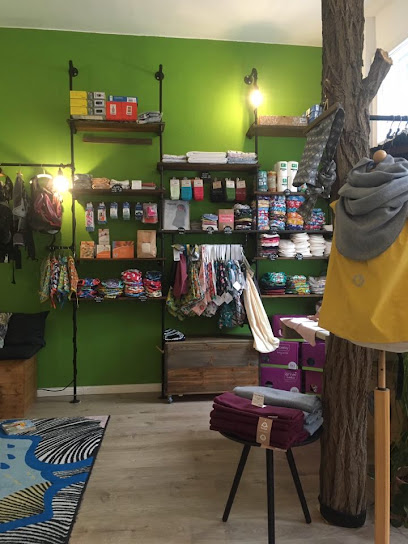
pachamama Laden – plastikfrei & unverpackt – Trageberatung, Stoffwindeln, Kurse
0.6 km
Discover sustainable living at Pachamama Laden, Brandenburg's premier plastic-free store offering eco-friendly products and engaging workshops.
nähkaufhaus.de Online Shop
0.6 km
Explore Nähkaufhaus.de, a crafting paradise in Brandenburg, offering a wide range of notions and materials for all your creative projects.
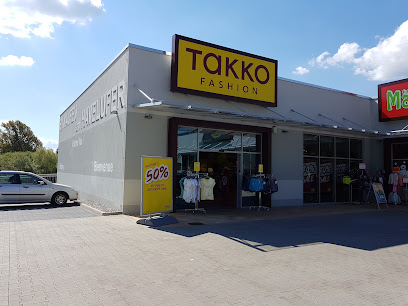
Takko Fashion
0.7 km
Explore Takko Fashion in Brandenburg for stylish clothing that suits every taste and budget, ensuring an exciting shopping experience for the whole family.
Essential bars & hidden hideouts

Agentenzentrale
0.1 km
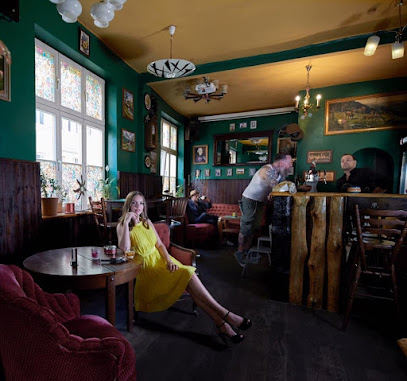
Experience the lively atmosphere of Agentenzentrale, a cozy pub in Brandenburg, offering local brews and delicious fare in a welcoming setting.
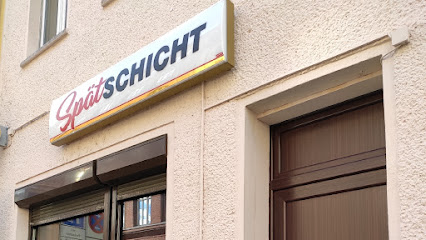
Spätschicht
0.2 km
Discover Spätschicht, the vibrant pub in Brandenburg an der Havel, where locals gather for drinks, laughter, and unforgettable late-night fun.
Radon Andreas
0.2 km
Experience the flavors of Brandenburg at Radon Andreas, a charming gastropub offering local cuisine and a welcoming atmosphere.
Rosinenbomber
0.2 km
Discover the Rosinenbomber: A Historic Bar in Brandenburg Serving Craft Beers and Unique Cocktails in a Cozy Atmosphere.
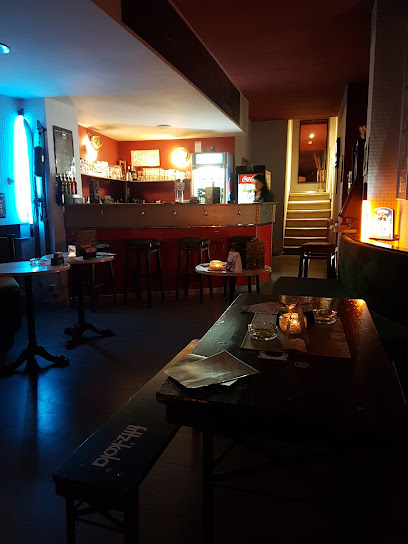
Jazzfreunde Brandenburg eV
0.2 km
Discover the vibrant jazz scene at Jazzfreunde Brandenburg eV, where local talent and lively performances create unforgettable musical experiences.
Ambrosius Pinte
0.3 km
Experience the charm of Ambrosius Pinte, a cozy bar in Brandenburg offering delightful local brews and a warm atmosphere for all visitors.
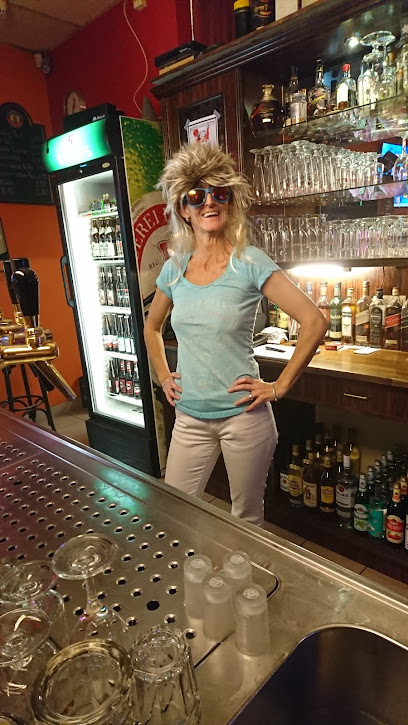
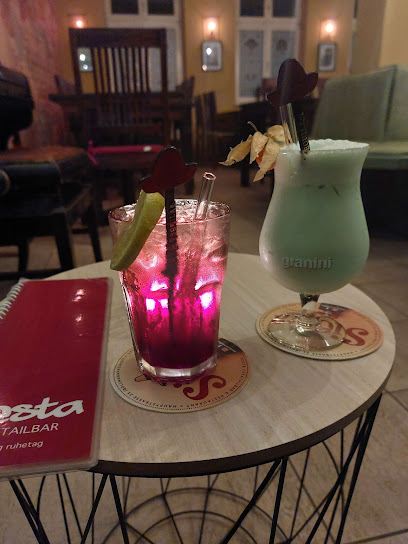
Cocktailbar Siesta
0.3 km
Experience the artistry of cocktail making at Cocktailbar Siesta, a cozy bar in Brandenburg offering a diverse selection of expertly crafted drinks.
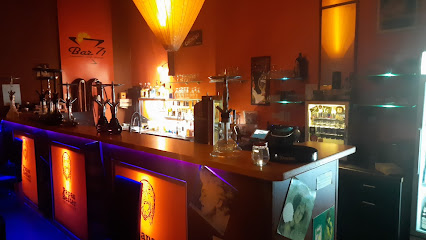
Bar 71 Cocktailbar und Shishalounge
0.4 km
Experience the vibrant nightlife at Bar 71, where expertly crafted cocktails and shisha create the perfect atmosphere for unforgettable evenings.
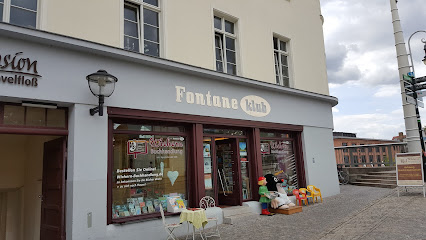
Fontane Lounge mit Kajakverleih
0.4 km
Experience the charm of Fontane Lounge, where delectable cuisine and kayaking adventures unite in the heart of Brandenburg.
Altstadt Pub
0.6 km
Discover the local charm and lively atmosphere of Altstadt Pub in Brandenburg an der Havel - the perfect place to unwind with friends over drinks.
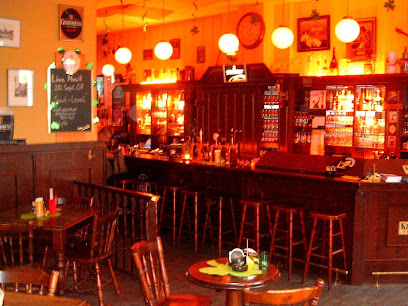
Turbine Brandenburg
0.6 km
Experience the lively atmosphere and diverse menu at Turbine Brandenburg, the ultimate bar and event venue in Brandenburg an der Havel.
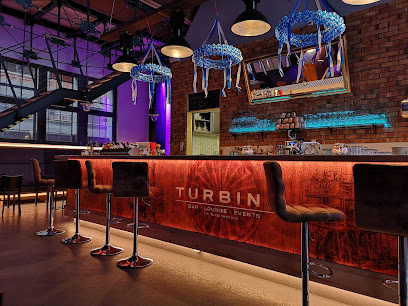
Restaurant Weidelounge / Teeladen Brandenburg
0.6 km
Discover the vibrant flavors of Brandenburg at Weidelounge, where a cozy bar, restaurant, and tea store await your visit.
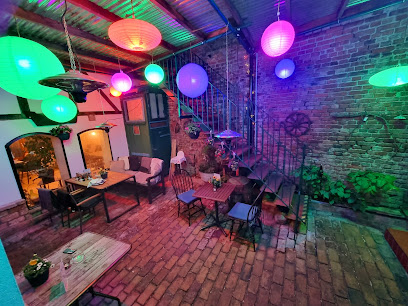
Jacobs Corner
0.6 km
Experience the vibrant nightlife of Brandenburg at Jacobs Corner, a cozy bar known for its excellent drinks and lively atmosphere.
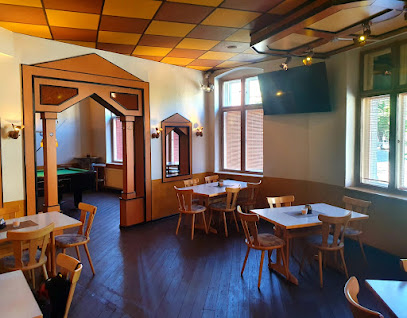
Dream Café Lounge
0.7 km
Discover the charm of Dream Café Lounge in Brandenburg an der Havel, where relaxation meets delightful flavors in a cozy setting.
Radfahrer Halt
0.7 km
Discover Radfahrer Halt, a charming bar in Brandenburg an der Havel, offering a delightful selection of beer, cocktails, and a warm atmosphere for all visitors.
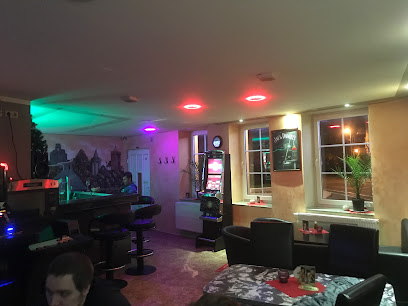
Nightclubs & after hour spots

Club Charlotte
33.8 km
Discover the Thrilling Nightlife Experience at Club Charlotte, Potsdam's Premier Nightclub and Concert Venue, Where Music and Dance Come Alive.
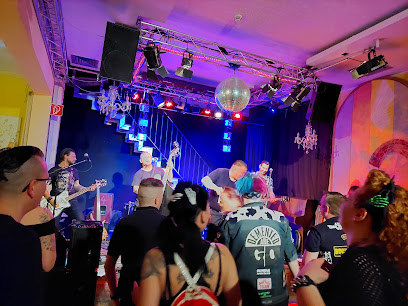
Club Bergwerk
33.8 km
Discover the electrifying nightlife at Club Bergwerk in Potsdam, where dancing, cocktails, and unforgettable moments await.
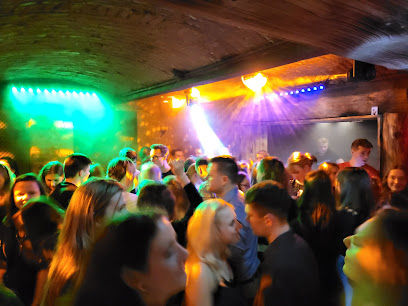
Club Laguna
33.9 km
Experience the electrifying nightlife at Club Laguna, Potsdam's premier night club with pulsating music and an energetic atmosphere.
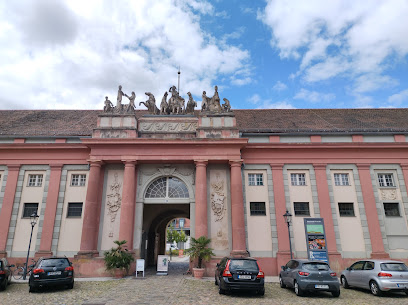
Club Latino Potsdam
34.0 km
Dive into the pulsating nightlife of Potsdam at Club Latino, where music and dance create an unforgettable experience.
Gutenberg100 - Livemusik und Karaokebar - Potsdam
34.1 km
Discover Potsdam's nightlife at Gutenberg100, where live music, karaoke, and cocktails come together for an unforgettable evening.
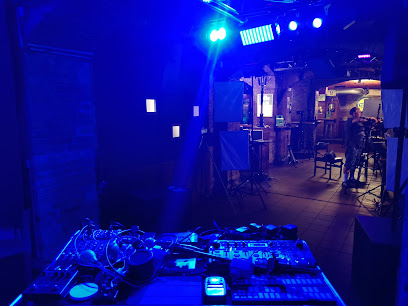
Spartacus
35.4 km
Dive into the energetic nightlife of Spartacus, a top night club in Potsdam offering music, drinks, and a vibrant atmosphere for all.
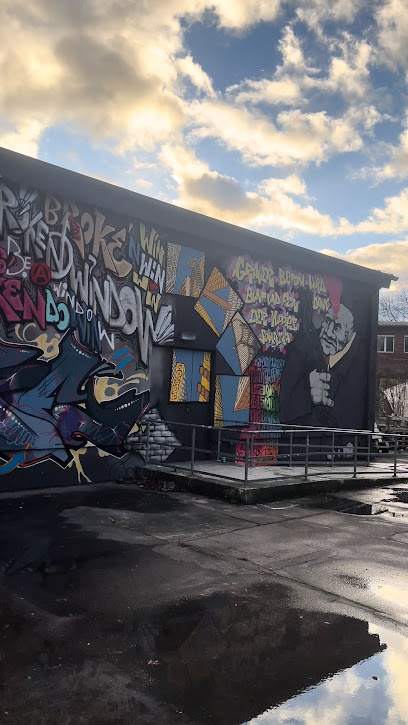
Parkdeck by Clärchen's
37.5 km
Dive into Potsdam's nightlife at Parkdeck by Clärchen's, where vibrant music and an energetic crowd await for an unforgettable night out.
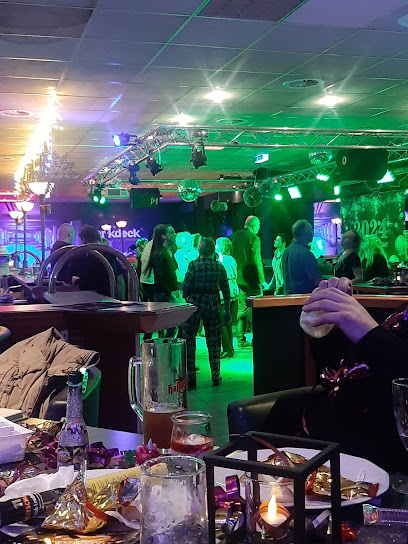
K9-Zeuch Eventlocation
41.0 km
Discover Rhinow's vibrant nightlife at K9-Zeuch Eventlocation, the ultimate destination for dancing and unforgettable nights out.

Miami Live Stendal
50.1 km
Dive into the vibrant nightlife at Miami Live Stendal, where music, dancing, and unforgettable moments await you in the heart of Germany.
Nightclub Berlin K133
50.8 km
Experience the electrifying nightlife of Berlin at K133, a premier nightclub with an energetic atmosphere and diverse music.
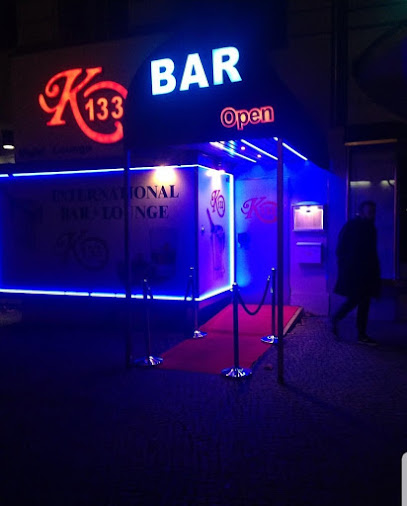
Tabu Bar Tabledance Club - Berlin
52.1 km
Discover the electrifying nightlife of Berlin at Tabu Bar Tabledance Club, where unforgettable performances and vibrant music await your presence.
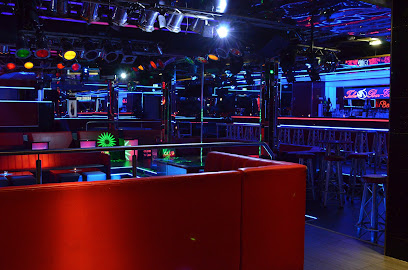
Paradise Club Berlin
52.1 km
Immerse yourself in the electrifying ambiance of Paradise Club Berlin, where unforgettable nights and vibrant music await.
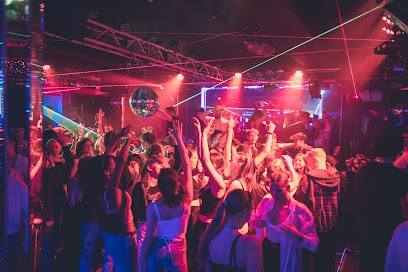
New West Club - Berlin
52.5 km
Discover Berlin's nightlife at New West Club, a stylish disco club offering electrifying music, vibrant atmosphere, and unforgettable dance experiences.
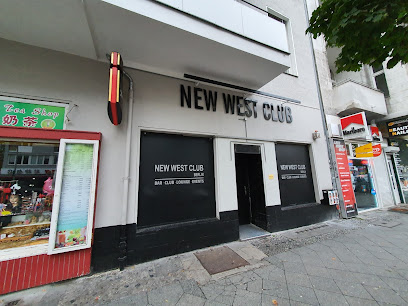
Rush Club
52.5 km
Rush Club in Berlin offers an unparalleled nightlife experience with electrifying music, vibrant dance floors, and an unforgettable atmosphere.
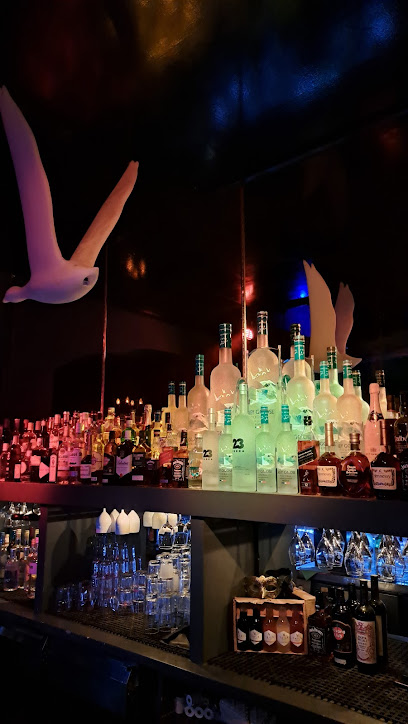
Club Lady Nina
52.6 km
Immerse yourself in Berlin's nightlife at Club Lady Nina, where music, dance, and unforgettable experiences await amidst a vibrant atmosphere.