

St. Gotthardt Travel Guide
Free Guide: Discover St. Gotthardt Church in Brandenburg an der Havel: a captivating blend of Romanesque and Gothic architecture, rich history, and artistic treasures, offering panoramic city views.


A brief summary of St. Gotthardt
Discover St. Gotthardt Church in Brandenburg an der Havel: a captivating blend of Romanesque and Gothic architecture, rich history, and artistic treasures, offering panoramic city views.
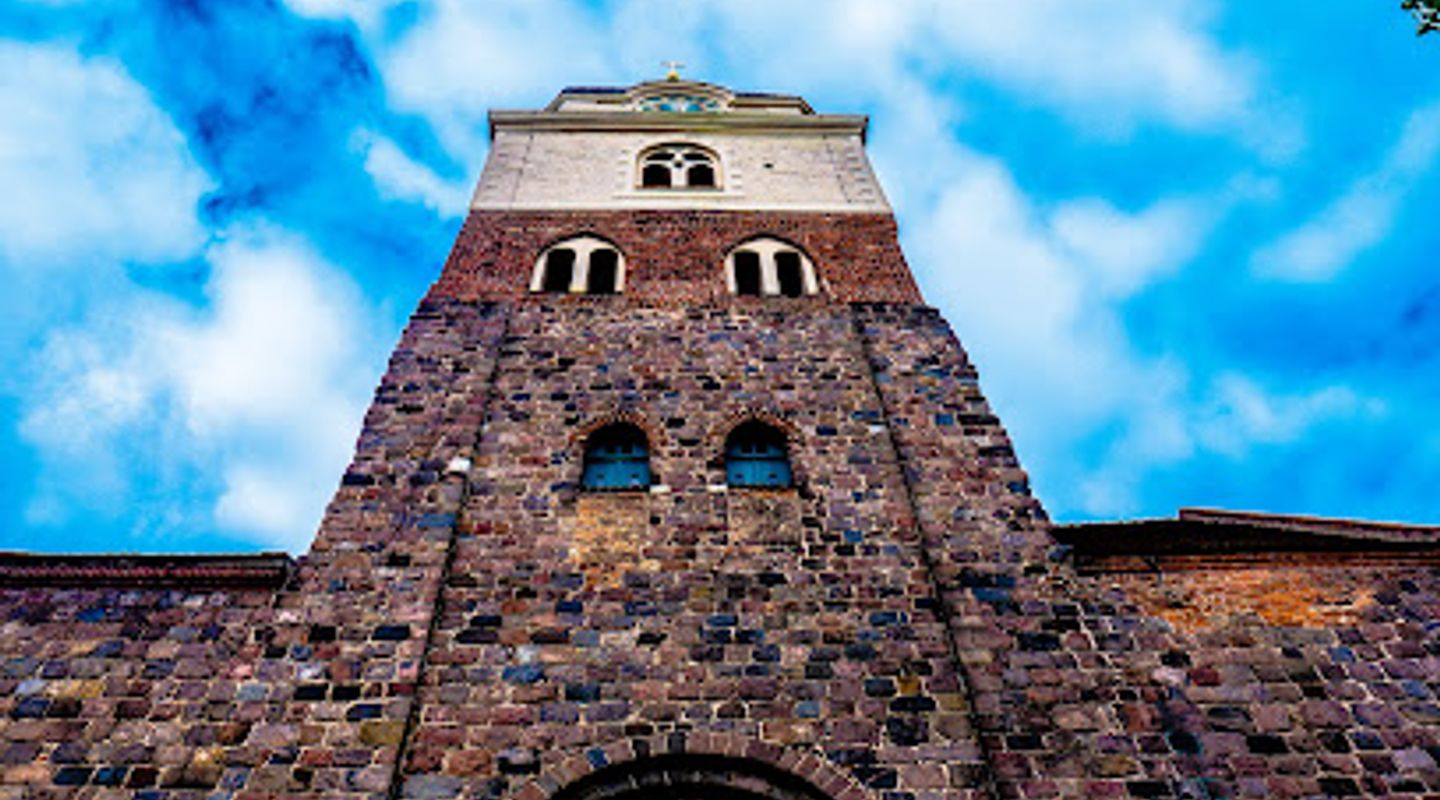
St. Gotthardt Church, located in the heart of Brandenburg an der Havel's Old Town, is a captivating blend of Romanesque and Gothic architecture, bearing witness to over 800 years of history. Founded in the Slavic era and named after Bishop Godehard of Hildesheim, the church boasts a monumental west building dating back to the 12th century. Rebuilt in the 15th century as a three-aisle Gothic hall church, its interior is adorned with treasures like a bronze baptismal font from the 13th century, a stunning sandstone pulpit from 1623, and the first Reformation altar in the Mark Brandenburg region (1559). Ascend the tower for panoramic views, and explore the meticulously restored chapels, each telling a story of resilience and artistic evolution. St. Gotthardt is more than a church; it's a living chronicle of Brandenburg's rich cultural heritage.
- Address
- Gotthardtkirchpl. 8, 14770 Brandenburg an der Havel
- Phone
- Website
Getting there
Walking
Public Transport
Taxi/Ride-Share
Driving
Discover more about St. Gotthardt
Overview
St. Gotthardt Church stands as a proud landmark in Brandenburg an der Havel, a city steeped in history and brimming with architectural marvels. Located in the Altstadt (Old Town), this Evangelical church is not just a place of worship but a tangible link to the region's past, showcasing a fascinating blend of architectural styles and artistic treasures accumulated over centuries. The church's origins trace back to the Slavic era, with its foundation predating 1147. It is dedicated to Bishop Godehard of Hildesheim, canonized shortly before construction commenced, reflecting the religious fervor of the time. The monumental west building, a testament to Romanesque architecture, dates back to the 12th century, offering a glimpse into the early medieval period. This robust structure, built with granite blocks, hints at the church's original design as a double-tower complex, though only one tower was ultimately realized. The Romanesque round-arched stepped portal remains a striking feature, inviting visitors to step back in time. In the mid-15th century, St. Gotthardt underwent a significant transformation, evolving into a late-Gothic, three-aisle hall church. This reconstruction, executed in brick, reflects the prevailing architectural trends of the era. The addition of chapel annexes on the north and south sides further expanded the church's footprint, creating a more complex and visually engaging structure. The soaring nave, supported by elegant columns, creates a sense of grandeur and spiritual upliftment. The interior of St. Gotthardt is a veritable treasure trove of artistic and historical artifacts. One of its most prized possessions is the bronze baptismal font, a masterpiece of late-Romanesque craftsmanship dating back to the 13th century. Its intricate details and symbolic imagery offer a window into the religious beliefs and artistic sensibilities of the time. The sandstone pulpit, created by Georg Zimmermann of Nuremberg in 1623, is another highlight, showcasing the skill and artistry of the Baroque period. Its elaborate carvings and allegorical figures are a testament to the power of religious oratory. Above the nave, a triumphal crucifixion group commands attention, its late-Gothic carvings, dating back to around 1500, depicting the tree of life. This powerful image serves as a reminder of the central tenets of Christianity and the enduring themes of sacrifice and redemption. The church also houses the first Reformation altar in the Mark Brandenburg region, dating back to 1559. Its individual images depict the development of the Reformation, offering a unique perspective on this pivotal moment in religious history. The Trebaw Epitaph offers a realistic perspective of the Altstadt of Brandenburg, with the Marienkirche, St. Gotthardt, and the Plauer Torturm all visible. The Epitaph of Simon Roter, the mayor of Altstadt Brandenburg, is also a notable feature. Throughout its history, St. Gotthardt has faced numerous challenges, including fires and periods of neglect. In 1776, a Baroque lantern and cupola were added to the tower, but these were destroyed in 1945. A church fire in 1972 devastated the interior and destroyed the organ. However, the church has consistently been restored, with the interior undergoing extensive renovations starting in 1976, and a new organ being consecrated in 1986. In the 2000s, the former baptismal chapel was renovated with help from Vicco von Bülow (Loriot), who was baptized in the chapel, and the Deutsche Stiftung Denkmalschutz. Visitors can climb the tower for panoramic views of Brandenburg an der Havel and the surrounding landscape. The climb offers a unique perspective on the city's layout and the surrounding Havel River. Exploring the church's chapels reveals hidden gems and stories of resilience. Each chapel has its own unique history and artistic features, reflecting the changing tastes and religious practices of the community over time. Today, St. Gotthardt continues to serve as a vibrant center for religious and cultural activities. Regular services, concerts, and exhibitions are held within its walls, drawing visitors from near and far. The church's commitment to preserving its heritage while embracing contemporary expressions of faith makes it a truly special place. Visiting St. Gotthardt is an immersive experience that connects visitors to the rich history and cultural heritage of Brandenburg an der Havel. It is a place where the past and present converge, offering a glimpse into the enduring power of faith, art, and community.
Evendo Review Centre
 Google
Guest reviews
Explore St. Gotthardt on the map
A handpicked selection of must-see spots near St. Gotthardt, mapped for you.
Get your free copy of our complete guide to St. Gotthardt, delivered straight to you.
Everything on this page, from opening hours and how to get there to Eve’s tips and the best time to go, in one PDF you can read offline, print or share.
Already have an account? Sign in
Your St. Gotthardt guide is ready.
We'll send it to · Not you? Sign out

Getting your guide ready…
We are putting together a fresh copy of the St. Gotthardt guide. This can take up to a minute.
This can take a few moments. If your browser asks, choose Allow so the download can start. You'll find the guide in your Downloads folder.
Nothing happened? Download it again
Sorry, the guide is taking longer than usual. Please try again in a minute, or get it by email instead.
Unlock the best of St. Gotthardt
Skip-the-line tickets, guided tours with entry, and walking tours of the area, booked in a few clicks.

Other nearby places you may find interesting
The closest places of the same kind, if this one is not quite what you had in mind.
-
-
-
-
-


Swipe for more places
More to explore near St. Gotthardt

 Best experiences near St. Gotthardt
 Best hotels near St. Gotthardt
 Best landmarks near St. Gotthardt
 Best attractions near St. Gotthardt
 Best shops near St. Gotthardt
 Best restaurants near St. Gotthardt
 Best bars near St. Gotthardt
Do you manage this location?
Take control to get all the benefits, like improved information, better appearance, and stronger visibility across AI-powered discovery.
Explore more

Explore more of Brandenburg
Discover Brandenburg: Explore a region rich in history, culture, and natural beauty, featuring stunning landscapes, historic sites, and vibrant cultural experiences.
Explore Brandenburg
Explore more of Germany
Experience Germany: where history meets innovation, and urban energy blends with natural beauty. Discover diverse cultures, delicious cuisine, and stunning landscapes.
Explore Germany
