Background

MA'ALOT: An Environment of Art and Reflection

Discover MA'ALOT, a thought-provoking outdoor sculpture in Cologne's city center, blending art, architecture, and history for a unique urban experience near the iconic Cathedral and Museum Ludwig.

4.4

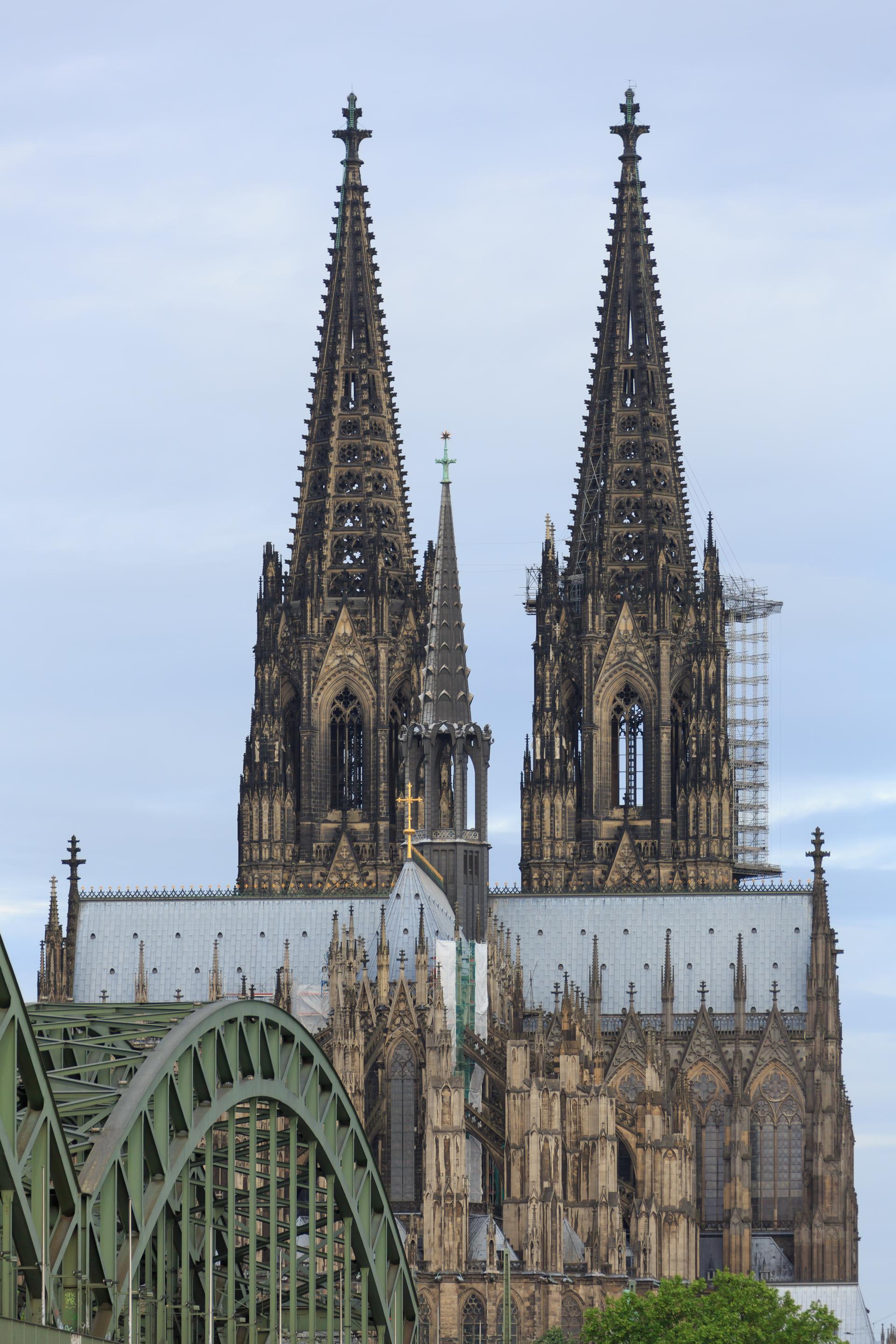
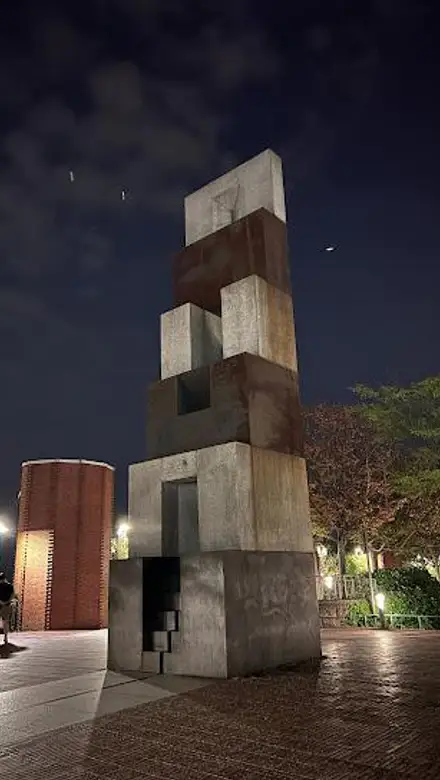
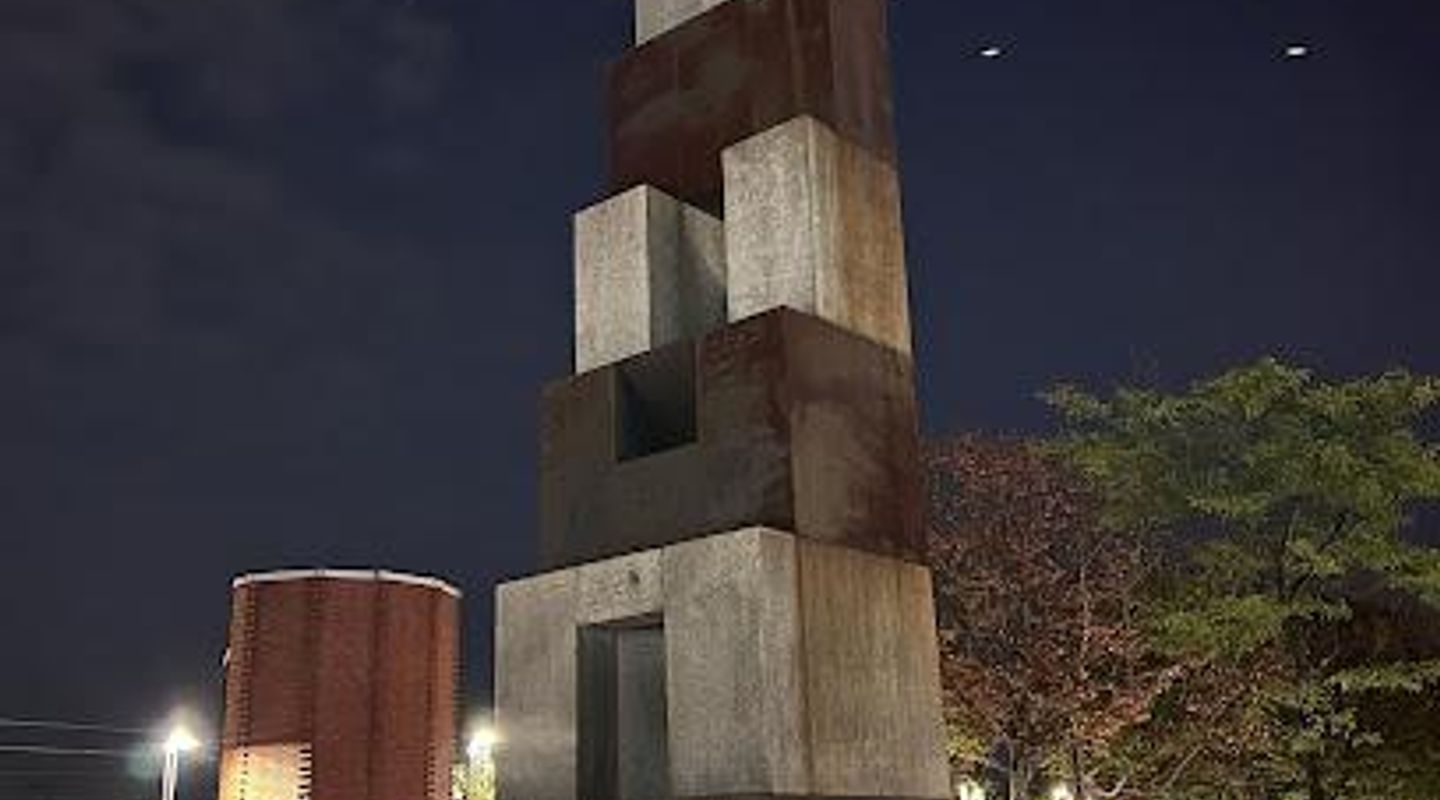
MA'ALOT, a large-scale outdoor artwork by Dani Karavan, transforms Cologne's Heinrich-Böll-Platz into an environment of granite, cast iron, bricks, and trees. Completed in 1986, it encompasses the square between Museum Ludwig, the Cologne Cathedral, and the main railway station, inviting viewers to engage with its multiple layers of meaning. The artwork integrates railway tracks, echoing the nearby Hohenzollern Bridge, and offers a unique perspective of the Cologne Cathedral through a slot in a step-like sculpture. MA'ALOT serves as a space for reflection, prompting contemplation on Cologne's history and the relationship between art, architecture, and urban space. Its accessibility and central location make it a compelling stop for visitors exploring Cologne's cultural heart.

A brief summary to MA'ALOT

  • Heinrich-Böll-Platz, Cologne, Innenstadt, 50667, DE
  • Visit website

Local tips

  • Visit during daylight to see the interplay of sunlight and shadows on the sculpture's diverse materials.
  • Take time to observe the Cologne Cathedral through the framed view offered by the step-like sculpture.
  • Reflect on the historical significance of the railway tracks, which evoke memories of Cologne's Jewish deportations during the Holocaust.
  • Be aware that Heinrich-Böll-Platz may be closed during concerts and rehearsals at the Cologne Philharmonic Hall underneath the square.
  • Combine your visit with a trip to the nearby Museum Ludwig to explore modern and contemporary art.
widget icon

Getting There

  • Walking

    From Cologne Central Station (Köln Hauptbahnhof), exit towards the Dom (Cathedral). Walk south, keeping the Cathedral to your left. Heinrich-Böll-Platz is directly behind the Cathedral, between the Dom and the Museum Ludwig. The walk is approximately 5 minutes and is well-signposted. Be aware that the square may be closed during performances at the Philharmonie.

  • Public Transport

    The closest public transport stop is 'Dom/Hauptbahnhof', served by numerous tram and U-Bahn lines (5, 16, 18). From the station, follow the walking directions above. A short-trip ticket (Kurzstrecke) is sufficient for this distance, costing approximately €2.20.

  • Taxi/Ride-Share

    A taxi or ride-share from Cologne Central Station to Heinrich-Böll-Platz will take only a few minutes, depending on traffic. Expect to pay around €8-€12 for the short ride.

  • Parking

    Parking near Heinrich-Böll-Platz is limited and can be expensive. The closest parking garages are Parkhaus Philharmonie and Parkhaus Dom, located directly under the Cologne Cathedral. Hourly rates typically range from €3-€5, and daily rates can be €20 or more. Consider using public transport as parking is difficult.

Unlock the Best of MA'ALOT

Buy tickets

    No tickets available

Book tours with entry

    No tours available

Book tours without entry

    No tours available

Discover more about MA'ALOT

MA'ALOT, conceived by Israeli artist Dani Karavan, is more than just a sculpture; it's an immersive environment that redefines Cologne's urban landscape. Completed in 1986, this expansive artwork occupies Heinrich-Böll-Platz, a pivotal space nestled between the iconic Cologne Cathedral, the modern Museum Ludwig, and the bustling main railway station. Karavan himself described his creation as an "environment of granite, cast iron, bricks, iron and rails, glass and trees," highlighting the diverse materials that contribute to its multifaceted character. Karavan's vision extends beyond the physical boundaries of the square, incorporating the surrounding architectural elements into the artwork's narrative. The railway tracks that bisect the square, for instance, mirror the adjacent Hohenzollern Bridge, creating a visual dialogue between the artwork and the city's infrastructure. This integration of existing elements blurs the lines between art and reality, inviting viewers to perceive the urban environment in a new light. One of the most striking features of MA'ALOT is the step-like sculpture that offers a framed view of the Cologne Cathedral. By positioning the viewer in a specific location, Karavan encourages a deliberate contemplation of the cathedral's architectural grandeur and its historical significance. This carefully constructed perspective transforms the act of observation into an active engagement with the city's cultural heritage. The artwork's title, MA'ALOT, is Hebrew for "ascents" or "steps," a reference to the Psalms 120-134, also known as the Songs of Ascents. These psalms were traditionally sung by pilgrims as they ascended the steps to the Temple in Jerusalem. By invoking this ancient tradition, Karavan imbues his artwork with a sense of pilgrimage and spiritual journey, inviting viewers to embark on their own personal exploration of meaning and understanding. However, the artwork also carries a weightier historical resonance. The railway tracks embedded within MA'ALOT evoke the memory of the Jews who were deported from Cologne during the Holocaust. On October 21, 1941, the deportation of Cologne's remaining 6,377 Jews to extermination camps took place at the very site where MA'ALOT now stands. This historical context adds a layer of somber reflection to the artwork, prompting viewers to confront the city's dark past and to consider the enduring legacy of the Holocaust. Karavan's deliberate ambiguity allows for multiple interpretations of MA'ALOT. He emphasizes that his artwork is open to free interpretation, encouraging viewers to engage with the work, to bring the strands together, and to draw their own conclusions. This open-endedness is a key aspect of Karavan's artistic philosophy, inviting viewers to become active participants in the creation of meaning. Despite its prominent location in the heart of Cologne, MA'ALOT remains somewhat of a hidden gem, often overlooked by tourists rushing between the cathedral and the train station. However, those who take the time to explore this environment will be rewarded with a profound and thought-provoking experience. MA'ALOT is not merely a work of art; it is a space for reflection, contemplation, and engagement with the city's history, architecture, and cultural identity. Visiting MA'ALOT is free and accessible at all times. The best time to visit is during the day, when the sunlight illuminates the artwork's various elements and creates a dynamic interplay of light and shadow. However, the artwork also takes on a different character at night, when the city lights cast a soft glow on its surfaces, creating a more intimate and contemplative atmosphere. While exploring MA'ALOT, be mindful of the surrounding environment. Heinrich-Böll-Platz is a public space, and it is important to respect the other visitors and the artwork itself. Avoid climbing on the sculptures or defacing the surfaces in any way. Take your time to wander through the space, to observe the different elements, and to reflect on the artwork's various layers of meaning. MA'ALOT is a testament to the power of art to transform urban spaces and to engage with complex historical and cultural narratives. It is a must-see destination for anyone interested in art, architecture, history, or the urban environment. By experiencing MA'ALOT, visitors can gain a deeper understanding of Cologne's past, present, and future, and can develop a greater appreciation for the role of art in shaping our understanding of the world. Heinrich-Böll-Platz is also located above the Kölner Philharmonie (Cologne Philharmonic Hall). Because of the lack of soundproofing, the square is closed during concerts and rehearsals. This is because noises from the ground transfer into the concert hall. Signage is posted when the square is closed.

Popular Experiences near MA'ALOT

Popular Hotels near MA'ALOT

Select Currency