North Rhine-Westphalia State Parliament
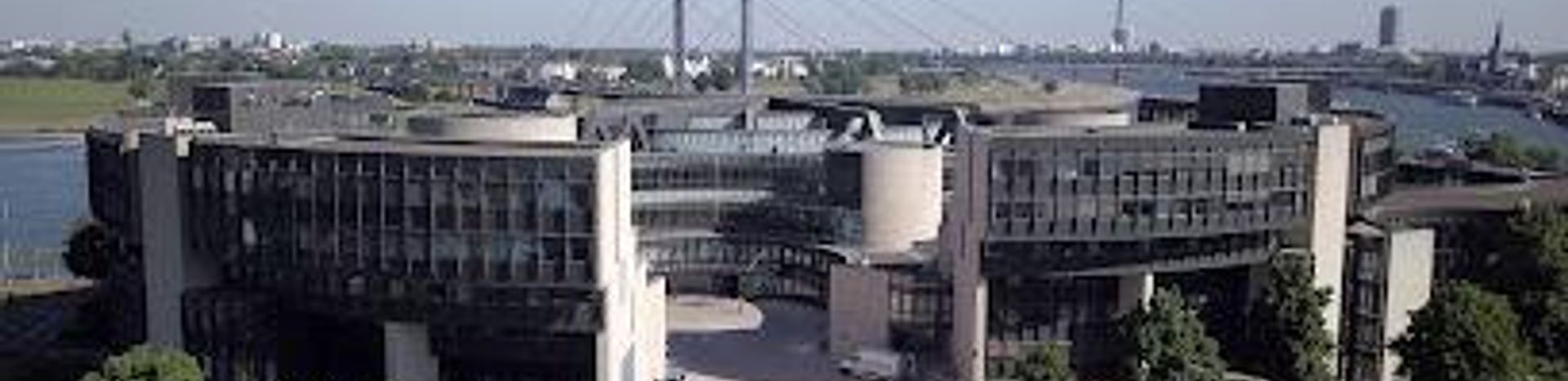
Discover the heart of North Rhine-Westphalia's democracy at the State Parliament in Düsseldorf, an architectural marvel where history, art, and political engagement converge on the Rhine.
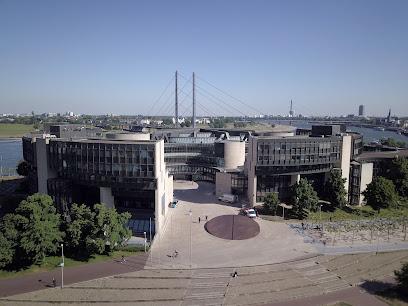
The State Parliament of North Rhine-Westphalia, situated on the banks of the Rhine in Düsseldorf, is more than just a legislative building; it's a symbol of democracy and transparency. Designed in the structuralism style by Eller, Moser, and Walter, its circular architecture represents the interconnectedness of parliamentary processes. Housing the elected representatives of North Rhine-Westphalia, the parliament is responsible for passing laws, electing the Minister-President, and overseeing the state government. Visitors can explore the building's unique architecture, view works by renowned artists, and learn about the region's political history. With its open design and public forums, the Landtag welcomes citizens to engage with their government, making it a significant landmark in Düsseldorf.
A brief summary to State Parliament of North Rhine-Westphalia
- Platz des Landtags 1, Düsseldorf, District 3, 40221, DE
- +492118840
- Visit website
Local tips
- Check the Landtag's official website for tour schedules and special events, as access may be limited during parliamentary sessions or private functions.
- Explore the art collection within the Landtag, featuring works by renowned German artists, offering a unique blend of culture and politics.
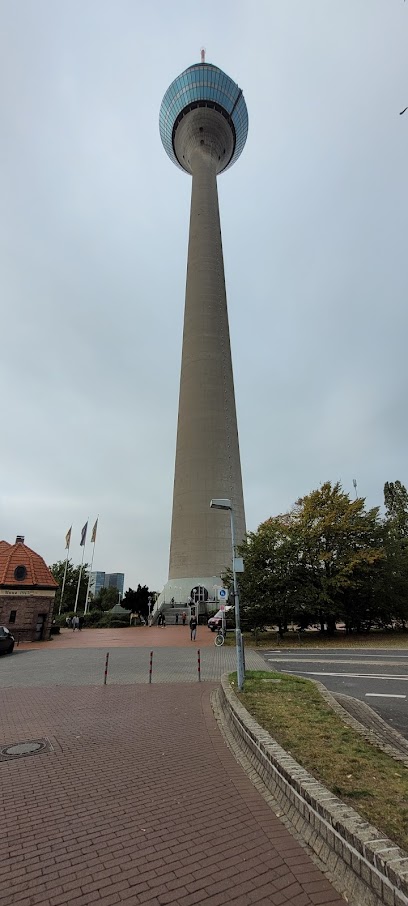
- Take a stroll along the Rhine River promenade after your visit, enjoying scenic views of the city and the iconic Rheinturm (Rhine Tower).

Getting There
-
Public Transport
From Düsseldorf Hauptbahnhof (main train station), take the U70, U74, U75, U76, U77, or U79 Stadtbahn (light rail) lines towards the city center. Get off at the 'Landtag/Kniebrücke' station. From there, it's a short walk of approximately 5 minutes. The cost for a single ticket (Einzelticket) within Düsseldorf is approximately €2.90.
-
Walking
If you are already in the city center (e.g., Königsallee), the State Parliament is approximately a 20-30 minute walk. Head west towards the Rhine River and follow the promenade south. You'll pass the Rheinturm (Rhine Tower) on your way. The Landtag is located just south of the Rheinturm.
-
Taxi/Ride-Share
A taxi or ride-share from Düsseldorf Hauptbahnhof to the Landtag will take approximately 10-15 minutes, depending on traffic. Expect to pay around €12-€18. From Königsallee, the fare would be slightly less, around €8-€12.
-
Driving
If driving, navigate to Platz des Landtags 1, 40221 Düsseldorf. Parking is available at the Q-Park Apollo car park, a few minutes' walk from the Landtag. Hourly rates typically range from €2.50 to €3.50, with daily maximums around €20-€25. Underground parking is also available, with access from the street.
Discover more about State Parliament of North Rhine-Westphalia
Iconic landmarks you can’t miss

State Parliament of North Rhine-Westphalia
0.0 km
Discover the heart of North Rhine-Westphalia's democracy at the State Parliament in Düsseldorf, a modern architectural marvel on the Rhine, offering insights into the region's political landscape.
Ausblick Medienhafen
0.5 km
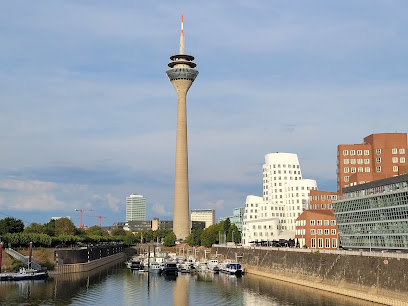
Discover Düsseldorf's Medienhafen: A stunning waterfront district where avant-garde architecture meets vibrant culture, offering panoramic views and a unique urban experience.
Mündung Südliche Düssel
0.7 km
Discover the unassuming charm of the Mündung Südliche Düssel where the river that gave Düsseldorf its name meets the Rhine, amidst the vibrant Rathausufer promenade.
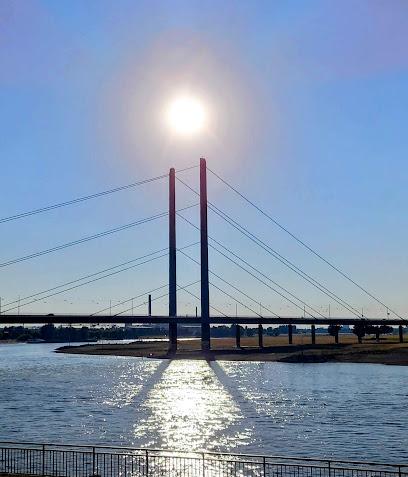
Rheinkniebrücke
0.7 km
Experience breathtaking views from Düsseldorf's iconic Rheinkniebrücke, a stunning cable-stayed bridge connecting the city's districts and offering panoramic vistas of the Rhine.
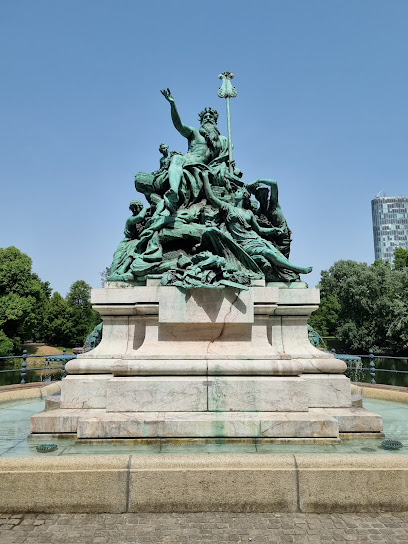
Father Rhine and his Daughters
0.8 km
Explore the iconic Father Rhine and His Daughters sculpture in Düsseldorf, a breathtaking homage to the river that shapes the region's culture and history.
Medienhafen Dusseldorf e.V.
0.8 km
Explore Düsseldorf's iconic MedienHafen: a vibrant waterfront district where cutting-edge architecture by Gehry and others meets trendy dining and a unique blend of old and new.
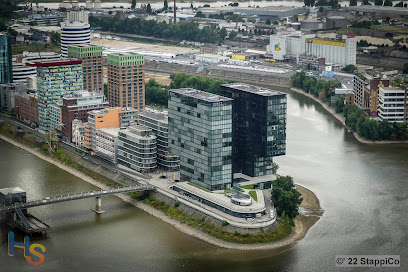
Alter Hafen Düsseldorf - Ehemaliger Sicherheitshafen
0.8 km
Discover Düsseldorf's maritime heritage at Alter Hafen, a vibrant waterfront district blending history, culture, and modern charm with scenic views and diverse culinary experiences.
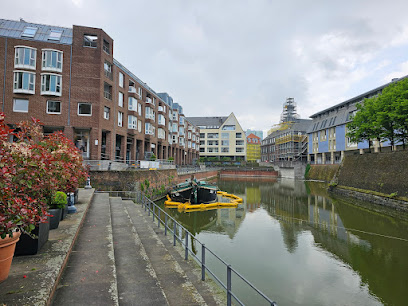
The Living Bridge
0.8 km
Experience Düsseldorf's innovative spirit on the Living Bridge, an architectural marvel in the Media Harbour offering stunning views and a unique blend of function and design.
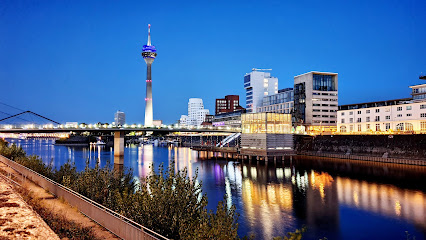
Carlspl. 2
0.8 km
Experience Düsseldorf's culinary heart at Carlsplatz Market, a historic marketplace brimming with fresh produce, gourmet foods, and international flavors in the city's vibrant center.
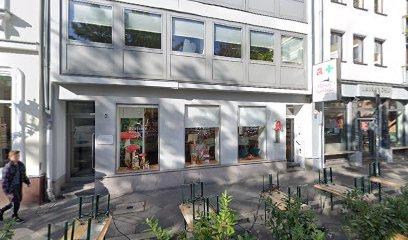
Medienhafen Düsseldorf
0.9 km
Explore Düsseldorf's Medienhafen: a dazzling display of modern architecture, trendy dining, and vibrant culture where innovative design meets the historic Rhine waterfront.
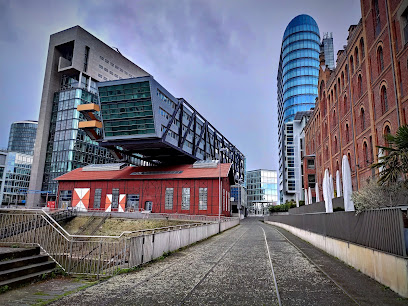
Marktpl. 2
1.0 km
Discover Düsseldorf's Marktplatz: A historic square in the heart of the Old Town, surrounded by stunning architecture, lively events, and culinary delights, offering a true taste of German culture.
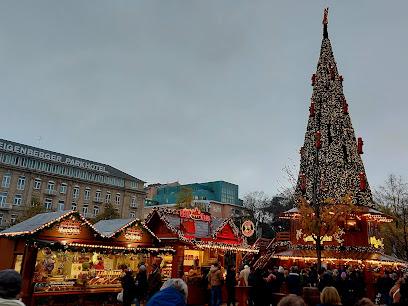
Jan-Wellem-Reiterstandbild
1.0 km
Explore the historic Jan-Wellem-Reiterstandbild, a stunning equestrian statue and cultural landmark in the heart of Düsseldorf's vibrant marketplace.
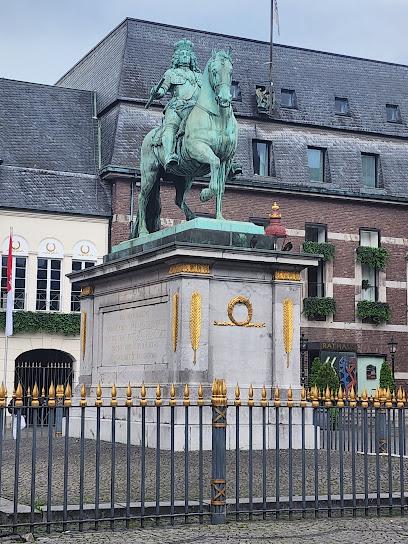
Marktplatz
1.0 km
Explore Marktplatz in Düsseldorf, a historical landmark filled with vibrant markets, stunning architecture, and rich cultural experiences that define the city's charm.
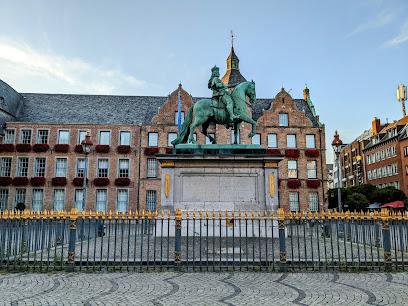
Schneider-Wibbel Statue
1.0 km
Visit the Schneider-Wibbel Statue in Düsseldorf's Old Town, a charming monument to a clever tailor and a symbol of the city's wit and resilience, nestled in a lane filled with culinary delights.
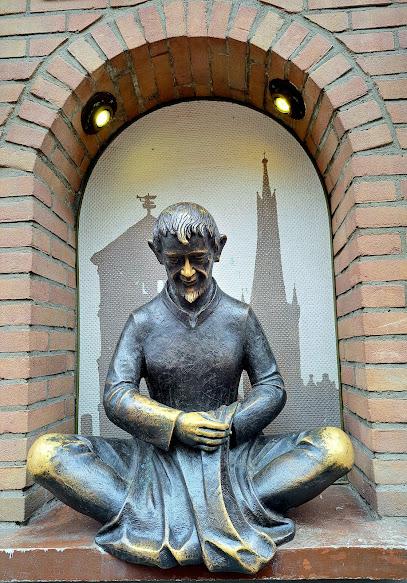
Burgpl. 1
1.0 km
Discover the architectural beauty and vibrant atmosphere of Burgplatz, a must-visit square in the heart of Düsseldorf.
Unmissable attractions to see

Rhine Tower
0.2 km
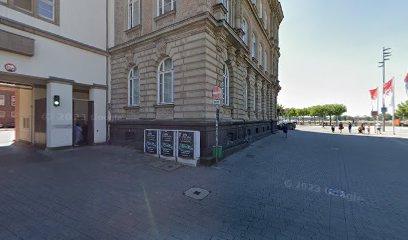
Discover breathtaking views of Düsseldorf from the Rhine Tower, an architectural marvel and a must-visit destination for every traveler.
Kunst im Tunnel
0.2 km
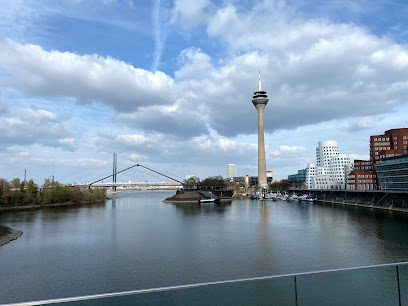
Explore the vibrant world of contemporary art at Kunst im Tunnel, a unique underground museum in Düsseldorf showcasing innovative exhibitions.
Rheinuferpromenade Düsseldorf
0.3 km
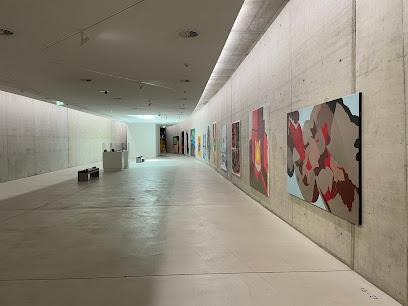
Discover Düsseldorf's Rheinuferpromenade: A scenic riverside escape with stunning views, vibrant culture, and delightful dining options.
Gehry Bauten
0.5 km
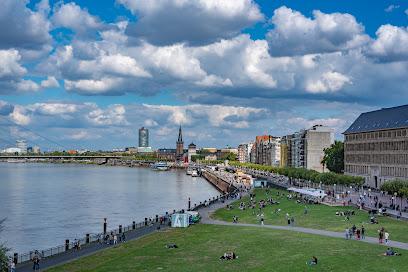
Explore the captivating Gehry Bauten in Düsseldorf, an architectural masterpiece showcasing Frank Gehry's innovative designs and urban creativity.
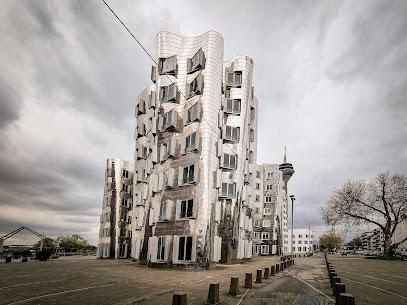
Stadtmuseum Düsseldorf
0.6 km
Explore the captivating history and vibrant culture of Düsseldorf at the Stadtmuseum, a must-visit for every traveler.
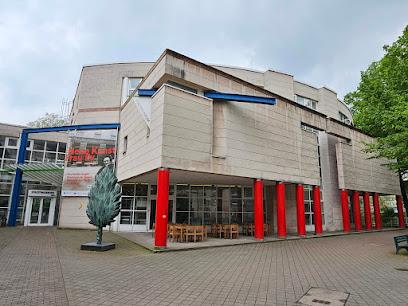
SegwayPoint Düsseldorf & SegEvents
0.6 km
Experience Düsseldorf's iconic sights and vibrant culture on thrilling Segway tours with SegwayPoint, perfect for tourists seeking adventure and exploration.
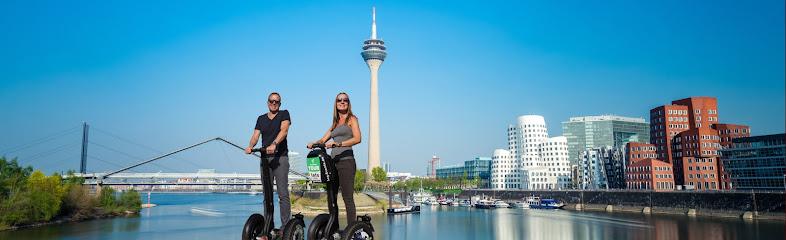
Kaiserteich
0.6 km
Discover the tranquility of Kaiserteich, Düsseldorf's serene park, where lush greenery meets scenic waters, perfect for relaxation and leisure.
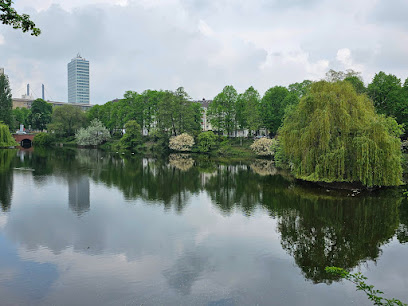
Aussichtspunkt auf den Rheinturm
0.7 km
Discover breathtaking panoramic views of Düsseldorf from the iconic Rheinturm, a must-visit landmark that showcases the city's beauty.
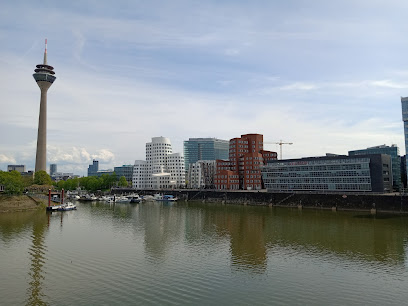
Filmmuseum Düsseldorf
0.7 km
Explore the rich history of cinema at the Filmmuseum Düsseldorf, where film comes to life through engaging exhibits and classic screenings.
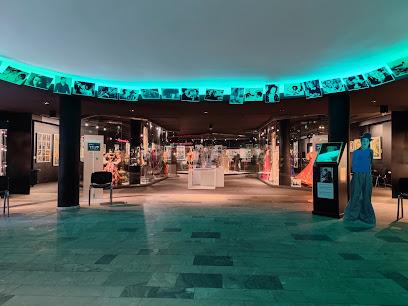
Hafenkräne
0.8 km
Explore the stunning Hafenkräne in Düsseldorf, where industrial heritage meets vibrant waterfront views, perfect for unforgettable photo opportunities.
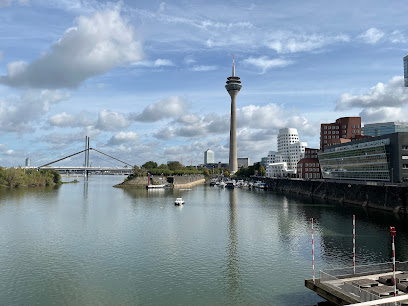
Kunstsammlung
0.8 km
Discover the vibrant world of modern art at Kunstsammlung, Düsseldorf's premier museum for contemporary creativity and inspiration.
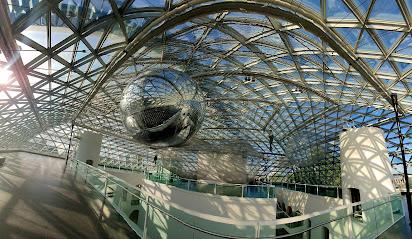
Panorama Viewpoint - Medienhafen
0.8 km
Experience stunning views of Düsseldorf’s skyline and the Rhine from the Panorama Viewpoint - a must-visit attraction in Medienhafen.
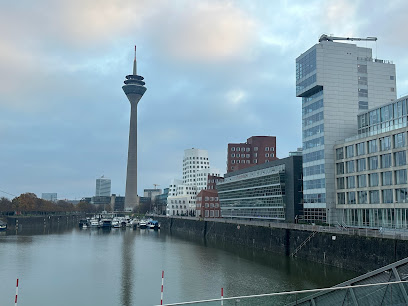
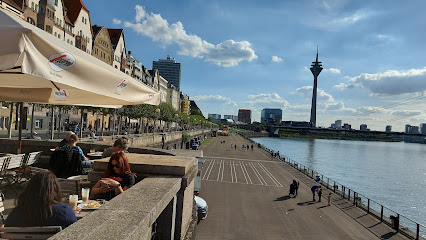
Rheinpromenade
0.8 km
Explore the scenic Rheinpromenade in Düsseldorf, a vibrant waterfront lined with cafes, stunning views, and cultural experiences along the Rhine River.
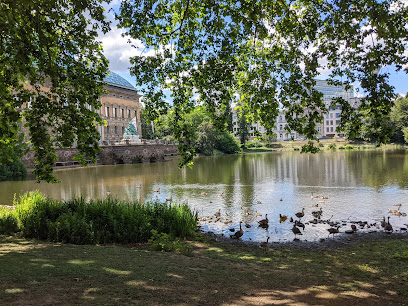
Ständehauspark
0.8 km
Discover tranquility at Ständehauspark, Düsseldorf's lush urban oasis, perfect for relaxation, wildlife photography, and leisurely strolls amidst vibrant landscapes.
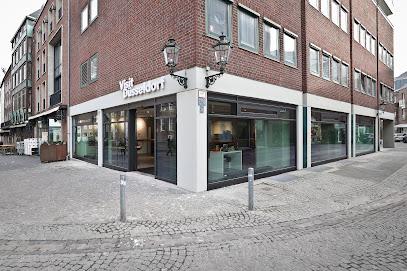
Tourist-Information - Visit Düsseldorf
0.9 km
Explore Düsseldorf's vibrant culture and attractions from the heart of the city at the Tourist-Information center, your essential travel resource.
Essential places to dine

QOMO Restaurant & Bar
0.2 km
Discover exquisite fusion cuisine at QOMO Restaurant & Bar in Düsseldorf - where global flavors meet culinary artistry.
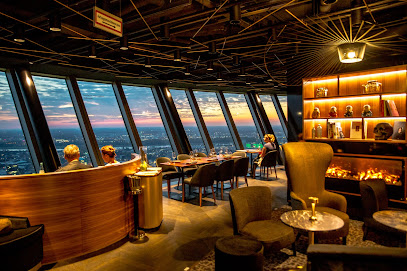
ROCCA 800°C | Steakhaus, Restaurant & Bar im Düsseldorfer Medienhafen
0.5 km
Savor exquisite steaks at ROCCA 800°C - Düsseldorf's premier American steakhouse in the stunning Medienhafen.
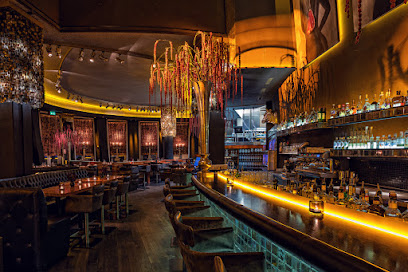
MEERBAR Restaurant
0.5 km
Discover the essence of Mediterranean dining at MEERBAR Restaurant in Düsseldorf - where exquisite seafood meets stunning riverside views.
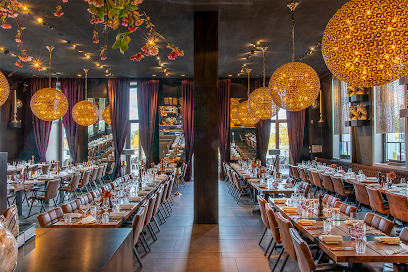
Da Clà Restaurant
0.7 km
Experience authentic Italian flavors at Da Clà Restaurant in Düsseldorf – where every meal feels like a trip to Italy.
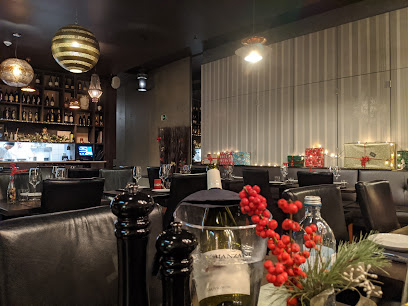
Byliny
0.7 km
Experience exquisite flavors at Byliny – Düsseldorf's premier destination for authentic dining with a modern twist.
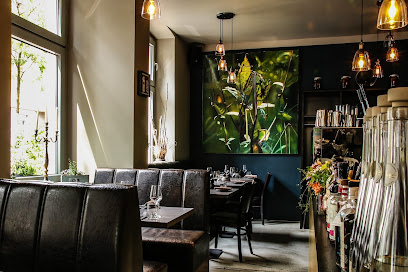
HANS IM GLÜCK - DÜSSELDORF Medienhafen
0.7 km
Experience gourmet burgers in Düsseldorf's Medienhafen at HANS IM GLÜCK - where taste meets ambiance in every bite.
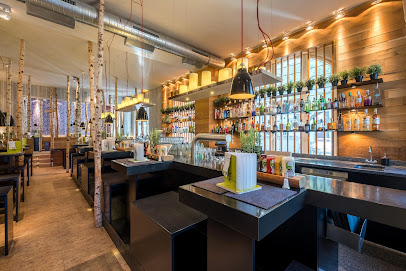
am Kai
0.7 km
Discover the vibrant fusion cuisine at am Kai in Düsseldorf—where culinary innovation meets exquisite flavors in a stylish setting.
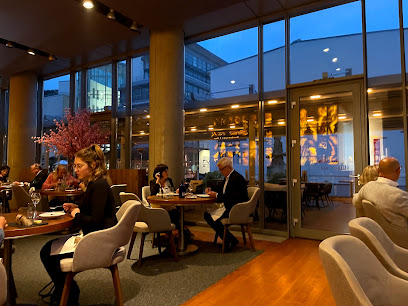
Basil's Restaurant & Bar
0.8 km
Discover the best Mediterranean flavors at Basil's Restaurant & Bar in Düsseldorf - where Greek, Italian, and seafood delicacies await.
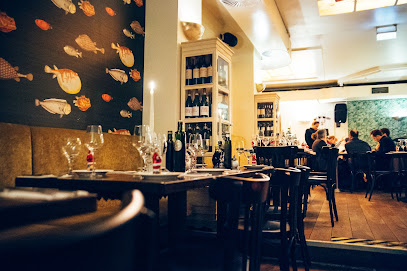
Lido Hafen
0.8 km
Experience fine dining at Lido Hafen in Düsseldorf with gourmet cuisine and stunning waterfront views.
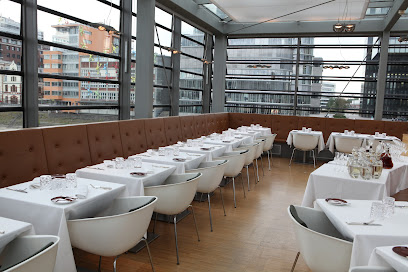
Brauerei Zum Schiffchen, Düsseldorf
0.8 km
Experience authentic German beer culture at Brauerei Zum Schiffchen, Düsseldorf's historic brewpub offering delicious local brews and traditional cuisine.
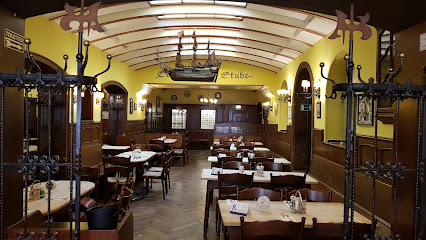
DOX Restaurant & Bar
0.8 km
Discover contemporary dining at DOX Restaurant & Bar in Düsseldorf - where exceptional cuisine meets vibrant nightlife.
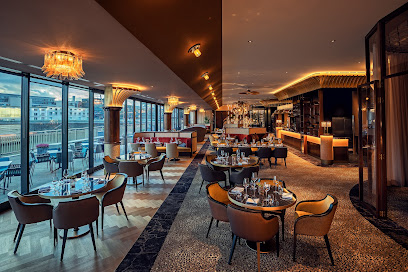
Mongo's Restaurant Düsseldorf
0.8 km
Experience an unforgettable Mongolian barbecue journey at Mongo's Restaurant in Düsseldorf - perfect for food lovers with diverse tastes!
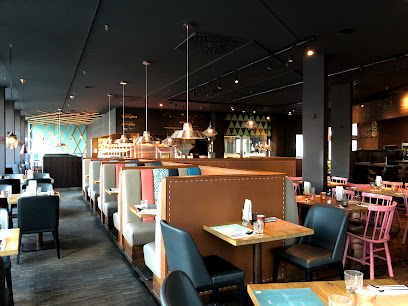
Münstermann Kontor
0.8 km
Discover culinary excellence at Münstermann Kontor in Düsseldorf - where traditional flavors meet modern gastronomy.
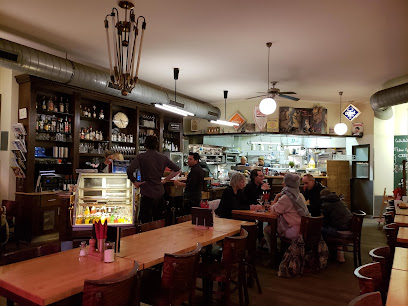
Böser Chinese
0.8 km
Discover authentic flavors at Böser Chinese in Düsseldorf – where every dish tells a story.
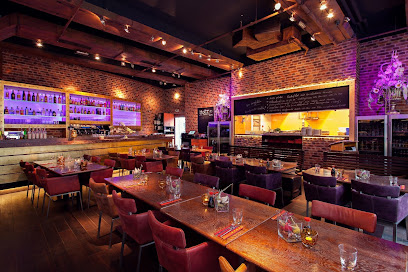
Okinii Düsseldorf Medienhafen
0.8 km
Experience authentic Japanese flavors at Okinii Düsseldorf Medienhafen—where sushi meets style in a stunning waterfront setting.
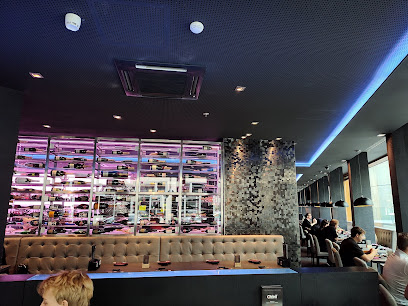
Markets, malls and hidden boutiques

Nullzwoelf-Concept Store
0.5 km
Discover unique gifts, custom clothing, and local fashion at the Nullzwoelf-Concept Store in Düsseldorf, a creative hub for tourists and locals alike.
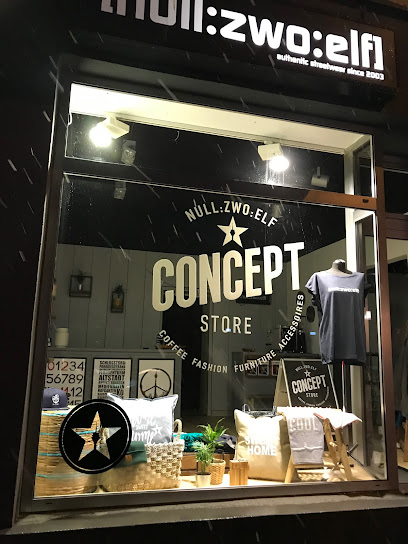
WhatWomenWant - Conceptstore
0.6 km
Explore WhatWomenWant, Düsseldorf’s premier concept store offering unique fashion and lifestyle products for the modern woman.
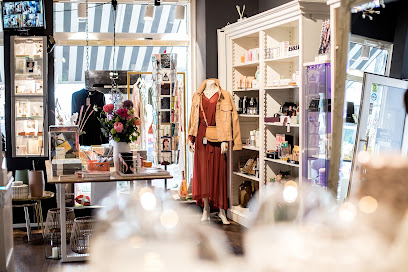
The bird who told
0.7 km
Explore The Bird Who Told in Düsseldorf for unique gifts, local art, and stylish accessories, perfect for any traveler seeking memorable souvenirs.
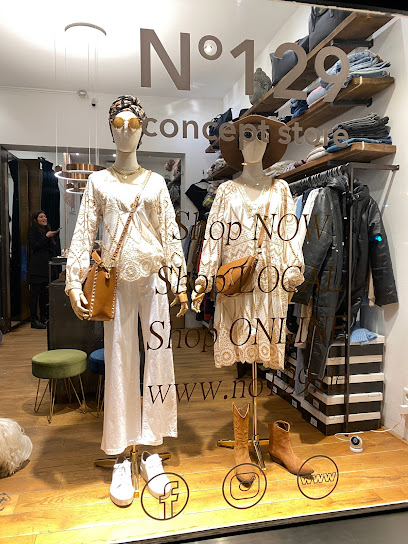
No129 concept store
0.8 km
Experience the essence of contemporary fashion at No129 Concept Store in Düsseldorf, where style meets elegance in every piece.
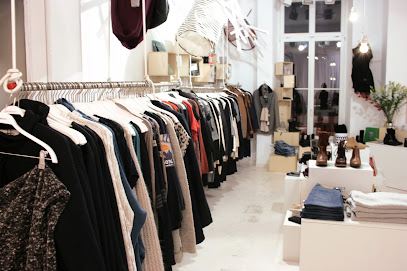
Kauf Dich Glücklich Düsseldorf
0.8 km
Explore Kauf Dich Glücklich in Düsseldorf for a unique shopping experience featuring trendy clothing and accessories in a cozy atmosphere.
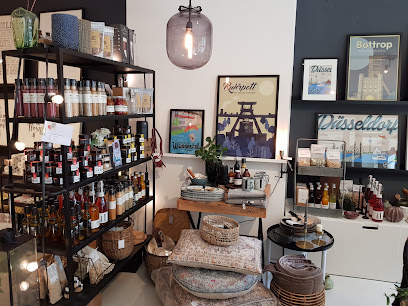
Selekteur
0.8 km
Explore the unique charm of Selekteur, a delightful gift shop in Düsseldorf offering local crafts, artisanal foods, and stylish fashion.
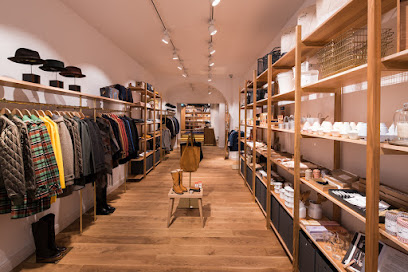
Dampfshop Medienhafen
0.9 km
Explore Düsseldorf's premier vaporizer store, Dampfshop Medienhafen, featuring a wide range of products and expert staff ready to assist you.
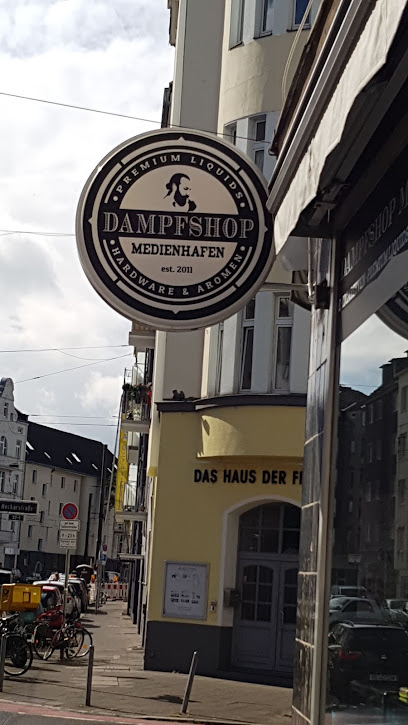
Cinque Showroom
0.9 km
Explore timeless elegance and contemporary style at Cinque Showroom, Düsseldorf's premier destination for fashion enthusiasts.
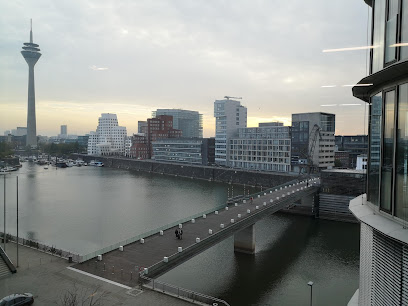
hessnatur Store Düsseldorf
0.9 km
Explore sustainable fashion at Hessnatur Store in Düsseldorf, offering a variety of eco-friendly clothing for all ages and styles.
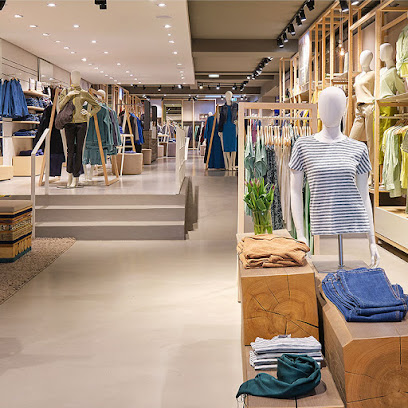
APROPOS The Concept Store
0.9 km
Discover the chic elegance of APROPOS The Concept Store in Düsseldorf, where fashion meets luxury in a stylish shopping environment.
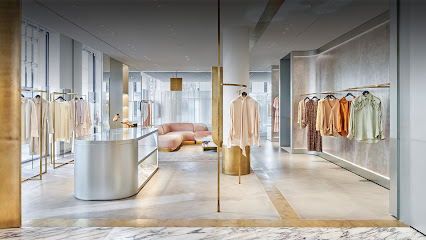
Anziehend Store
0.9 km
Explore Anziehend Store in Düsseldorf for a unique shopping experience with stylish women's clothing and accessories in a charming boutique atmosphere.
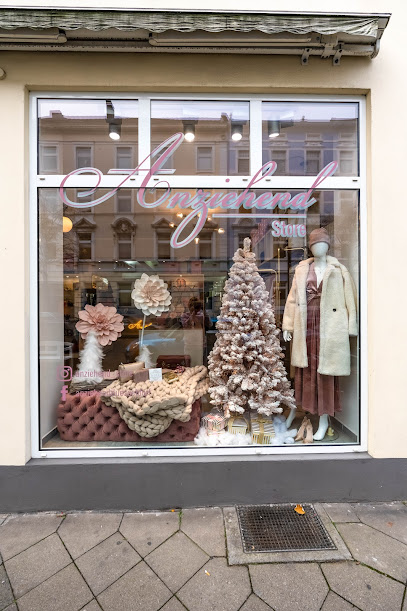
Vintage Paradise
0.9 km
Explore Vintage Paradise in Düsseldorf for a unique selection of vintage clothing, accessories, and decor that brings nostalgia to life.
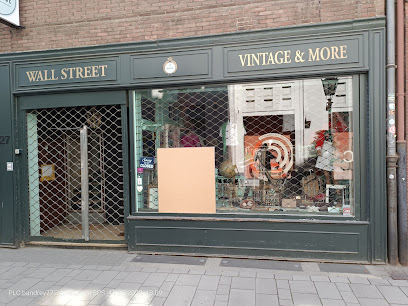
Subdued
1.0 km
Discover unique fashion trends at Subdued, the chic boutique in Düsseldorf that offers stylish clothing for every occasion.
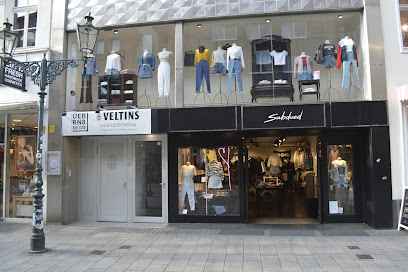
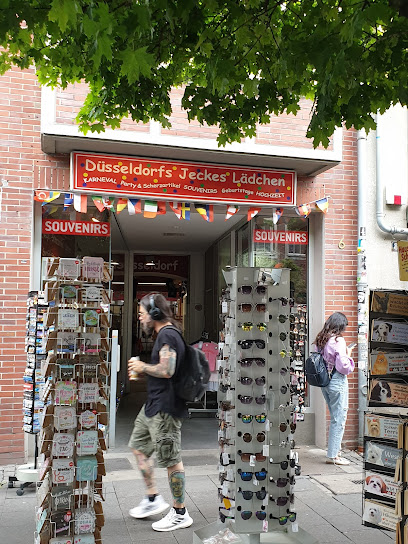
Jeckes Lädchen
1.0 km
Discover authentic souvenirs at Jeckes Lädchen, a charming store in the heart of Düsseldorf offering unique gifts and local treasures.
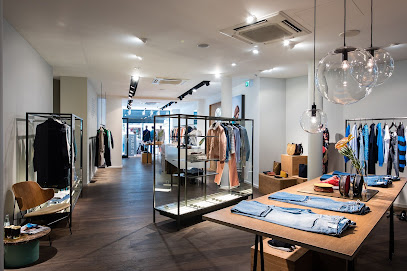
Closed Women's & Men's Store Düsseldorf
1.0 km
Explore Closed in Düsseldorf for the latest in contemporary men's and women's fashion, where style meets sustainability.
Essential bars & hidden hideouts

RoundAbout
0.4 km
Discover the vibrant ambiance and diverse drink selection at RoundAbout, a must-visit bar in Düsseldorf's lively nightlife scene.
Au Quai by ArabesQ
0.7 km
Discover Au Quai by ArabesQ, Düsseldorf's premier cocktail bar, where exquisite drinks meet an enchanting riverside setting.
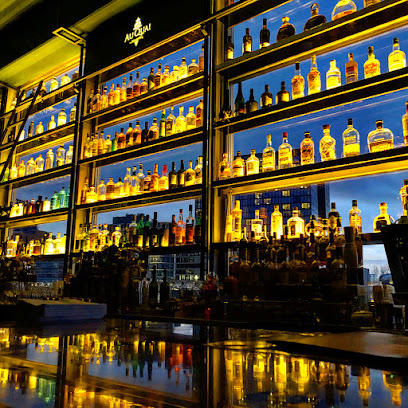
Pebble's Terrasse Hyatt Regency Düsseldorf
0.8 km
Savor the art of grilling in a relaxed lounge atmosphere at Pebble's Terrasse, Hyatt Regency Düsseldorf, where every meal is a celebration of flavor.
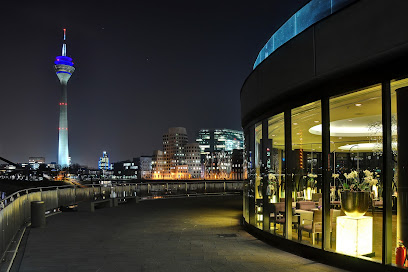
Bar Alexander
0.8 km
Experience the vibrant nightlife of Düsseldorf at Bar Alexander, where expertly crafted drinks and a lively atmosphere await.
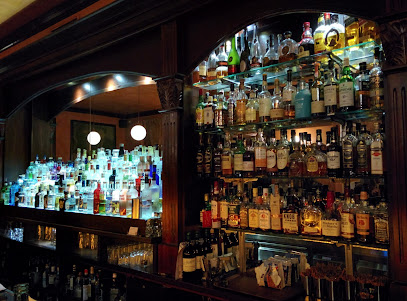
Cocktail Bar 112
1.0 km
Experience the vibrant nightlife of Düsseldorf at Cocktail Bar 112, where expertly crafted cocktails meet stunning riverside views in a modern setting.
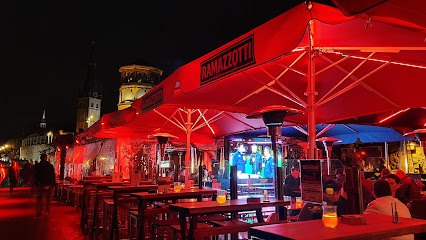
Mojito's fine Cocktailbar
1.0 km
Discover the luxury of Mojito's Fine Cocktailbar in Düsseldorf, where exquisite cocktails and a vibrant atmosphere await every guest.
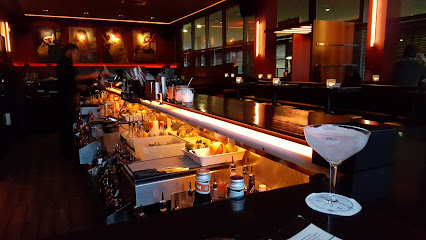
The VIEW Skylounge & Bar
1.0 km
Discover the exquisite flavors and stunning views at The VIEW Skylounge & Bar, a premier dining destination in Düsseldorf.
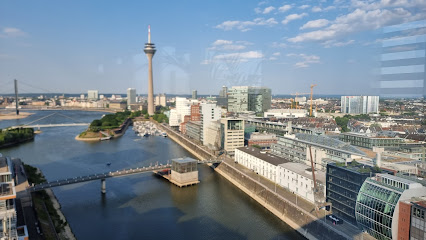
Bar Fifty Nine
1.0 km
Experience the vibrant nightlife of Düsseldorf at Bar Fifty Nine, a stylish cocktail bar offering expertly crafted drinks in a chic atmosphere.
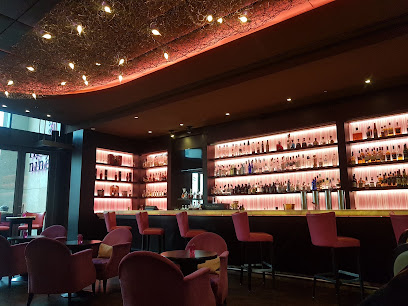
Tino's Bar - Düsseldorf
1.0 km
Discover Tino's Bar in Düsseldorf, where exquisite cocktails meet authentic Italian cuisine in a sophisticated atmosphere.
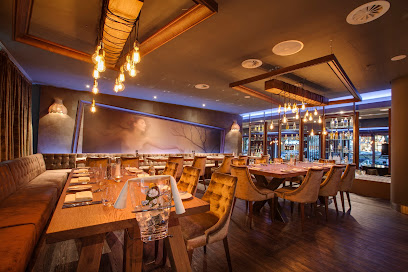
Dä Spiegel
1.1 km
Discover Düsseldorf’s culinary scene at Dä Spiegel, where traditional German flavors meet a vibrant gastropub atmosphere in the heart of the city.
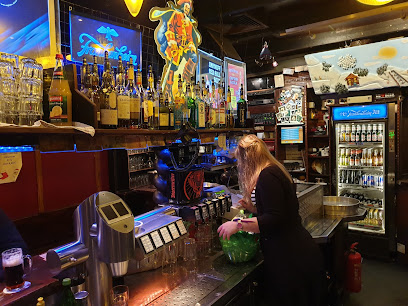
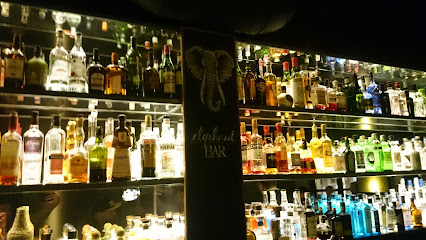
Elephant Bar - Düsseldorf
1.1 km
Discover the vibrant nightlife and exotic flavors at Elephant Bar in Düsseldorf, a perfect spot for locals and tourists alike.
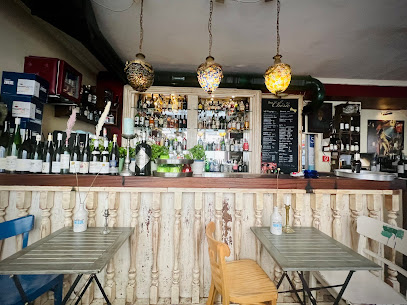
Bar Cherie - Düsseldorf
1.1 km
Discover Bar Cherie in Düsseldorf: A vibrant bar with exquisite drinks and an inviting atmosphere for an unforgettable night out.
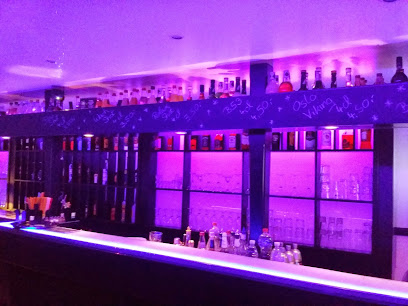
Meetingraum - Düsseldorf
1.1 km
Experience the vibrant nightlife at Meetingraum, Düsseldorf's top cocktail bar, offering expertly crafted drinks in a stylish ambiance.
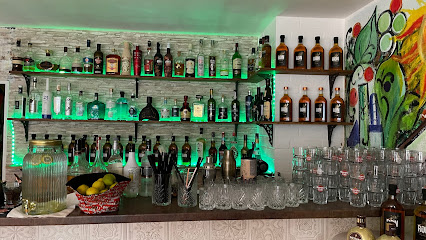
Cocktailkurse Düsseldorf
1.1 km
Discover the art of mixology at Cocktailkurse Düsseldorf, where every sip tells a story and every course is a celebration of flavors.
Em Pöötzke
1.1 km
Experience the soulful rhythms of jazz at Em Pöötzke, Düsseldorf's intimate and historic jazz club, where every performance is a journey through sound.
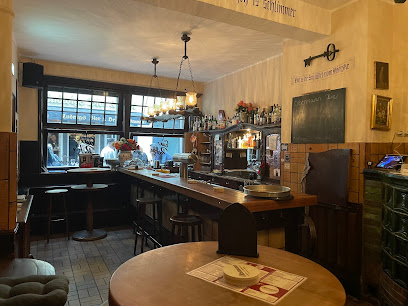
Nightclubs & after hour spots

Rudas Studios Club
0.9 km
Discover Düsseldorf's nightlife at Rudas Studios Club, a vibrant night club offering exceptional music, stylish ambiance, and unforgettable events.
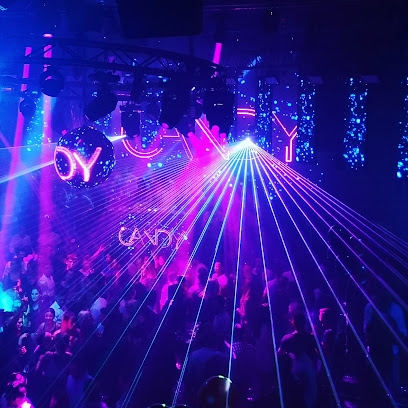
The Eight - Eventlocation & Club in Düsseldorf
0.9 km
Dive into Düsseldorf's nightlife at The Eight, where music, style, and unforgettable experiences await you!
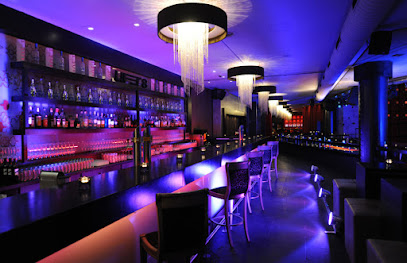
Lucy's Sky - Düsseldorf
1.0 km
Discover the pulse of Düsseldorf's nightlife at Lucy's Sky, where music, dance, and stunning views come together for an unforgettable experience.
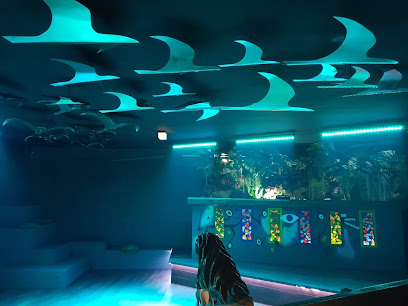
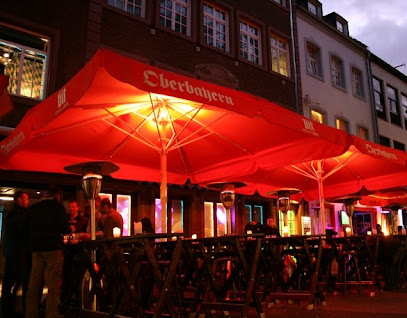
Oberbayern
1.1 km
Discover Oberbayern in Düsseldorf – a fusion of disco, bar, and pub that promises an unforgettable nightlife experience.
Cube
1.1 km
Discover Düsseldorf's nightlife at Cube, a vibrant night club with electrifying music, energetic dancing, and an unforgettable atmosphere.
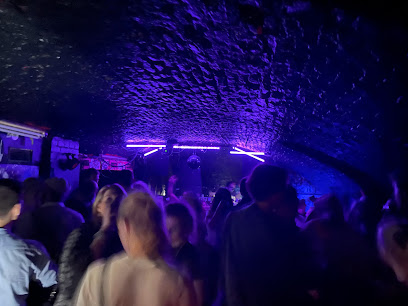
Knight Club
1.1 km
Unleash your night at Knight Club, Düsseldorf's premier nightlife destination with electrifying music and an unforgettable bar experience.
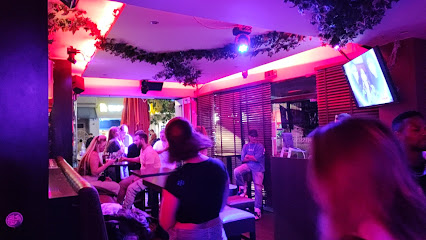
Smiley Club Dusseldorf
1.1 km
Discover the vibrant nightlife at Smiley Club Düsseldorf, where rhythm meets revelry in a truly electrifying atmosphere.
Kö Club
1.1 km
Kö Club in Düsseldorf offers an unforgettable nightlife experience with vibrant music, stylish decor, and a lively atmosphere perfect for dancing the night away.
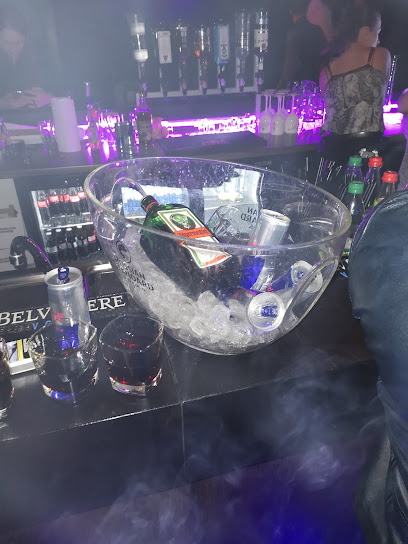
Schickimicki Club
1.2 km
Dive into Düsseldorf's nightlife at Schickimicki Club, where great music, dancing, and an electric atmosphere await every night.
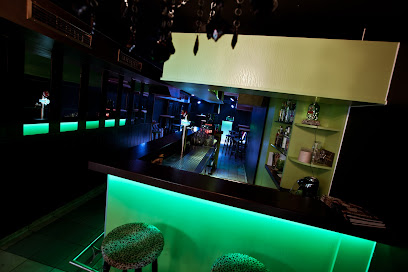
Oh Baby Anna
1.2 km
Dive into the electrifying nightlife of Düsseldorf at Oh Baby Anna, a premier night club renowned for its lively atmosphere and top-notch entertainment.
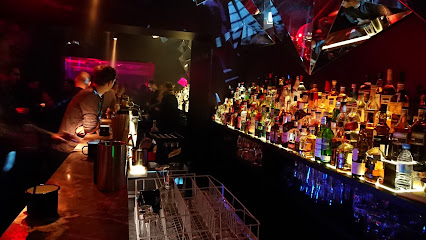
Anaconda Lounge
1.2 km
Experience the vibrant nightlife of Düsseldorf at Anaconda Lounge, where music, dance, and unforgettable moments come together.
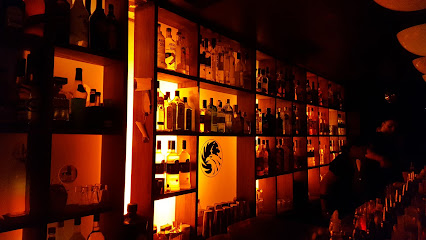
MAHIKI EXCLUSIVE NIGHTCLUB DÜSSELDORF
1.2 km
Discover the electrifying nightlife at Mahiki Exclusive Nightclub in Düsseldorf, where vibrant music and an energetic crowd create unforgettable experiences.
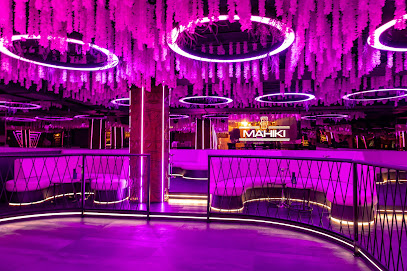
The Nachtresidenz Düsseldorf
1.2 km
Discover the heart of Düsseldorf's nightlife at Nachtresidenz, where music and excitement come alive in a stylish disco club atmosphere.
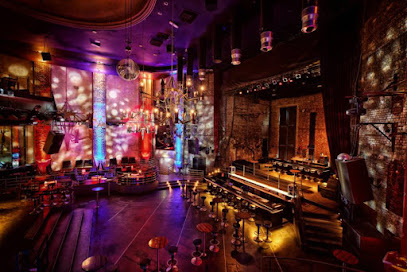
Rio Arriba
1.2 km
Experience the pulsating nightlife of Düsseldorf at Rio Arriba, where vibrant music and an energetic crowd create unforgettable memories.
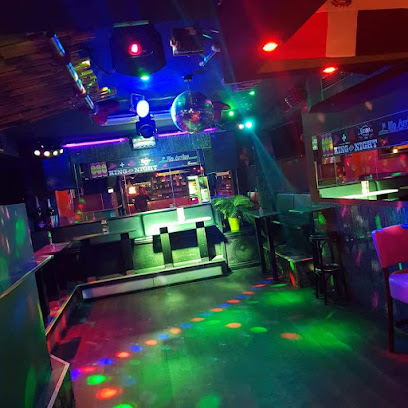
Chokolate City - Düsseldorf
1.3 km
Experience the electrifying nightlife at Chokolate City in Düsseldorf, where music, dance, and vibrant energy come together for an unforgettable evening.