Background

Schlossplatz: Dresden's Royal Heart

Discover Dresden's Schlossplatz: A historic square surrounded by architectural marvels, offering a captivating blend of art, culture, and royal history in the heart of the Altstadt.

4.8

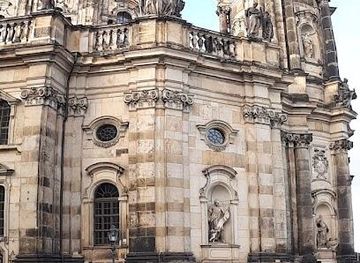
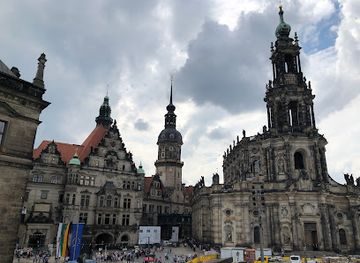
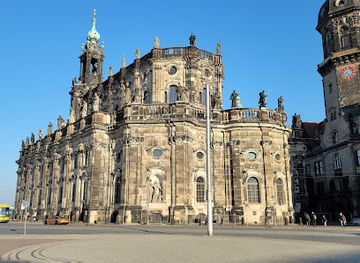
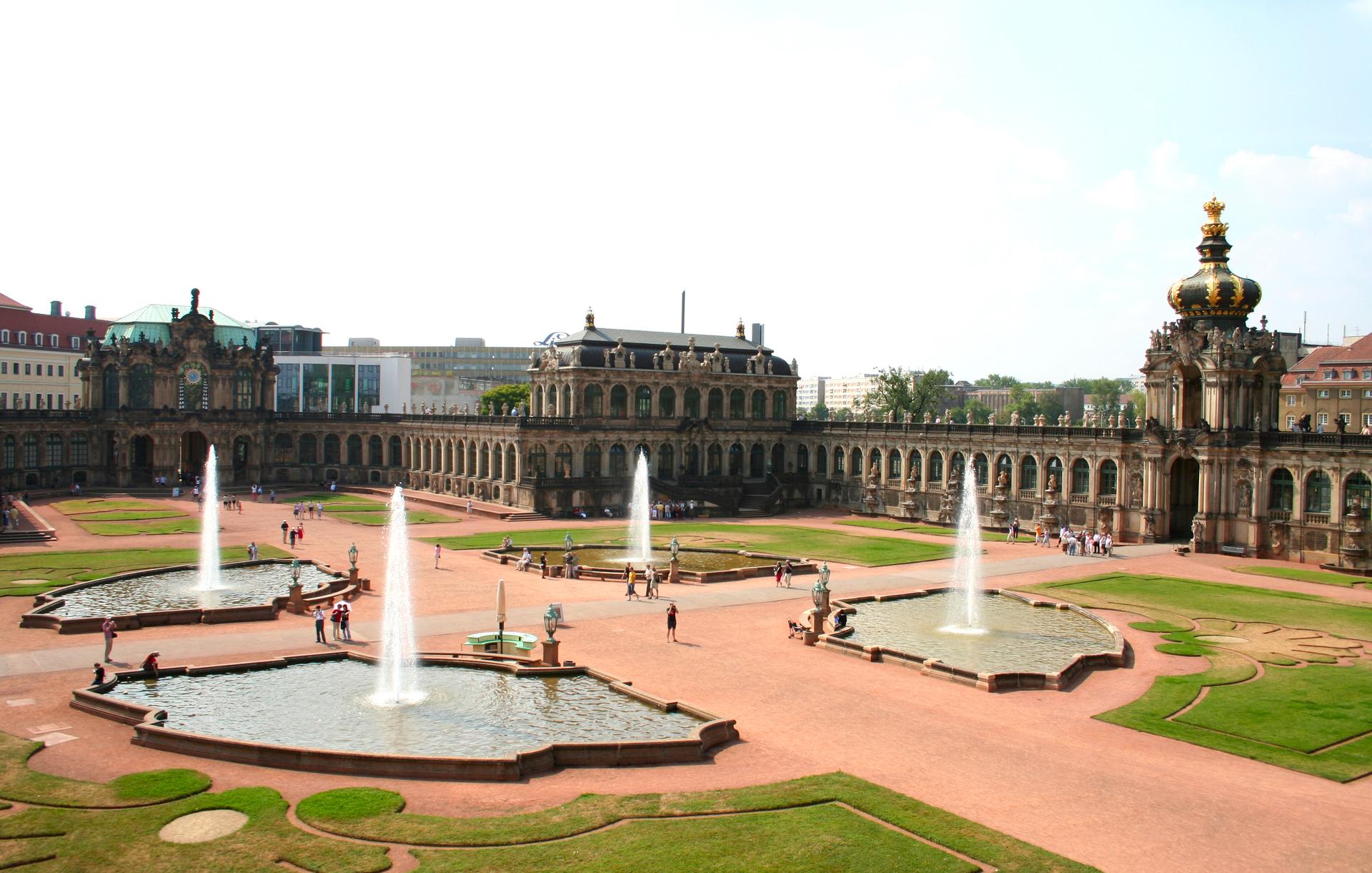
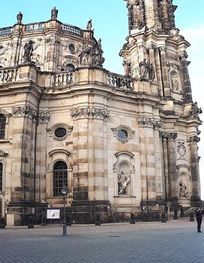
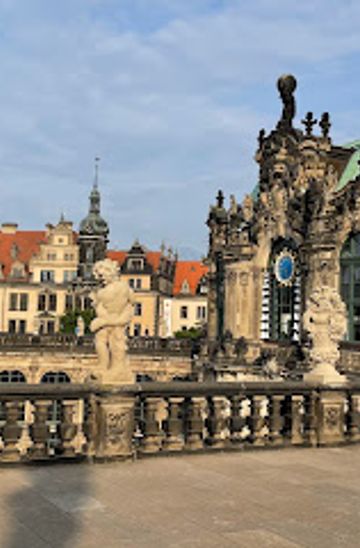
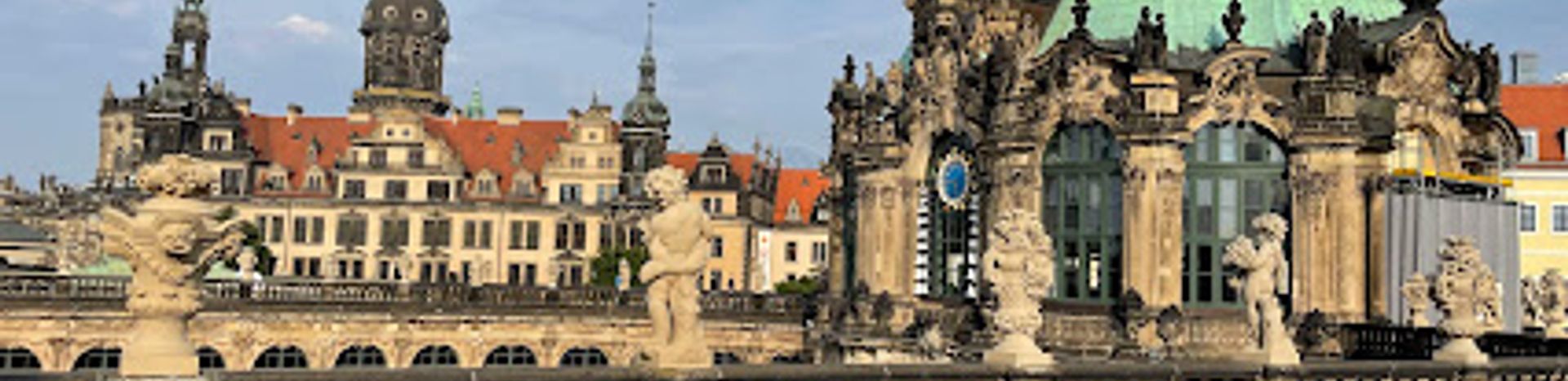
Schlossplatz, the Palace Square, is the vibrant heart of Dresden's historic Altstadt. Surrounded by architectural masterpieces like the Dresden Castle, the Catholic Church of the Royal Court (Hofkirche), and the Saxon State House, the square offers a captivating blend of history, art, and culture. Rebuilt after extensive damage during World War II, Schlossplatz stands as a testament to Dresden's resilience. Visitors can explore historical monuments, enjoy the lively atmosphere with street performers and events, and delve into the city's rich past. With its meticulously restored buildings and central location, Schlossplatz is a must-see destination for any traveler seeking to experience the grandeur and spirit of Dresden. Whether you're admiring the Baroque architecture, tracing Napoleon's footsteps, or simply soaking in the ambiance, Schlossplatz provides an unforgettable glimpse into Dresden's royal legacy and cultural vibrancy.

A brief summary to Schlossplatz

  • Schloßpl., Dresden, Altstadt, 01067, DE

Local tips

  • Visit during one of the many festivals or markets held on the square to experience the local culture and vibrant atmosphere.
  • Take a guided tour to learn about the history and significance of the surrounding buildings, including the Dresden Castle and Catholic Church of the Royal Court.
  • Look for the paving stone marked with an 'N' outside the Katholische Hofkirche, which marks the spot where Napoleon rallied his troops before the Battle of Dresden.
widget icon

Getting There

  • Walking

    If you are in the heart of Altstadt, head towards Theaterplatz, easily recognizable by the Semper Opera House. From Theaterplatz, walk towards the Elbe River; Dresden Castle will be on your left. Continue along the path to Schlossplatz, directly in front of the castle. This walk takes about 10-15 minutes. No costs involved.

  • Public Transport

    Take tram lines 1, 2, 4, 6, 8, 11 or 12 to the 'Postplatz' stop or tram lines 4 or 9 to 'Theaterplatz' stop. From Postplatz, walk 5 minutes towards the Elbe River and follow signs to the historic center. From Theaterplatz, Schlossplatz is a short walk towards the Elbe River. A single tram ticket costs approximately €2.70.

  • Bus

    Take bus line 66 to 'Schlossplatz' directly. This bus stop is right at the location. A single bus ticket costs around €2.70 and can be purchased from ticket machines at the bus stop.

  • Taxi/Ride-Share

    A taxi or ride-share from Dresden Hauptbahnhof (main train station) to Schlossplatz typically costs between €8 and €12, depending on traffic and the specific service. The journey takes approximately 5-10 minutes.

  • Driving

    If driving, head towards Dresden city center. Use the A4 motorway and take the exit towards 'Dresden Altstadt'. Follow signs for the city center (Zentrum) and look for parking near the Altmarkt or Theaterplatz. Parking in the city center may cost around €2-€3 per hour. Once parked, it's a short walk to Schlossplatz.

Unlock the Best of Schlossplatz

Buy tickets

    No tickets available

Book tours with entry

    No tours available

Book tours without entry

    No tours available

Discover more about Schlossplatz

Schlossplatz, or Palace Square, is the central and most historically significant square in Dresden, Germany. Located in the heart of the Altstadt (Old Town), it derives its name from the Dresdner Schloss, the royal residence of the Electors and Kings of Saxony. This expansive square is not merely a geographical point but a vibrant tapestry woven with centuries of history, architectural grandeur, and cultural resonance. Originally established in the 15th century, Schlossplatz has undergone numerous transformations, witnessing both periods of splendor and devastating destruction. The square's layout and surrounding buildings reflect the ambitions and artistic tastes of Saxony's rulers, each leaving their mark on its evolving character. Friedrich August II, in the 18th century, initiated significant changes to create space for the Katholische Hofkirche (Catholic Church of the Royal Court), altering the square's dimensions and architectural landscape. Like much of Dresden, Schlossplatz suffered extensive damage during the Allied bombings of World War II. The destruction reduced many of its surrounding buildings to rubble, leaving a void in the city's historical narrative. However, Dresden embarked on a remarkable reconstruction effort, meticulously restoring Schlossplatz and its adjacent landmarks to their former glory. This restoration, guided by archival photographs and detailed records, stands as a testament to the city's commitment to preserving its cultural heritage. Today, Schlossplatz is bordered by several significant buildings, each contributing to its unique character. The Dresdner Schloss, a sprawling Renaissance building, dominates the square's southern side. This palace, once the seat of Saxon power, now houses several museums, including the Green Vault and the Armory. Its architecture showcases a blend of styles, reflecting centuries of additions and renovations. The Katholische Hofkirche, a Baroque masterpiece, stands on the square's western edge. Commissioned by Augustus III, this church served as a symbol of Catholicism in Protestant Saxony. Its ornate facade and intricate interior are a testament to the artistic skill of the period. The Hofkirche's crypt houses the sarcophagi of Wettin princes and kings, adding to its historical significance. On the eastern side of Schlossplatz stands the Sächsische Ständehaus, or Saxon House of Estates. Built in the early 20th century, this building served as the meeting place for the Saxon parliament. Its architecture blends Neo-Renaissance and Baroque elements, reflecting the historicist style prevalent at the time. The Ständehaus is adorned with a statue of Friedrich August I of Saxony, commemorating his reign. The Georgentor, or George Gate, marks the entrance to the Schloss from the direction of the Elbe River. This gate, originally part of the city's fortifications, was rebuilt in the late 19th century in the Neo-Renaissance style. Its intricate facade and historical significance make it a notable landmark on Schlossplatz. Schlossplatz also holds historical significance related to Napoleon Bonaparte. A paving stone marked with the letter 'N' outside the Katholische Hofkirche denotes the spot where Napoleon rallied his troops before the Battle of Dresden in 1813. This event underscores the square's role as a stage for major historical events. While Schlossplatz is used for political events, its acoustics are not ideal for concerts. As a result, the nearby Theaterplatz, with its more spacious layout, is often preferred for musical performances. Despite this, Schlossplatz remains a vital and vibrant part of Dresden's urban landscape, attracting visitors from around the world. Exploring Schlossplatz offers a journey through time, where every corner reveals a new chapter of Dresden's rich history. The square's meticulously restored buildings, historical monuments, and lively atmosphere create an unforgettable experience for visitors. Whether you are an art enthusiast, a history buff, or simply seeking a picturesque spot to relax, Schlossplatz provides a captivating glimpse into Dresden's royal legacy and cultural vibrancy. Take a leisurely stroll, admire the architecture, and soak in the ambiance of this iconic square, a true gem of Saxony.

Popular Experiences near Schlossplatz

Popular Hotels near Schlossplatz

Select Currency