

Postplatz, Dresden Travel Guide
Free Guide: Discover Postplatz in Dresden: A historic square blending transportation, modern architecture, and access to iconic landmarks like Zwinger Palace and the Frauenkirche.


A brief summary of Postplatz
Discover Postplatz in Dresden: A historic square blending transportation, modern architecture, and access to iconic landmarks like Zwinger Palace and the Frauenkirche.
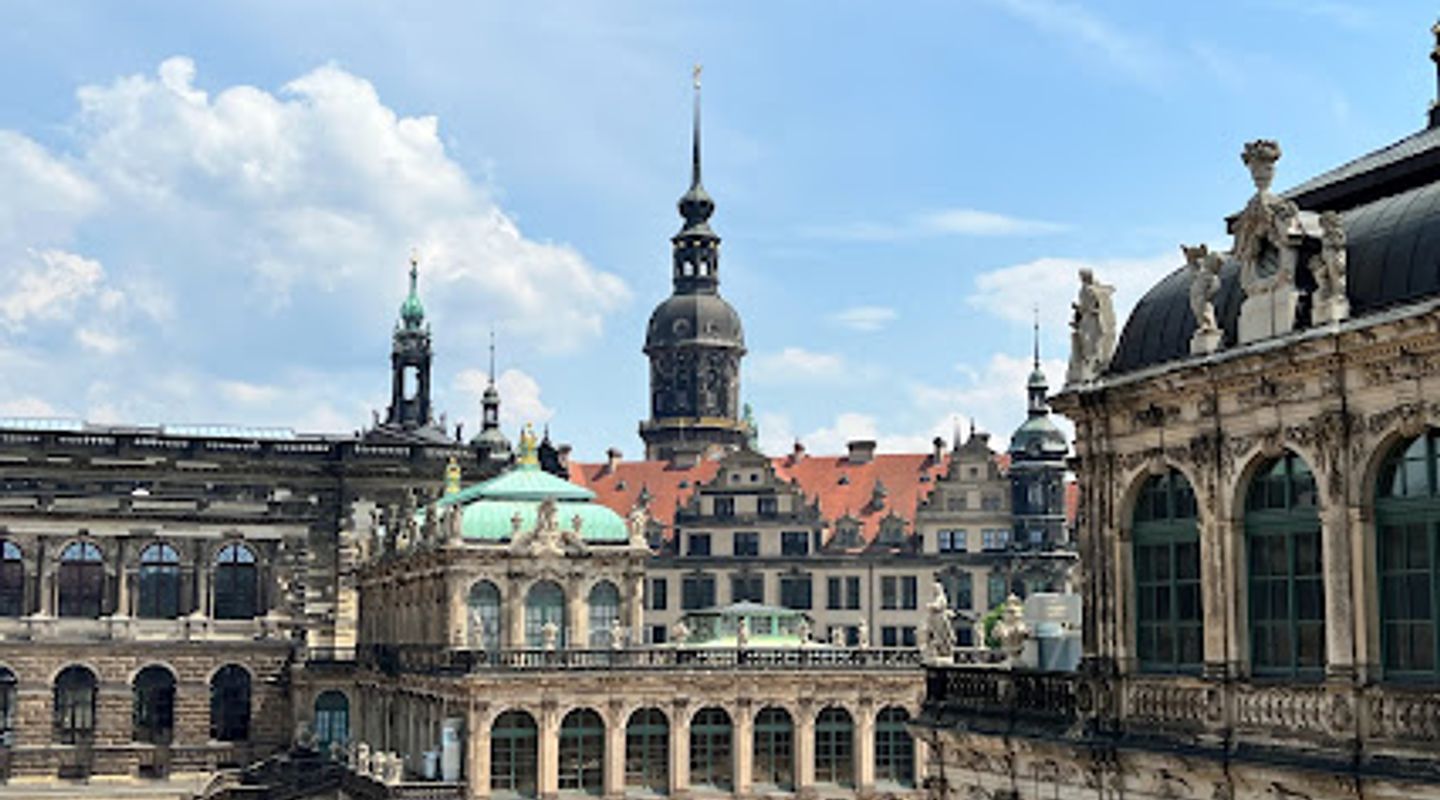
Postplatz, a central square in Dresden, Germany, holds a rich history as a vital transportation hub and urban space. Originally the site of the Wilsdruffer Tor gate, it transformed into a bustling square in the 19th century with the construction of a post office, lending it the name Postplatz. Severely damaged during World War II, the square has been redeveloped, blending historical elements with modern architecture. Today, Postplatz serves as a major public transport interchange, surrounded by significant landmarks like the Zwinger Palace and the Schauspielhaus, making it a key point for exploring Dresden's cultural attractions. Despite its modern redesign, Postplatz retains echoes of its past, offering visitors a glimpse into Dresden's evolving urban landscape and its enduring importance as a central meeting point.
- Address
- Postpl., 01067 Dresden
Getting there
Public Transport
Walking
Taxi/Ride-Share
Driving
Discover more about Postplatz
Overview
Postplatz, located in the heart of Dresden, is more than just a square; it's a dynamic intersection of history, transportation, and modern urban life. Its story begins in the early 19th century, evolving from the site of the Wilsdruffer Tor, a significant gate in Dresden's fortifications, into the vibrant hub it is today. Following the dismantling of the city's fortifications between 1809 and 1829, the area was transformed. In 1832, a central post office was constructed on the square's southern side, giving rise to the name Postplatz in 1865. This marked the beginning of its role as a crucial center for communication and transportation. The square quickly became a bustling hub, connecting various parts of the city and facilitating the flow of people and information. Throughout the 19th and early 20th centuries, Postplatz flourished as a vibrant urban space. It was surrounded by impressive buildings, including the General Post Office and the Telegraphenamt, solidifying its importance in Dresden's infrastructure. The square was a lively meeting place, filled with the hustle and bustle of daily life. Trams crisscrossed the area, connecting it to other parts of the city, and pedestrians strolled along its edges, enjoying the vibrant atmosphere. The devastation of World War II dramatically altered Postplatz. The Allied bombing raids of February 1945 reduced much of Dresden to rubble, and Postplatz was no exception. The square and its surrounding buildings were largely destroyed, leaving a void in the heart of the city. Only a few structures, such as the Schauspielhaus (the state theater), were salvaged from the wreckage. In the post-war era, Dresden faced the daunting task of rebuilding. The reconstruction of Postplatz was a complex undertaking, reflecting the changing architectural styles and urban planning philosophies of the time. The square was redesigned as a transportation hub, prioritizing functionality over historical aesthetics. While some historical elements were retained, the overall character of Postplatz shifted towards a more modern and utilitarian design. Today, Postplatz stands as a testament to Dresden's resilience and its ability to adapt to changing times. It remains a vital transportation hub, serving as a major interchange for trams and buses. The square is surrounded by a mix of architectural styles, ranging from the reconstructed Schauspielhaus to modern buildings like the Wilsdruffer Kubus, creating an interesting juxtaposition of old and new. The "Käseglocke" (cheese bell), a distinctive round structure in the center of Postplatz, serves as a waiting hall for public transportation. Originally built in the 1920s, it has become a recognizable landmark and a symbol of the square. Despite the changes it has undergone, Postplatz retains its significance as a central meeting point in Dresden. It connects visitors to many of Dresden's most famous attractions, including the Zwinger Palace, the Semper Opera House, and the Frauenkirche. The square is also a gateway to the city's shopping and dining districts, making it a convenient starting point for exploring Dresden's cultural and commercial offerings. Recent efforts have focused on revitalizing Postplatz and enhancing its appeal as a public space. The addition of greenery, public art installations, and improved pedestrian areas have aimed to create a more welcoming and engaging environment for residents and visitors alike. While Postplatz may not possess the same historical charm as some of Dresden's other squares, it offers a unique perspective on the city's evolution. It is a place where the past and present converge, reflecting Dresden's journey from a baroque masterpiece to a modern metropolis. As a vital transportation hub and a gateway to the city's attractions, Postplatz continues to play a crucial role in Dresden's urban landscape. Visiting Postplatz provides an opportunity to reflect on the city's history, appreciate its architectural diversity, and experience the energy of modern Dresden. Whether you are passing through on your way to another destination or taking a moment to soak in the atmosphere, Postplatz offers a glimpse into the heart of this dynamic city.
Evendo Review Centre
 Google
Guest reviews
Explore Postplatz on the map
A handpicked selection of must-see spots near Postplatz, mapped for you.
Get your free copy of our complete guide to Postplatz, delivered straight to you.
Everything on this page, from opening hours and how to get there to Eve’s tips and the best time to go, in one PDF you can read offline, print or share.
Already have an account? Sign in
Your Postplatz guide is ready.
We'll send it to · Not you? Sign out

Getting your guide ready…
We are putting together a fresh copy of the Postplatz guide. This can take up to a minute.
This can take a few moments. If your browser asks, choose Allow so the download can start. You'll find the guide in your Downloads folder.
Nothing happened? Download it again
Sorry, the guide is taking longer than usual. Please try again in a minute, or get it by email instead.
Other nearby places you may find interesting
The closest places of the same kind, if this one is not quite what you had in mind.
-
-

-
-
-


Swipe for more places
More to explore near Postplatz

 Best experiences near Postplatz
 Best hotels near Postplatz
 Best landmarks near Postplatz
 Best attractions near Postplatz
 Best shops near Postplatz
 Best restaurants near Postplatz
 Best bars near Postplatz
Do you manage this location?
Take control to get all the benefits, like improved information, better appearance, and stronger visibility across AI-powered discovery.
Explore more

Explore more of Dresden
Discover Dresden: A city of resilience and beauty, where Baroque architecture meets vibrant arts and lush green spaces.
Explore Dresden
Explore more of Germany
Experience Germany: where history meets innovation, and urban energy blends with natural beauty. Discover diverse cultures, delicious cuisine, and stunning landscapes.
Explore Germany
