Pingelhus, East Frisia Travel Guide
Discover the Pingelhus in Aurich, a charming landmark with a rich maritime history, serving as a cultural hub and a reminder of the town's enduring spirit.
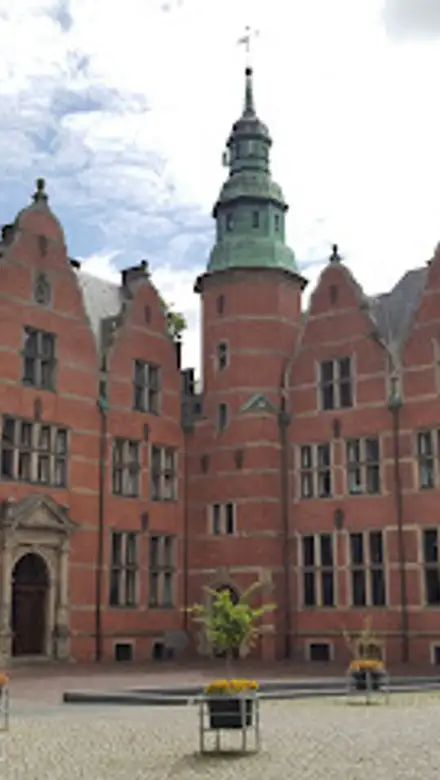
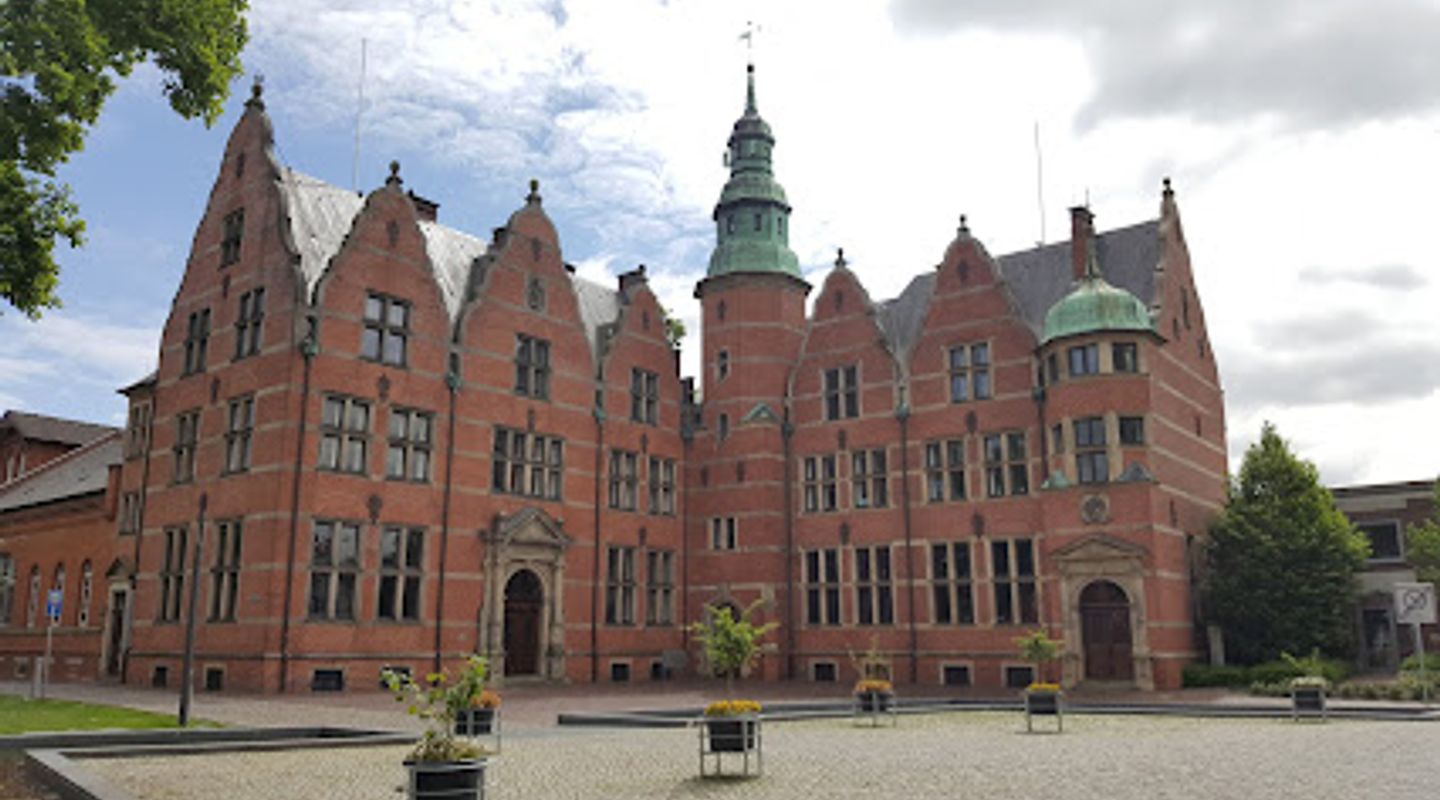
The Pingelhus, a beloved landmark in Aurich, stands as a testament to the town's rich maritime history. Constructed around 1800, this distinctive building once served as the harbor master's office and a vital hub for the region's inland shipping. Its name, derived from the Low German word 'pingeln' (to ring), refers to the bell that was rung to announce the departure of ships heading to Emden. Although the harbor has since been filled, the Pingelhus remains a cherished symbol of Aurich's past. Today, it is home to the local heritage association and Volkstanzgruppe, and the building is also used as a wedding venue. Visitors can admire its unique architecture, learn about its fascinating history, and experience a taste of East Frisian culture. The Georgswall, where the Pingelhus is located, is a green oasis with a reconstructed harbor basin, making it a perfect spot for relaxation and reflection.
A brief summary to Pingelhus
- Georgswall 2, Aurich, Innenstadt, 26603, DE
- Click to display
- Click to display
- Monday 8 am-3:30 pm
- Tuesday 8 am-3:30 pm
- Wednesday 8 am-3:30 pm
- Thursday 8 am-6 pm
- Friday 8 am-12:30 pm

Know before you go
Hi, I'm Eve. Here are a few practical things to know before exploring Pingelhus.
- Visit during the weekly market (usually Wednesdays and Saturdays) to experience local life and sample regional products near the Pingelhus.
- Check the Historisches Museum Aurich's event calendar for traditional East Frisian tea ceremonies held at the Pingelhus.
- Take a stroll along the Georgswall, where the Pingelhus is located, to enjoy the green space and reconstructed harbor basin.
Do you manage this location?
Take control to get all the benefits, like improved information, better appearance, and stronger visibility across AI-powered discovery. Learn more about listing your business on Evendo
Activate your presenceOther nearby places you may find interesting
The closest places of the same kind, if this one is not quite what you had in mind.
Explore Pingelhus on the Map
A handpicked selection of must-see spots near Pingelhus, mapped for you.
Getting There
-
Walking
From the Aurich central bus station (ZOB), walk southwest along the Bahnhofstraße, then turn left onto Burgstraße. Continue onto Georgswall. The Pingelhus will be on your right, near the reconstructed harbor basin. The walk is approximately 5-10 minutes. Alternatively, from the Aurich Rathaus (Town Hall) on Bgm.-Hippen-Platz, walk east along the Georgswall. The Pingelhus will be on your left, a short distance away.
-
Public Transport
Several bus lines stop near the Pingelhus. Check local transit schedules for the most up-to-date information. Alight at the 'Aurich-Sandhorst B 210/Abzw. Wiesenstraße' stop, which is a short walk to Georgswall. From there, walk towards the Georgswall, and the Pingelhus will be easily visible.
-
Taxi/Ride-Share
A taxi or ride-share from Aurich ZOB (central bus station) to the Pingelhus will take approximately 5 minutes, depending on traffic. Expect to pay around €8-€12. Specify 'Pingelhus am Georgswall' as your destination.
Discover more about Pingelhus













Your all‑in‑one travel companion app
Explore expert travel guides, compare and book tours, experiences, hotels, and more—all from the palm of your hand. Download now for seamless trip planning wherever your wanderlust takes you.


Explore More of East Frisia
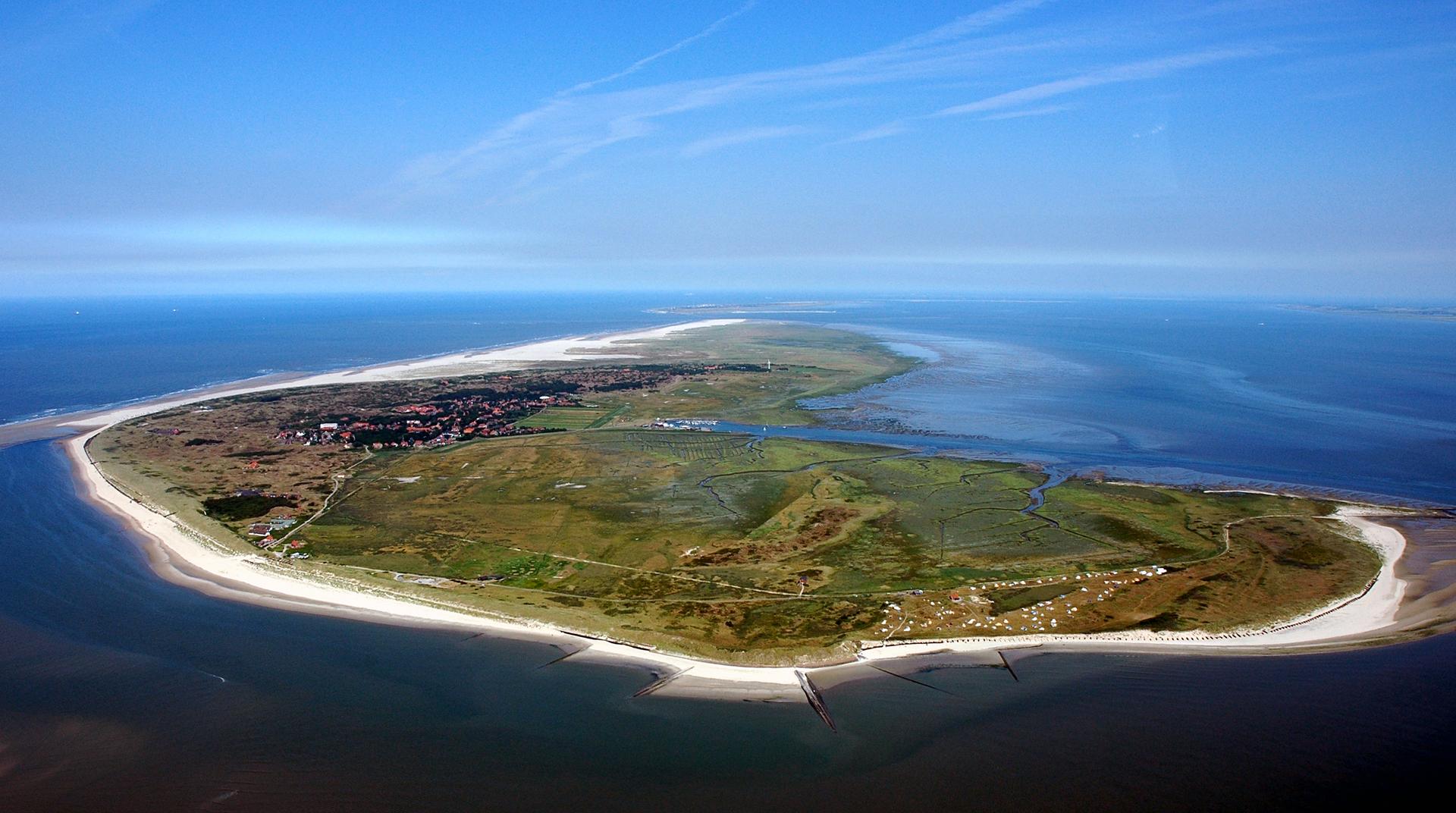
Looking beyond Pingelhus? Discover East Frisia for broader travel guides, local hot-spots, and regional highlights.
Explore East Frisia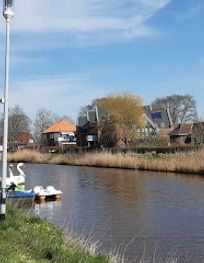
Explore the scenic beauty and maritime history of Carolinensiel Harbour, a unique destination in Wittmund, Germany.
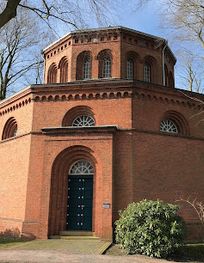
Explore the Cirksena Mausoleum in Aurich, a historical landmark showcasing the legacy of East Frisia's influential Cirksena family and their impact on the region's rich heritage.