Upstalsboom, East Frisia Travel Guide
Discover the Upstalsboom near Aurich, the historic meeting place of the Frisians, a symbol of their unique freedom and self-governance, and a testament to their enduring cultural identity.
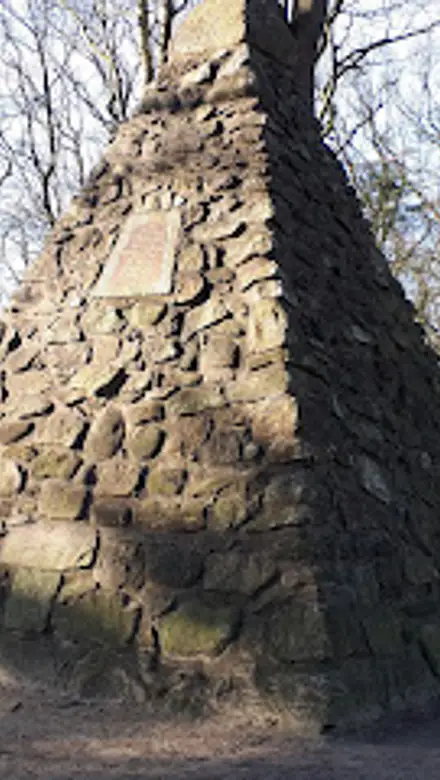
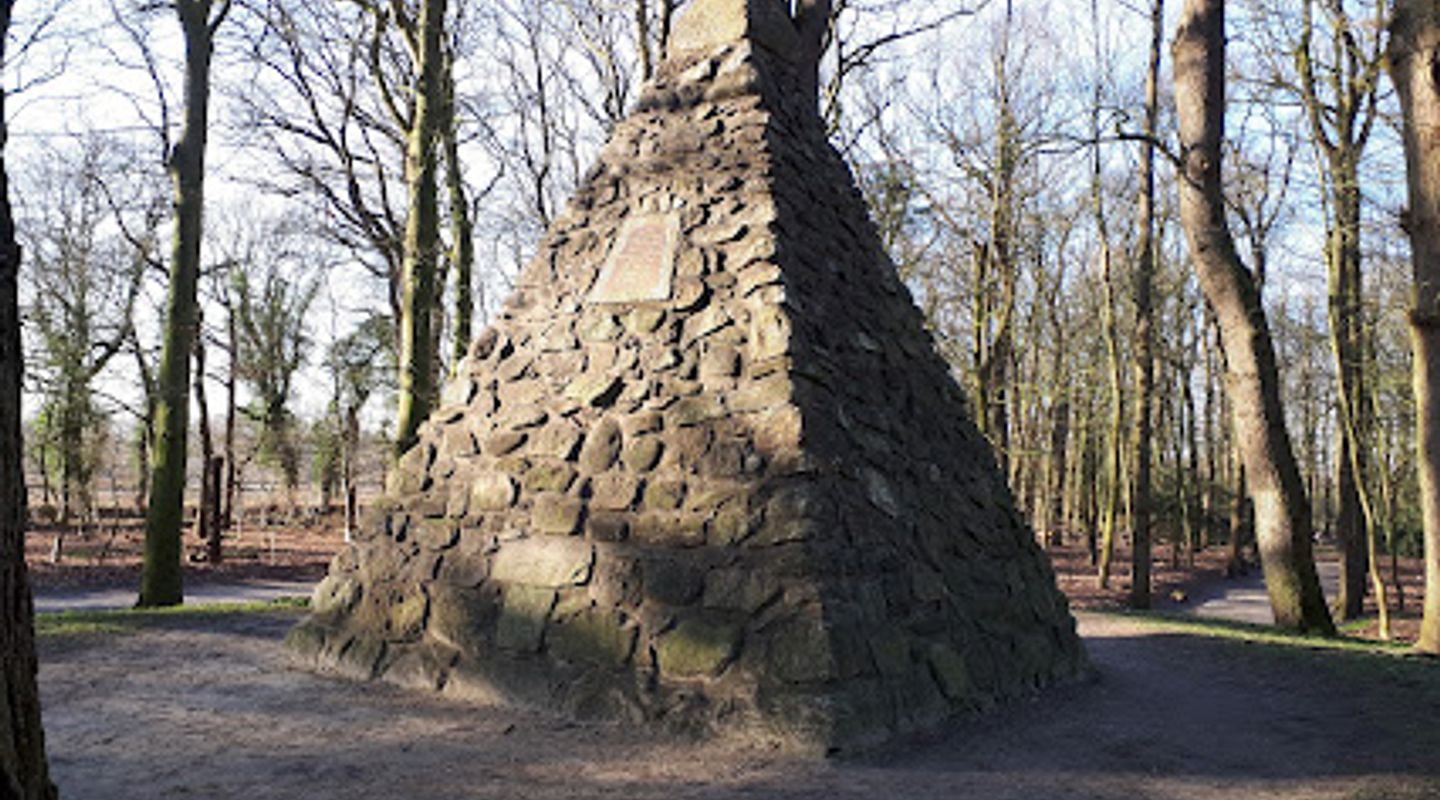
The Upstalsboom, located near Aurich, is a site of immense historical and symbolic importance to the Frisians. It served as a medieval assembly place for representatives of the 'Seven Sealands,' a league of autonomous Frisian territories. Here, laws were debated, justice was administered, and the unique concept of Frisian Freedom – a self-governing society without feudal lords – was fiercely upheld. Today, a stone pyramid marks the spot of the ancient burial mound where these gatherings took place, offering visitors a tangible connection to a pivotal era in Frisian history. The surrounding area provides a tranquil setting for reflection on the values of independence and self-determination that the Upstalsboom represents. While the site itself is simple, its historical weight and cultural significance make it a compelling destination for those interested in Frisian heritage and the enduring spirit of freedom. The nearby Historical Museum Aurich displays artifacts discovered at the site, providing further context to the Upstalsboom's rich past.
A brief summary to Upstalsboom
- Friesische Freiheit, Aurich, 26605, DE
- Click to display
- Click to display

Know before you go
Hi, I'm Eve. Here are a few practical things to know before exploring Upstalsboom.
- Visit the Historical Museum Aurich to view artifacts from the Upstalsboom and learn more about Frisian history.
- Take a guided tour to fully appreciate the historical significance of the site and the concept of Frisian Freedom.
- Combine your visit with a walk or bike ride along the scenic Ems-Jade-Canal, which is nearby.
Do you manage this location?
Take control to get all the benefits, like improved information, better appearance, and stronger visibility across AI-powered discovery. Learn more about listing your business on Evendo
Activate your presenceOther nearby places you may find interesting
The closest places of the same kind, if this one is not quite what you had in mind.
Explore Upstalsboom on the Map
A handpicked selection of must-see spots near Upstalsboom, mapped for you.
Getting There
-
Public Transport
From Aurich city center, the Upstalsboom is accessible by bus. Several bus lines serve the general area. Check local transit schedules for the most up-to-date routes and times to the Friesische Freiheit stop. From the bus stop, it's a short walk to the Upstalsboom site. A single bus fare within Aurich typically costs around €2-3.
-
Taxi/Ride-Share
A taxi or ride-share from Aurich city center to the Upstalsboom takes approximately 10-15 minutes, depending on traffic. Expect to pay around €15-€25 for the ride. Be sure to confirm the fare with the driver before starting your journey.
-
Driving
If driving from Aurich, follow signs towards Oldersum. In the Rahe district, turn right onto the road 'Zum Upstalsboom'. At the end of this road, parking is available. From the parking area, it's a short walk along an avenue to the Upstalsboom. Parking is free.
Discover more about Upstalsboom













Your all‑in‑one travel companion app
Explore expert travel guides, compare and book tours, experiences, hotels, and more—all from the palm of your hand. Download now for seamless trip planning wherever your wanderlust takes you.


Explore More of East Frisia
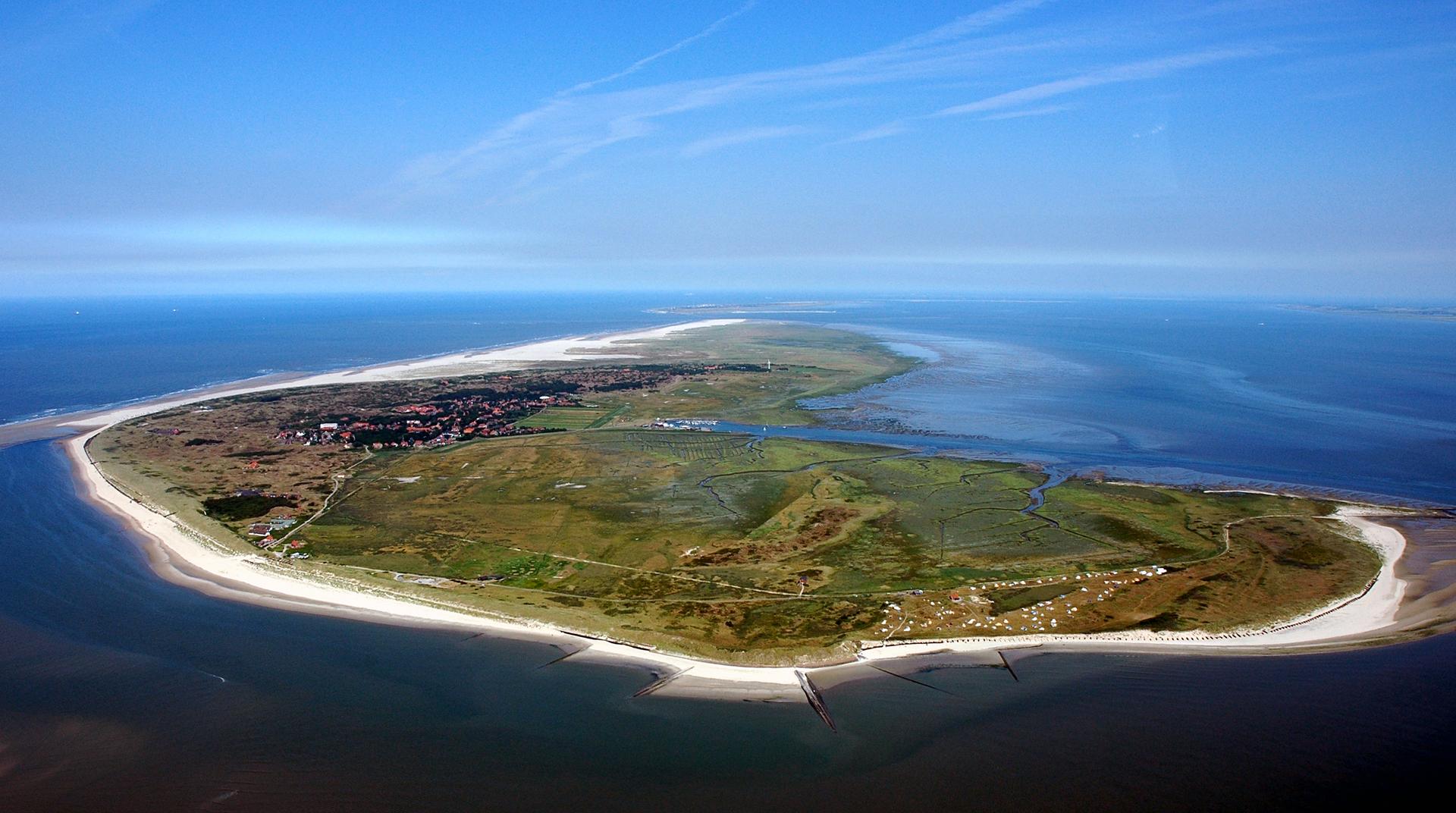
Looking beyond Upstalsboom? Discover East Frisia for broader travel guides, local hot-spots, and regional highlights.
Explore East Frisia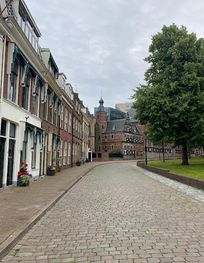
Explore St. Joris en de Draak, a historic monument in Groningen that tells the legendary tale of St. George and showcases the city's rich culture.
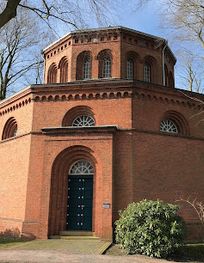
Explore the Cirksena Mausoleum in Aurich, a historical landmark showcasing the legacy of East Frisia's influential Cirksena family and their impact on the region's rich heritage.