
East Frisia, Germany Travel Guide
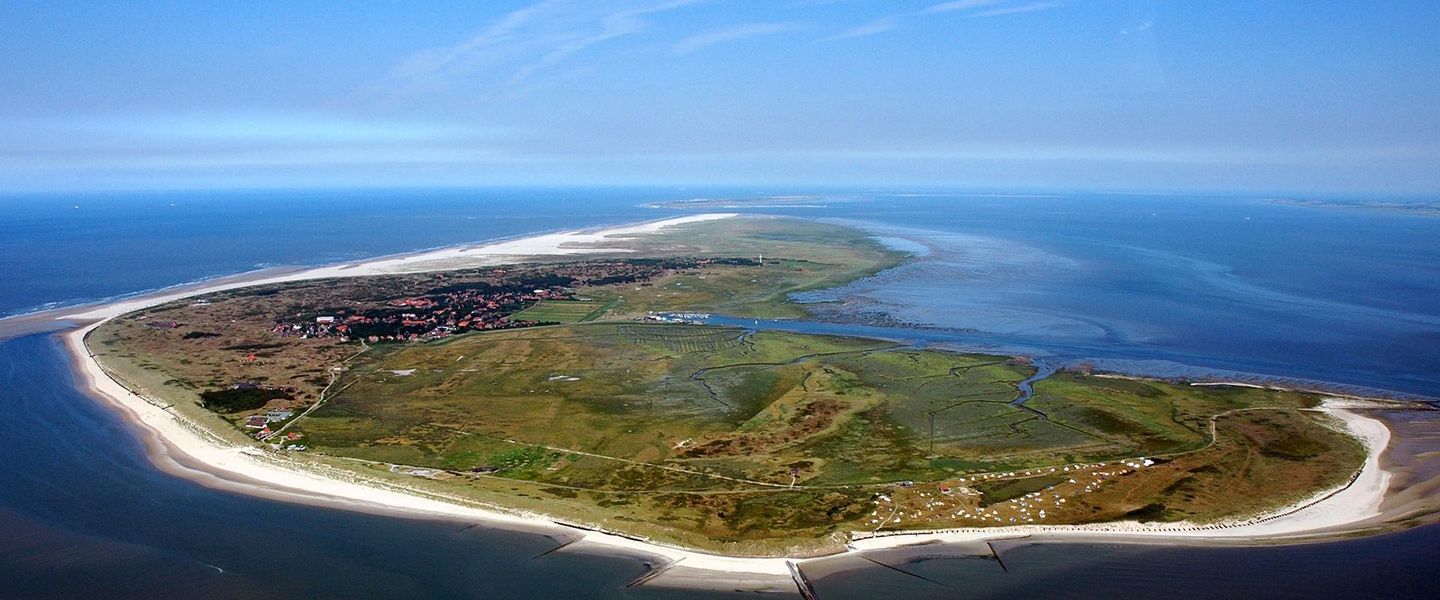
Discover the serene beauty and rich heritage of East Frisia, a tranquil coastal region in Germany offering scenic landscapes, charming villages, and unique cultural experiences.
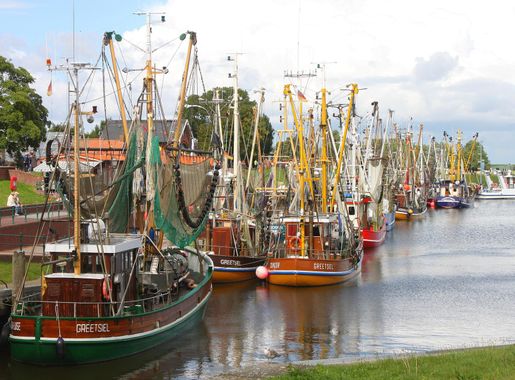
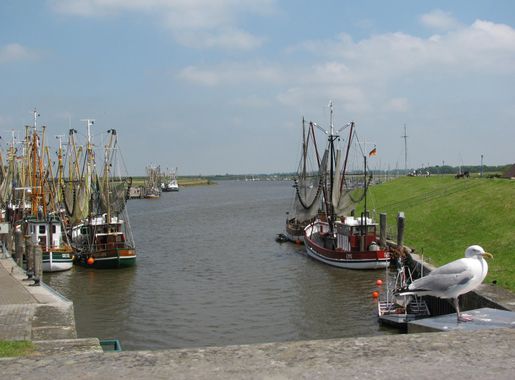
Nestled on the picturesque North Sea coast, East Frisia is a tranquil region in Germany known for its charming landscapes, quaint villages, and rich cultural heritage. This hidden gem offers a serene escape from the hustle and bustle of urban life, making it a perfect destination for those seeking relaxation and natural beauty. East Frisia boasts an array of scenic attractions, including expansive mudflats, lush meadows, and scenic dykes. The Wadden Sea, a UNESCO World Heritage Site, is a must-visit for nature enthusiasts. Here, visitors can explore the unique tidal flats, observe diverse bird species, and even embark on guided mudflat hiking tours. The region's charming villages, such as Greetsiel with its iconic twin windmills and Carolinensiel with its historic harbor, offer a glimpse into traditional East Frisian life. Visitors can stroll through cobblestone streets, enjoy fresh seafood at local eateries, and visit charming tea rooms serving the region's famous East Frisian tea. East Frisia is also steeped in history and culture. The region is home to numerous historical sites, including the Emden Kunsthalle, a renowned art museum, and the imposing Leer Castle. Furthermore, the local festivals and events, such as the traditional Schützenfest, offer a vibrant and authentic experience for visitors.

Know before you go
Hi, I'm Eve. Here are a few practical things to know before exploring East Frisia.
- Bring waterproof footwear for exploring the Wadden Sea mudflats.
- Visit the East Frisian Islands, such as Borkum and Norderney, for beautiful beaches and nature walks.
- Try the local East Frisian tea ceremony for a unique cultural experience.
- Rent a bicycle to explore the scenic countryside and quaint villages at your own pace.
- Check the tide schedule if planning a mudflat hiking tour.
Explore East Frisia: Things to Do, Places to Eat, Hotels & More
Handpicked recommendations for top attractions, local dining, accommodations, and more

Top Attractions & Sightseeing in East Frisia
Top-rated picks
Best Attractions

New Lighthouse Borkum
Explore the New Lighthouse Borkum, a stunning historical landmark offering breathtaking views of the North Sea and rich maritime heritage.

Nordsee Aquarium Borkum
Explore the fascinating marine life at Nordsee Aquarium Borkum, a top tourist attraction on the beautiful Borkum Island, showcasing North Sea ecosystems.

Wybelsum lighthouse
Discover the captivating Wybelsum Lighthouse in Emden, a stunning maritime landmark with breathtaking views and rich history.

Pingelhus
Explore Pingelhus, a captivating tourist attraction in Aurich, where history, architecture, and local culture come together in perfect harmony.

Best landmarks in East Frisia
Top-rated picks
Best Landmarks

Dat Otto Huus
Experience the hilarious world of Otto Waalkes at Dat Otto Huus in Emden, a museum and shop dedicated to the iconic German comedian and his Ottifant creations.

Castle Evenburg center for horticulture
Discover Evenburg Castle: A captivating blend of history, architecture, and horticulture in Leer, East Frisia, offering a unique and enriching experience for all visitors.

Der schiefe Turm von Suurhusen
Discover the charm of East Frisia at the Leaning Tower of Suurhusen, a historic steeple with a greater tilt than Pisa, offering a unique blend of history and quirky appeal.

Upstalsboom
Discover the Upstalsboom near Aurich, the historic meeting place of the Frisians, a symbol of their unique freedom and self-governance, and a testament to their enduring cultural identity.

Best restaurants in East Frisia
Top-rated picks
Best Restaurants

Hafenhaus Gastrokonzepte GmbH & Co. KG
Experience the best of European cuisine at Hafenhaus Gastrokonzepte in Emden - where great food meets stunning waterfront views.

Restaurant Big Ben Wiesmoor
Experience authentic flavors at Restaurant Big Ben Wiesmoor, where delightful dishes meet warm hospitality in a charming setting.

Restaurant Stürhus
Experience the best of German cuisine at Restaurant Stürhus in Esens – where flavor meets tradition in a cozy setting.

Plietsch
Experience culinary excellence at Plietsch in Esens - where local flavors meet inviting atmosphere.

Best bars in East Frisia
Top-rated picks
Best Bars

Stadtperle
Experience the rich flavors of German cuisine at Stadtperle, Aurich's favorite bar and restaurant, where locals and visitors gather to savor delicious dishes.

Hafenkiste
Discover Hafenkiste in Aurich, where vibrant dining meets local flavors in a cozy setting, perfect for all occasions.

Hafen5 Kaffeerösterei und Kontor, Café
Discover the rich flavors of freshly roasted coffee and local breakfast delights at Hafen5 Kaffeerösterei und Kontor in Aurich.

Traute Burgerbar
Discover Traute Burgerbar in Aurich - where gourmet burgers meet a cozy atmosphere, perfect for every foodie adventure.


Best shops in East Frisia
Top-rated picks
Best Shops

Silomon
Discover the latest trends in fashion at Silomon, Aurich's premier clothing store, offering stylish apparel for every occasion.

Abegg GmbH
Explore Abegg GmbH in Aurich for exquisite stationery and leather goods, a perfect blend of quality craftsmanship and unique souvenirs.

SPORTWERK OLTMANNS
Discover the ultimate destination for sports gear and apparel at SPORTWERK OLTMANNS in Aurich, where performance meets style.

JEANS FRITZ
Explore the ultimate denim destination at JEANS FRITZ in Aurich, featuring a stylish selection of clothing for men and women.

Explore East Frisia on the Map
A handpicked selection of must-see spots in East Frisia, mapped for you.
East Frisia Essentials
-
East Frisia is located in the northwest of Germany. The nearest major airports are Bremen Airport (BRE) and Groningen Airport Eelde (GRQ) in the Netherlands. From Bremen, you can take a direct train to Emden or Leer, central towns in East Frisia. Alternatively, you can drive; the region is well-connected to the German autobahn network. If you prefer public transport, long-distance buses also serve the area, with connections to major German cities.
-
East Frisia has a well-developed public transportation system, including trains, buses, and ferries. The main towns are connected by regional trains operated by Deutsche Bahn. Local buses serve smaller towns and rural areas. For island visits, ferries are available from the mainland. Renting a car is a good option if you wish to explore remote areas and travel at your own pace. Bicycles are also popular, especially for exploring the flat coastal landscapes.
-
The official currency in Germany is the Euro (EUR). Credit and debit cards are widely accepted in hotels, restaurants, and larger shops. However, it is advisable to carry some cash, especially when visiting smaller towns and local markets. ATMs are readily available in all major towns. Contactless payment methods are also increasingly common.
-
East Frisia is generally a safe destination for tourists. Crime rates are low, but it is always wise to take standard precautions. Avoid leaving valuables unattended and be cautious in crowded areas. There are no specific areas with high crime rates targeting tourists, but staying aware of your surroundings is always good practice.
-
In case of emergency, dial 112 for immediate assistance. This number connects you to police, fire, and medical services. Hospitals with emergency departments are available in major towns like Emden and Leer. Pharmacies ('Apotheke') are widely available for minor health issues. It is advisable to have travel insurance that covers medical emergencies.
-
Fashion: Do dress in layers, as the weather can be unpredictable. Casual attire is generally acceptable, but avoid overly revealing clothing. Religion: Do respect local customs when visiting churches; it's customary to dress modestly. Public Transport: Do validate your ticket before boarding trains and buses. Don’t be loud or disruptive. Greetings: Do greet people with a handshake. A friendly 'Moin' is a common greeting in East Frisia. Eating & Drinking: Do try local delicacies like 'Grünkohl' (kale) and 'Matjes' (herring). Don’t leave food on your plate, as it is considered wasteful.
-
To experience East Frisia like a local, visit the weekly markets in towns like Aurich and Norden. Engage with locals; they are often friendly and willing to share stories about their region. Don’t miss the traditional tea ceremony with 'Kluntje' (rock sugar) and 'Wölkchen' (cream). For a unique experience, explore the mudflats ('Wattenmeer') during low tide, but always go with a guide.
When is the best time to visit East Frisia?
Useful Local Phrases for East Frisia
You don't need to speak the language perfectly. Even learning a few simple words can make conversations warmer—and locals usually appreciate the effort.
— Eve

Here are the phrases I use most often in East Frisia. Try a few—you'll be surprised how far they go! 😊
❤️
-
- HelloMoin
[moin] - GoodbyeTschüss
[tʃʏs] - YesJa
[ja] - NoNee
[neː] - Please/You're welcomeBitte
[ˈbɪtə] - Thank youDanke
[ˈdaŋkə] - Excuse me/SorryEntschuldigung
[ɛntˈʃʊl.dɪ.ɡʊŋ] - How are you?Wie geht's?
[vi: ɡeːts] - Fine. And you?Gut. Und dir?
[ɡuːt. ʊnt diːɐ̯] - Do you speak English?Sprichst du Englisch?
[ˈʃpʁɪçst du ˈɛŋlɪʃ] - I don't understandIch verstehe nicht
[ɪç fɛɐ̯ˈʃteːə nɪçt]
- HelloMoin
-
- I'd like to see the menu, pleaseIch hätte gerne die Speisekarte, bitte
[ɪç ˈhɛtə ˈɡɛrnə diː ˈʃpaɪ̯zəˌkaʁtə, ˈbɪtə] - I don't eat meatIch esse kein Fleisch
[ɪç ˈɛsə kaɪ̯n flaɪ̯ʃ] - Cheers!Prost!
[pʁoːst] - I would like to pay, pleaseIch möchte zahlen, bitte
[ɪç ˈmœçtə ˈtsaːlən, ˈbɪtə]
- I'd like to see the menu, pleaseIch hätte gerne die Speisekarte, bitte
-
- Help!Hilfe!
[ˈhɪlfə] - Go away!Geh weg!
[ɡeː vɛk] - Call the Police!Rufen Sie die Polizei!
[ˈʁuːfən ziː diː pɔlɪˈtsaɪ̯] - Call a doctor!Rufen Sie einen Arzt!
[ˈʁuːfən ziː ˈaʁtst] - I'm lostIch bin verloren
[ɪç bɪn fɛʁˈloːʁən] - I'm illIch bin krank
[ɪç bɪn kʁaŋk]
- Help!Hilfe!
-
- I'd like to buy...Ich möchte ... kaufen
[ɪç ˈmœçtə ... ˈkaʊ̯fən] - I'm just lookingIch schaue nur
[ɪç ˈʃaʊ̯ə nuːɐ̯] - How much is it?Wie viel kostet das?
[viː fiːl ˈkɔstət das] - That's too expensiveDas ist zu teuer
[das ɪst tsuː ˈtɔɪ̯əʁ] - Can you lower the price?Können Sie den Preis senken?
[ˈkœnən ziː deːn pʁaɪ̯s ˈzɛŋkən]
- I'd like to buy...Ich möchte ... kaufen
-
- What time is it?Wie spät ist es?
[viː ʃpɛːt ɪst ɛs] - It's one o'clockEs ist ein Uhr
[ɛs ɪst aɪ̯n uːʁ] - Half past (10)Halb (10)
[halp (10)] - MorningMorgen
[ˈmɔʁɡn̩] - AfternoonNachmittag
[ˈnaːχˌmɪtaɡ] - EveningAbend
[ˈaːbɛnt] - YesterdayGestern
[ˈɡɛstɐn] - TodayHeute
[ˈhɔʏtə] - TomorrowMorgen
[ˈmɔʁɡn̩] - 1Eins
[aɪ̯ns] - 2Zwei
[tsvaɪ̯] - 3Drei
[dʁaɪ̯] - 4Vier
[fiːʁ] - 5Fünf
[fʏnf] - 6Sechs
[zɛks] - 7Sieben
[ˈziːbən] - 8Acht
[axt] - 9Neun
[nɔɪ̯n] - 10Zehn
[tseːn]
- What time is it?Wie spät ist es?
-
- Where's a/the...?Wo ist ein/das ...?
[voː ɪst aɪ̯n/das ...?] - What's the address?Was ist die Adresse?
[vas ɪst diː aˈdʁɛsə] - Can you show me (on the map)?Können Sie mir (auf der Karte) zeigen?
[ˈkœnən ziː miːɐ̯ (aʊ̯f deːʁ ˈkaʁtə) ˈtsaɪ̯ɡən] - When's the next (bus)?Wann kommt der nächste (Bus)?
[van kɔmt deːʁ ˈnɛːçstə (bʊs)?] - A ticket (to ....)Ein Ticket (nach ....)
[aɪ̯n ˈtɪkɛt (naχ ....)]
- Where's a/the...?Wo ist ein/das ...?
History of East Frisia
-
East Frisia, located in the northwest of Germany, has a rich history that dates back to prehistoric times. The region was initially settled by various Germanic tribes, but it is most notably associated with the Frisians, who have occupied the area since at least the early Middle Ages. The Frisians were known for their seafaring skills and fierce independence. They managed to maintain a degree of autonomy even as surrounding regions fell under the control of larger kingdoms and empires. This independent spirit is encapsulated in the Frisian motto: 'Better dead than slave.'
-
In the 15th century, the Cirksena family rose to prominence in East Frisia. Ulrich Cirksena was elevated to the rank of Count by Emperor Frederick III in 1464, marking the beginning of the County of East Frisia. The Cirksena dynasty ruled the region for several centuries, playing a crucial role in its political and cultural development. The family’s seat was the Aurich Castle, which remains a significant historical site today.
-
During the Middle Ages, East Frisia became an important trading hub due to its strategic location along the North Sea coast. The region was closely linked with the Hanseatic League, a powerful commercial and defensive confederation of merchant guilds and market towns in Northwestern and Central Europe. Emden, in particular, flourished as a major port city and center of trade, contributing significantly to the economic prosperity of East Frisia.
-
The 16th century brought significant religious change to East Frisia as the Protestant Reformation swept through Europe. The region became a stronghold of Lutheranism, although it also saw the rise of Calvinism, particularly in Emden. This period was marked by religious conflicts and power struggles, as different factions vied for control. Despite the turmoil, East Frisia managed to maintain a relatively high degree of religious tolerance compared to other parts of Europe.
-
East Frisia experienced significant upheaval during the Napoleonic Wars in the early 19th century. The region was initially annexed by the Kingdom of Holland, a client state of the French Empire, and later directly incorporated into the French Empire. This period brought about extensive administrative and social reforms, although it also led to economic hardship and conscription. After the fall of Napoleon, East Frisia was ceded to the Kingdom of Hanover as part of the Congress of Vienna in 1815.
-
In 1866, East Frisia became part of the Kingdom of Prussia following the Austro-Prussian War. This integration paved the way for the region to become part of the newly formed German Empire in 1871. The late 19th and early 20th centuries were periods of modernization and industrialization for East Frisia, although the region remained predominantly rural and agricultural.
-
East Frisia, like the rest of Germany, was profoundly affected by the two World Wars. During World War I, the region faced economic hardship and social upheaval. In World War II, East Frisia was heavily bombed due to its strategic importance, particularly the port city of Emden. After the war, the region was part of the British occupation zone and later became part of the Federal Republic of Germany. Today, East Frisia is known for its unique cultural heritage, picturesque landscapes, and vibrant traditions, making it a fascinating destination for travelers.
Neighbouring Regions of East Frisia
The closest regions to East Frisia, if you have time for more than one.


Your all‑in‑one travel companion app
Explore expert travel guides, compare and book tours, experiences, hotels, and more—all from the palm of your hand. Download now for seamless trip planning wherever your wanderlust takes you.


Explore More of Germany

Looking beyond East Frisia? Discover Germany for broader travel guides, local hot-spots, and regional highlights.
Explore GermanyEast Frisia in Photos
Browse through our photo collection highlighting the charm and character of the destination.





Enchanting East Frisia: Germany's Coastal Gem
Nestled on the picturesque North Sea coast, East Frisia is a tranquil region in Germany known for its charming landscapes, quaint villages, and rich cultural heritage. This hidden gem offers a serene escape from the hustle and bustle of urban life, making it a perfect destination for those seeking relaxation and natural beauty. East Frisia boasts an array of scenic attractions, including expansive mudflats, lush meadows, and scenic dykes. The Wadden Sea, a UNESCO World Heritage Site, is a must-visit for nature enthusiasts. Here, visitors can explore the unique tidal flats, observe diverse bird species, and even embark on guided mudflat hiking tours. The region's charming villages, such as Greetsiel with its iconic twin windmills and Carolinensiel with its historic harbor, offer a glimpse into traditional East Frisian life. Visitors can stroll through cobblestone streets, enjoy fresh seafood at local eateries, and visit charming tea rooms serving the region's famous East Frisian tea. East Frisia is also steeped in history and culture. The region is home to numerous historical sites, including the Emden Kunsthalle, a renowned art museum, and the imposing Leer Castle. Furthermore, the local festivals and events, such as the traditional Schützenfest, offer a vibrant and authentic experience for visitors.