Frankfurt's Bahnhofsviertel: A District of Contrasts
Explore Frankfurt's Bahnhofsviertel: A vibrant district where cultures collide, offering diverse cuisine, edgy nightlife, and a glimpse into the city's dynamic urban soul, all steps from the main station.
Frankfurt's Bahnhofsviertel, the district surrounding the main train station, is a vibrant and complex area, known for its multicultural atmosphere, diverse culinary scene, and bustling nightlife. Developed between 1891 and 1915, it stands as one of Frankfurt's most dynamic inner-city districts. While historically known for its red-light district and association with drugs and crime, the area has undergone significant changes, attracting artists, students, and a diverse population. Today, it offers a mix of traditional establishments and modern businesses, creating a unique urban experience. Visitors can explore international restaurants, cozy cafes, and unique shops, while also experiencing the raw energy of this ever-evolving neighborhood. Despite its gritty reputation, Bahnhofsviertel is a central hub and a gateway to Frankfurt's cultural and commercial offerings.
A brief summary to Frankfurt Bahnhofsviertel
- Niddastraße 64, Frankfurt, Innenstadt I, 60329, DE
- +496930065245
- Visit website
Local tips
- Explore the diverse culinary scene, sampling international cuisines from Turkish and Asian to Ethiopian and German.
- Visit during the day to experience the area's eclectic mix of shops, cafes, and art galleries.
- Exercise caution at night, sticking to well-lit and populated streets.
- Take a stroll along the Main Riverbank for a relaxing break from the urban bustle.
- Use the excellent public transportation connections to explore other parts of Frankfurt.

Getting There
-
Walking
From Frankfurt Central Station (Hauptbahnhof), the Bahnhofsviertel is directly east, a short walk across the station forecourt. Exit the station's main entrance and head straight ahead. You'll immediately enter the district. Orientation is easy, with Kaiserstrasse being the main street leading into the heart of the area. Be aware of your surroundings as you enter the district.
-
Public Transport
If arriving at Willy-Brandt-Platz via U-Bahn (U1-U5, U8) or S-Bahn (S1-S6, S8, S9) , the Bahnhofsviertel is a short walk west. From the station, follow the signs towards the city center and the main train station. The district begins a few blocks west of the Willy-Brandt-Platz. Tram lines 11, 12, 16, 17, 18, 20 and 21 also serve the area along Münchener Straße. A single ride ticket within Frankfurt costs €3.65.
-
Taxi/Ride-Share
A taxi or ride-share from Frankfurt Airport (FRA) to the Bahnhofsviertel will cost approximately €30-€40, depending on traffic. From within the city center, a short ride should cost between €10-€15. Be sure to confirm the fare with the driver before starting your journey.
-
Driving
Driving directly to the Bahnhofsviertel can be challenging due to limited parking. Several parking garages are available in and around the district, such as the underground car park Hotel Intercontinental (Wilhelm-Leuschner-Str. 43) and Tiefgarage Baseler Platz (Gutleutstraße 89). Hourly parking rates typically range from €3.50 to €4.50. Daily rates can vary from €20 to €30. Consider using a parking app to find available spaces and compare prices. Be aware of heavy traffic and limited street parking.
Discover more about Frankfurt Bahnhofsviertel
Iconic landmarks you can’t miss

Die Welt
0.2 km
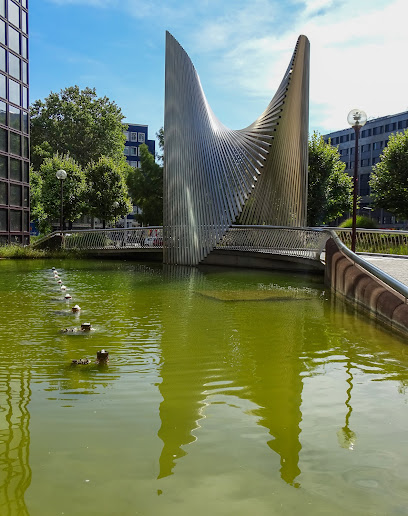
Explore Die Welt in Frankfurt – a stunning public art monument that transforms urban space into a canvas of creativity and inspiration.
Silver Tower
0.5 km
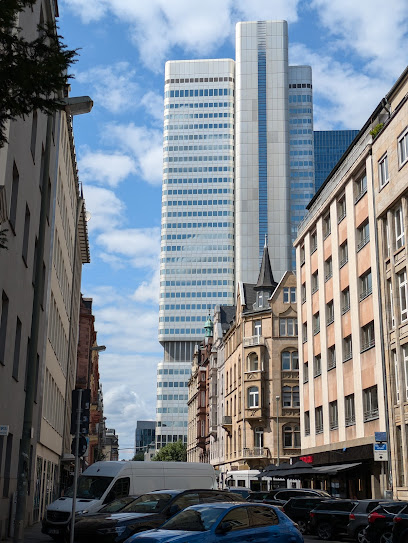
Explore the Silver Tower in Frankfurt, an architectural marvel that blends history and modernity in the heart of the city.
Ponto Brunnen
0.5 km
A serene urban oasis in Frankfurt's financial district, the Ponto Brunnen offers a tranquil escape with its shimmering mosaics, cascading water, and monumental granite, honoring Jürgen Ponto's legacy.
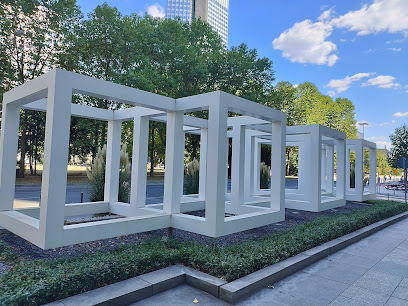
White Cubes
0.6 km
Discover the White Cubes in Frankfurt's Gallusanlage, a minimalist sculpture by Sol LeWitt offering a moment of contemplation amidst the city's bustling financial district, near the English Theatre.
Gallusanlage
0.7 km
Discover Gallusanlage, Frankfurt's serene park where nature meets urban life, offering a refreshing escape in the city's bustling heart and a tranquil retreat for locals and tourists.
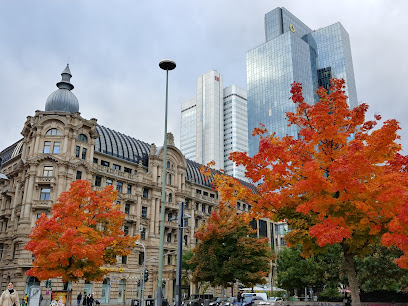
Willy-Brandt-Platz, Frankfurt
0.8 km
Experience Frankfurt's vibrant heart at Willy-Brandt-Platz, a dynamic square where modern architecture meets cultural landmarks, offering a glimpse into the city's rich history and financial power.
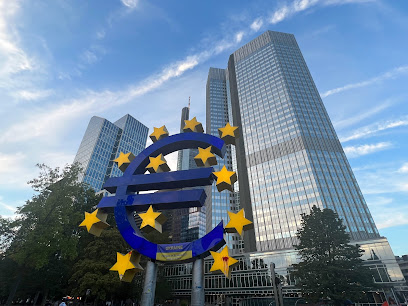
MesseTurm
0.8 km
Discover MesseTurm, Frankfurt's iconic skyscraper and convention center, where modern architecture meets vibrant city life.
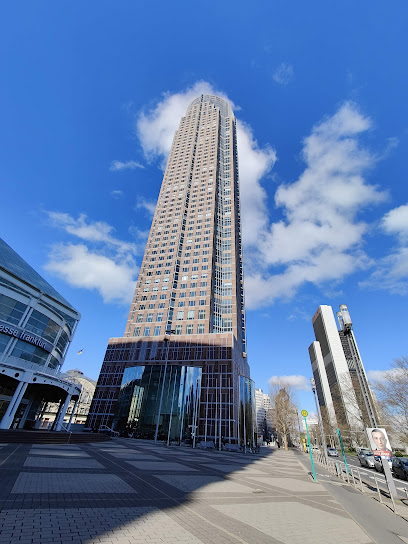
Main Eiserner Steg
0.9 km
Explore the iconic Main Eiserner Steg in Frankfurt, a historical bridge offering beautiful views and a charming atmosphere for visitors.
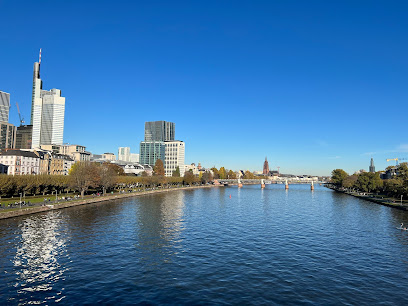
Westhafen Tower
0.9 km
Discover Westhafen Tower in Frankfurt, where modern architecture meets scenic views along the banks of the Main River, a true landmark of the city's skyline.
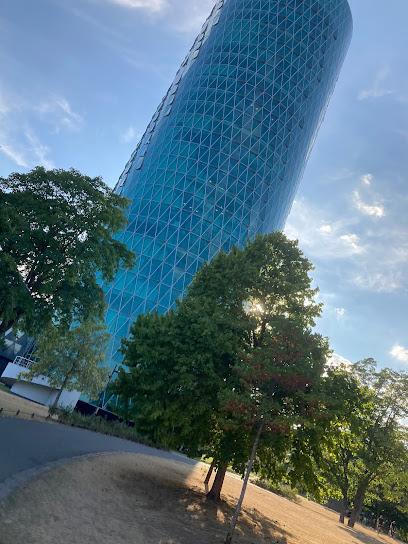
Husarendenkmal Frankfurt am Main
1.0 km
A solemn tribute to the soldiers of the 13th Hussar Regiment, the Husarendenkmal in Frankfurt offers a space for reflection on duty, sacrifice, and remembrance amidst the city's vibrant landscape.
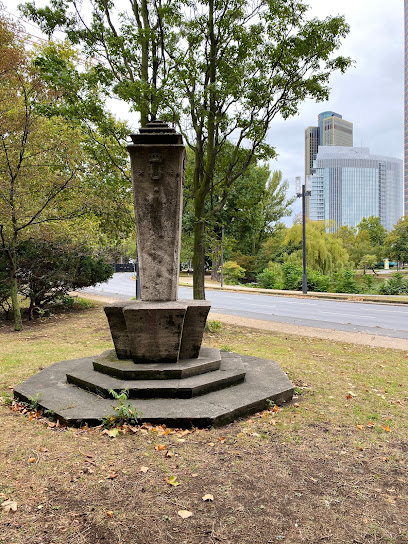
Steigenberger Frankfurter Hof
1.0 km
Experience timeless luxury in the heart of Frankfurt at the Steigenberger Frankfurter Hof, where historical elegance meets modern sophistication, offering Michelin-starred dining and a world-class spa.

Opernpl.
1.0 km
Experience Frankfurt's vibrant heart at Opernplatz, where the historic Alte Oper meets modern skyscrapers, offering a blend of culture, events, and architectural splendor.
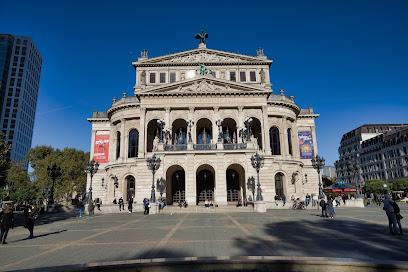
Gutenberg-Denkmal
1.1 km
A historical landmark in Frankfurt's city center, commemorating Johannes Gutenberg's revolutionary invention of printing with movable type and its impact on the world.
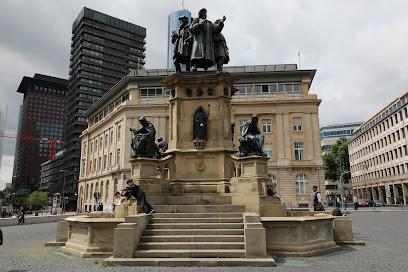
Goethepl.
1.1 km
Explore Goetheplatz in Frankfurt, a vibrant square rich in culture, art, and history, perfect for immersing in the city's local life.
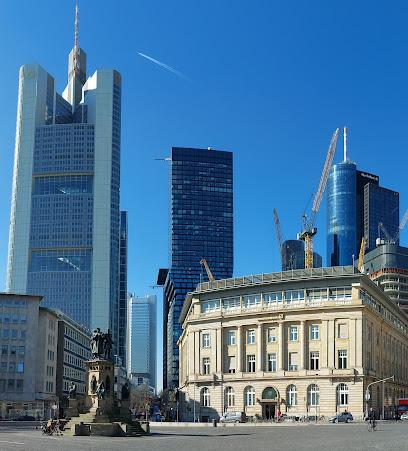
Ring der Statuen
1.1 km
Discover the Ring der Statuen in Frankfurt's Rothschildpark: a captivating circle of bronze figures by Georg Kolbe, blending classical beauty with historical reflection and serene park ambiance.
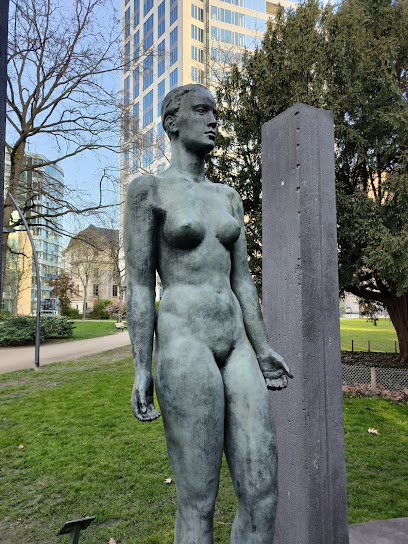
Unmissable attractions to see

City-Haus
0.2 km
Explore the architectural beauty of City-Haus, a landmark in Frankfurt's skyline that showcases modern design and vibrant urban culture.
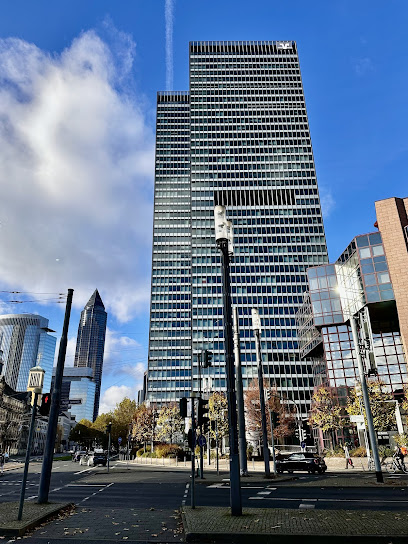
Olymp von Weimar
0.7 km
Experience the charm and historical significance of Olymp von Weimar, a must-visit tourist attraction in the heart of Frankfurt.
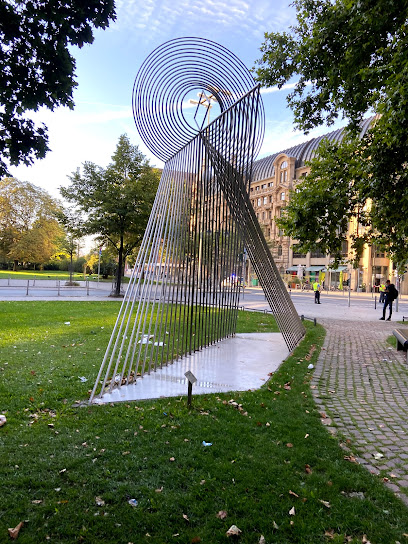
Frankfurter Märchenbrunnen
0.8 km
Experience the magic of the Frankfurter Märchenbrunnen, a stunning fountain that captures the essence of fairy tales in the heart of Frankfurt.
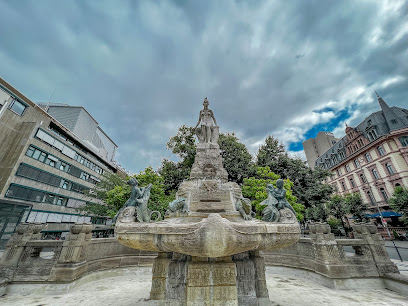
Taunusturm
0.8 km
Discover the architectural brilliance of Taunusturm, a symbol of modern Frankfurt offering stunning views and a vibrant atmosphere.
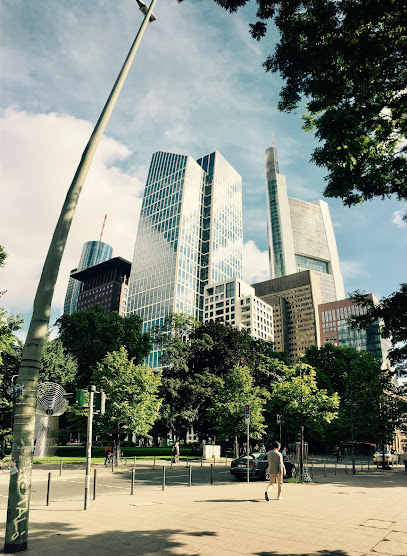
MAIN TOWER
0.8 km
Experience breathtaking views of Frankfurt from the Main Tower's observation deck, the city's iconic skyline landmark.
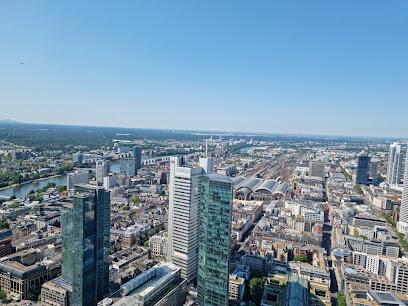
Public Art "Hammering Man"
0.8 km
Explore Frankfurt's vibrant art scene by visiting the Hammering Man, a striking symbol of labor and creativity in the city's bustling urban landscape.
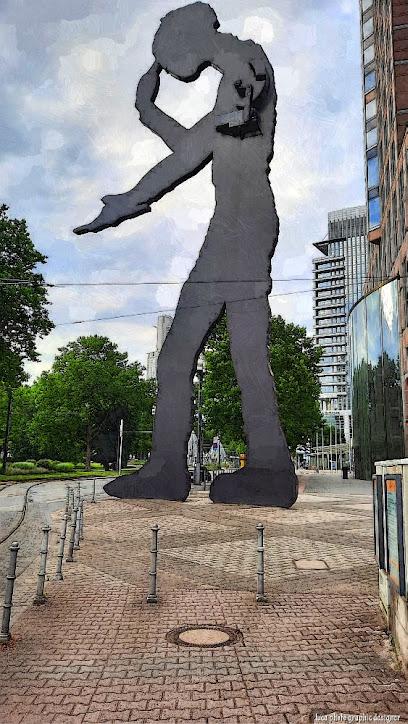
Marshall-Brunnen
0.9 km
Explore the historical beauty of Marshall-Brunnen, a stunning fountain in Frankfurt that reflects the city's rich culture and vibrant atmosphere.
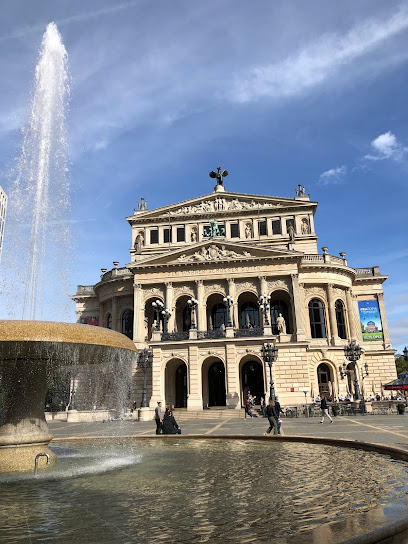
Commerzbank Tower
0.9 km
Explore the Commerzbank Tower, a stunning symbol of modern architecture and sustainability in Frankfurt's vibrant skyline.
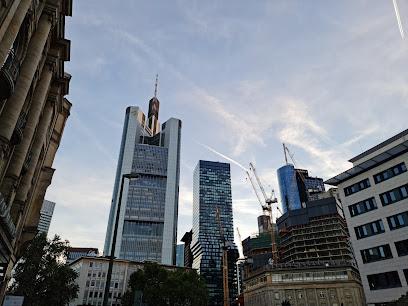
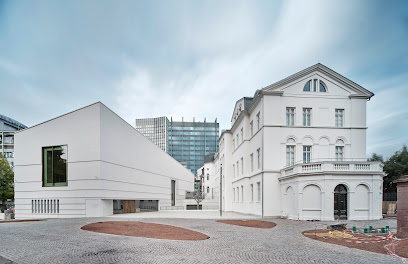
Jewish Museum
0.9 km
Explore the rich history and vibrant culture of the Jewish community at the Jewish Museum in Frankfurt.
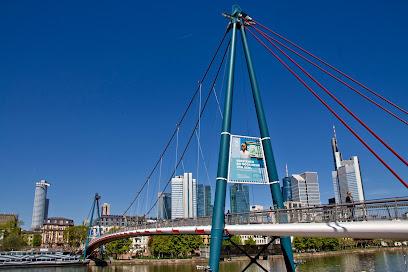
Holbeinsteg
0.9 km
Discover the scenic beauty of Holbeinsteg, a pedestrian bridge in Frankfurt offering stunning views of the skyline and the Main River.
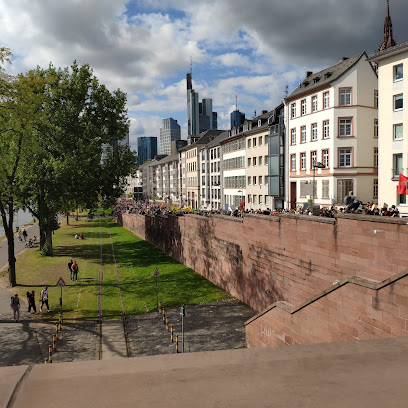
Nizza
0.9 km
Explore Nizza, Frankfurt's serene state park along the Main River, filled with beautiful gardens and a perfect retreat for nature lovers.
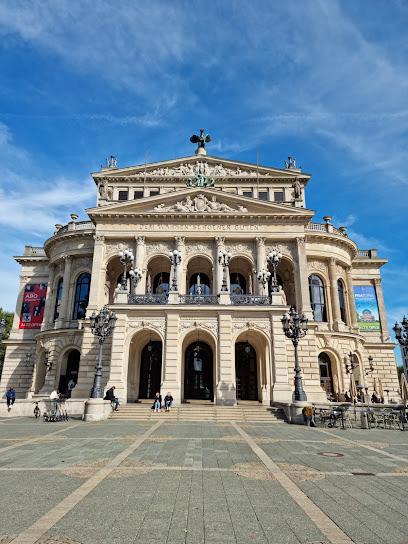
Alte Oper
1.0 km
Discover the grandeur of Alte Oper, Frankfurt's iconic opera house and a must-visit for cultural enthusiasts and tourists alike.
Liegende
1.0 km
Discover the artistic charm of Liegende, a captivating sculpture that embodies Frankfurt's cultural vibrancy and modern creativity.
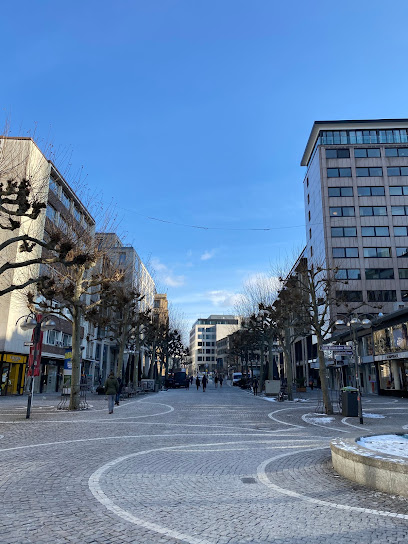
Liebieghaus
1.0 km
Explore the artistic legacy of centuries at Liebieghaus, Frankfurt's premier sculpture museum along the scenic River Main.
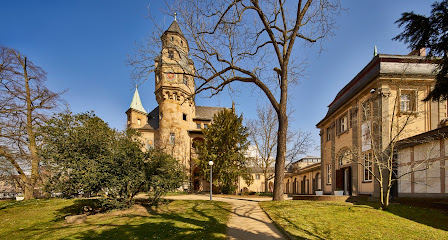
Städel Museum
1.1 km
Explore the Städel Museum in Frankfurt, a premier destination for art lovers, featuring masterpieces from the Middle Ages to contemporary works.
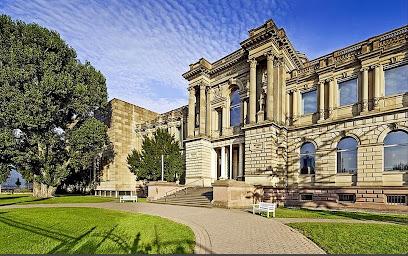
Essential places to dine

Der Fette Bulle
0.3 km
Experience gourmet burgers at Der Fette Bulle in Frankfurt—where every bite is a celebration of flavor and creativity.
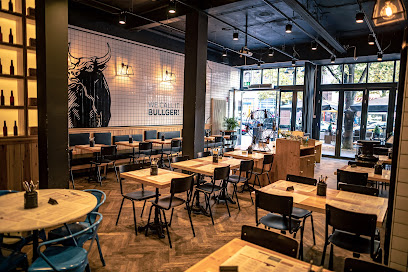
KAKADU'S
0.4 km
Discover KAKADU'S: A lively Australian restaurant in Frankfurt offering delicious food and cocktails amidst vibrant surroundings.
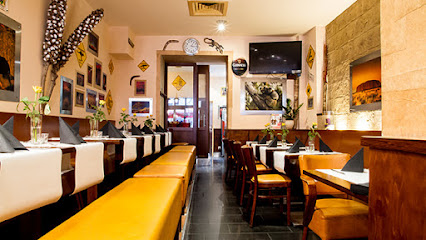
WANNAWAI
0.4 km
Discover WANNAWAI in Frankfurt: Where American cuisine meets fine dining in a vibrant atmosphere.
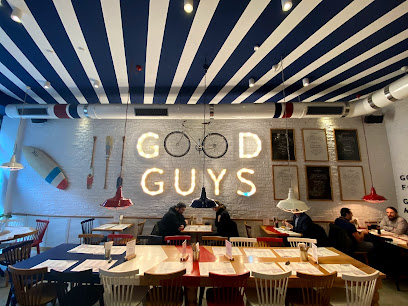
CHILINH Sushi-Restaurant
0.4 km
Savor authentic Japanese flavors at CHILINH Sushi-Restaurant in Frankfurt – where tradition meets modern culinary excellence.
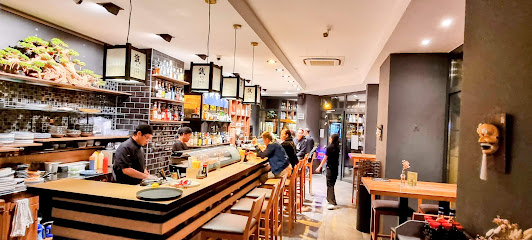
eatDOORI Indian Restaurant
0.5 km
Experience authentic Indian cuisine at eatDOORI in Frankfurt - where vibrant flavors meet warm hospitality.
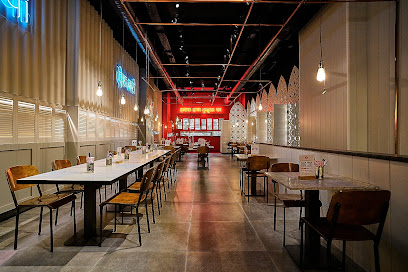
Azzurro - La Cucina Italiana
0.5 km
Experience authentic Italian cuisine at Azzurro in Frankfurt – where every dish tells a story.
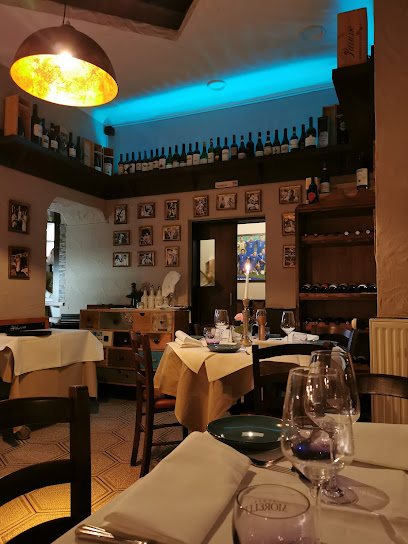
Restaurant Alte Kanzlei Inh. Luigi Riitano
0.5 km
Experience authentic Italian cuisine at Restaurant Alte Kanzlei in Frankfurt - where tradition meets elegance for an unforgettable dining experience.
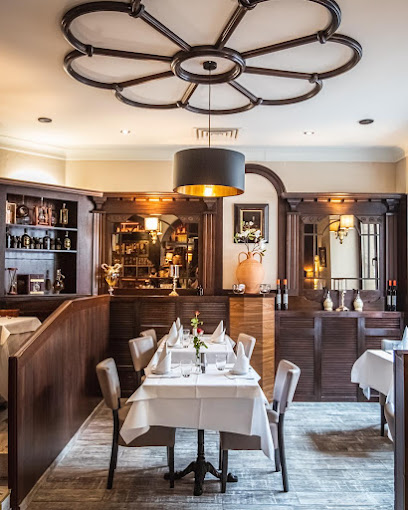
Le Petit Royal Frankfurt
0.5 km
Discover the exquisite flavors of French cuisine at Le Petit Royal Frankfurt – where premium steaks meet seafood delights in an elegant setting.
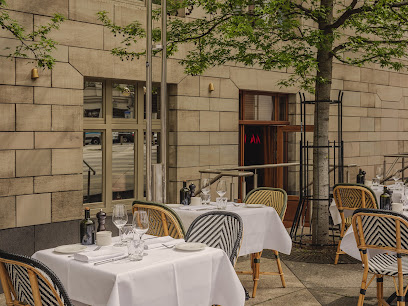
Allgaiers Restaurant
0.5 km
Experience culinary excellence at Allgaiers Restaurant in Frankfurt – where tradition meets innovation in every exquisite dish.
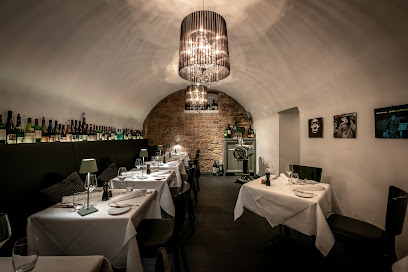
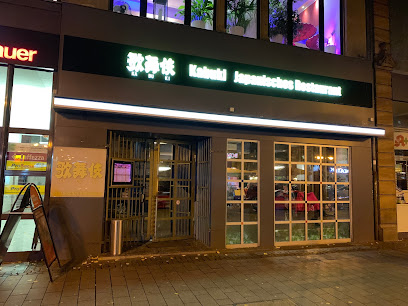
Kabuki
0.5 km
Experience authentic teppanyaki cuisine at Kabuki in Frankfurt - where culinary artistry meets vibrant atmosphere.
SOMMERFELD Restaurant
0.6 km
Experience fine dining at SOMMERFELD Restaurant in Frankfurt, where innovation meets tradition in exquisite culinary creations.
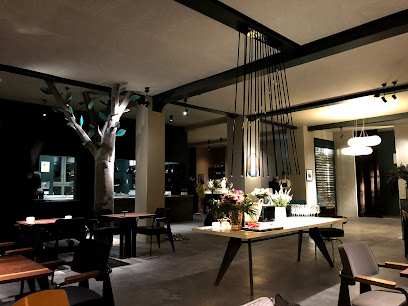
Gabaji restaurant
0.7 km
Experience exceptional dining at Gabaji Restaurant in Frankfurt, where tradition meets innovation in every dish served.
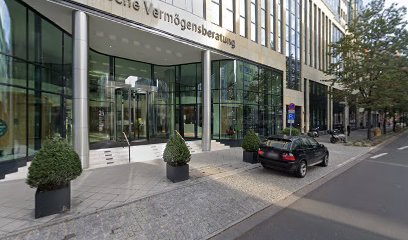
Im Herzen Afrikas
0.7 km
Experience authentic Eritrean cuisine at Im Herzen Afrikas—where flavors meet tradition in Frankfurt's vibrant dining scene.
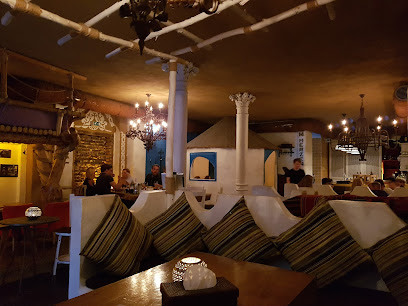
Takumi
0.7 km
Savor authentic Japanese ramen at Takumi in Frankfurt – where tradition meets flavor in every bowl.
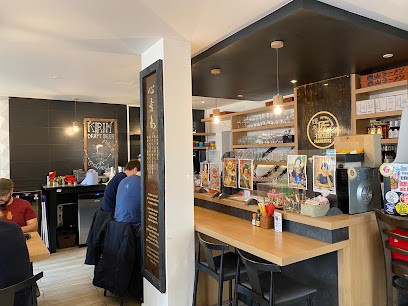
Restaurant Peysk
0.7 km
Experience innovative cuisine at Restaurant Peysk in Frankfurt, where local ingredients meet modern culinary artistry.
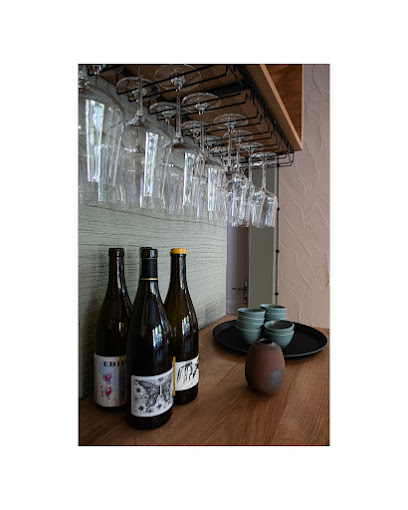
Markets, malls and hidden boutiques

INSTYLE Tax Free Shop 茵时代 免税店
0.2 km
Explore luxury shopping at INSTYLE Tax Free Shop in Frankfurt, where exclusive deals and a vast selection await discerning travelers.
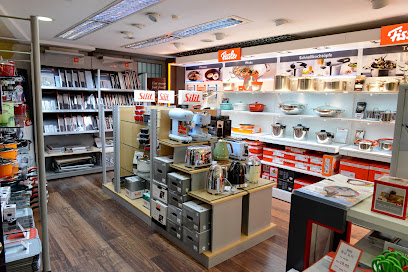
EuroShop
0.3 km
Discover unique gifts and home goods at EuroShop, Frankfurt's go-to destination for affordable souvenirs and delightful finds.
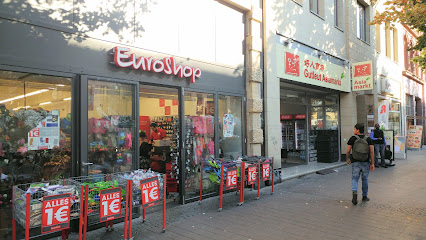
Sec shop
0.3 km
Discover the stylish Sec Shop in Frankfurt, your go-to destination for trendy clothing and an unforgettable shopping experience in the city.
Kaiserpassage
0.3 km
Experience shopping and dining in the heart of Frankfurt at Kaiserpassage, a vibrant mall with diverse stores and delightful eateries.
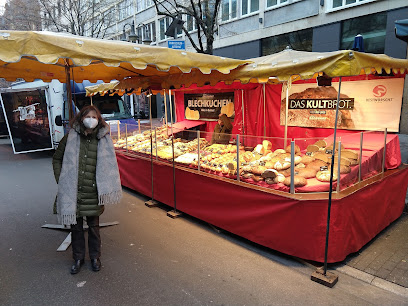
saimas collection frankfurt indian.pakistanische
0.3 km
Explore the vibrant saree collection at Saimas Collection in Frankfurt, celebrating the beauty of Indian and Pakistani fashion with every piece.
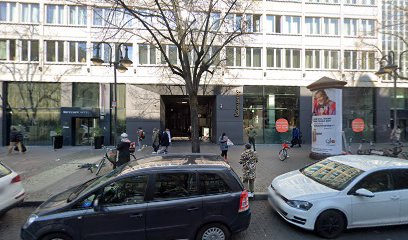
CITY Shop K65
0.4 km
Discover Frankfurt's spirit at CITY Shop K65, where local culture meets eclectic shopping in the heart of the city.
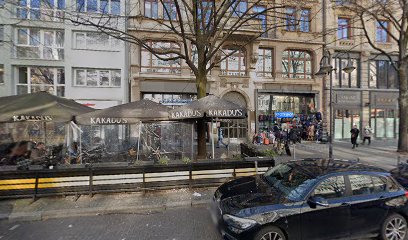
City Shop Kaiser
0.5 km
Discover the convenience of City Shop Kaiser in Frankfurt, where tobacco meets everyday essentials in a lively atmosphere.
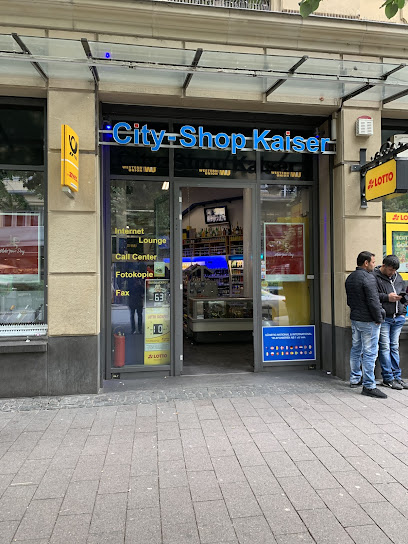
Blue Velvet Derya GmbH
0.5 km
Explore the stylish offerings at Blue Velvet Derya GmbH, a boutique clothing store in Frankfurt, where fashion meets urban flair.
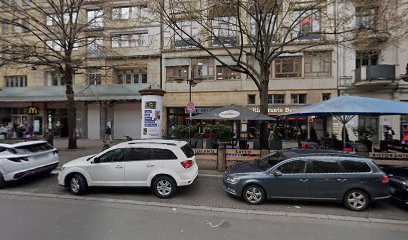
Shoes & Accessories Uebervart
0.5 km
Explore trendy footwear and stylish accessories at Shoes & Accessories Uebervart in Frankfurt am Main. A fashion lover's paradise awaits!
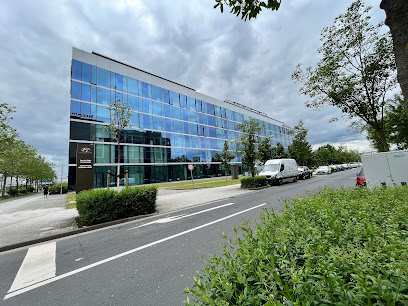
Hiyab Gifts
0.6 km
Discover unique treasures and authentic souvenirs at Hiyab Gifts in Frankfurt, your essential stop for memorable shopping experiences.
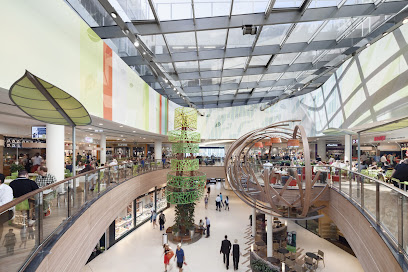
Skyline Plaza
0.7 km
Experience the best of shopping and dining at Skyline Plaza in Frankfurt, where style meets convenience amidst a vibrant city atmosphere.
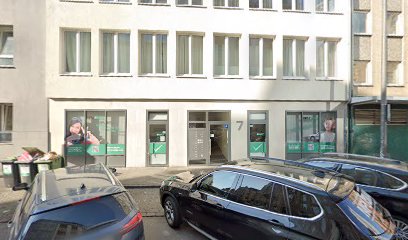
MBCY
0.9 km
Explore stylish men's fashion at MBCY, a premier clothing store in Frankfurt offering the latest trends and personalized shopping experiences.
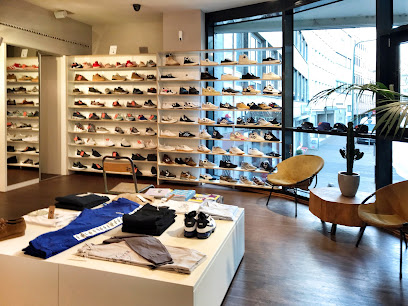
Kauf Dich Glücklich Frankfurt
1.0 km
Discover trendy fashion and unique lifestyle products at Kauf Dich Glücklich Frankfurt, a vibrant clothing store in the heart of the city.
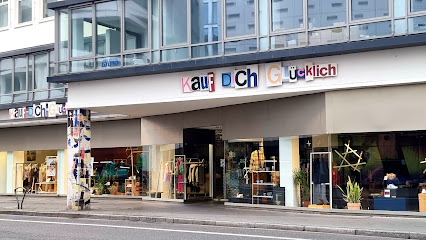
August Pfüller Women & Men
1.0 km
Experience stylish shopping at August Pfüller, Frankfurt's premier store for men's and women's fashion, handbags, lingerie, and seasonal goods.
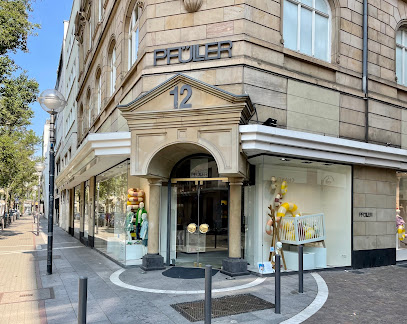
DIOR Frankfurt Goethestrasse
1.0 km
Discover luxury and sophistication at DIOR Frankfurt Goethestrasse, the ultimate destination for high-end women's fashion and timeless elegance.
Essential bars & hidden hideouts

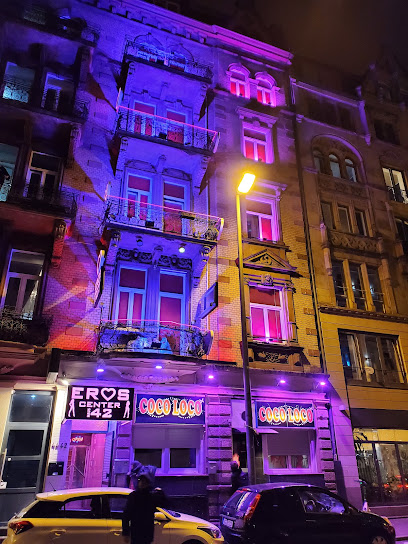
CoCo-LoCo Bar
0.2 km
Discover the vibrant nightlife at CoCo-LoCo Bar in Frankfurt, where eclectic cocktails and a lively atmosphere await every visitor.
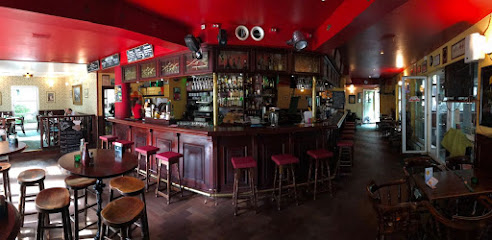
The Fox and Hound
0.2 km
Experience the perfect blend of grilled delights and a warm atmosphere at The Fox and Hound in Frankfurt, a must-visit for every traveler.
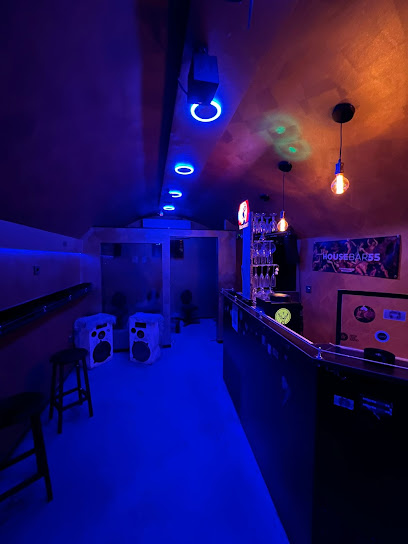
HouseBar 55 - Frankfurt am Main
0.3 km
Experience the pulsating nightlife at HouseBar 55 in Frankfurt, where amazing cocktails meet electrifying dance beats.
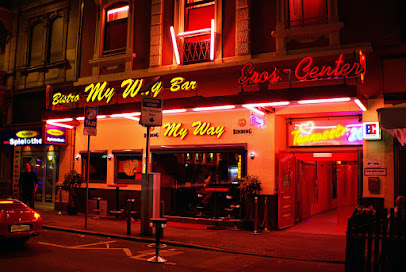
MY WAY Bar & Bistro
0.4 km
Discover the vibrant nightlife at MY WAY Bar & Bistro in Frankfurt, where delicious drinks and a lively atmosphere await.
o'reilly's Irish pubs
0.4 km
Discover the essence of Ireland in the heart of Frankfurt at O'Reilly's Irish Pub, offering authentic cuisine and a lively atmosphere.
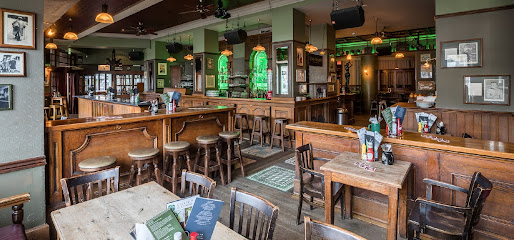
High Five Bar
0.4 km
Experience the vibrant nightlife at High Five Bar in Frankfurt, a perfect spot for cocktails, music, and mingling with locals.
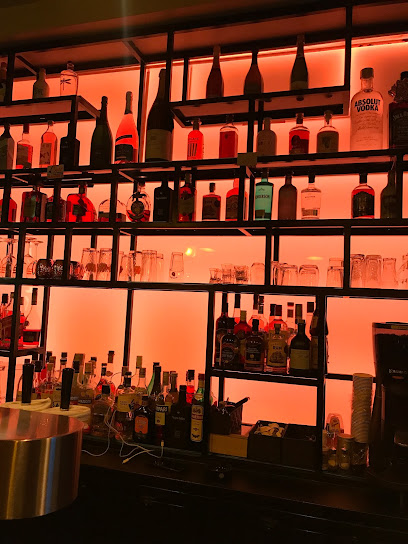
Plank Café-Bar-Studio
0.5 km
Experience the vibrant Plank Café-Bar-Studio in Frankfurt - where delightful drinks and a lively ambiance merge for an unforgettable night out.
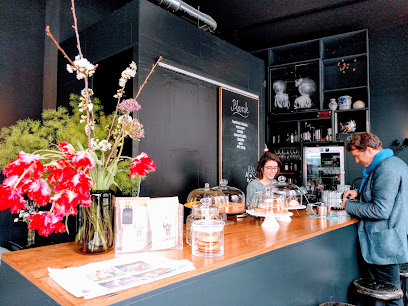
Jambo Bar
0.5 km
Discover the unique charm and vibrant nightlife at Jambo Bar, Frankfurt's go-to cocktail haven for tourists and locals alike.
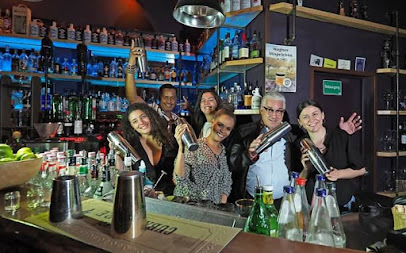
bpm Bar
0.5 km
Experience the lively and cozy vibe of bpm Bar in Frankfurt, where great drinks and a welcoming atmosphere await every visitor.
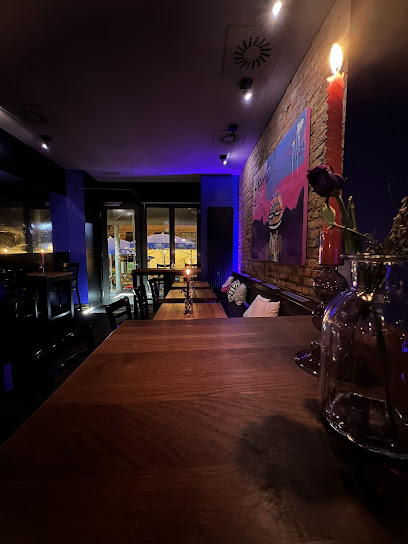
French Bento Bar - Frankfurt am Main
0.5 km
Experience a delightful blend of French cuisine and Japanese bento culture at the French Bento Bar in Frankfurt's lively Innenstadt I district.
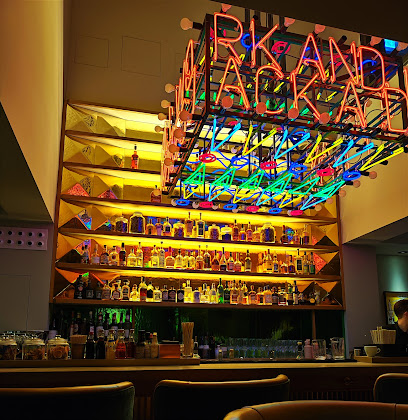
Speakeasy
0.5 km
Unveil the charm of the Prohibition era at Speakeasy, Frankfurt's hidden bar known for its exquisite cocktails and intimate atmosphere.
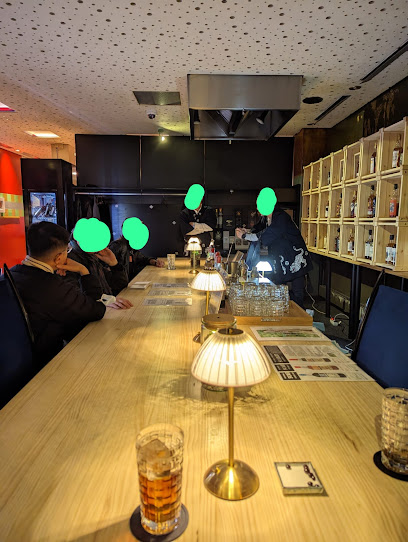
Alto Bar
0.6 km
Experience the charm of Alto Bar in Frankfurt, where relaxation meets vibrant local culture in a cozy setting.
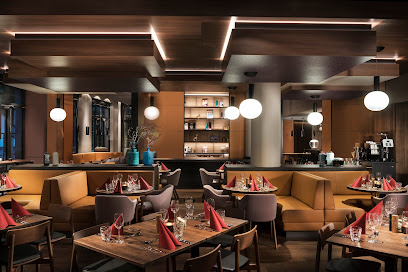
Roomers BAR - Frankfurt am Main
0.6 km
Discover Roomers BAR in Frankfurt: a stylish venue for exquisite cocktails and a vibrant atmosphere, perfect for a night out in the city.
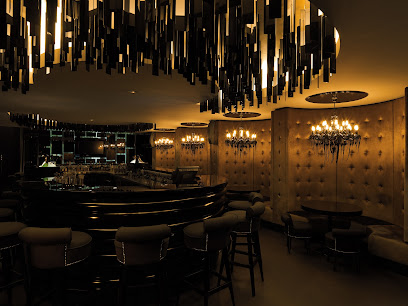
Jimmy's Bar Frankfurt
0.6 km
Discover the allure of Jimmy's Bar Frankfurt, where exquisite cocktails meet live music in an elegant setting.
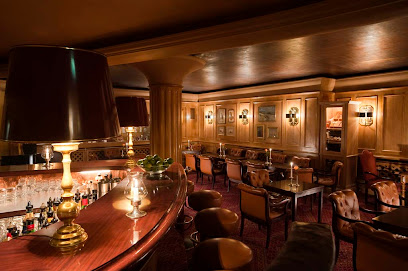
Hunky Dory Bar - Frankfurt am Main
0.6 km
Experience the vibrant nightlife at Hunky Dory Bar, Frankfurt's premier cocktail destination with exquisite drinks and an energetic atmosphere.
Nightclubs & after hour spots

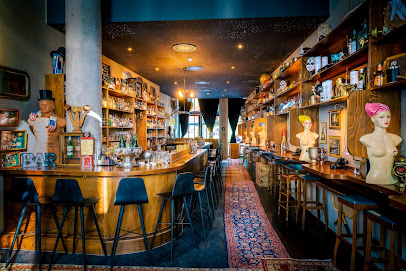
Bar Pracht - Frankfurt am Main
0.1 km
Discover the pulse of Frankfurt's nightlife at Bar Pracht, where the drinks flow and the dance floor beckons until dawn.
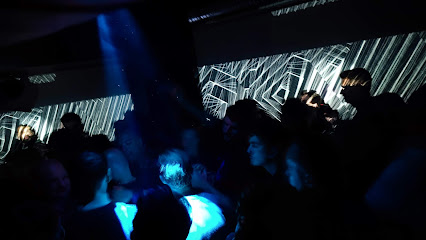
Club78
0.1 km
Experience the heart of Frankfurt's nightlife at Club78, where music, dancing, and unforgettable memories await every night.
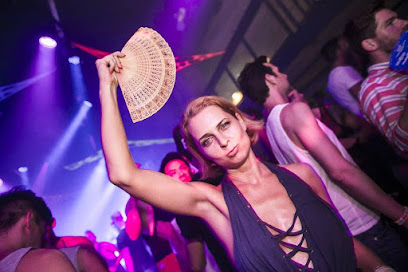
Karlson
0.1 km
Discover the electrifying nightlife at Karlson, a premier disco club and cocktail bar in Frankfurt, where music and mixology unite for an unforgettable experience.
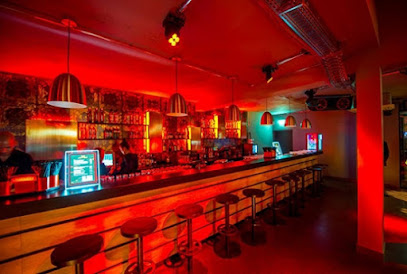
Sound FFM
0.2 km
Discover the thrilling nightlife of Sound FFM, Frankfurt's top night club offering electrifying music, vibrant atmosphere, and unforgettable experiences.
Pik Dame
0.3 km
Explore the dynamic nightlife of Frankfurt at Pik Dame, where cabaret meets a lively bar scene for unforgettable evenings.
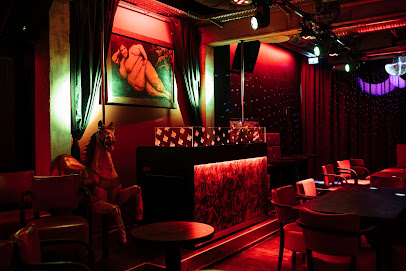
Erlebnisbar Pöbel & Gesox
0.4 km
Discover the electrifying nightlife of Frankfurt at Erlebnisbar Pöbel & Gesox, a vibrant night club offering unforgettable experiences and lively entertainment.
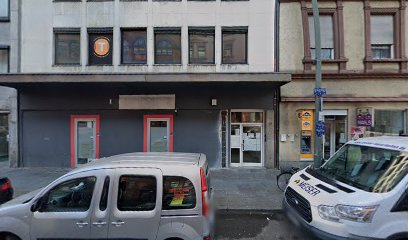
Najay's
0.4 km
Discover the ultimate nightlife experience at Najay's, Frankfurt's premier night club, where music and excitement come alive.
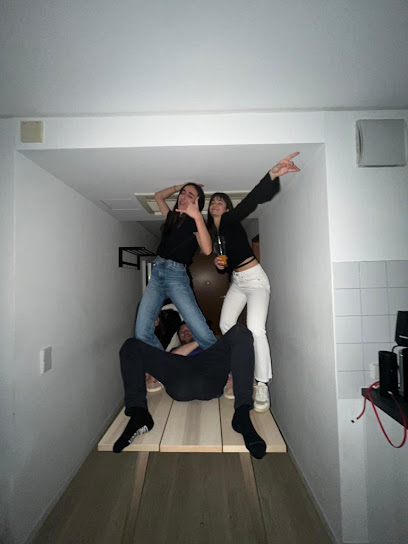
TOKONOMA
0.6 km
Discover the pulse of Frankfurt's nightlife at Tokonoma, a stylish night club offering vibrant music, dancing, and unforgettable experiences.
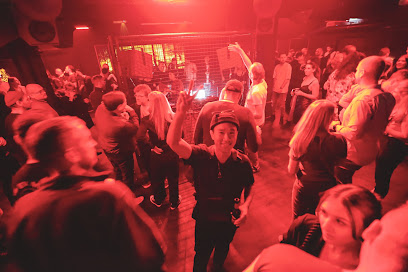
Orange Peel - Frankfurt am Main
0.6 km
Immerse yourself in the vibrant nightlife of Frankfurt at Orange Peel, a lively bar featuring exceptional live music and a welcoming atmosphere.
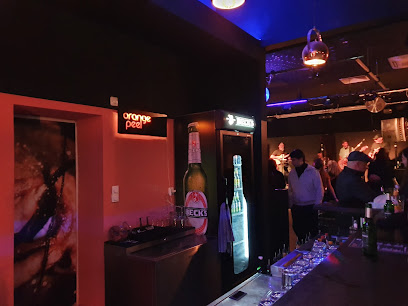
Club Crémant
0.7 km
Immerse yourself in the vibrant nightlife of Frankfurt at Club Crémant, where music and energy collide for an unforgettable evening out.
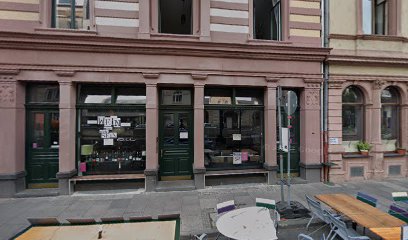
URBAN RAVE SPOT
0.8 km
Discover the ultimate nightlife experience at Urban Rave Spot in Frankfurt, where vibrant music and an exhilarating atmosphere await party enthusiasts.
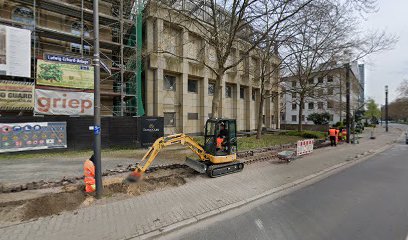
Chinaski Club
0.9 km
Discover the pulsating nightlife of Frankfurt at Chinaski Club, where top DJs and vibrant ambiance create unforgettable experiences.
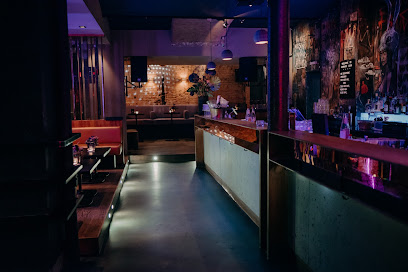
Goldeneye Club - Frankfurt am Main
0.9 km
Discover the pulse of Frankfurt's nightlife at Goldeneye Club, where unforgettable music and vibrant crowds come together for an epic night out.
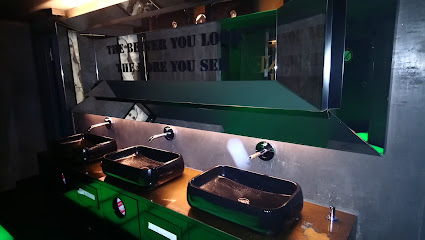
Velvet
0.9 km
Discover the vibrant nightlife at Velvet, Frankfurt's premier disco club featuring two floors of electrifying music and a lively atmosphere.
Cooky's
1.1 km
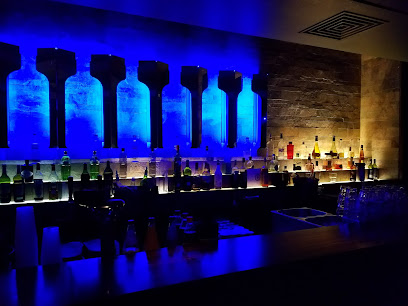
Discover Frankfurt's nightlife at Cooky's Disco Club, where energetic music and an electrifying atmosphere await every night.