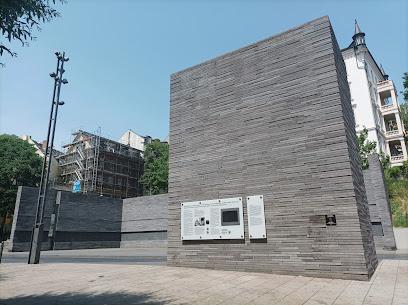
Holocaust Memorial (Shadow of former Synagogue)
A solemn tribute to Wiesbaden's Jewish citizens murdered during the Holocaust, marking the site of the former synagogue and promoting remembrance and reflection.
The Holocaust Memorial in Wiesbaden stands as a poignant reminder of the city's Jewish citizens who perished during the Nazi era. Located on Michelsberg, at Coulinstraße 2, it marks the site where Wiesbaden's grand synagogue once stood before its destruction in 1938. The memorial features a large grey wall bearing the names of over 1,500 murdered Jewish residents, ensuring they are not forgotten. Dark paving stones outline the synagogue's original footprint, while historical photos and biographical information offer deeper insights. The design thoughtfully integrates into the urban landscape, inviting reflection on the past and promoting remembrance. It serves as a place for contemplation and education, honoring the victims and fostering a commitment to prevent such atrocities from ever happening again. The memorial is open to the public at all times, free of charge, and is easily accessible by foot or public transport.
A brief summary to Holocaust Memorial (Shadow of former Synagogue)
- Coulinstraße 2, Wiesbaden, 65183, DE
- +49611313329
- Visit website
Local tips
- Take time to read the names on the memorial wall and reflect on the individual lives lost during the Holocaust.
- Visit the memorial on January 27th, the national day of remembrance for the victims of the Nazi regime, for special commemorative events.
- Explore the surrounding area of Michelsberg, noting the integration of the memorial into the urban landscape and the historical significance of the site.

Getting There
-
Walking
From Wiesbaden's city center, such as Luisenplatz, the Holocaust Memorial is approximately a 10-15 minute walk. Head north, generally following Webergasse, and then turn left onto Coulinstraße. The memorial will be on your right, marked by a large grey wall. Look for the dark paving stones outlining the former synagogue. The walk is straightforward and well-signposted.
-
Public Transport
The closest bus stops are 'Kirchgasse' and 'Michelsberg'. Several bus lines serve these stops. From Wiesbaden Hauptbahnhof (main train station), take bus line 1, 4, 47 or N7 to 'Kirchgasse' or 'Michelsberg'. From either stop, it's a short walk to Coulinstraße 2. A single ticket within Wiesbaden (fare zone 6500) costs €3.70 for adults and €2.15 for children (6-14 years). A short-distance ticket, valid for up to three stops, costs €2.20 for adults and €1.30 for children.
-
Taxi/Ride-Share
A taxi or ride-share from Wiesbaden Hauptbahnhof to the Holocaust Memorial will take approximately 5-10 minutes, depending on traffic. Expect to pay around €10-€15. Provide the driver with the address: Coulinstraße 2, 65183 Wiesbaden.
-
Driving
If driving, enter Coulinstraße 2, 65183 Wiesbaden into your GPS. Parking is available at Parkhaus Coulinstraße, located at Coulinstraße 5, a short walk from the memorial. Parking fees at Parkhaus Coulinstraße are approximately €2.50 per hour. Other nearby parking options include City-Parkhaus II on Schwalbacher Str. 38-42.
Discover more about Holocaust Memorial (Shadow of former Synagogue)
Iconic landmarks you can’t miss

Holocaust Memorial (Shadow of former Synagogue)
0.0 km
A solemn tribute to Wiesbaden's Jewish citizens murdered during the Holocaust, marking the site of the former synagogue and promoting remembrance and reflection.
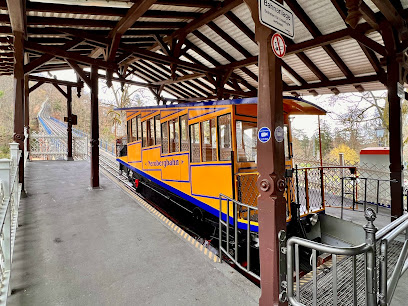
Nerobergbahn Wiesbaden
1.5 km
Experience a nostalgic ride on Wiesbaden's historic water-powered Nerobergbahn, ascending to panoramic views, cultural landmarks, and outdoor adventures atop Neroberg.
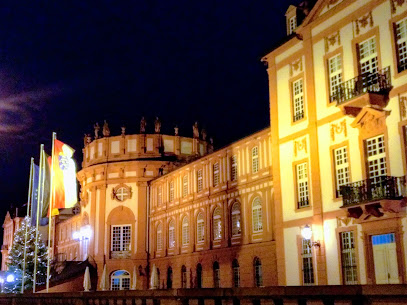
Schloss Park
4.5 km
Experience the enchanting gardens and historical charm of Schloss Park in Wiesbaden, a serene state park perfect for relaxation and exploration.
Goethestein
6.0 km
Experience breathtaking views and serene hiking trails at Goethestein, a must-visit observation deck in Wiesbaden's scenic landscape.
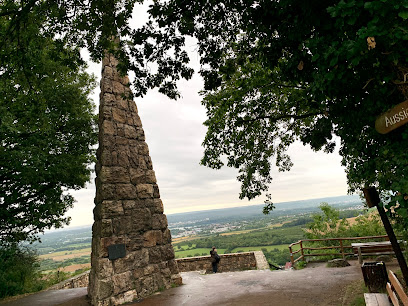
Castle Gate
8.9 km
Discover the rich history and stunning architecture of the Castle Gate in Mainz, a remarkable historical site on the banks of the Rhine.
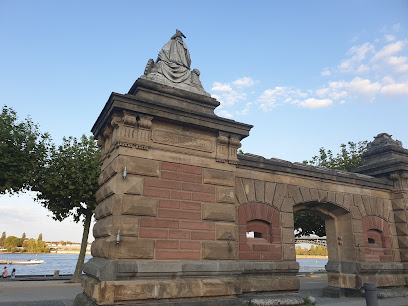
Sandsteinreliefs der Kurfürsten und des deutschen Königs
9.2 km
Explore the exquisite Sandsteinreliefs der Kurfürsten and discover Mainz's rich historical tapestry through stunning sculpture artistry.
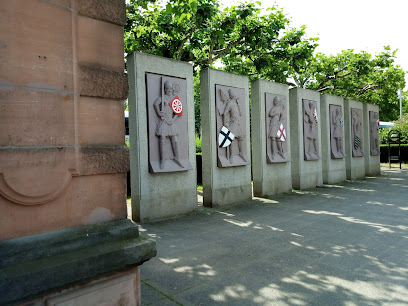
Iron Tower
9.5 km
Explore Mainz's Iron Tower, a historical landmark showcasing stunning architecture and rich heritage in the heart of the city.
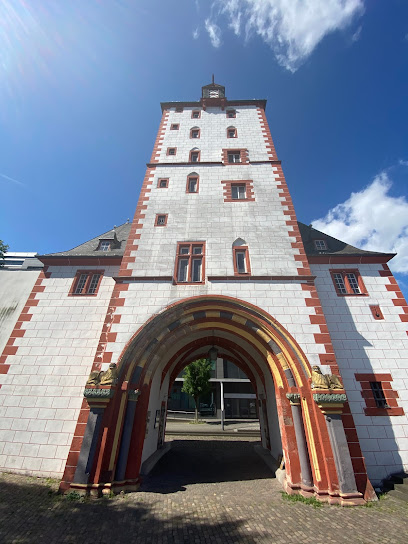
Eisenturm
9.5 km
Discover the historical charm of Eisenturm in Mainz, a majestic tower that narrates the city's fascinating past through its impressive architecture.
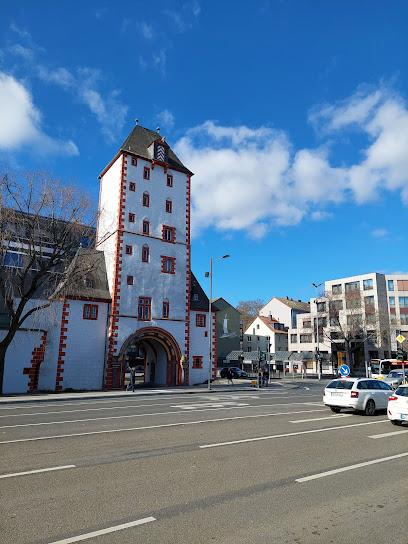
Stresemann-Ufer
9.6 km
Experience Mainz's vibrant riverside promenade: where history meets art and leisure along the scenic Stresemann-Ufer, offering stunning Rhine views and cultural attractions.
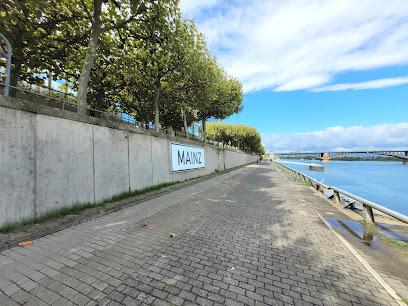
Gutenbergplatz
9.7 km
Experience the vibrant heart of Mainz at Gutenbergplatz, a historic square honoring the printing press inventor, surrounded by charming architecture and bustling with local life.
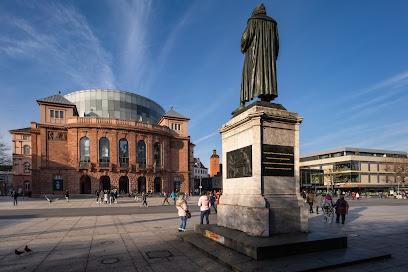
Schillerpl.
9.7 km
Experience the heart of Mainz at Schillerplatz: a vibrant square steeped in history, framed by Baroque palaces, and home to the iconic Carnival Fountain, offering a true taste of German culture.
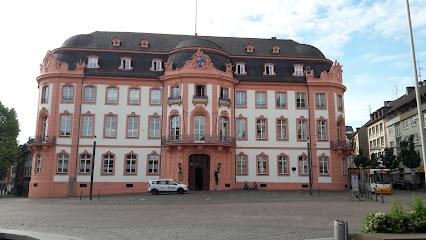
Nagelsäule
9.7 km
A unique WWI memorial in Mainz's heart, the Nagelsäule embodies unity and resilience. A poignant reminder of history on vibrant Liebfrauenplatz.
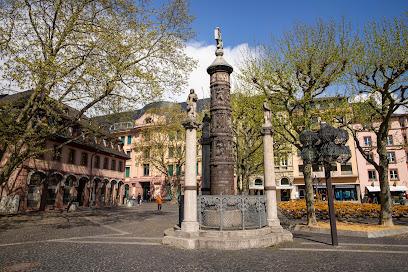
Fischtorbrunnen
9.7 km
Discover the Fischtorbrunnen in Mainz, a charming fountain that embodies the city's history, art, and vibrant culture, offering a delightful experience for every visitor.
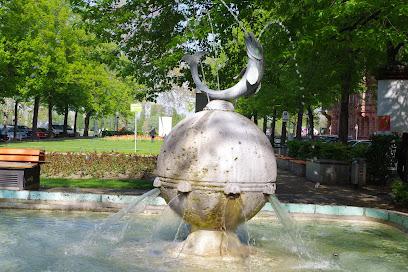
Liebfrauenpl.
9.7 km
Experience the vibrant heart of Mainz at Liebfrauenplatz, a historic square where Romanesque architecture meets bustling markets, offering a taste of German culture and history.
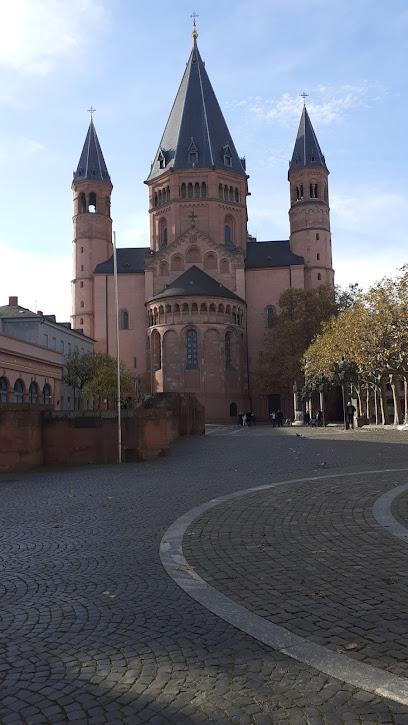
St. Augustine's Church
9.9 km
Discover Mainz's Baroque masterpiece: St. Augustine's Church, a serene sanctuary of art, history, and faith in the heart of the old town, showcasing stunning frescoes and Rococo splendor.
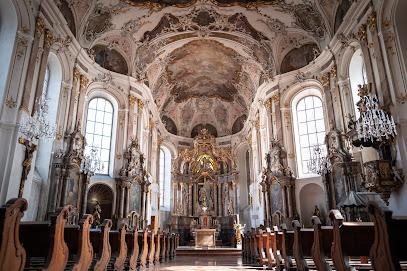
Unmissable attractions to see

Kurhaus Wiesbaden GmbH
0.8 km
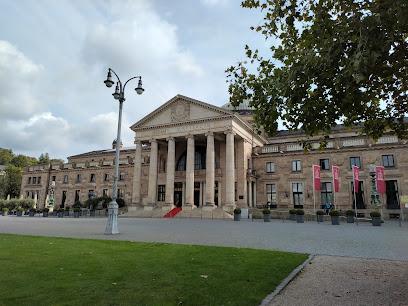
Experience the grandeur of Kurhaus Wiesbaden, a cultural hub that blends history, elegance, and vibrant events in the heart of the city.
Kurpark
1.1 km
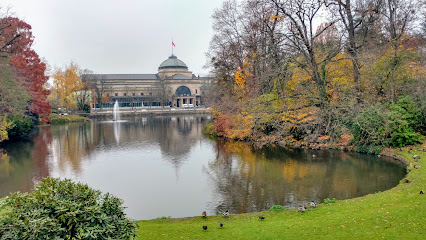
Discover Wiesbaden's enchanting Kurpark, a serene English landscape garden offering tranquil escapes, vibrant cultural events, and a glimpse into the city's spa town history.
Tempel am Neroberg
1.8 km
Discover the breathtaking views and rich history at Tempel am Neroberg - an iconic landmark in Wiesbaden, Germany.
Erlebnismulde
1.8 km
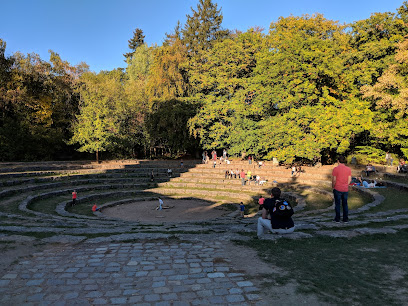
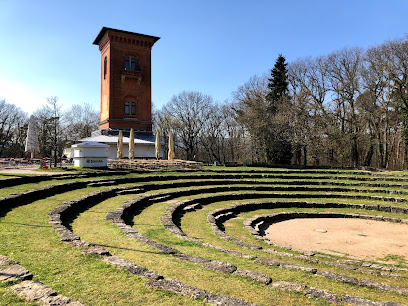
Experience open-air cultural events with panoramic views at the Erlebnismulde on Wiesbaden's Neroberg, easily accessible by the historic Nerobergbahn and surrounded by natural beauty.
Zoo and garden Fasanerie
3.9 km
Discover Wiesbaden's Fasanerie: A free animal and plant park offering a natural escape with native wildlife, botanical gardens, and engaging educational programs for all ages.
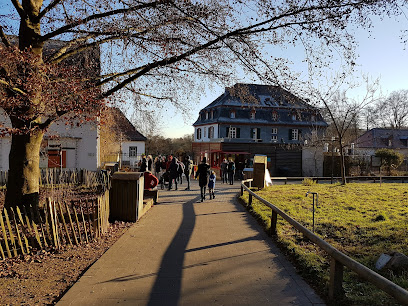
Altenstein
6.9 km
Discover Altenstein in Taunusstein: A serene natural escape offering lush landscapes, vibrant flora, and tranquil walking trails for an unforgettable nature experience.
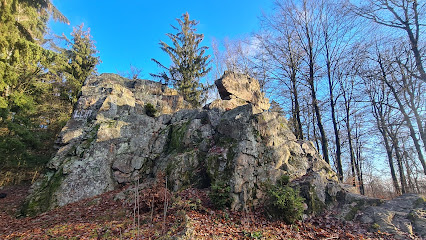
Mammutbaum
7.8 km
Discover the majestic Mammutbaum in Taunusstein: a serene escape among towering Giant Sequoias, offering a unique blend of nature and tranquility in the heart of Germany.
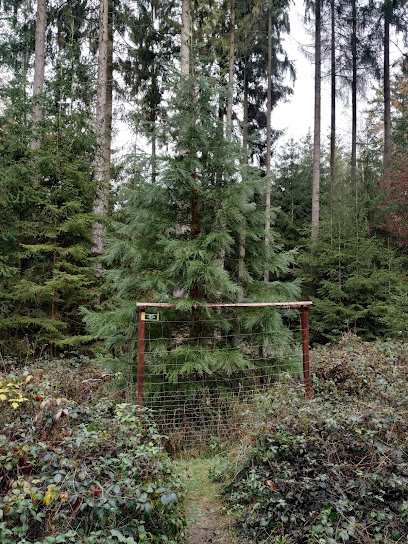
Landesmuseum Mainz
9.1 km
Explore the rich cultural heritage and stunning art collections at Landesmuseum Mainz, a must-visit destination for culture lovers in Germany.
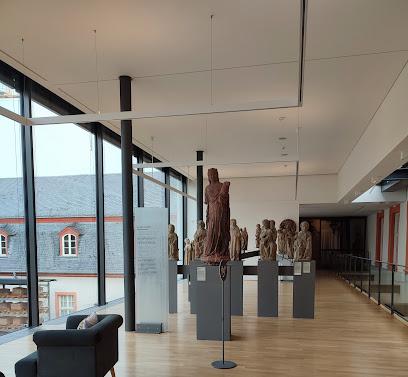
Gutenberg Museum
9.2 km
Explore the Gutenberg Museum in Mainz, where the history of printing comes to life through rare artifacts and interactive exhibits celebrating Johannes Gutenberg's legacy.
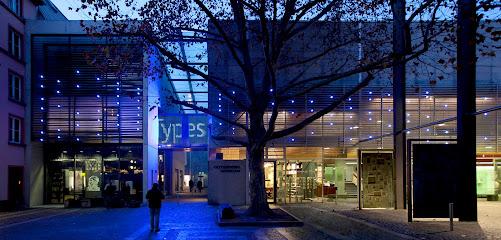
Isis and Mater Magna Temple
9.3 km
Explore the ancient world at the Isis and Mater Magna Temple in Mainz, where history and spirituality converge in a captivating museum experience.
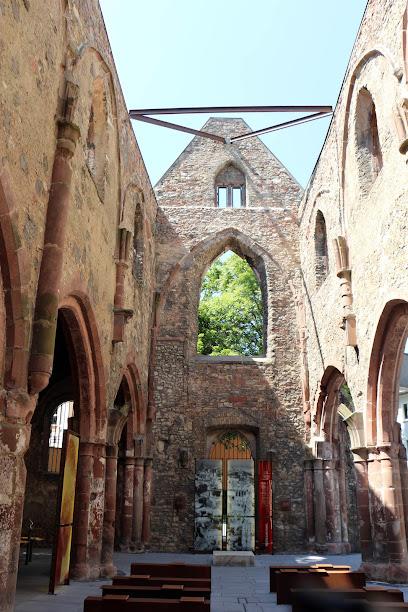
St. Christoph’s Church
9.4 km
Explore the stunning architectural beauty and historical significance of St. Christoph’s Church in Mainz, a must-visit landmark for every traveler.
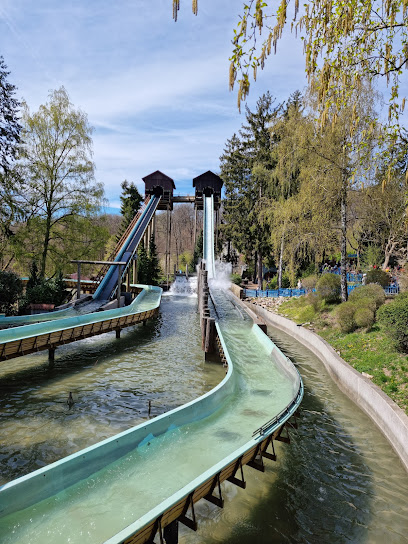
Taunus Wunderland
9.6 km
Discover family fun and thrilling adventures amidst the scenic Taunus Mountains at Taunus Wunderland, a charming amusement park with rides and attractions for all ages.
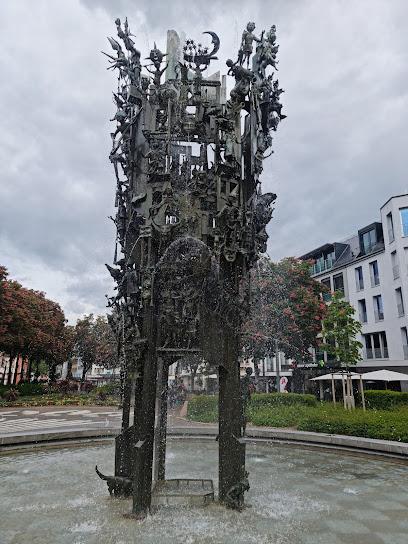
Fastnachtsbrunnen
9.7 km
Explore Mainz's Fastnachtsbrunnen, a historical fountain that celebrates the city's rich Carnival traditions and vibrant culture.
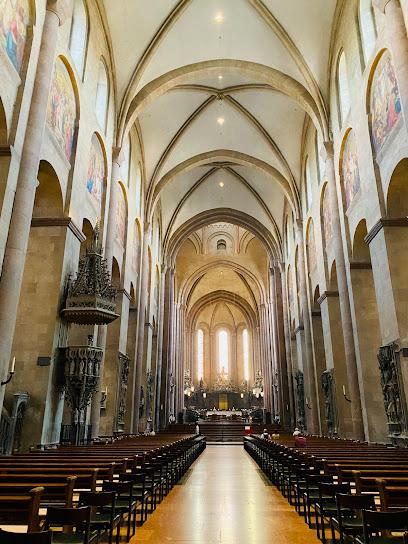
Mainz Cathedral
9.7 km
Discover the architectural splendor of Mainz Cathedral, a historical gem in Germany showcasing stunning Romanesque design and rich cultural heritage.
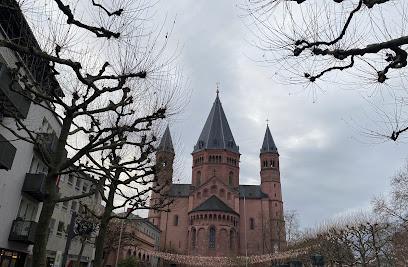
Dom- und Diözesanmuseum
9.8 km
Explore centuries of ecclesiastical art and history at the Dom- und Diözesanmuseum, a cultural gem in Mainz, Germany.
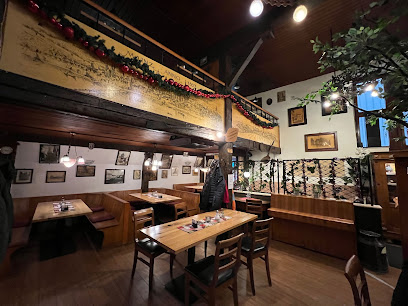
Essential places to dine

Augustinerkeller
10.0 km
Experience authentic German cuisine and exquisite local wines at Augustinerkeller in Mainz.
Bellpepper Restaurant & Terrasse
10.2 km
Discover exquisite fine dining at Bellpepper Restaurant & Terrasse in Mainz, where culinary artistry meets breathtaking views of the Rhine.
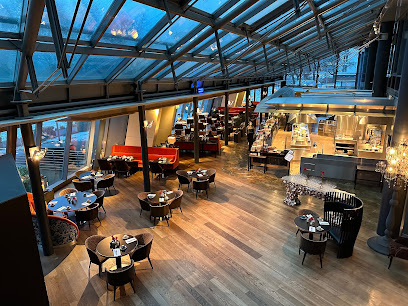
Favorite Restaurant
11.0 km
Experience exquisite fine dining at Favorite Restaurant in Mainz, where culinary artistry meets exceptional service in an elegant setting.
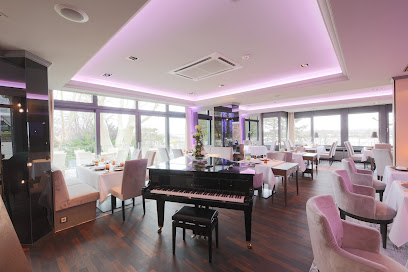
Gourmet-Restaurant Kronenschlösschen
14.8 km
Experience culinary excellence at Gourmet-Restaurant Kronenschlösschen in Eltville am Rhein—where gourmet cuisine meets stunning river views.
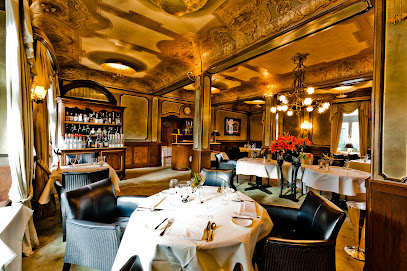
Zur schönen Aussicht
15.5 km
Discover the heart of German cuisine at Zur schönen Aussicht – where traditional flavors meet warm hospitality in Kelkheim.
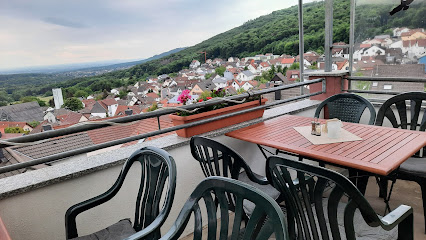
Merlin
15.8 km
Experience the best of Indian and Italian cuisine at Merlin in Kelkheim – where flavors unite in a warm and inviting atmosphere.
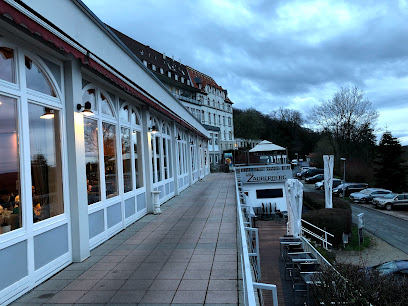
Zum fröhlichen Landmann
16.9 km
Discover the charm of traditional German dining at Zum fröhlichen Landmann in Kelkheim - where every meal is a celebration of local flavors.
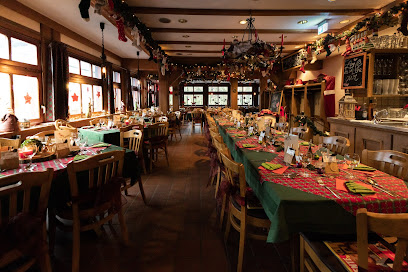
Elba Restaurant
18.4 km
Discover Elba Restaurant in Königstein im Taunus: where seasonal flavors meet exceptional service for an unforgettable dining experience.
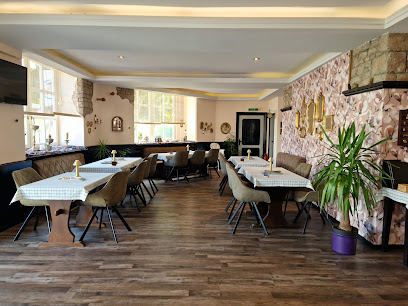
Zur Dorfschänke
18.4 km
Experience authentic German cuisine at Zur Dorfschänke in Königstein im Taunus – where local flavors meet warm hospitality.
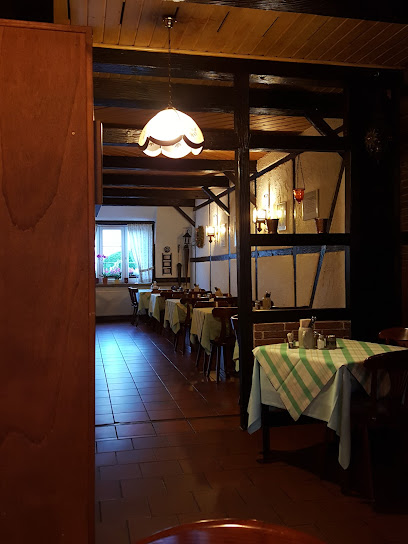
Bürgerklause
18.8 km
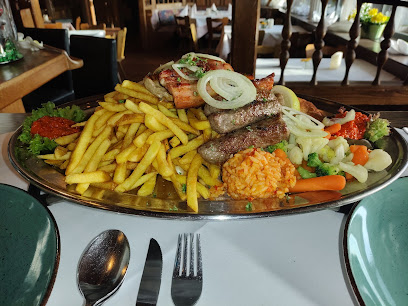
Experience authentic German meat dishes at Bürgerklause in Glashütten – where every bite tells a story.
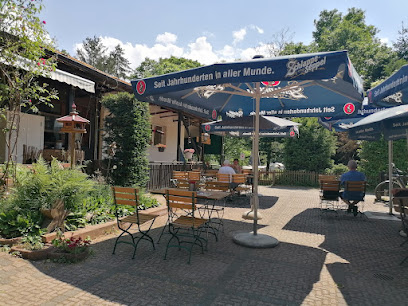
Naturfreundehaus Billtalhöhe
19.1 km
Experience authentic German cuisine at Naturfreundehaus Billtalhöhe, nestled in the scenic beauty of Königstein im Taunus.
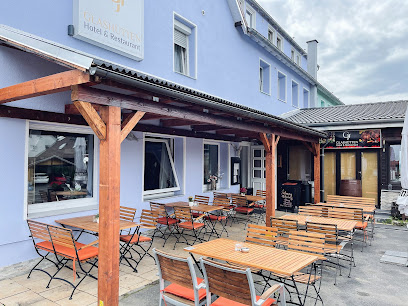
Glashütten Hotel und Restaurant
19.3 km
Experience exquisite dining at Glashütten Hotel und Restaurant – where local flavors meet modern comfort in a picturesque setting.
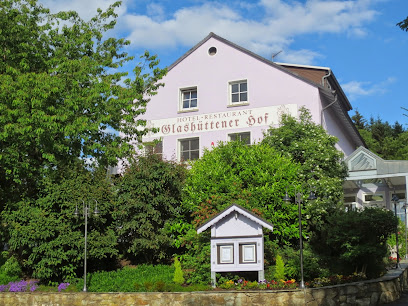
Glashüttener Hof
19.5 km
Discover Glashüttener Hof: A gem in Glashütten offering authentic German cuisine and warm hospitality in a cozy setting.
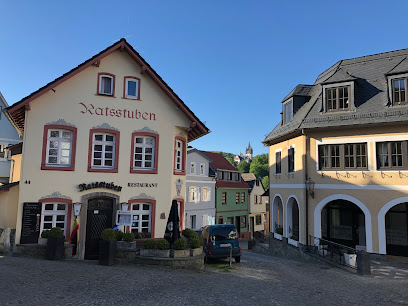
Restaurant Ratsstuben
19.6 km
Experience the best of Greek and traditional German cuisine at Restaurant Ratsstuben in Königstein im Taunus.
Stadtschänke
19.7 km
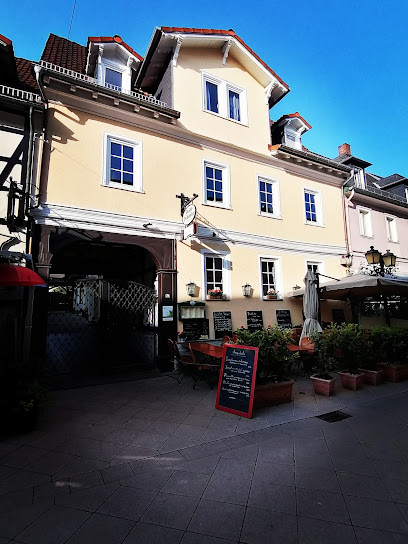
Discover authentic German flavors at Stadtschänke in Königstein im Taunus - where tradition meets taste.
Markets, malls and hidden boutiques

Rhine Valley Store
8.3 km
Discover exceptional artistry at the Rhine Valley Store, a premier tattoo shop in Wiesbaden, where creativity meets personalized service.

Römerpassage
9.4 km
Experience shopping and dining at Römerpassage in Mainz, where vibrant atmosphere meets a diverse selection of stores and eateries.
Gutenberg-Center
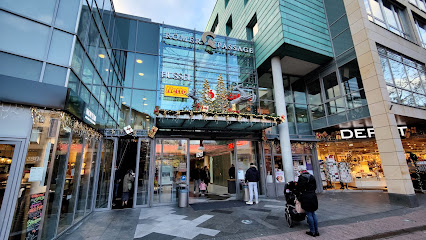
12.9 km
Discover a world of shopping and dining at the Gutenberg-Center in Mainz, where every visit promises a unique experience.
Thousand Dresses (NUR MIT TERMIN)
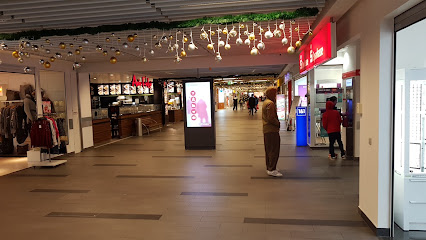
15.9 km
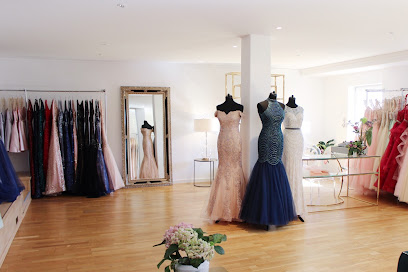
Discover the elegance of Thousand Dresses - a premier formal wear boutique in Kelkheim, offering personalized shopping experiences for every special occasion.
Marken Outlet Kriftel
16.6 km
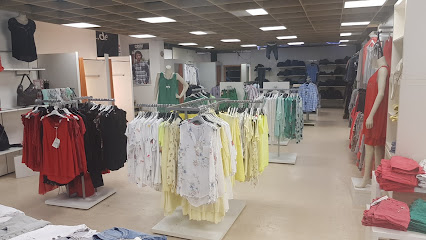
Explore Marken Outlet Kriftel: a fashion hub offering incredible deals on men's, women's, and youth clothing in a vibrant shopping atmosphere.
exclusive-dog-boutique
16.6 km
Discover the Exclusive Dog Boutique in Kelkheim - where premium pet supplies meet stylish designs for your beloved furry friends.
Weinköpfe Grape Escapes
17.7 km
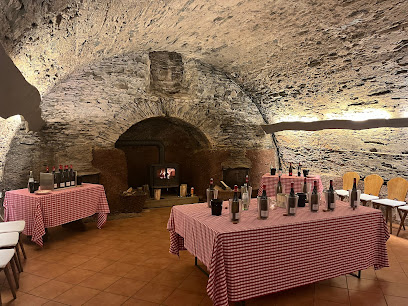
Discover the essence of wine at Weinköpfe Grape Escapes, where local flavors and stunning vineyard tours await in Ingelheim am Rhein.
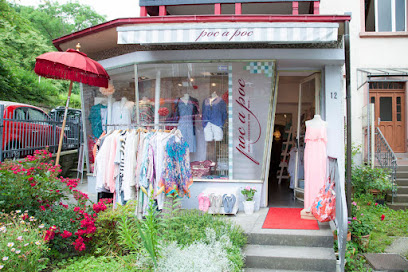
Poc a Poc | Mode aus Königstein | Daniela Kowald
19.6 km
Discover unique fashion at Poc a Poc, a charming boutique in Königstein, offering stylish clothing and dresses that reflect local design.
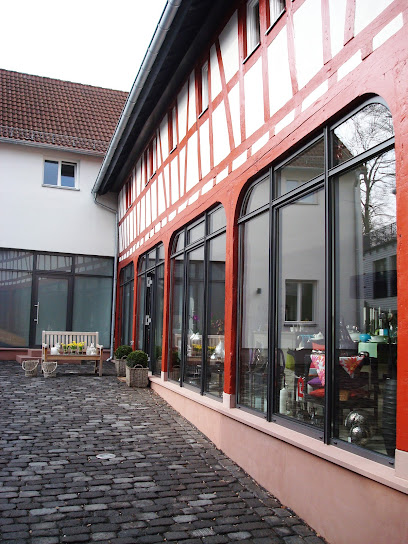
Wohnkultur Elke Klautke
19.7 km
Discover exquisite furniture and unique designs at Wohnkultur Elke Klautke in Königstein im Taunus, a must-visit for home decor enthusiasts.
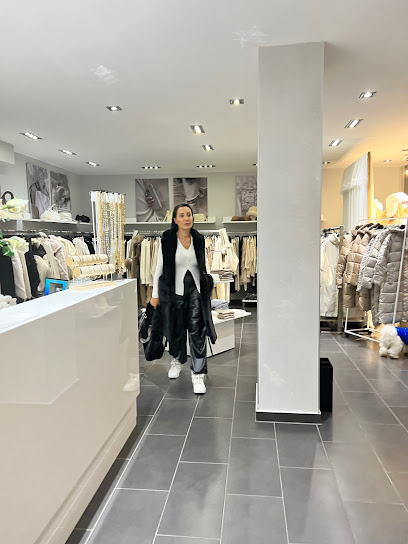
Expression the dress company OHG
19.7 km
Explore unique fashion at Expression the Dress Company OHG in Königstein im Taunus, where style meets tradition in a charming boutique setting.
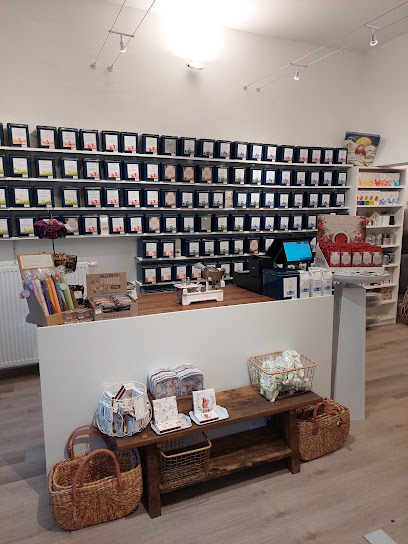
Anna´s TEE & Geschenke
19.7 km
Discover the charm of Anna's TEE & Geschenke, a delightful tea store in Königstein im Taunus, where premium teas and unique gifts await tea lovers.
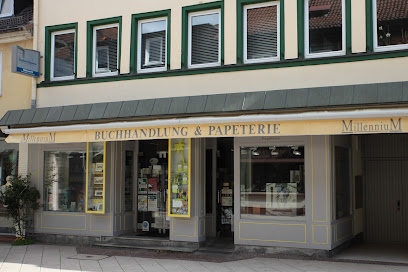
Millennium Buchhandlung
19.7 km
Explore Millennium Buchhandlung in Königstein im Taunus, a charming bookstore with a rich selection of literature and cozy reading nooks.
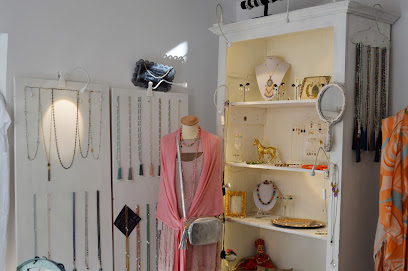
Pompydu
19.9 km
Explore Pompydu, where fashion accessories and unique clothing meet in the heart of Königstein im Taunus, perfect for every stylish tourist.
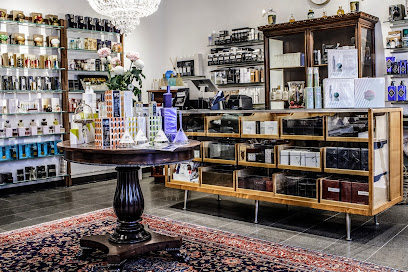
Das Parfum & Beauty GmbH
19.9 km
Explore the elegant world of perfumes and cosmetics at Das Parfum & Beauty GmbH in Bad Soden, where beauty meets sophistication.
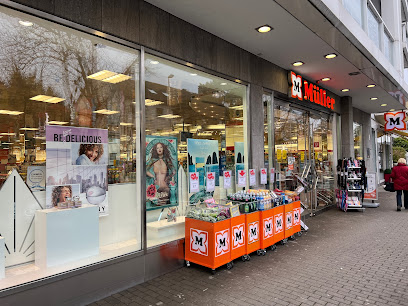
Müller
19.9 km
Explore Müller in Königstein im Taunus for a unique shopping experience featuring beauty products, stationery, DVDs, and more, all in one place.
Essential bars & hidden hideouts

Bar One - Wiesbaden
0.3 km
Experience the vibrant nightlife of Wiesbaden at Bar One, where expert mixology meets an inviting atmosphere, offering unforgettable cocktails and great company.
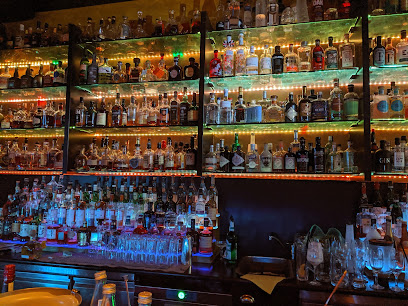
Pub Niedernhausen - The Kings Crown
10.0 km
Discover the lively charm of Pub Niedernhausen - The Kings Crown, a premier bar with live music and pool for an unforgettable night out.
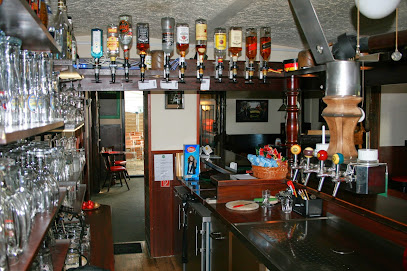
Rheinhattan Bar
10.3 km
Experience the vibrant nightlife of Mainz at Rheinhattan Bar, where innovative cocktails and a lively atmosphere await you.
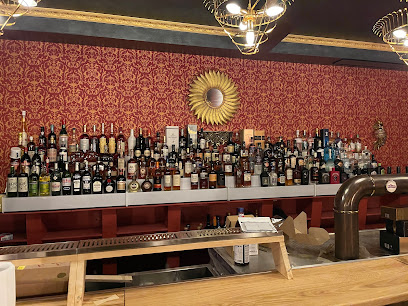
Spiritus
10.3 km
Discover the lively Spiritus Bar in Mainz, where tradition meets a vibrant nightlife experience perfect for socializing and relaxation.
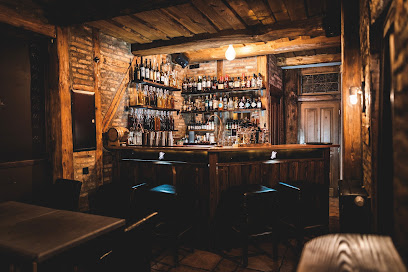
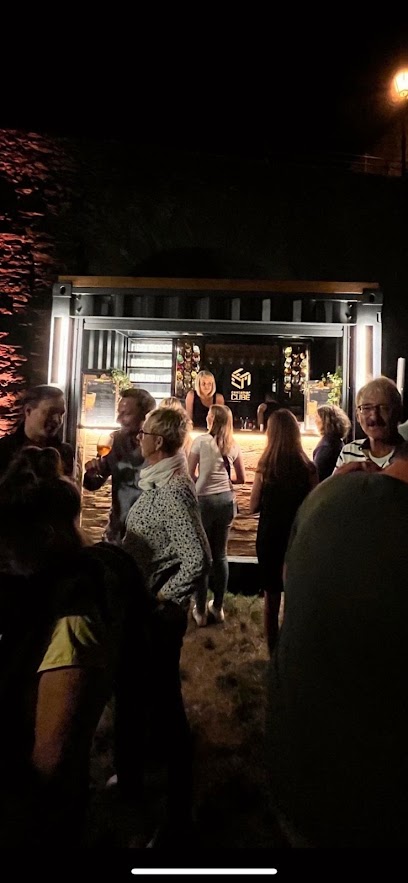
ContainerCube
12.7 km
Experience the vibrant atmosphere of ContainerCube, a top-rated bar in Eppstein, perfect for drinks, events, and socializing.
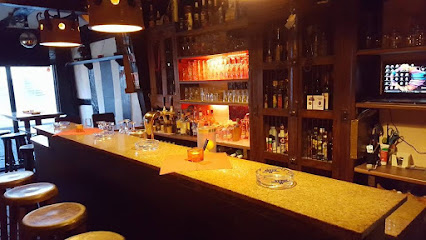
Pub 51
12.7 km
Discover the local charm at Pub 51, Eppstein's inviting bar known for its friendly service and diverse drink selection.
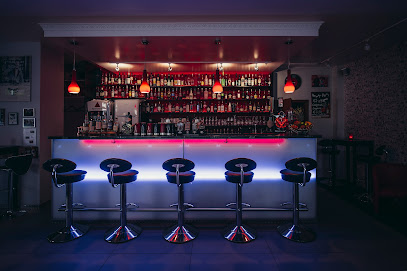
KS4 Café & Cocktailbar-Lounge
14.2 km
Discover the perfect blend of cocktails, café culture, and live music at KS4 Café & Cocktailbar-Lounge in Hofheim am Taunus.
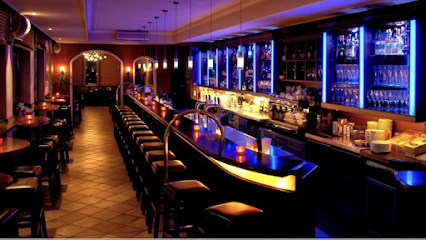
BALTHASAR Café * Bar * Lounge
14.9 km
Experience the vibrant atmosphere and delightful flavors at BALTHASAR Café * Bar * Lounge, a must-visit spot in Hofheim.
Orientierbar
15.0 km
Experience the lively spirit of Hofheim at Orientierbar, a premier destination for cocktails, cuisine, and unforgettable nights out.
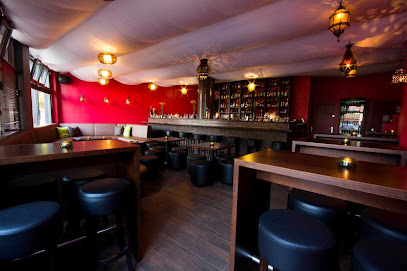
Panoramabar
16.1 km
Experience exquisite cocktails and stunning views at Panoramabar, the premier bar and lounge in Hofheim am Taunus, perfect for relaxation.
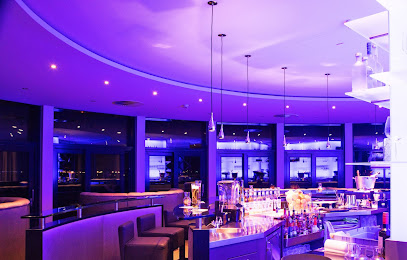
Legends Sportsbar
16.4 km
Discover the ultimate sports experience at Legends Sportsbar in Kelkheim, where every game is a celebration.
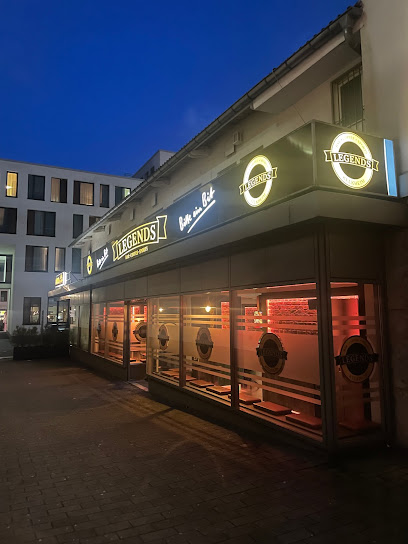
BAHNSINN ...die Bar mit Anschluss
18.1 km
Discover the lively cocktail bar BAHNSINN in Hattersheim, where unique drinks and a vibrant atmosphere create unforgettable nights.
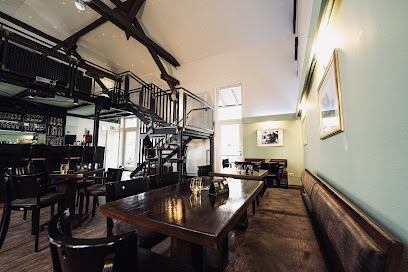
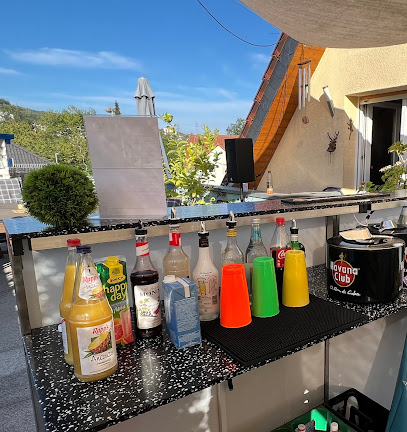
FYNE DRINKS - Deine mobile Cocktailbar für den Taunus, den Rheingau und Rhein-Main
18.7 km
Experience the art of mixology with Fyne Drinks, your mobile cocktail bar in Taunus, tailored for weddings and events across Rheingau and Rhein-Main.
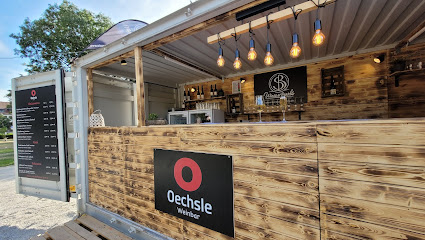
OECHSLE - Weinbar
19.9 km
Experience the elegance of fine wines at OECHSLE - a cozy wine bar in the heart of Königstein im Taunus, offering a unique tasting experience.
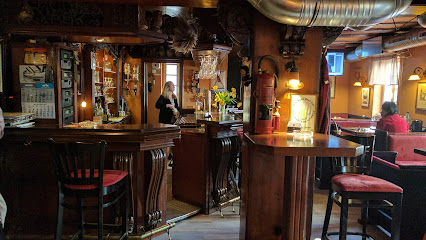
Adlerhof
20.0 km
Discover the warm hospitality and local brews at Adlerhof, a cozy pub in Bad Soden am Taunus, perfect for unwinding after a day of exploration.
Nightclubs & after hour spots

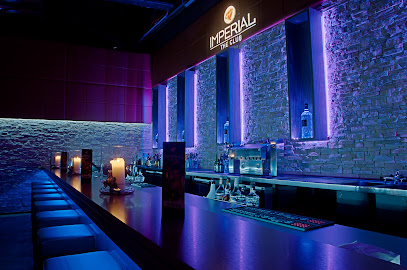
Imperial The Club Mainz
7.6 km
Discover Mainz's vibrant nightlife at Imperial The Club, where music, dancing, and delightful drinks create unforgettable memories.
City-Club
16.4 km
Experience the energy of City-Club in Kelkheim, where the nightlife comes alive with dance, music, and vibrant atmospheres.
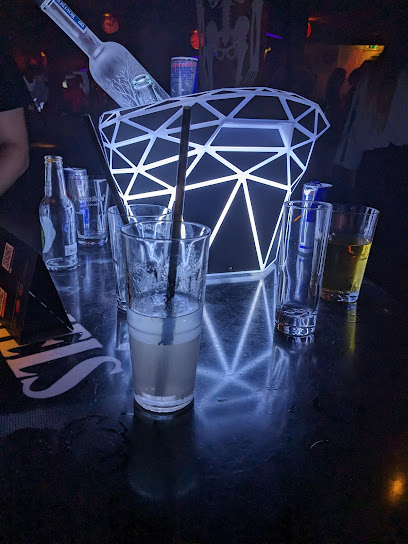
Club Galaxy
26.3 km
Dive into the vibrant nightlife of Weilrod at Club Galaxy, where music and dance come alive in a spectacular disco setting.
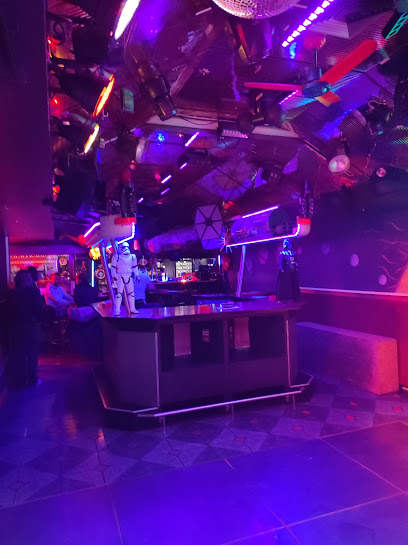
Spacevoice
27.1 km
Dive into the vibrant nightlife of Bingen at Spacevoice, the ultimate disco club experience filled with music, dance, and energy.
Tanzhaus West
29.3 km
Discover the pulsating rhythms and vibrant atmosphere of Tanzhaus West, Frankfurt's premier night club for music enthusiasts and nightlife lovers.
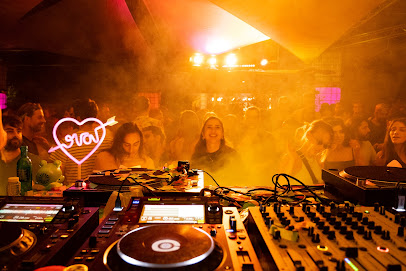
URBAN RAVE SPOT
29.9 km
Discover the ultimate nightlife experience at Urban Rave Spot in Frankfurt, where vibrant music and an exhilarating atmosphere await party enthusiasts.
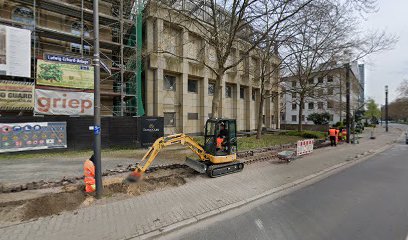
Bar Pracht - Frankfurt am Main
30.6 km
Discover the pulse of Frankfurt's nightlife at Bar Pracht, where the drinks flow and the dance floor beckons until dawn.
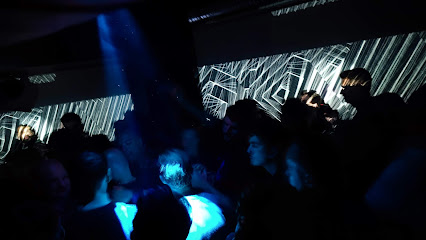
Club78
30.6 km
Experience the heart of Frankfurt's nightlife at Club78, where music, dancing, and unforgettable memories await every night.

Karlson
30.6 km
Discover the electrifying nightlife at Karlson, a premier disco club and cocktail bar in Frankfurt, where music and mixology unite for an unforgettable experience.
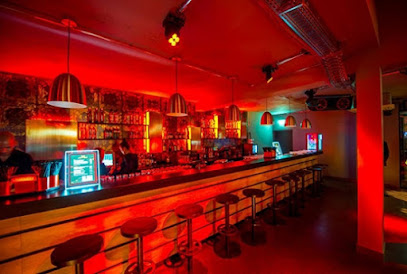
Sound FFM
30.7 km
Discover the thrilling nightlife of Sound FFM, Frankfurt's top night club offering electrifying music, vibrant atmosphere, and unforgettable experiences.
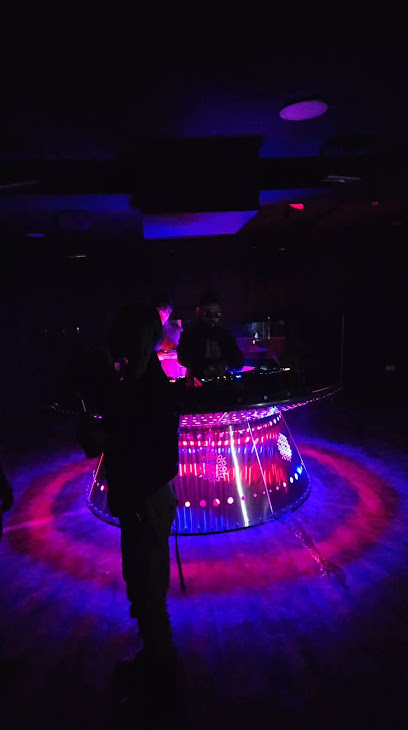
Pik Dame
30.8 km
Explore the dynamic nightlife of Frankfurt at Pik Dame, where cabaret meets a lively bar scene for unforgettable evenings.
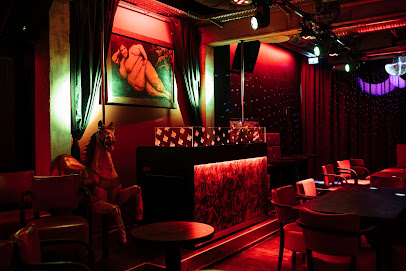
Erlebnisbar Pöbel & Gesox
30.9 km
Discover the electrifying nightlife of Frankfurt at Erlebnisbar Pöbel & Gesox, a vibrant night club offering unforgettable experiences and lively entertainment.
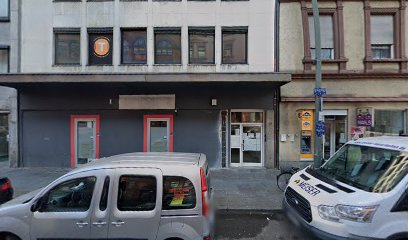
Najay's
30.9 km
Discover the ultimate nightlife experience at Najay's, Frankfurt's premier night club, where music and excitement come alive.
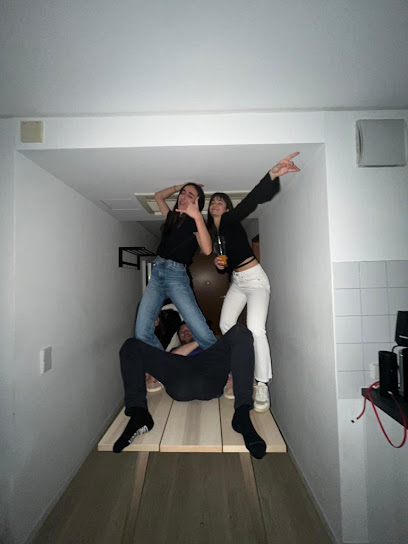
TOKONOMA
31.1 km
Discover the pulse of Frankfurt's nightlife at Tokonoma, a stylish night club offering vibrant music, dancing, and unforgettable experiences.
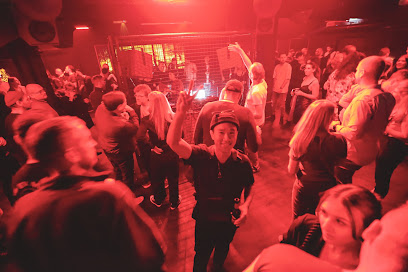
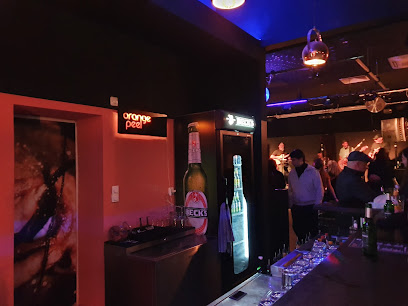
Orange Peel - Frankfurt am Main
31.1 km
Immerse yourself in the vibrant nightlife of Frankfurt at Orange Peel, a lively bar featuring exceptional live music and a welcoming atmosphere.