

Kurpark Travel Guide
Free Guide: Discover Wiesbaden's enchanting Kurpark, a serene English landscape garden offering tranquil escapes, vibrant cultural events, and a glimpse into the city's spa town history.


A brief summary of Kurpark
Discover Wiesbaden's enchanting Kurpark, a serene English landscape garden offering tranquil escapes, vibrant cultural events, and a glimpse into the city's spa town history.
Escape the city bustle in Wiesbaden's Kurpark, a meticulously landscaped English-style garden dating back to 1852. Stroll along charming paths, admire vibrant flowerbeds, and relax by serene ponds. The park boasts a rich history, hosting various events and festivals throughout the year. Key features include the iconic concert pavilion, where live music fills the air during warmer months, and various sculptures and art installations that reflect Wiesbaden's cultural heritage. Whether you seek a leisurely walk, a family picnic, or simply a peaceful atmosphere, Kurpark offers a delightful retreat. Don't miss the seasonal flower displays and the stunning views of the surrounding architecture.
Opening hours
- Every day5 am–11 pm
Opening hours as listed on the venue’s Google Business Profile. Hours can change for services and special events, so check with the venue before you go.
- Address
- Parkstraße 7, 65189 Wiesbaden
- Phone
- Website
Getting there
Walking
Public Transport
Driving
Discover more about Kurpark
Overview
Kurpark Wiesbaden, a sprawling 75,000 square meter park, offers a serene escape in the heart of the city. Conceived in the early 19th century and established in 1852 in the style of an English landscape garden, it extends from the Kurhaus near the city center to the edge of Sonnenberg. The park's design emphasizes natural beauty, featuring winding paths, lush lawns, and a diverse collection of trees and plants. Originally designed by court gardener Schweitzer alongside the Kurhaus construction (1808-1814), the park was smaller than its current size. The Rambach stream was dammed to create a pond, which even then offered boat trips. A viewing pavilion was added on Eiskeller hill, and more land was acquired in 1811 for additional planting areas. A significant redesign occurred in 1837/38 under Frankfurt city gardener Sebastian Rinz, who created a new path system and shifted the pond closer to Sonnenberger Straße, forming a peninsula with a tree grouping. The park's features include a large pond with a six-meter-high fountain, installed in 1855, and a diverse collection of trees, some of which are exotic. Several art objects and monuments are scattered throughout the park, including two portico sandstone columns from the old Kurhaus of 1810, now located at the 'Nizzaplätzchen,' and a bust of Fyodor Dostoevsky, commemorating his time as a visitor to the Wiesbaden casino, which inspired his novel 'The Gambler.' At the opposite end stands the Gustav Freytag monument. In 1907, the park was redesigned during the Kurhaus's reconstruction and thinned out in 1937. Recent years have seen the replacement of large trees with native species. The regularly planted flowerbed by the pond has been replaced with a low-maintenance rose field. While the rhododendron blooms have suffered from bud infestation, the magnolias still create a stunning floral display in early April. Historically, classical concerts were held every Sunday in the concert shell between the Kurhaus and the pond. In recent years, the park has also hosted pop concerts, including a performance by Sting in 2004. The park's history is intertwined with the Kurhaus, with daily concerts stipulated in a lease agreement from 1854. Visitors can enjoy boat rides on the pond, relax in the Lounge 1907, and explore the park's many attractions. The park offers a variety of recreational activities, from leisurely strolls to jogging on its expansive lawns and paths. The concert shell, adorned with ornaments, provides a stage for orchestras, with space for over 3,000 guests. The park also features accessible facilities, including wheelchair-friendly restrooms. Kurpark Wiesbaden is more than just a park; it's a living testament to the city's rich history and commitment to providing a tranquil and beautiful space for residents and visitors alike. Whether you're interested in history, nature, or simply a peaceful escape, Kurpark offers something for everyone. The park's blend of natural beauty, historical significance, and cultural events makes it a must-see destination in Wiesbaden. Throughout the year, Kurpark hosts various events and festivals that celebrate the changing seasons, making it a dynamic space for both locals and tourists alike. As you wander through Kurpark, you'll encounter several notable features, including the striking flower hall. The park is also home to various sculptures and art installations that tell the story of Wiesbaden's rich cultural heritage. Don't forget to take a moment to enjoy the stunning views of the surrounding hills and the picturesque architecture of nearby buildings. With its convenient opening hours from dawn till dusk, Kurpark is an ideal destination for a full day of exploration or a quick escape during your travels in Wiesbaden. While gambling was banned by Prussia from January 1, 1873, the spa facilities lost their main source of income. The newly introduced spa tax brought in less revenue and led to the spa park being fenced off in 1875. Ticket pavilions were also erected to collect the entrance fees. One of these ticket booths can still be seen today at the main entrance to the spa park.
Evendo Review Centre
 Google
Guest reviews
Explore Kurpark on the map
A handpicked selection of must-see spots near Kurpark, mapped for you.
Get your free copy of our complete guide to Kurpark, delivered straight to you.
Everything on this page, from opening hours and how to get there to Eve’s tips and the best time to go, in one PDF you can read offline, print or share.
Already have an account? Sign in
Your Kurpark guide is ready.
We'll send it to · Not you? Sign out

Getting your guide ready…
We are putting together a fresh copy of the Kurpark guide. This can take up to a minute.
This can take a few moments. If your browser asks, choose Allow so the download can start. You'll find the guide in your Downloads folder.
Nothing happened? Download it again
Sorry, the guide is taking longer than usual. Please try again in a minute, or get it by email instead.
Other nearby places you may find interesting
The closest places of the same kind, if this one is not quite what you had in mind.
-
-
-
-
-


Swipe for more places
More to explore near Kurpark

 Best experiences near Kurpark
 Best hotels near Kurpark
 Best landmarks near Kurpark
 Best attractions near Kurpark
 Best shops near Kurpark
 Best restaurants near Kurpark
 Best bars near Kurpark
Do you manage this location?
Take control to get all the benefits, like improved information, better appearance, and stronger visibility across AI-powered discovery.
Explore more
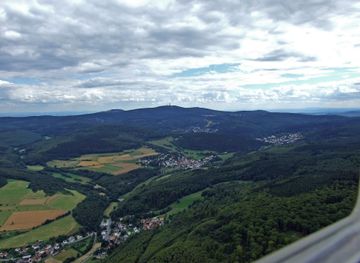
Explore more of Taunus
Discover the enchanting Taunus Mountains in Germany, where lush landscapes, historic towns, and cultural treasures await amidst serene natural beauty.
Explore Taunus
Explore more of Germany
Experience Germany: where history meets innovation, and urban energy blends with natural beauty. Discover diverse cultures, delicious cuisine, and stunning landscapes.
Explore Germany
