Background

Liebfrauenplatz: The Heart of Mainz

Experience the vibrant heart of Mainz at Liebfrauenplatz, a historic square where Romanesque architecture meets bustling markets, offering a taste of German culture and history.

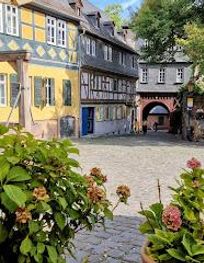
Liebfrauenplatz, the easternmost of Mainz's four squares surrounding the iconic Mainz Cathedral, is a vibrant hub steeped in history. Once home to the Liebfrauenkirche (Church of Our Lady), the square now showcases the church's outline in its cobblestone design, a poignant reminder of the past. Bordered by historical buildings like the Haus zum Römischen Kaiser, the square offers a blend of architectural styles from Romanesque to Classicism. Today, Liebfrauenplatz serves as a pedestrian zone, hosting a bustling farmer's market on select days and providing a space for locals and tourists alike to soak in the atmosphere. Its central location, proximity to the Rhine, and historical significance make it a must-see destination for any visitor to Mainz, offering a glimpse into the city's rich cultural heritage and lively present.

A brief summary to Liebfrauenpl.

  • Mainz, 55116, DE

Local tips

  • Visit on a Tuesday, Friday, or Saturday to experience the lively farmer's market and sample local produce.
  • Look for the outline of the former Liebfrauenkirche in the square's cobblestone pavement.
  • Enjoy a 'Marktfrühstück' (market breakfast) on Saturdays (spring to autumn) with local wine.
  • Explore the nearby Gutenberg Museum to learn about the history of printing.
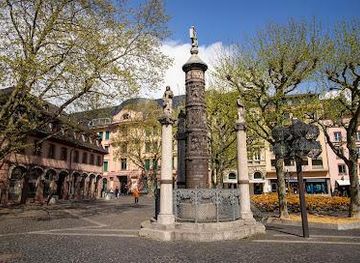
  • Take a moment to admire the Nagelsäule, a historic pillar adorned with nails, symbolizing Mainz's resilience.
widget icon

Getting There

  • Walking

    From Mainz Hauptbahnhof (main train station), Liebfrauenplatz is approximately a 15-20 minute walk. Exit the station and follow the signs towards the city center (Innenstadt). Walk straight along Bahnhofstrasse, which becomes Ludwigsstrasse. Continue until you reach Marktplatz, where you'll see the Mainz Cathedral. Liebfrauenplatz is located on the eastern side of the cathedral. Alternatively, follow the green signs to the Gutenberg Museum; Liebfrauenplatz is in front of the museum.

  • Public Transport

    From Mainz Hauptbahnhof, take tram lines 51, 52, or 53 to the 'Höfchen / Listmann' stop. From there, it's a short walk to Liebfrauenplatz. A single ticket costs €2.80. Alternatively, numerous buses stop at 'Höfchen / Listmann'. Check local transit schedules for the most up-to-date information.

  • Taxi/Ride-Share

    A taxi or ride-share from Mainz Hauptbahnhof to Liebfrauenplatz will take approximately 5-10 minutes, depending on traffic. The estimated fare is between €10-€15. Taxi stands are located outside the main exit of the train station. Ride-sharing services like Uber are also available in Mainz.

  • Driving

    If driving, follow signs towards the city center (Innenstadt) and Rathaus (city hall). Parking is available in the Parkhaus am Brand or Parkhaus Theater, both within a short walking distance of Liebfrauenplatz. Parking fees typically range from €2-€3 per hour.

Unlock the Best of Liebfrauenpl.

Buy tickets

    No tickets available

Book tours with entry

    No tours available

Book tours without entry

    No tours available

Discover more about Liebfrauenpl.

Liebfrauenplatz, a captivating square in the heart of Mainz, Germany, stands as a testament to the city's rich history and vibrant present. Situated adjacent to the magnificent Mainz Cathedral, this bustling plaza serves as a central gathering point, drawing locals and tourists alike into its historical embrace. Originally, Liebfrauenplatz was the site of the Liebfrauenkirche (Church of Our Lady), a significant medieval church dating back to 1069. This church, rebuilt several times after fires, dominated the square until it was tragically bombed during the Siege of Mainz in 1793. The new bishop could not save the church, and its stones were sold. In 1807, the church was demolished, giving rise to the much larger square that exists today. The outline of the former church is subtly marked in the square's pavement, offering a ghostly reminder of its presence. The square's transformation continued in 1829 with the construction of the Prussian Main Guardhouse on its southern edge. While the guardhouse lost its military function in 1902, its façade, meticulously restored in 2002, remains an integral part of the square's architectural ensemble. The square was further enlarged after the bombing of Mainz in World War II, creating the open and inviting space visitors experience today. Liebfrauenplatz is more than just a historical site; it's a living, breathing space that reflects the pulse of Mainz. On Tuesdays, Fridays, and Saturdays, the square comes alive with the vibrant colors and aromas of the farmer's market. Local vendors offer fresh produce, flowers, and regional specialties, creating a sensory feast for visitors. Adding to the convivial atmosphere, the 'Marktfrühstück' (market breakfast) takes place on Saturdays between spring and autumn, where members of the Mainz vintners association serve wine from their own production. The square is framed by a collection of notable buildings, each contributing to its unique character. The Mainz Cathedral, with its imposing presence, dominates the west side of the square. To the north, the Markthäuser (market houses) add a touch of local charm. On the south side, the Haus am Dom, incorporating the façade of the Prussian Main Guardhouse, stands as a reminder of the square's layered history. The northern side features the Haus zum Römischen Kaiser and Zum Roten Haus, both historic structures that add to the square's architectural diversity. Adding to the square's allure are several notable monuments and artistic features. The Nagelsäule, erected in 1916, stands as a symbol of Mainz's resilience and strength. A Renaissance fountain, once located in the courtyard of the König von England, adds a touch of elegance to the square. Four bronze plates by the Mainz artist Karl-Heinz Krause further enhance the square's artistic appeal. Liebfrauenplatz serves as a gateway to some of Mainz's most important cultural institutions. The Gutenberg Museum, dedicated to the life and work of Johannes Gutenberg, the inventor of movable type printing, is located just east of the square. The museum showcases the history of printing and bookmaking, offering visitors a fascinating glimpse into this transformative invention. The Haus zum Römischen Kaiser, a beautiful old building, is part of the Gutenberg Museum complex. Liebfrauenplatz is not only a feast for the eyes but also a hub for transportation. The square is easily accessible by public transportation, with several bus and tram lines stopping nearby. Its central location makes it a convenient starting point for exploring other attractions in Mainz. Visiting Liebfrauenplatz is an immersive experience that engages all the senses. The sights, sounds, and smells of the market, the architectural grandeur of the surrounding buildings, and the palpable sense of history create a unique and unforgettable atmosphere. Whether you're a history buff, an architecture enthusiast, or simply looking for a place to soak in the local culture, Liebfrauenplatz is a must-see destination in Mainz. Liebfrauenplatz offers a blend of historical grandeur and vibrant urban life, making it a must-see destination in this historic German city. The best time to visit Liebfrauenplatz is during the spring and summer months when the weather is pleasant, and the square is alive with activity. During the Christmas season, the square transforms into a festive scene with Christmas markets, adding a magical touch to the area. Liebfrauenplatz is a place where history comes alive, where the past and present intertwine, and where visitors can experience the true essence of Mainz. It's a place to wander, to explore, to discover, and to create lasting memories.

Popular Experiences near Liebfrauenpl.

Popular Hotels near Liebfrauenpl.

Select Currency