Fackelträger: A Controversial Landmark
A controversial sculpture on Maschsee Lake, the Fackelträger sparks debate about its Nazi-era origins and artistic intent, offering a thought-provoking landmark in Hanover.
The Fackelträger (Torchbearer) is a prominent sculpture located on the north shore of Maschsee Lake in Hanover. Erected in 1937, the 4.5-meter bronze statue atop an 18-meter pillar has sparked debate due to its creation during the Nazi era. Designed by Hermann Scheuernstuhl, the statue depicts a nude male figure holding a torch, which some interpret as a reference to the Hitler salute and the Olympic flame. Others argue that it draws inspiration from classical Greek sculptures and symbolizes strength and enlightenment. Regardless of its intended meaning, the Fackelträger remains a significant, if controversial, landmark, prompting reflection on art and its role in totalitarian regimes. The statue is a key point of interest within the Maschsee area, a popular recreational space offering walking trails, water activities, and scenic views. Its historical context and artistic ambiguity make it a compelling, though unsettling, attraction for visitors exploring Hanover's cultural landscape.
A brief summary to Fackelträger Maschsee-Nordufer
- Parkplatz, Rudolf-von-Bennigsen-Ufer 2, Hanover, Südstadt-Bult, 30169, DE
Local tips
- Take time to read the information panel near the statue, which provides historical context and different interpretations of its symbolism.
- Combine your visit with a walk or bike ride around Maschsee Lake to enjoy the scenic views and recreational activities.
- Visit the Sprengel Museum, located near the lake, to explore a collection of modern and contemporary art.

Getting There
-
Public Transport
From Hannover Hauptbahnhof (main train station), take bus line 100 or 200. These buses depart from the bus stops located directly outside the station. Get off at the 'Maschsee/Sportpark/Sprengel Museum' stop. From there, it's a short walk to the north shore of the lake and the Fackelträger. A single ride ticket within the Hannover zone costs approximately €3.60.
-
Walking
From Kröpcke, a central square in Hanover, head south towards the Lower Saxony State Museum. Continue along the road passing the museum on your right. Keep walking straight, and you will soon reach the north shore of Maschsee Lake, where the Fackelträger is located. The walk is approximately 20 minutes.
-
Taxi/Ride-Share
A taxi or ride-share from Hannover Hauptbahnhof to the Fackelträger at the north shore of Maschsee Lake will take approximately 10-15 minutes, depending on traffic. The estimated cost is between €12-€18.
-
Driving
If driving, use the address Rudolf-von-Bennigsen-Ufer 2, 30169 Hannover for your GPS. Parking is available along the Rudolf-von-Bennigsen-Ufer, but it can be limited, especially during events or on weekends. Parking fees typically range from €1-€2 per hour.
Discover more about Fackelträger Maschsee-Nordufer
Iconic landmarks you can’t miss

Fackelträger Maschsee-Nordufer
0.0 km
A controversial sculpture on Maschsee Lake, the Fackelträger sparks debate about its Nazi-era origins and artistic intent, offering a thought-provoking landmark in Hanover.
Mahnmal DERRY von H.-J. Breuste
0.2 km
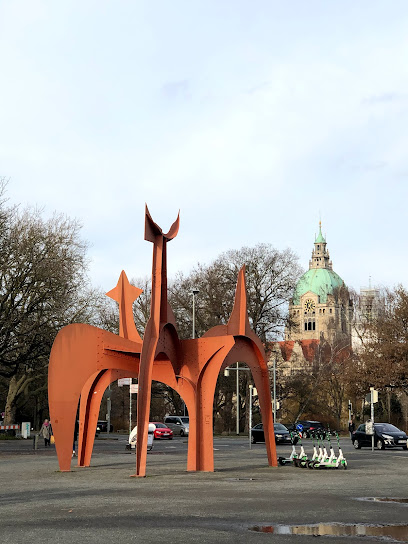
A poignant memorial in Hanover dedicated to the victims of the Northern Ireland conflict, fostering reflection on peace, reconciliation, and the human cost of violence.
Arthur-Menge-Ufer 3
0.3 km
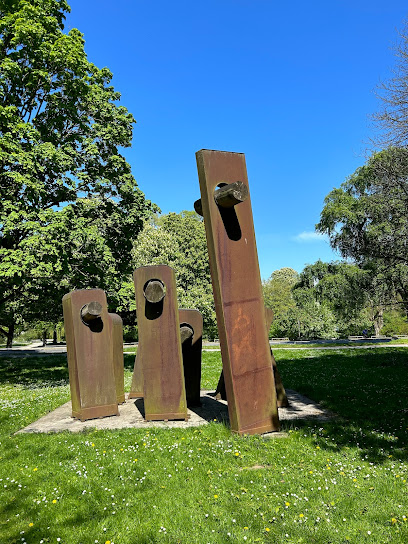
Explore Hannover's scenic Arthur-Menge-Ufer promenade: Lakeside views, recreation, and historical reflection on the shores of Maschsee, a vibrant destination for all.
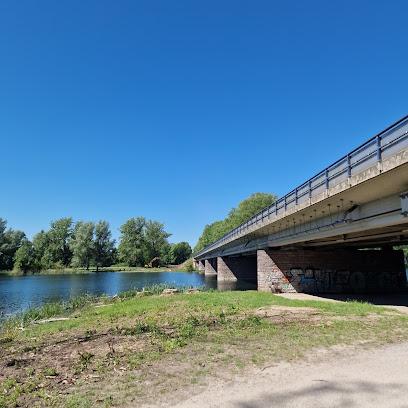
Denkmal Heinr. Schrader Bademeister zu Hannover
0.5 km
Honoring a Hanoverian hero: Discover the story of Diederich Heinrich Schrader, the 19th-century swimming instructor who saved 560 lives, at this modest yet meaningful monument.
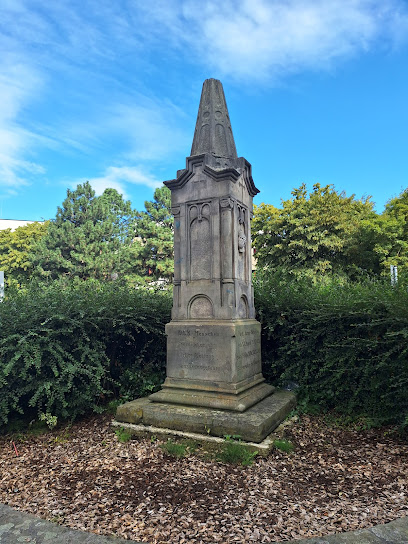
Laveshaus
0.7 km
Explore Laveshaus, an architectural masterpiece in Hanover, where history and beauty meet in stunning harmony.
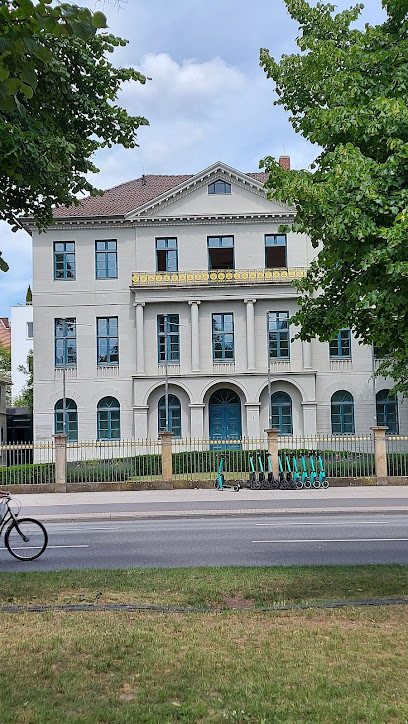
Göttingen Seven Monument
0.8 km
Explore the Göttingen Seven Monument in Hanover, a historic landmark celebrating the legacy of academic freedom and courage.
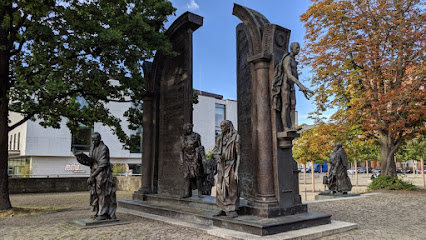
Open Grave, Hanover
0.8 km
Discover a peaceful oasis in Hanover's heart at Gartenfriedhof, a historic cemetery with notable graves, classic monuments, and the intriguing 'Open Grave'.
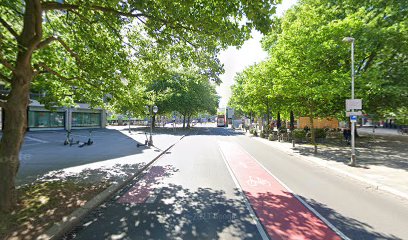
Waterlooplatz
0.8 km
Discover Waterlooplatz in Hanover: A historic square commemorating the Battle of Waterloo, now a vibrant public space hosting events and offering a green oasis in the city center.
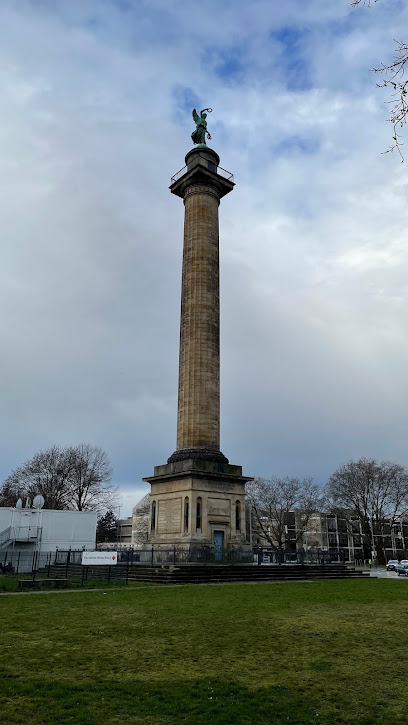
Leineschloss
0.9 km
Explore Hannover's Leineschloss: A historic palace turned parliament, blending centuries of royalty and political power in the heart of the city.
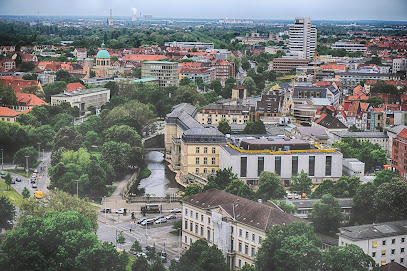
Old Town Hall
1.0 km
Discover Hannover's oldest secular building, the Altes Rathaus, a stunning example of North German Brick Gothic architecture in the heart of the historic Old Town.
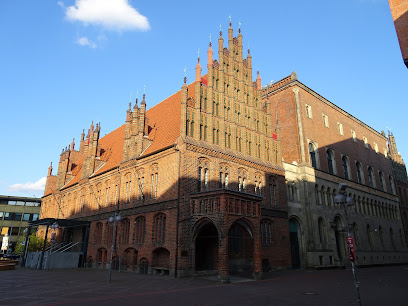
ATRIUM Altes Rathaus Hannover
1.0 km
Dine in the heart of Hanover's history at ATRIUM Altes Rathaus, where culinary excellence meets architectural grandeur in the city's oldest secular building, offering a unique and memorable experience.
Ihmeufer
1.0 km
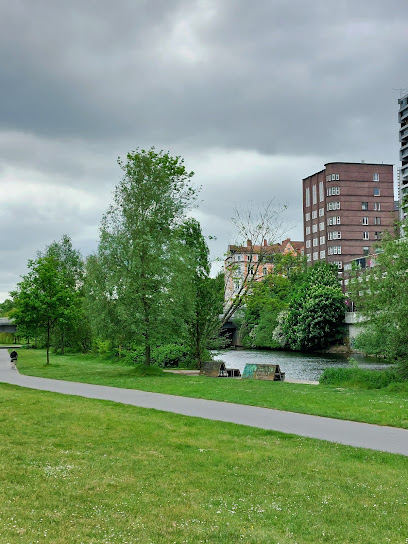
Discover Hanover's Ihmeufer: A riverside park offering tranquil escapes, scenic paths, and a vibrant community space in the heart of Linden-Limmer.
Broyhan Haus
1.0 km
Discover the authentic taste of Germany at Broyhan Haus, where every meal is a celebration of tradition and flavor in the heart of Hanover.
Memorial to the murdered Jews of Hanover
1.1 km
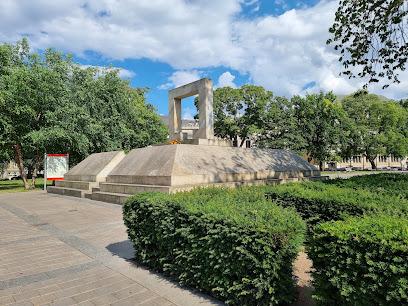
Discover the profound Memorial to the Murdered Jews of Hanover, a poignant cultural landmark reflecting on the city's history and the importance of remembrance.
Sitz Platz am Ihme
1.1 km
Escape to serenity at Sitz Platz am Ihme, a picturesque park in Hannover's Linden-Limmer, offering tranquil river views, lush landscapes, and a vibrant community atmosphere.

Unmissable attractions to see

Maschseefontäne, Hannover - Stadtwerke (1986)
0.2 km
Experience the tranquil beauty of Maschseefontäne, a stunning fountain in Hannover, set against the picturesque Maschsee lake and lush gardens.
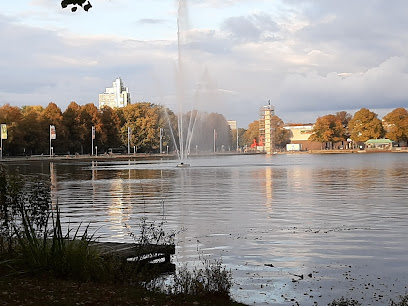
Landesmuseum Hannover
0.3 km
Explore the Landesmuseum Hannover, a cultural gem showcasing art, history, and nature in the heart of Hanover, perfect for every curious traveler.
Masch Park
0.4 km
Experience serenity and natural beauty at Masch Park, a lush urban oasis in Hanover, perfect for relaxation and recreation amidst vibrant landscapes.
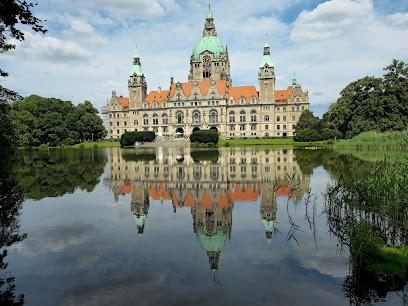
Geodetic reference point
0.4 km
Explore the Geodetic Reference Point in Hannover, a unique tourist attraction that symbolizes the precision of geography and the city's rich historical narrative.
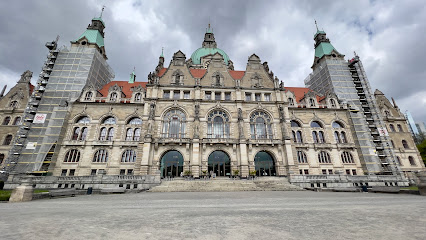
New Town Hall
0.5 km
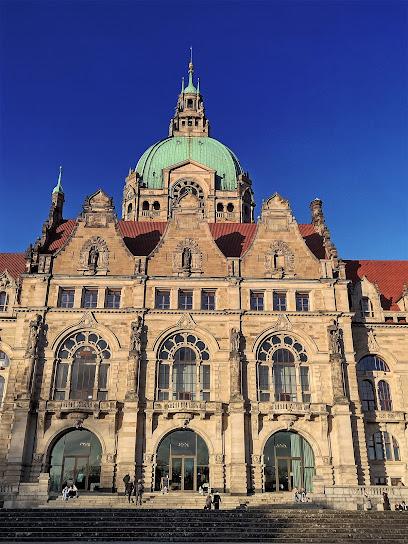
Explore the architectural marvel of Hanover's New Town Hall, a blend of history and beauty with stunning city views.
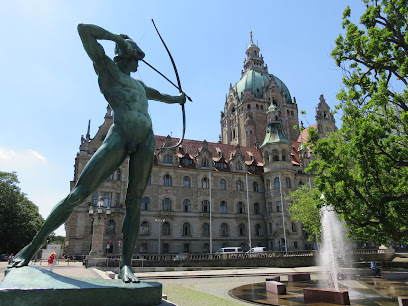
Klaus Bahlsen Fountain
0.6 km
Explore the Klaus Bahlsen Fountain in Hannover, a stunning blend of art and history, surrounded by vibrant public spaces and cultural attractions.
Museum August Kestner
0.6 km
Discover the fascinating world of art and history at Museum August Kestner in Hanover, showcasing diverse collections from ancient to modern times.
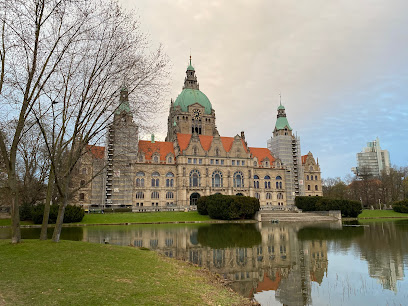
In Vent (Skulptur)
0.7 km
Discover 'In Vent', a striking sculpture in Hanover, blending modern art with urban vibrancy for an unforgettable tourist experience.
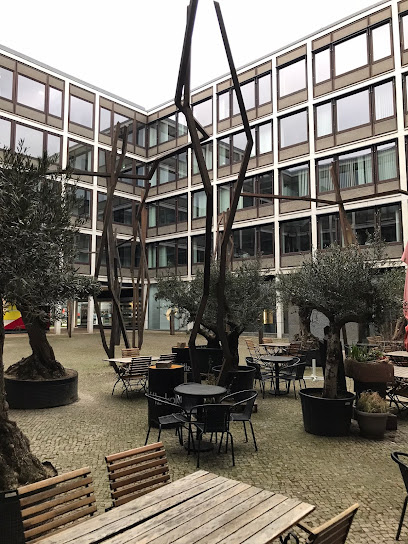
Aegidienwald (Kunstinstallation)
0.7 km
Explore Aegidienwald, a unique art installation in Hanover that beautifully blends history and nature in a serene environment perfect for reflection.
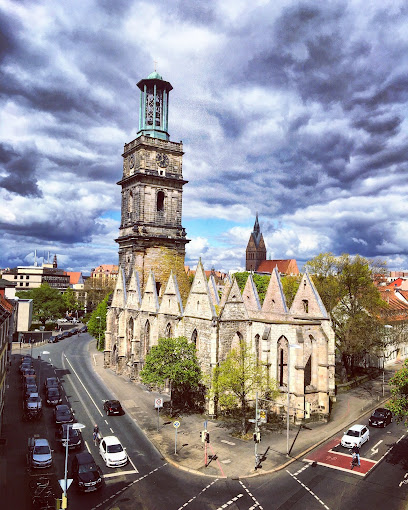
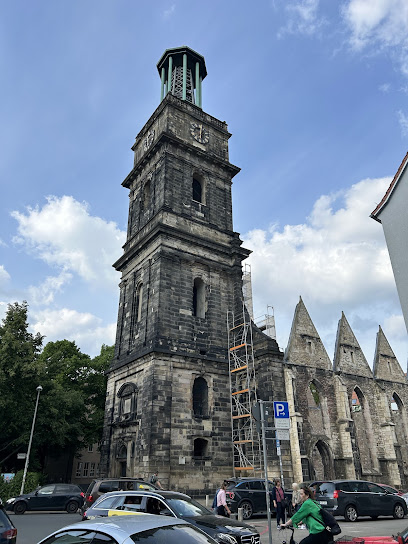
Aegidienkirche
0.7 km
Discover the haunting beauty of Aegidienkirche, a historical church in Hanover that embodies the city's rich heritage and resilient spirit.
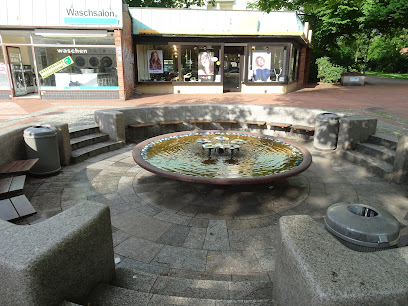
Constructa-Brunnen, Hannover - Konstanty Gutschow (1962)
0.8 km
Experience the captivating beauty of the Constructa-Brunnen in Hannover, a modern art fountain surrounded by serene landscapes.
Markthalle Hannover
0.8 km
Experience the flavor and culture of Hannover at Markthalle – a bustling marketplace filled with local produce, international delicacies, and artisanal crafts.
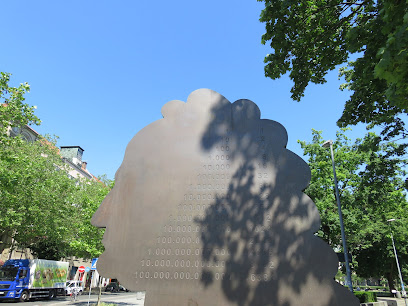
Leibniz statue
1.0 km
Explore the Leibniz Statue in Hanover, a captivating tribute to the philosopher and mathematician, surrounded by lush greenery and rich history.
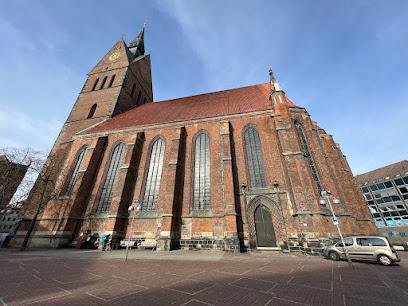
Marktkirche Hannover
1.0 km
Discover the historical and architectural wonders of Marktkirche Hannover, a stunning Gothic church in the heart of Hanover.
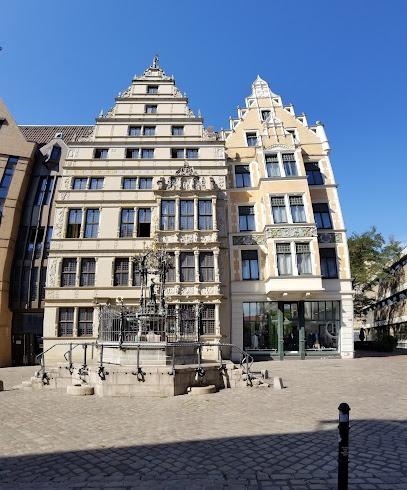
Leibniz House
1.1 km
Explore Leibniz House, a historic site in Hanover celebrating the life and legacy of philosopher Gottfried Wilhelm Leibniz, in the heart of the city.
Essential places to dine

Ständige Vertretung Hannover
0.6 km
Experience authentic German flavors at Ständige Vertretung Hannover - where tradition meets taste in every dish.
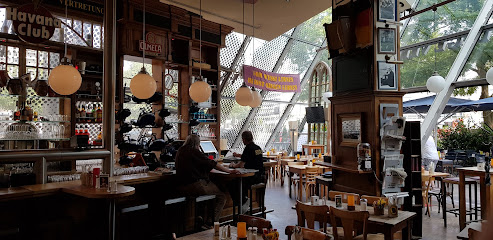
Das AbendMahl
0.6 km
Discover authentic Italian flavors at Das AbendMahl in Hanover - where every meal feels like a journey through Italy's rich culinary landscape.
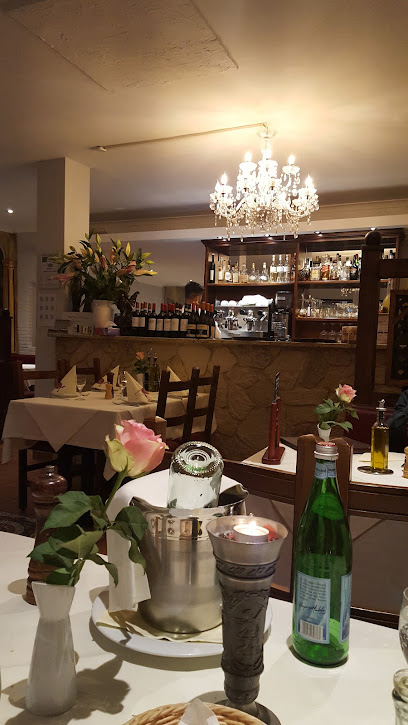
Meiers Lebenslust Restauration und Hausbrauerei
0.6 km
Discover the charm of traditional German cuisine at Meiers Lebenslust Restauration und Hausbrauerei in Hanover.
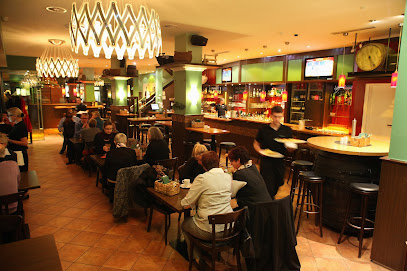
Ristorante Francesca
0.8 km
Experience authentic Italian cuisine at Ristorante Francesca in Hannover - where every dish tells a story of tradition and flavor.
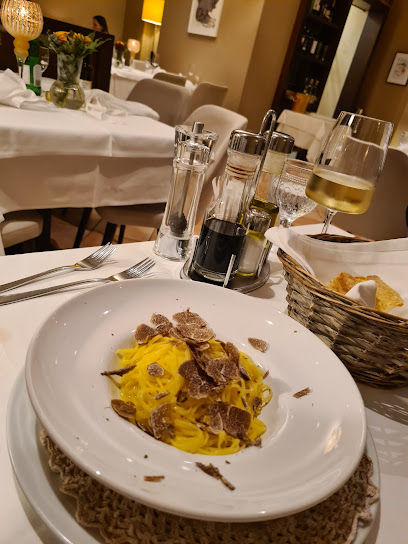
Mimi's Thai Kitchen
0.9 km
Experience authentic Thai flavors at Mimi's Thai Kitchen in Hanover - where every dish tells a story.
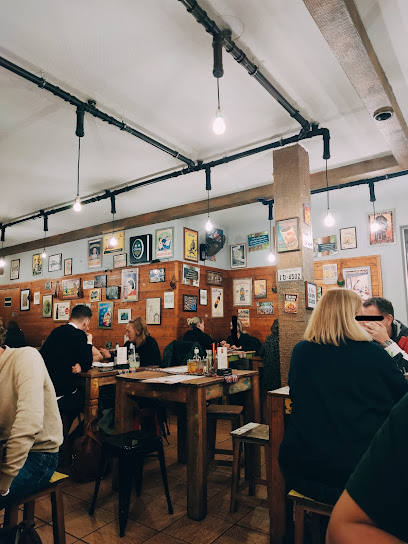
KUHnstWERK
0.9 km
Experience gourmet burgers at KUHnstWERK in Hannover – where taste meets creativity in every bite.
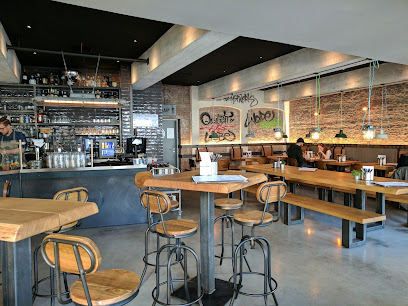
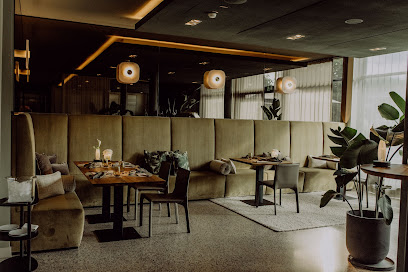
VOTUM
0.9 km
Experience exquisite fine dining at VOTUM in Hanover – where modern gastronomy meets elegant ambiance.
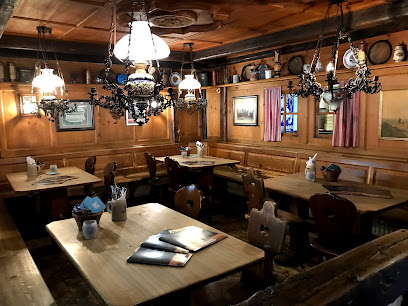
Bavarium Hannover
1.0 km
Experience authentic German cuisine and lively beer garden vibes at Bavarium Hannover - a culinary delight in the heart of Hanover.
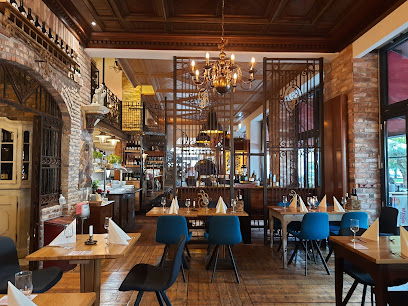
A´Mura
1.0 km
Experience authentic Italian cuisine at A'Mura in Hanover—where every dish tells a story.
Restaurant Grüpchen
1.1 km
Discover the rich flavors of Hanover at Restaurant Grüpchen - where local meets international cuisine in a cozy setting.
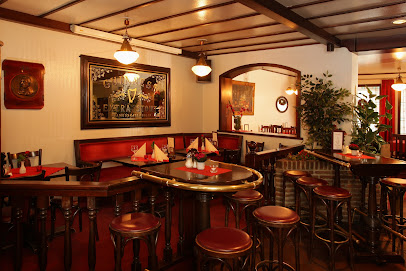
Pier 51 Restaurant
1.1 km
Experience authentic German cuisine with stunning riverside views at Hanover's Pier 51 Restaurant – a culinary gem worth exploring.
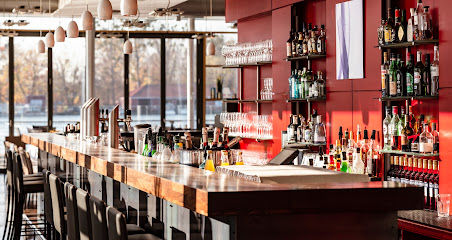
Beef and Reef - Hannover
1.1 km
Experience exceptional steak and seafood at Beef and Reef in Hannover – where culinary excellence meets vibrant atmosphere.
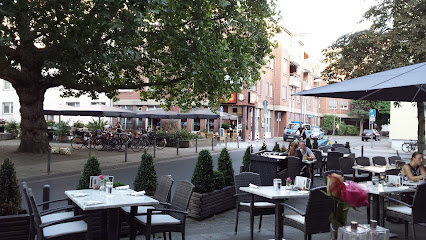
Pfannkuchen Haus
1.1 km
Experience delicious pancakes and authentic German cuisine at Pfannkuchen Haus in Hanover - a must-visit culinary destination.
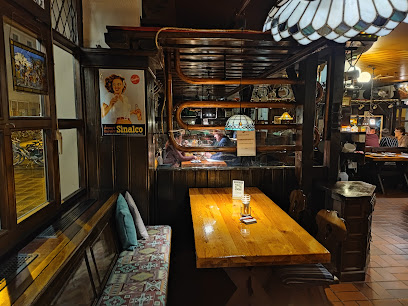
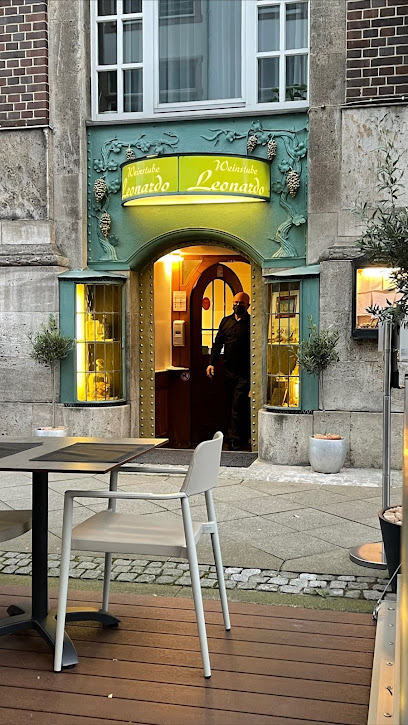
Ristorante Weinstube Leonardo
1.1 km
Discover authentic Italian flavors at Ristorante Weinstube Leonardo in Hanover – where every meal is a delightful culinary journey.
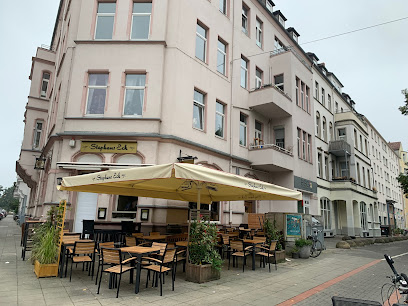
Stephans Eck - Restaurant Hannover Südstadt
1.2 km
Discover authentic German cuisine at Stephans Eck in Hannover’s Südstadt—where tradition meets modern culinary excellence.
Markets, malls and hidden boutiques

Hannover, Südstadt
0.7 km
Explore the vibrant world of goldsmithing in Hannover, Südstadt, where artistry meets tradition in stunning jewelry creations.
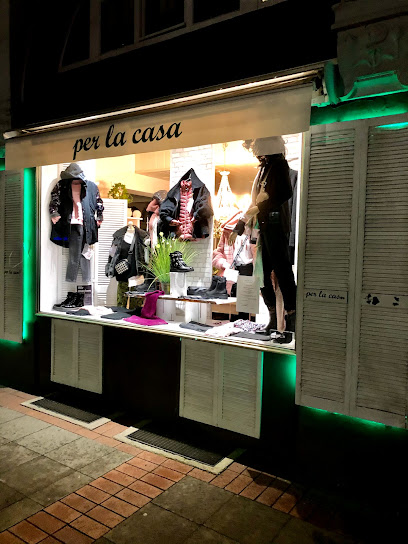
Per La Casa
0.9 km
Discover contemporary European fashion at Per La Casa, a chic clothing store in Hanover's vibrant Südstadt-Bult district.
Schönenberger
0.9 km
Explore Schönenberger in Hanover for a unique fashion experience with curated styles and personalized service in a chic boutique setting.
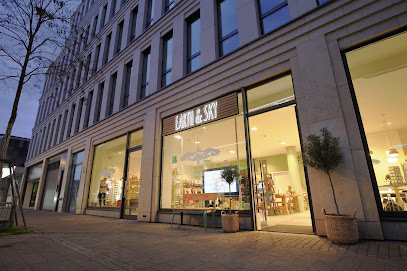
Earth & Sky - the green shop GmbH
0.9 km
Shop sustainably at Earth & Sky, Hanover's premier eco-friendly gift shop featuring unique clothing and thoughtful gifts.
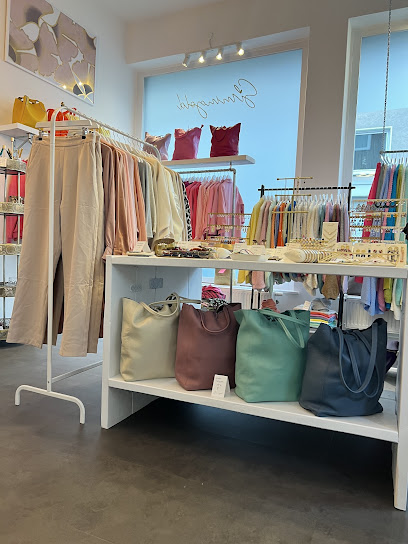
Simmgold Hannover
1.0 km
Explore Simmgold Hannover, a chic women's clothing store offering the latest trends and timeless styles in a trendy atmosphere.
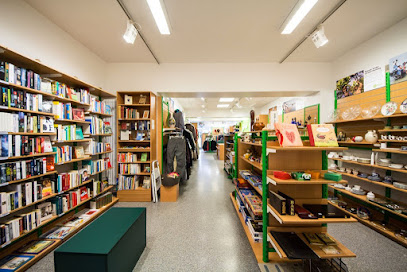
Oxfam Shop Hannover
1.0 km
Explore Oxfam Shop Hannover for unique thrift finds - clothing, accessories, and books that support global charity efforts.
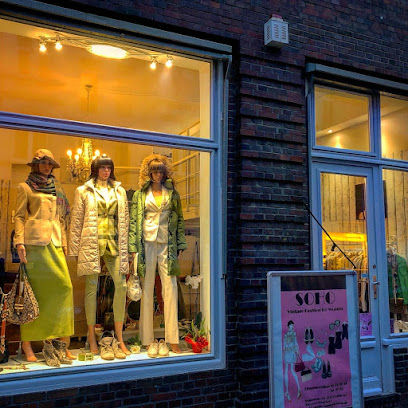
SOHO Second-Hand & Neuware
1.0 km
Explore a curated collection of pre-loved fashion at SOHO Second-Hand & Neuware in Hanover, where every piece has a story to tell.
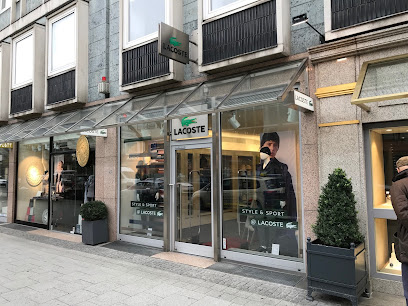
Lacoste
1.0 km
Explore fashion at Lacoste in Hannover - a stylish destination for men's, women's, and children's clothing, accessories, and footwear.
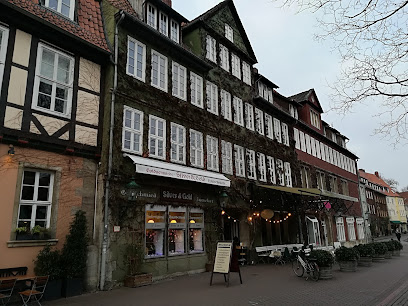
Souvenirs & Geschenkartikel Inh. Lutz Wedekind
1.1 km
Explore unique souvenirs and gifts at Souvenirs & Geschenkartikel in Hanover, the perfect stop for capturing memories of your travels.
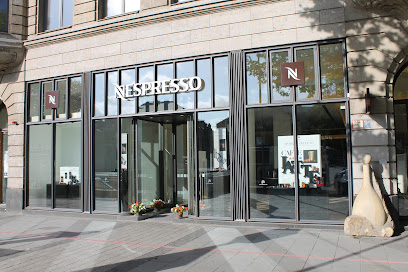
Nespresso Boutique Hannover
1.1 km
Explore the elegance of coffee at Nespresso Boutique Hannover, where premium blends and expert guidance await every coffee enthusiast.
nooks.lieblingsdinge
1.1 km
Discover Nooks Lieblingsdinge in Hanover for unique gifts, books, and home supplies that capture the essence of local culture and craftsmanship.
Esterella
1.1 km
Explore sustainable fashion at Esterella, Hannover's beloved used clothing store for women and children, offering unique styles at affordable prices.
Marie Jo Modeboutique
1.2 km
Explore the elegance of men's fashion at Marie Jo Modeboutique in Hannover, where style meets quality in a charming boutique atmosphere.
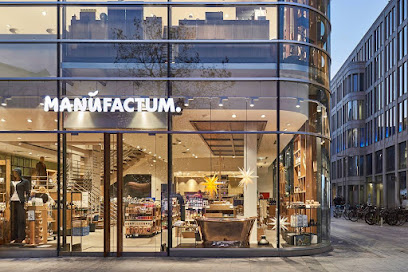
Manufactum Warenhaus
1.2 km
Explore the charm of Hannover at Manufactum Warenhaus, where quality and craftsmanship come together in a delightful shopping experience.
AUST Fashion Hannover - Kröpcke Center
1.2 km
Discover unique styles at AUST Fashion Hannover, located in the vibrant Kröpcke Center, where contemporary fashion meets local charm.
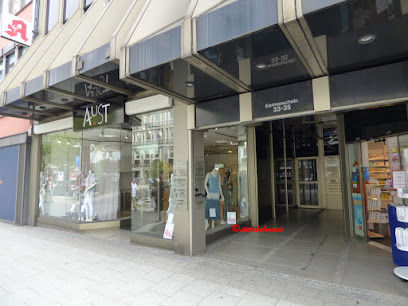
Essential bars & hidden hideouts

Bolero Island
0.3 km
Experience the lively atmosphere and unique drinks at Bolero Island, Hanover's vibrant bar for tourists and locals alike.
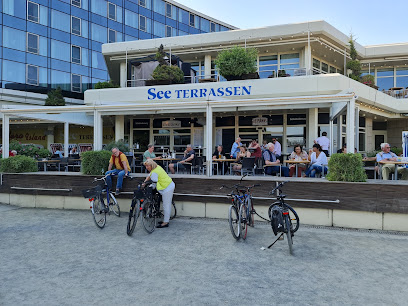
Hannover's Wohnzimmer
0.6 km
Discover the cozy charm of Hannover's Wohnzimmer, a bar that captures the vibrant spirit of Hanover's nightlife with delightful drinks and a welcoming atmosphere.
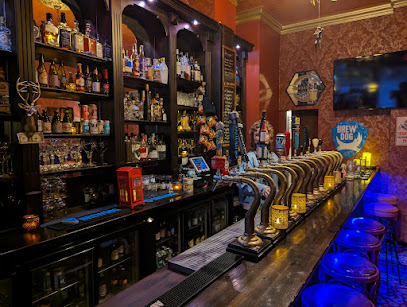
Südstadttreff
0.7 km
Experience the vibrant local culture at Südstadttreff, a charming pub in Hanover's Südstadt-Bult district, offering great drinks and a warm atmosphere.
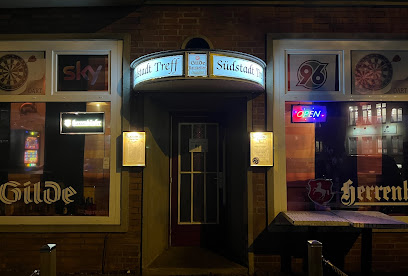
Cafe & Bar Celona Hannover Südstadt
0.8 km
Discover the perfect blend of coffee, cocktails, and cuisine at Café & Bar Celona in Hannover's lively Südstadt district.
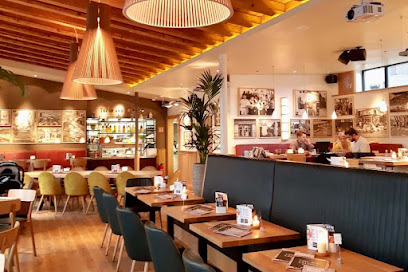
Schöne Aussichten 360° Beachclub Hannover
0.9 km
Discover the lively Schöne Aussichten 360° Beachclub in Hannover, where vibrant ambiance meets stunning views and refreshing drinks for a perfect getaway.
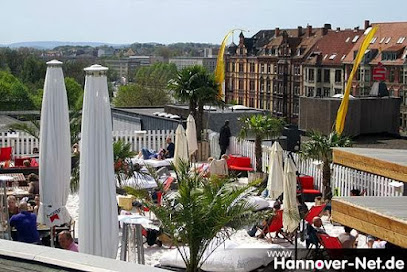
Dublin Inn
1.0 km
Experience the warmth of Irish hospitality at Dublin Inn, where traditional food, drinks, and sports come together in Hanover's lively atmosphere.
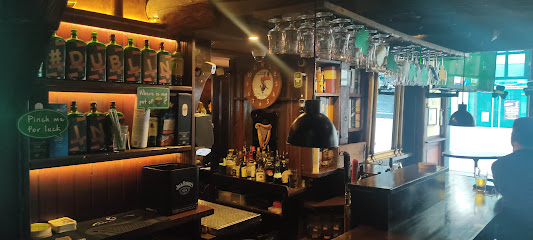
Oscar's Bar - Hannover
1.0 km
Discover the lively atmosphere of Oscar's Bar in Hannover, where exceptional cocktails meet a welcoming pub experience for all visitors.
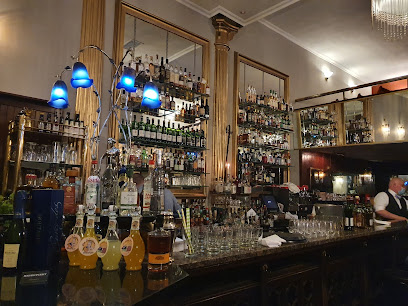
Barfuß Bar
1.0 km
Experience the vibrant nightlife of Hanover at Barfuß Bar, where great drinks and a lively atmosphere await every visitor.
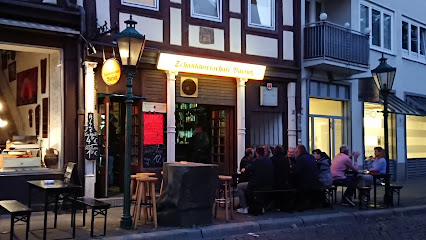
Schateke
1.1 km
Discover the flavors of Germany at Schateke, a cozy pub in Hanover-Mitte offering traditional dishes and a fine selection of local beers.
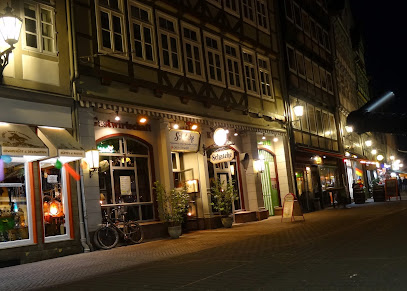
Alt Hanovera Irish Pub
1.1 km
Discover the authentic Irish pub experience at Alt Hanovera, where great food, drinks, and live music create memorable moments in Hannover.
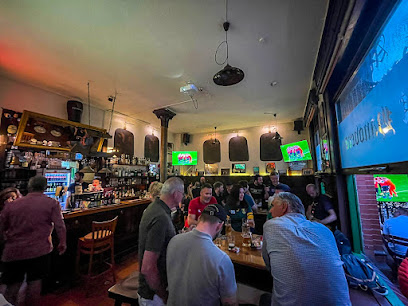
Craft Bier Bar Hannover
1.1 km
Discover the vibrant craft beer culture at Craft Bier Bar Hannover, where every sip tells a story of passion and flavor.
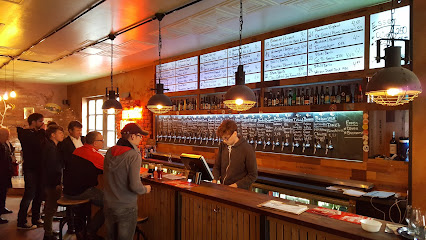
Bar Seña
1.1 km
Discover Hannover's nightlife at Bar Seña, where exquisite cocktails meet a chic lounge atmosphere for an unforgettable evening.
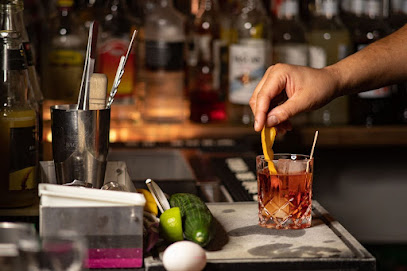
My Way Altstadt
1.1 km
Savor the essence of Hanover at My Way Altstadt, where gourmet burgers, artisanal pizzas, and vibrant cocktails come together in a lively atmosphere.
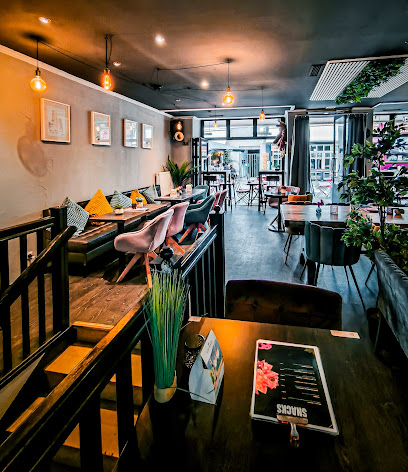
Brauhaus Ernst August
1.2 km
Experience the best of Hanover at Brauhaus Ernst August, a lively gastropub offering delicious food, local beers, and vibrant live music.
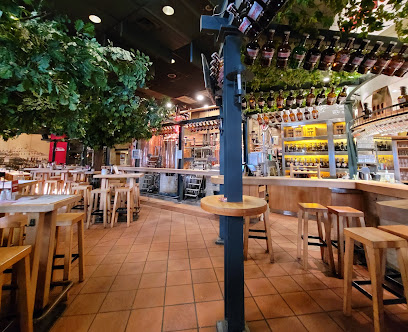
Goldfisch Bar
1.2 km
Discover the lively Goldfisch Bar in Hanover - your go-to spot for cocktails, delicious bites, and a vibrant atmosphere.
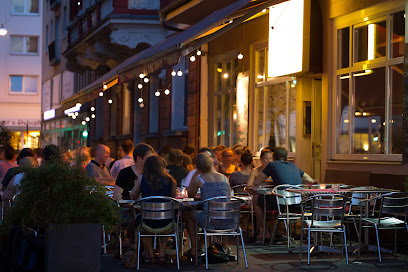
Nightclubs & after hour spots

Infinity Club
0.8 km
Discover the electrifying nightlife at Infinity Club, the ultimate destination for dancing, cocktails, and karaoke in Hannover.
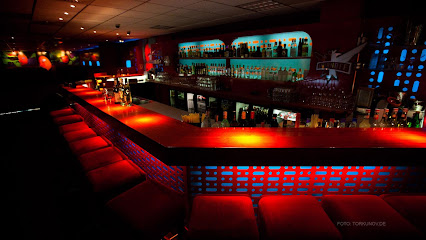
Lux Club Linden
1.4 km
Discover the pulsating nightlife of Hannover at Lux Club Linden, a premier destination for live music and unforgettable dance experiences.
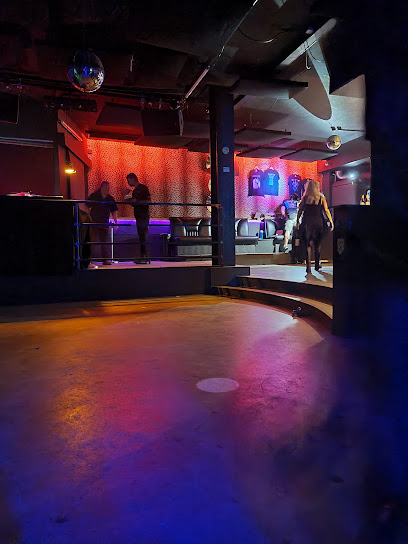
Kulturpalast Linden e.V.
1.4 km
Discover the heart of Hanover's nightlife at Kulturpalast Linden, a cultural center offering music, dance, and vibrant community events.
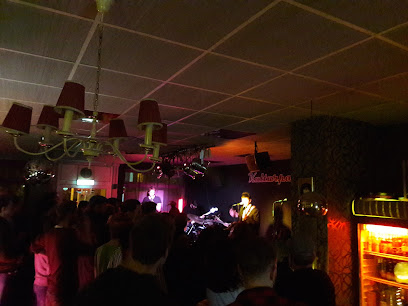
Bamboo Club - Hannover
1.4 km
Bamboo Club in Hannover: Where exhilarating nightlife meets vibrant beats for an unforgettable experience.
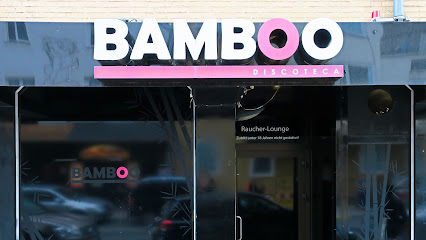
Capitol Hannover
1.4 km
Discover the lively atmosphere of Capitol Hannover, a premier night club and concert hall in the heart of Hanover's nightlife scene.
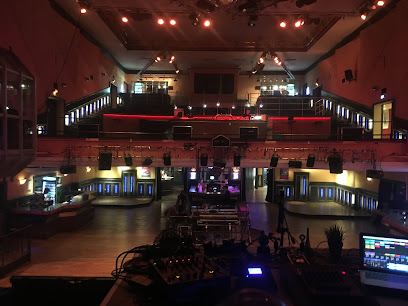
Sun Fu GmbH Eve Club & Lounge - Hannover
1.4 km
Discover the electrifying nightlife at Sun Fu GmbH Eve Club & Lounge, Hannover's premier destination for unforgettable parties and stylish gatherings.
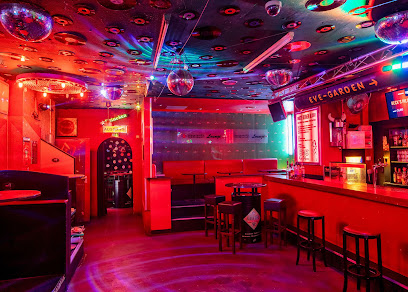
Havana Club Steintor - Hannover
1.4 km
Discover the energetic nightlife of Hannover at Havana Club Steintor, where vibrant music meets a lively crowd for an unforgettable experience.
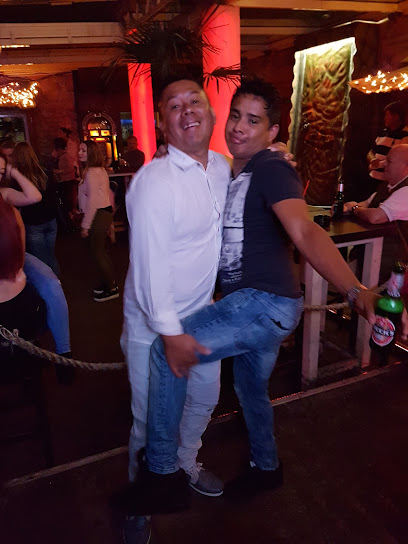
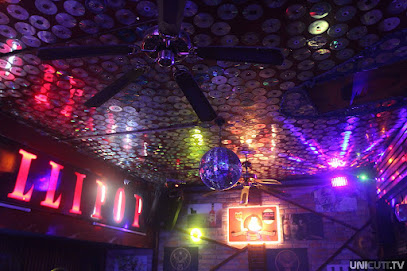
Lollipop
1.4 km
Discover Lollipop, Hanover's ultimate night club, where the music is vibrant, the drinks are refreshing, and the nights are unforgettable.
California club hannover steintor
1.4 km
Experience the vibrant nightlife of Hanover at California Club, a premier disco club and bar for unforgettable late-night adventures.
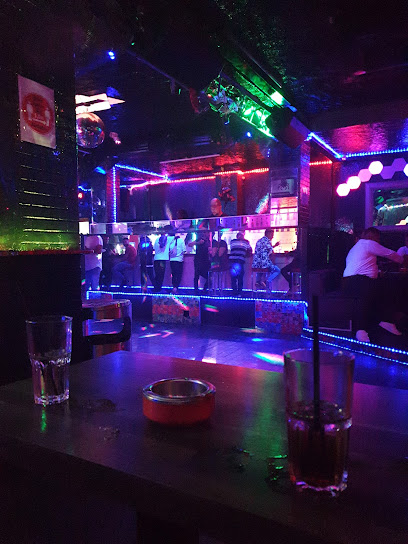
Kiez Club
1.4 km
Experience the vibrant nightlife at Kiez Club in Hanover, where electrifying music and an energetic atmosphere come together for unforgettable nights.
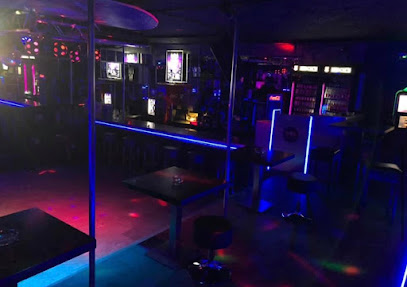
Sansibar Hannover GmbH
1.4 km
Immerse yourself in Hanover's nightlife at Sansibar, the ultimate disco club and bar experience with electrifying music and vibrant ambiance.
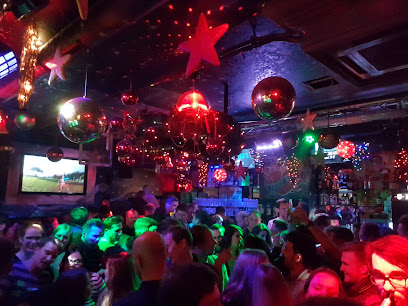
Lady Lux Tabledance
1.5 km
Discover the vibrant nightlife at Lady Lux Tabledance, Hanover's premier destination for adult entertainment and thrilling performances.
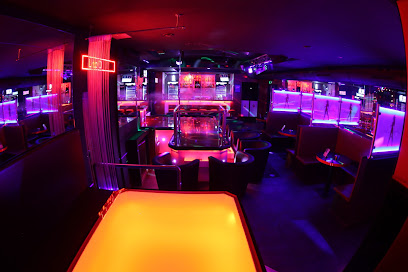
HAVANA DANCE CLUB
1.5 km
Dive into the rhythmic heart of Hannover at Havana Dance Club, where Latin music and vibrant dance come alive every night.
Jazz over Hannover
1.5 km
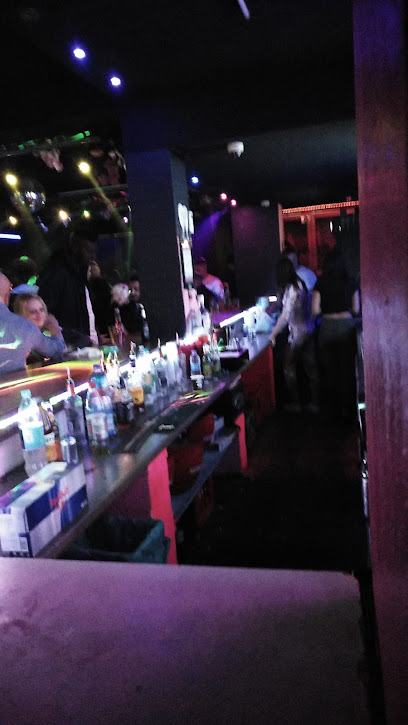
Discover the soulful rhythms of jazz at Jazz Over Hannover, where local and international artists bring the vibrant music scene to life.
Puerto Rico Club - Hannover
1.7 km
Discover the vibrant energy and diverse crowd at Puerto Rico Club - Hannover's hottest disco club for unforgettable nights.