Siegfriedbrunnen, Palatinate Travel Guide
Discover the legendary Siegfriedbrunnen in Worms, a captivating fountain that brings the epic Nibelungenlied to life, nestled near historic landmarks and cultural treasures.
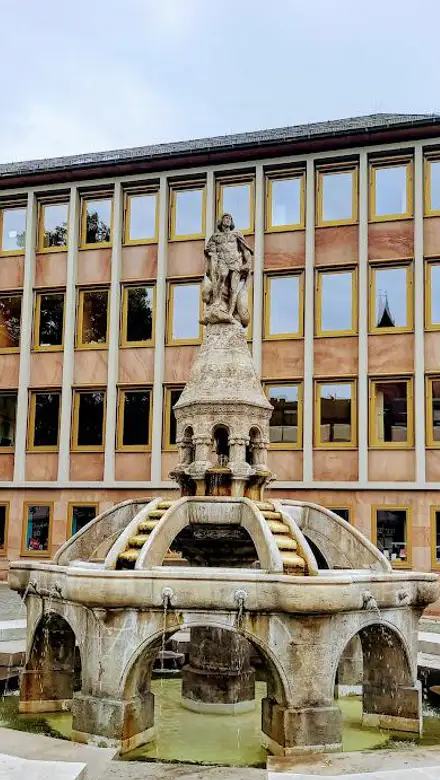
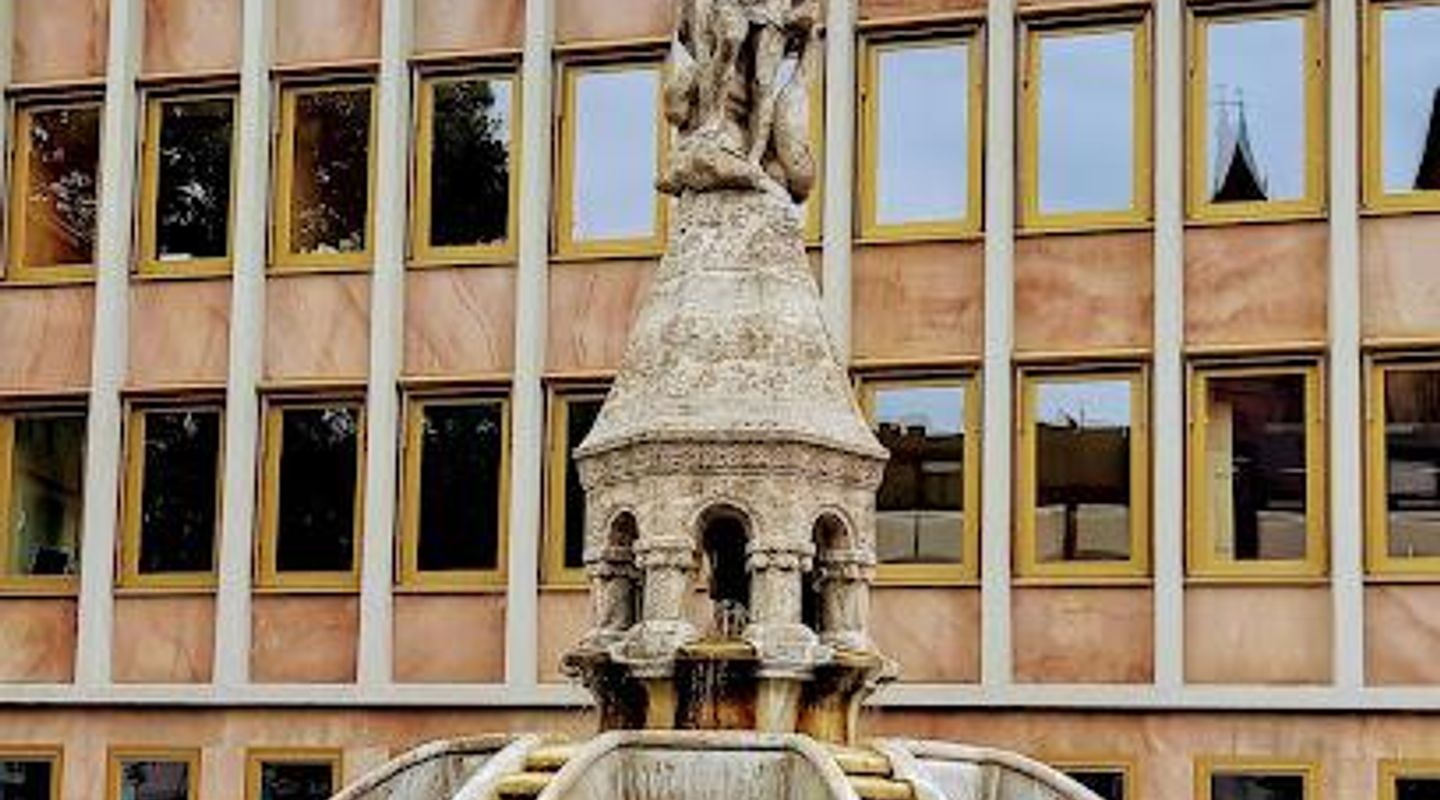
The Siegfriedbrunnen, a captivating fountain in Worms, Germany, commemorates Siegfried, the dragon-slaying hero of the Nibelungenlied. Erected in 1921, the fountain stands near the Holy Trinity Church, a testament to Worms' rich history and mythological connections. Designed by Adolf von Hildebrand, the fountain features a seven-sided structure crowned with a statue of Siegfried, sword in hand. It serves as a focal point in the city, drawing visitors to admire its artistry and learn about the epic tales of the Nibelungen saga. The fountain's location on Hagenstraße, close to the market square, makes it easily accessible and a popular spot for both locals and tourists. Its intricate details and historical significance make it a must-see attraction in Worms, offering a glimpse into the city's cultural heritage and artistic achievements. The Siegfriedbrunnen is more than just a fountain; it's a symbol of Worms' identity and its enduring connection to the legendary world of the Nibelungenlied.
A brief summary to Siegfriedbrunnen
- Hagenstraße 4, Worms, 67547, DE

Know before you go
Hi, I'm Eve. Here are a few practical things to know before exploring Siegfriedbrunnen.
- Visit the Siegfriedbrunnen during the weekly market (usually on Saturdays) to experience the local atmosphere and enjoy regional products.
- Combine your visit to the fountain with a tour of the nearby Worms Cathedral and the Nibelungen Museum for a comprehensive historical experience.
- Take a stroll along Hagenstraße to explore the charming shops and cafes in the vicinity of the Siegfriedbrunnen.
Do you manage this location?
Take control to get all the benefits, like improved information, better appearance, and stronger visibility across AI-powered discovery. Learn more about listing your business on Evendo
Activate your presenceOther nearby places you may find interesting
The closest places of the same kind, if this one is not quite what you had in mind.



Explore Siegfriedbrunnen on the Map
A handpicked selection of must-see spots near Siegfriedbrunnen, mapped for you.
Unlock the Best of Siegfriedbrunnen
Buy tickets
-
No tickets available
Book tours with entry


Book tours without entry
-
No tours available
Getting There
-
Walking
From the Worms Hauptbahnhof (main train station), the Siegfriedbrunnen is approximately a 20-25 minute walk. Head north on Bahnhofstraße, then turn left onto Wilhelm-Leuschner-Straße. Continue onto Kämmererstraße, a pedestrian zone. Follow Kämmererstraße to the Marktplatz. The Siegfriedbrunnen is located on Hagenstraße, adjacent to the Marktplatz and the Holy Trinity Church.
-
Public Transport
From Worms Hauptbahnhof, take bus line 405, 407, or 410 towards the city center. Get off at the 'Worms, Marktplatz' stop. The Siegfriedbrunnen is a short walk from the Marktplatz, located on Hagenstraße next to the Holy Trinity Church. A single bus fare is approximately €2.50.
-
Taxi/Ride-Share
A taxi or ride-share from Worms Hauptbahnhof to the Siegfriedbrunnen will take approximately 5-10 minutes, depending on traffic. Expect to pay around €8-€12. The drop-off point is Hagenstraße, right next to the fountain.
-
Driving
If driving, navigate to Hagenstraße 4, 67547 Worms. Limited short-term parking (30 minutes) is available on Hagenstraße. Longer-term parking is available at the 'Parkhaus Am Dom' located a short walk away. Parking fees at Parkhaus Am Dom are approximately €1.50 per hour.
Discover more about Siegfriedbrunnen













Your all‑in‑one travel companion app
Explore expert travel guides, compare and book tours, experiences, hotels, and more—all from the palm of your hand. Download now for seamless trip planning wherever your wanderlust takes you.


Explore More of Palatinate
Looking beyond Siegfriedbrunnen? Discover Palatinate for broader travel guides, local hot-spots, and regional highlights.
Explore Palatinate
Discover a serene park in Heidelberg dedicated to Johann Wolfgang von Goethe, offering a tranquil escape with artistic installations, picturesque views, and a celebration of literary heritage.

Cross the iconic Kurpfalzbrücke in Mannheim for stunning skyline views, connecting vibrant neighborhoods and offering easy access to the city's cultural heart.