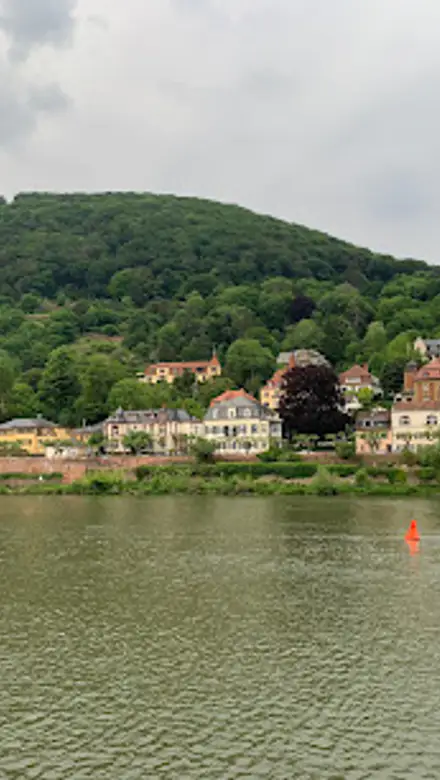
Heiligenberg, Heidelberg Travel Guide
Free Guide: Explore Heidelberg's Heiligenberg: A historic mountain offering Celtic ruins, Roman temples, medieval monasteries, and panoramic city views.


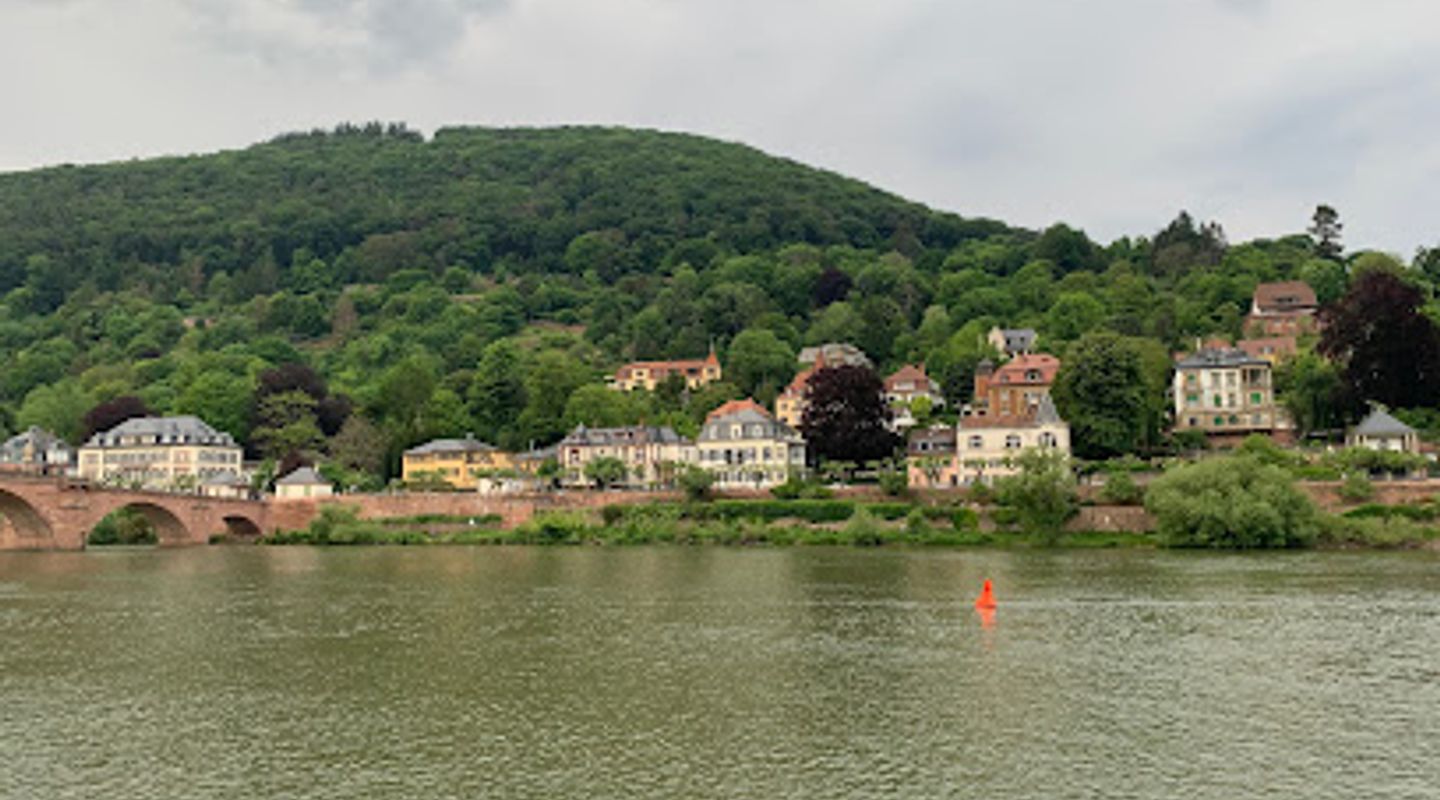
A brief summary of Heiligenberg
Explore Heidelberg's Heiligenberg: A historic mountain offering Celtic ruins, Roman temples, medieval monasteries, and panoramic city views.
Escape the city bustle and ascend Heiligenberg, Heidelberg's 'Holy Mountain,' a site steeped in millennia of history and legend. Rising across the Neckar River from the Old Town, this wooded peak offers panoramic views and a journey through time. Explore the remnants of a Celtic hill fort, a Roman temple, medieval monasteries, and the controversial Thingstätte, an open-air theater from the Nazi era. Hike the Celtic Trail, discover the mysterious Heidenloch, and enjoy the unique flora and fauna thriving in this temperate microclimate. Whether you're drawn to ancient history, spiritual sites, or breathtaking vistas, Heiligenberg promises a memorable experience just a stone's throw from Heidelberg's city center.
- Address
- 69121 Heidelberg
Getting there
Walking
Public Transport
Driving
Discover more about Heiligenberg
Overview
Heiligenberg, or 'Holy Mountain', offers a captivating blend of natural beauty and historical intrigue, rising 440 meters above the Neckar River opposite Heidelberg's Old Town. This wooded summit has been a significant site for millennia, with archaeological evidence of human presence dating back to 5500-5100 BCE. Its strategic location and commanding views have made it a focal point for various cultures and civilizations, each leaving their mark on the landscape. Celtic tribes established a double-walled hill fort here in the first millennium BCE, transforming the mountain into a political, religious, and cultural center. Traces of these fortifications, including the remnants of circular ramparts, can still be seen today, offering a glimpse into the lives of the early inhabitants. The 'Bittersbrunnen,' a restored water source from this era, provides a tangible link to the Celtic past. During the Roman period, the Heiligenberg transitioned into a sacred precinct, with temples and shrines dedicated to deities like Mercury. The foundations of a Roman temple lie beneath the ruins of St. Michael's Monastery, a testament to the mountain's enduring spiritual significance. The Romans appear to have occupied the site until around 600 CE. In the Middle Ages, the Heiligenberg became a center of monastic life. Lorsch Abbey established the first church in the 9th century, followed by the construction of St. Michael's Monastery in 1023. The ruins of this early Romanesque basilica, with its impressive towers and crypt, evoke a sense of medieval grandeur. St. Stephen's Monastery, founded later, was eventually razed, but its stones were used to construct the Heiligenberg Tower, a 19th-century lookout point offering stunning views. The 'Heidenloch,' a 55-meter-deep pit of unknown origin, adds an element of mystery to the Heiligenberg. Theories range from a Celtic sacrificial pit to an unfinished medieval well, fueling local legends and sparking the imagination. In the 20th century, the Heiligenberg acquired a darker chapter in its history with the construction of the Thingstätte, an open-air theater built by the Nazis in the 1930s. This imposing amphitheater, designed to accommodate thousands of spectators, was intended for propaganda events and celebrations of Nazi ideology. Today, the Thingstätte stands as a protected cultural monument, a reminder of a tumultuous period in German history. The Heiligenberg's unique microclimate supports a diverse range of flora and fauna, including Mediterranean species like almond, fig, and sweet chestnut trees. The Philosophenweg (Philosopher's Walk) on the southern slope offers picturesque views of the mountain and its historical landmarks. Today, the Heiligenberg is a popular destination for hikers, history enthusiasts, and nature lovers. The Celtic Trail, a circular hiking path, connects the various historical sites, providing an immersive journey through the mountain's rich past. The Waldschenke beer garden offers a welcome respite, with traditional German food and drink served in a rustic setting. Visiting the Heiligenberg is an opportunity to step back in time, explore ancient ruins, and enjoy breathtaking views of Heidelberg and the surrounding landscape. Whether you're interested in Celtic history, Roman temples, medieval monasteries, or the legacy of the Nazi era, the Heiligenberg offers a compelling and thought-provoking experience. The mountain's enduring appeal lies in its ability to connect visitors with the past while providing a tranquil escape from the modern world. The Heiligenberg Geopoint, designated in 2012, provides information about the geology and culture of the area, with information boards and hiking trails starting from the central hikers' car park. The Kurpfälzisches Museum in Heidelberg also features exhibits on the Heiligenberg's history and archaeological finds.
Evendo Review Centre
 Google
Guest reviews
Explore Heiligenberg on the map
A handpicked selection of must-see spots near Heiligenberg, mapped for you.
Get your free copy of our complete guide to Heiligenberg, delivered straight to you.
Everything on this page, from opening hours and how to get there to Eve’s tips and the best time to go, in one PDF you can read offline, print or share.
Already have an account? Sign in
Your Heiligenberg guide is ready.
We'll send it to · Not you? Sign out

Getting your guide ready…
We are putting together a fresh copy of the Heiligenberg guide. This can take up to a minute.
This can take a few moments. If your browser asks, choose Allow so the download can start. You'll find the guide in your Downloads folder.
Nothing happened? Download it again
Sorry, the guide is taking longer than usual. Please try again in a minute, or get it by email instead.
Other nearby places you may find interesting
The closest places of the same kind, if this one is not quite what you had in mind.
-
-
-
-
-


Swipe for more places
More to explore near Heiligenberg

 Best experiences near Heiligenberg
 Best hotels near Heiligenberg
 Best landmarks near Heiligenberg
 Best attractions near Heiligenberg
 Best shops near Heiligenberg
 Best restaurants near Heiligenberg
 Best bars near Heiligenberg
Do you manage this location?
Take control to get all the benefits, like improved information, better appearance, and stronger visibility across AI-powered discovery.
Explore more

Explore more of Heidelberg
Discover Heidelberg, Germany's romantic gem on the Neckar River, where historic charm, stunning landscapes, and vibrant culture create an unforgettable travel experience.
Explore Heidelberg
Explore more of Germany
Experience Germany: where history meets innovation, and urban energy blends with natural beauty. Discover diverse cultures, delicious cuisine, and stunning landscapes.
Explore Germany