Theodor-Heuss-Brücke, Heidelberg Travel Guide
Experience Heidelberg's heart and history on the Theodor-Heuss-Brücke, connecting the Altstadt and Neuenheim with stunning views of the castle, river, and literary mural.
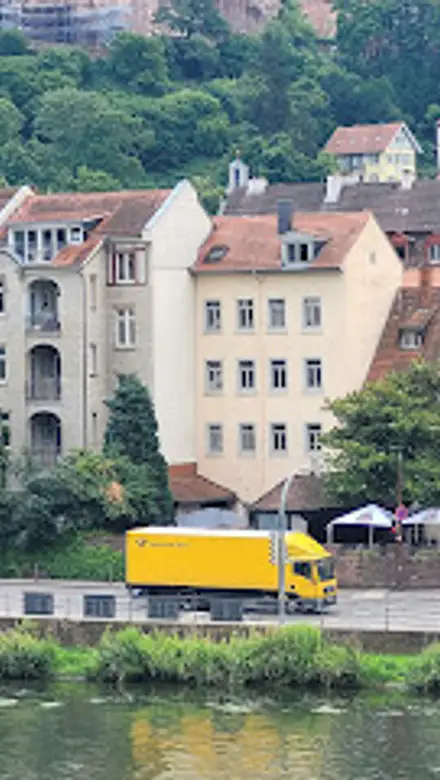
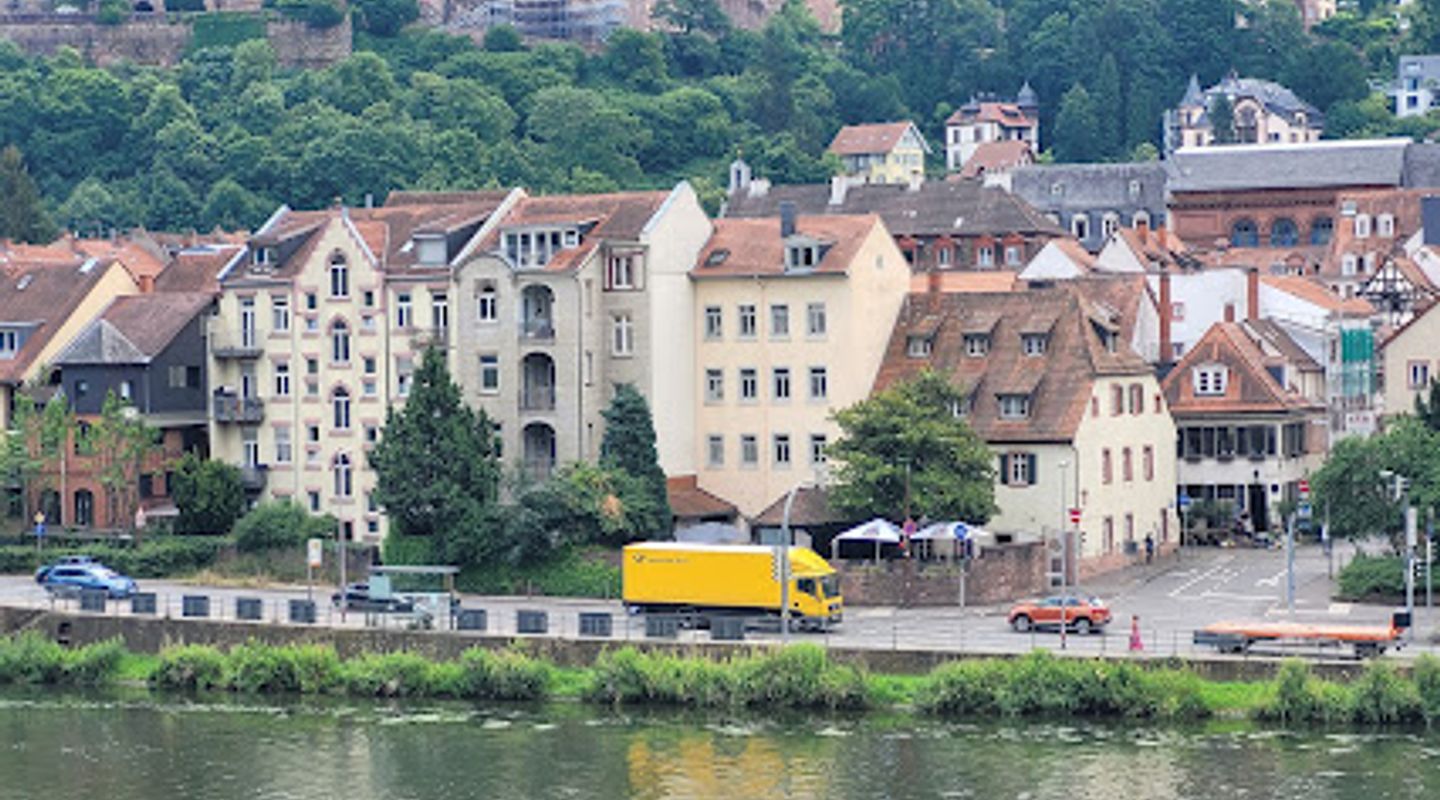
The Theodor-Heuss-Brücke, Heidelberg's most central bridge, gracefully spans the Neckar River, connecting the historic Altstadt (Old Town) with the Neuenheim district. More than just a crossing, it's a vital artery for the city, carrying pedestrians, cyclists, cars, and trams. Named after Theodor Heuss, the first President of the Federal Republic of Germany, the bridge offers stunning panoramic views of Heidelberg Castle, the Altstadt, and the surrounding hills. Rebuilt in 1992, it stands as a testament to Heidelberg's resilience, replacing earlier structures that dated back to Roman times. The bridge is not only a functional element of the city but also a popular spot for leisurely strolls, photography, and enjoying the vibrant atmosphere of Heidelberg. Its central location makes it easily accessible and a must-see landmark for any visitor exploring the city's rich history and scenic beauty. The bridge also features a mural dedicated to Heidelberg as a UNESCO City of Literature, adding a cultural dimension to its appeal.
A brief summary to Theodor-Heuss-Brücke
- Heidelberg, 69117, DE

Know before you go
Hi, I'm Eve. Here are a few practical things to know before exploring Theodor-Heuss-Brücke.
- Visit during sunset for breathtaking views of Heidelberg Castle and the Neckar River bathed in golden light.
- Take a leisurely stroll across the bridge to soak in the atmosphere and enjoy panoramic views of the city.
- Look for the mural dedicated to Heidelberg as a UNESCO City of Literature on the side of the bridge.
- Combine your visit with a walk along the Neckar Riverbanks or a trip to the Philosophenweg for even more scenic views.
- Check out the nearby cafes and restaurants in Neuenheim for a relaxing break with a view of the bridge and the Altstadt.
Do you manage this location?
Take control to get all the benefits, like improved information, better appearance, and stronger visibility across AI-powered discovery. Learn more about listing your business on Evendo
Activate your presenceOther nearby places you may find interesting
The closest places of the same kind, if this one is not quite what you had in mind.
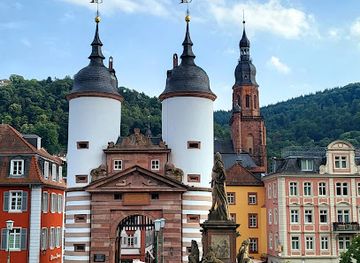
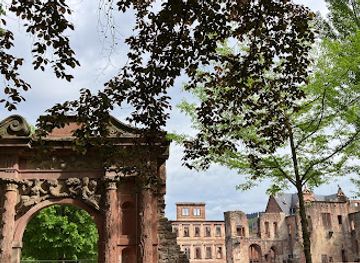
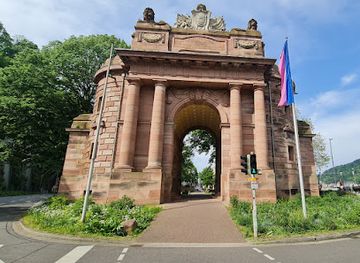
Explore Theodor-Heuss-Brücke on the Map
A handpicked selection of must-see spots near Theodor-Heuss-Brücke, mapped for you.
Unlock the Best of Theodor-Heuss-Brücke
Buy tickets
-
No tickets available
Book tours with entry
-
No tours available
Book tours without entry


Getting There
-
Walking
From Bismarckplatz, a central hub in Heidelberg's Altstadt, head north towards the Neckar River. Walk along Sofienstraße until you reach the bridge entrance. The walk is straightforward and takes about 5-10 minutes, offering views of the city center along the way.
-
Public Transport
Several tram and bus lines stop directly at or near Theodor-Heuss-Brücke. From Heidelberg Hauptbahnhof (main train station), take tram lines 5 or 26 to the 'Bismarckplatz' stop, then follow the walking directions. Alternatively, bus line 34 stops directly at 'Theodor-Heuss-Brücke'. A single ticket within Heidelberg costs approximately €2.60.
-
Taxi/Ride-Share
A taxi or ride-share from Heidelberg Hauptbahnhof to Theodor-Heuss-Brücke typically costs between €10-€15, depending on traffic. The journey takes around 5-10 minutes. Taxis are readily available at the train station.
-
Parking
Parking near Theodor-Heuss-Brücke is available at Parkhaus Nordbrückenkopf (Uferstraße 5, 69120 Heidelberg). The parking garage is located on the Neuenheim side of the bridge, near the Philosophenweg. Hourly rates start at €2.50, and daily rates are around €20. A public toilet is located under the Theodor-Heuss-Brücke, opposite the parking garage entrance.
Discover more about Theodor-Heuss-Brücke













Your all‑in‑one travel companion app
Explore expert travel guides, compare and book tours, experiences, hotels, and more—all from the palm of your hand. Download now for seamless trip planning wherever your wanderlust takes you.


Explore More of Heidelberg
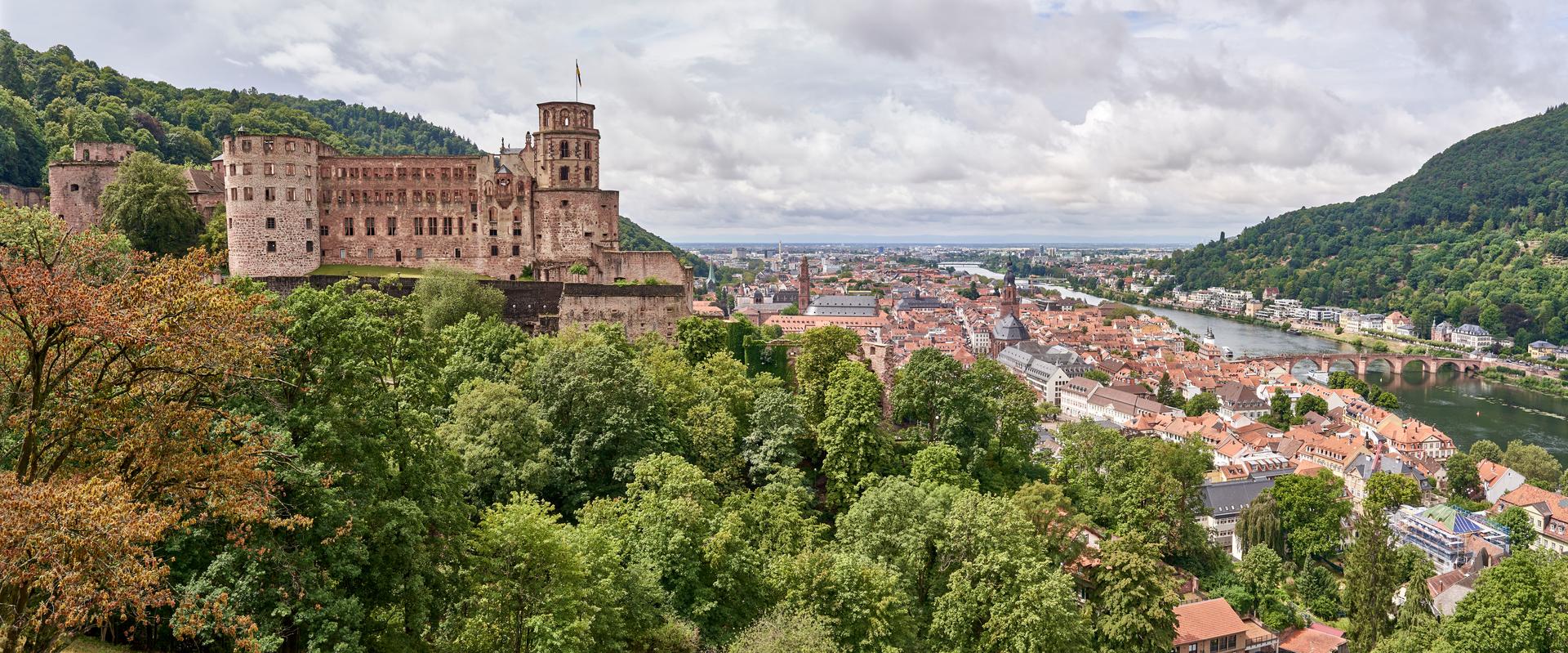
Looking beyond Theodor-Heuss-Brücke? Discover Heidelberg for broader travel guides, local hot-spots, and regional highlights.
Explore Heidelberg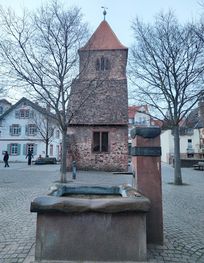
A whimsical fountain in Heidelberg's charming Neuenheim district, offering a delightful respite with playful frog sculptures and a tranquil atmosphere on the vibrant Ladenburger Straße.

Discover the vibrant Butterfly Mural in Heidelberg, a stunning street art piece by Mantra raising awareness about biodiversity loss as part of the METROPOLINK festival.