
Heidelberg Palace, Heidelberg Travel Guide
Explore the majestic ruins of Heidelberg Palace, a symbol of German Romanticism, and discover centuries of history, stunning architecture, and breathtaking views overlooking the Neckar Valley.
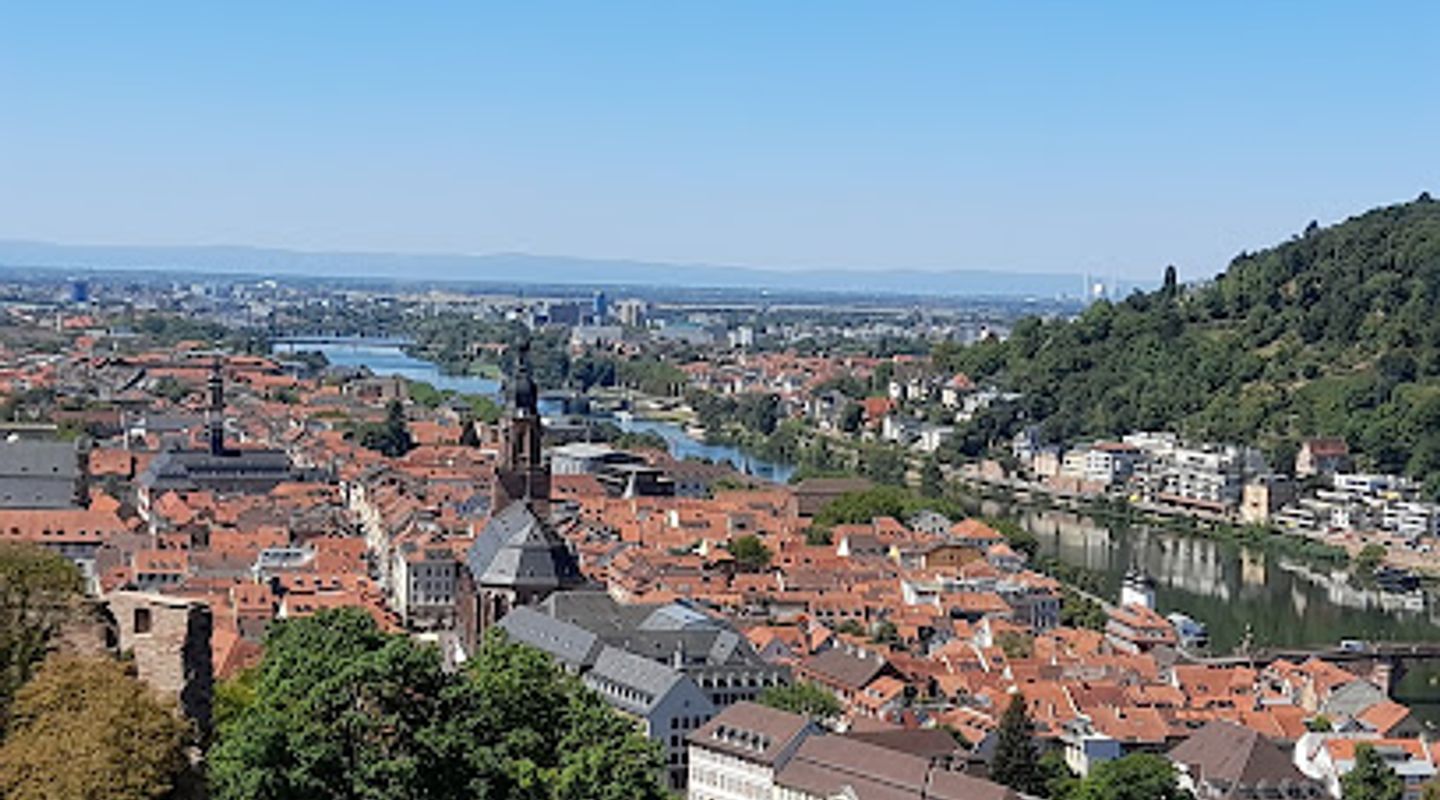
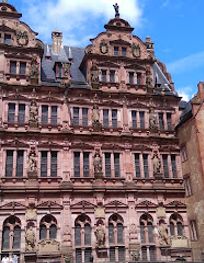
Heidelberg Palace, a captivating blend of Gothic and Renaissance architecture, stands majestically overlooking the Neckar Valley. Once home to the Palatine Counts and Electors, this iconic landmark boasts a rich history spanning centuries. Though largely in ruins due to war and natural disasters, the palace exudes an undeniable romantic charm, drawing visitors from around the globe. Explore the impressive courtyard, marvel at the intricate facades of the Friedrichsbau and Ottheinrichsbau, and descend into the depths of the barrel cellar to witness the world's largest wine barrel. Wander through the gardens, offering breathtaking views of Heidelberg's Old Town and the surrounding landscape. A visit to Heidelberg Palace is a journey through time, offering a glimpse into the lives of royalty and the enduring power of art and architecture.
A brief summary to Heidelberg Palace
- Schlosshof 1, Heidelberg, Heidelberger Altstadt, 69117, DE
- Click to display
- Click to display
- Monday 9 am-6 pm
- Tuesday 9 am-6 pm
- Wednesday 9 am-6 pm
- Thursday 9 am-6 pm
- Friday 9 am-6 pm
- Saturday 10 am-6 pm
- Sunday 9 am-6 pm

Know before you go
Hi, I'm Eve. Here are a few practical things to know before exploring Heidelberg Palace.
- Purchase a combination ticket that includes entry to the palace and a round-trip ride on the Bergbahn funicular for convenient access and cost savings.
- Wear comfortable shoes, as exploring the palace grounds involves walking on uneven surfaces and climbing stairs.
- Check the schedule for guided tours in English to gain a deeper understanding of the palace's history and architecture.
- Visit during the off-season (spring or fall) to avoid crowds and enjoy a more peaceful experience.
- Bring a camera to capture the stunning views of Heidelberg's Old Town and the Neckar Valley from the palace gardens.
Do you manage this location?
Take control to get all the benefits, like improved information, better appearance, and stronger visibility across AI-powered discovery. Learn more about listing your business on Evendo
Activate your presenceOther nearby places you may find interesting
The closest places of the same kind, if this one is not quite what you had in mind.
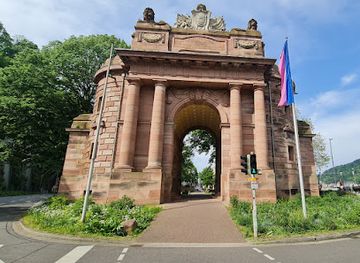
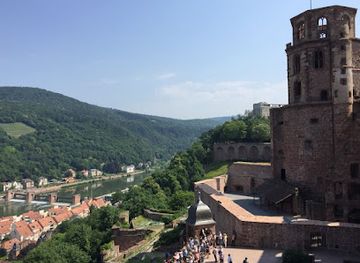
Explore Heidelberg Palace on the Map
A handpicked selection of must-see spots near Heidelberg Palace, mapped for you.
Unlock the Best of Heidelberg Palace
Buy tickets
-
No tickets available
Book tours with entry


Getting There
-
Public Transport
From Heidelberg Hauptbahnhof (main train station), take bus line 33 or 20 to the 'Bergbahn' stop (€3). From there, transfer to the Heidelberger Bergbahn funicular. A 'Castle ticket' (€11 for adults, €5.50 reduced) includes round trip on the lower funicular line (Kornmarkt-Castle), entrance to the castle courtyard, the Great Tun, and the German Apothecary Museum. Alternatively, from Bismarckplatz, take bus 36 directly to Molkenkur (€3) and transfer to the upper funicular line. A Panorama ticket (€16 round trip for adults, €8 reduced) covers both funicular sections and castle entry.
-
Walking
From Heidelberg's Altstadt (Old Town), follow the Burgweg path uphill from Kornmarkt, next to the Rathaus (town hall). The walk takes approximately 20-30 minutes and offers scenic views. Note that the path is steep in sections. There is no cost for walking.
-
Taxi/Ride-Share
A taxi or ride-share from Heidelberg Hauptbahnhof to the Heidelberg Palace visitor center costs approximately €13-€16 and takes about 8 minutes, depending on traffic. From there, it is still necessary to walk uphill for a short distance or take the funicular.
-
Driving
Driving directly to the castle is restricted. Limited parking is available at the Kornmarkt (P12 multi-story car park) near the Bergbahn station. Follow signs for 'Schloss' and then 'P12 Kornmarkt'. Parking fees apply. As of May 26, 2025, Neue Schlossstraße is closed to vehicles between Schlossberg and Graimbergweg. Alternative routes are available via Hausackerweg, Klingenteichstraße, and Gaiberger Weg. Parking at Kornmarkt is available 24/7.
Discover more about Heidelberg Palace













Your all‑in‑one travel companion app
Explore expert travel guides, compare and book tours, experiences, hotels, and more—all from the palm of your hand. Download now for seamless trip planning wherever your wanderlust takes you.


Explore More of Heidelberg
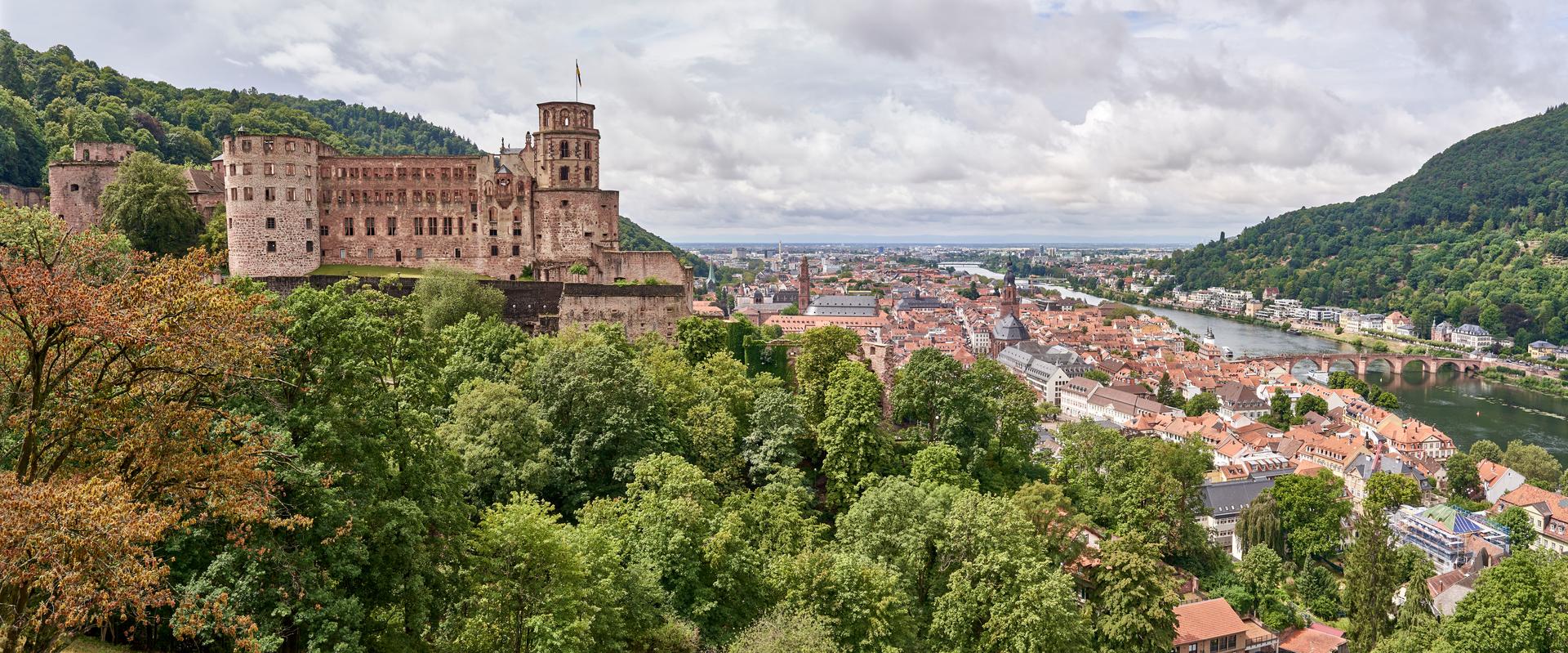
Looking beyond Heidelberg Palace? Discover Heidelberg for broader travel guides, local hot-spots, and regional highlights.
Explore Heidelberg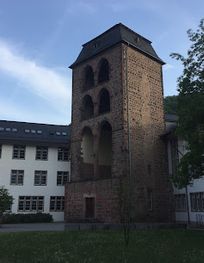
Explore the mystical Hexenturm, a historical landmark in Heidelberg, showcasing stunning architecture and rich folklore amidst charming surroundings.
Discover the Heidelberg Tun, an iconic wine barrel and a historic marvel nestled in the picturesque city of Heidelberg, Germany.
