Richard-Wagner Denkmal, Leipzig Travel Guide
Free Guide: Discover the Richard Wagner Monument in Leipzig, a tribute to the composer's legacy, blending historical art with modern interpretation in the heart of his birthplace.


A brief summary of Richard-Wagner Denkmal
Discover the Richard Wagner Monument in Leipzig, a tribute to the composer's legacy, blending historical art with modern interpretation in the heart of his birthplace.
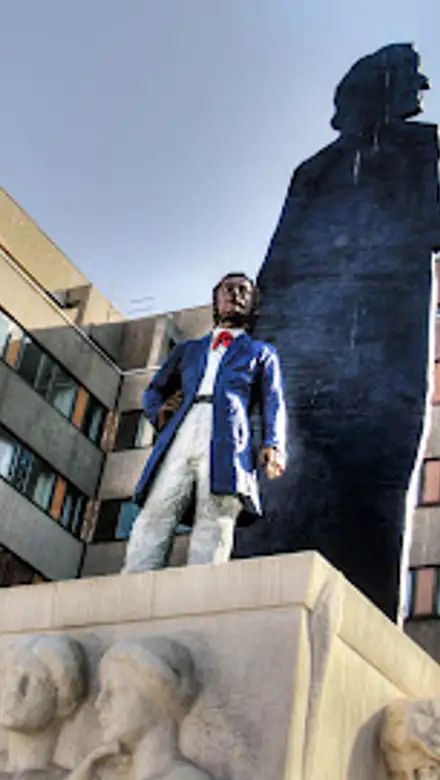
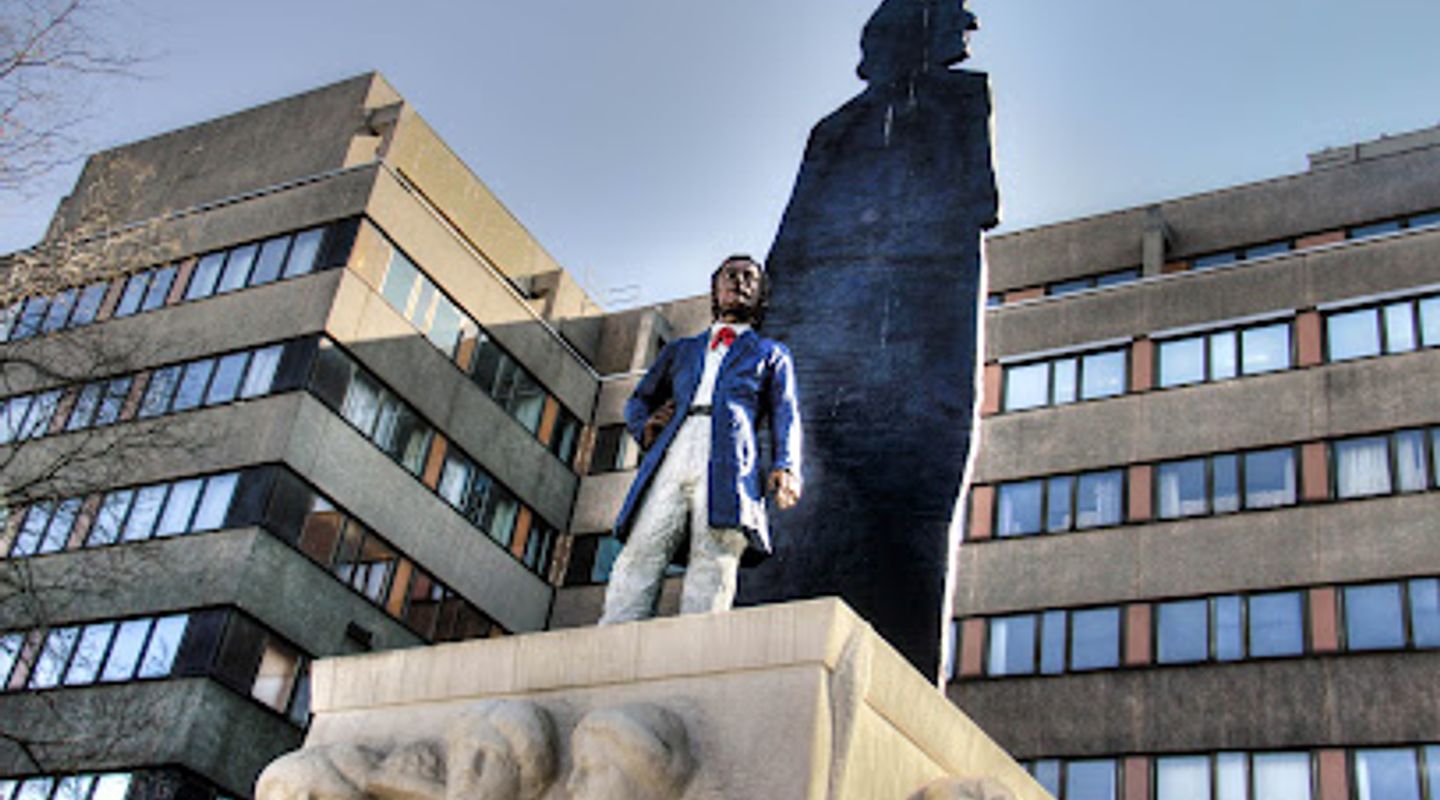
The Richard Wagner Monument in Leipzig stands as a testament to the city's deep connection with the renowned composer. Unveiled in 2013 to mark the 200th anniversary of Wagner's birth, the monument is a captivating blend of historical homage and contemporary artistry. Created by Stephan Balkenhol, it incorporates Max Klinger's original plinth design from a century prior. Located in the green spaces along Goerdelerring, the monument features reliefs of figures from Wagner's operas, including the Rhinemaidens, Siegfried, and Parsifal. A bronze statue of a young Wagner stands atop the base, with a silhouette of an older Wagner in the background, symbolizing his life's work. The monument serves as a reminder of Wagner's formative years in Leipzig and his lasting impact on the world of music.
Opening hours
- Every dayOpen 24 hours
Opening hours as listed on the venue’s Google Business Profile. Hours can change for services and special events, so check with the venue before you go.
- Address
- 04109 Leipzig
Getting there
Public Transport
Walking
Taxi/Ride-Share
Discover more about Richard-Wagner Denkmal
Overview
The Richard Wagner Monument in Leipzig is more than just a statue; it's a multifaceted tribute to one of the city's most famous sons and a reflection of Leipzig's complex relationship with its musical heritage. Richard Wagner, born in Leipzig in 1813, was a composer, conductor, and playwright whose innovative and often controversial works revolutionized the world of opera. His music dramas, characterized by their intricate leitmotifs and grand scale, pushed the boundaries of Romanticism and continue to captivate audiences today. While Wagner's legacy is celebrated worldwide, his connection to Leipzig is particularly significant, as it was here that he spent his formative years and developed his passion for music. The monument's history is as layered as Wagner's compositions. The initial efforts to create a memorial began shortly after Wagner's death in 1883, but various factors, including artistic disagreements, financial constraints, and the outbreak of World War I, delayed the project for decades. In the 1920s, the renowned Leipzig artist Max Klinger was commissioned to design a monument, but his death in 1920 left the project unfinished. Only the marble base, adorned with figures from Wagner's operas, was completed. During the Nazi era, a new monument project was initiated, with Adolf Hitler himself laying the foundation stone in 1934. However, this monument was never completed, and after the war, the city abandoned the project. For many years, Klinger's base stood alone, sometimes referred to as the "porn cube" due to the nudity of the Rhinemaidens depicted on its reliefs. Finally, in 2013, on the occasion of Wagner's 200th birthday, a completed monument was unveiled. Created by contemporary artist Stephan Balkenhol, the monument incorporates Klinger's original base and adds a new layer of interpretation. Balkenhol's contribution consists of a bronze statue of a young Wagner in everyday attire, representing his early years in Leipzig, and a black bronze plate in the shape of an older Wagner's silhouette, symbolizing his monumental artistic achievements. The monument's location on the Goerdelerring, part of Leipzig's city center ring, is also significant. It stands on a staircase that once led from Fleischerplatz to Matthäi-Kirchhof, a site that was already planned for a memorial in the early 20th century. While the surrounding architecture has changed over the years, the monument remains a focal point in the city's cultural landscape. The figures on the marble base, designed by Max Klinger, depict scenes from Wagner's operas. The three Rhinemaidens from "Der Ring des Nibelungen" symbolize music, poetry, and drama, reflecting Wagner's concept of the Gesamtkunstwerk, or total work of art. Other figures include Siegfried, Mime, and the slain dragon from "Siegfried," and Parsifal and Kundry from "Parsifal." Balkenhol's statue of a young Wagner captures the composer's youthful energy and ambition. Dressed in ordinary clothes, he represents Wagner's connection to the city of Leipzig and his early struggles as a musician. The silhouette of an older Wagner in the background serves as a reminder of his later fame and influence. The Richard Wagner Monument is not without its critics. Some argue that the monument is too abstract or that it fails to capture the essence of Wagner's music. Others question the decision to incorporate Klinger's base, given its association with the Nazi era. Despite these criticisms, the monument remains a popular attraction for tourists and Wagner enthusiasts. Visiting the Richard Wagner Monument offers a chance to reflect on the life and legacy of one of the most important figures in music history. It's a place to contemplate Wagner's complex personality, his groundbreaking artistic achievements, and his enduring influence on the world of opera. The monument also serves as a reminder of Leipzig's rich musical heritage and its ongoing commitment to celebrating its cultural icons. Beyond the monument itself, visitors can explore other Wagner-related sites in Leipzig, such as the Richard Wagner Museum and the Leipzig Opera. The city also hosts regular Wagner festivals and performances, providing ample opportunities to immerse oneself in the composer's music. The Richard Wagner Monument is a testament to Leipzig's enduring connection with its musical past. It's a place where history, art, and music converge, inviting visitors to explore the life and legacy of one of the world's greatest composers.
Evendo Review Centre
 Google
Guest reviews
Explore Richard-Wagner Denkmal on the map
A handpicked selection of must-see spots near Richard-Wagner Denkmal, mapped for you.
Get your free copy of our complete guide to Richard-Wagner Denkmal, delivered straight to you.
Everything on this page, from opening hours and how to get there to Eve’s tips and the best time to go, in one PDF you can read offline, print or share.
Already have an account? Sign in
Your Richard-Wagner Denkmal guide is ready.
We'll send it to · Not you? Sign out

Getting your guide ready…
We are putting together a fresh copy of the Richard-Wagner Denkmal guide. This can take up to a minute.
This can take a few moments. If your browser asks, choose Allow so the download can start. You'll find the guide in your Downloads folder.
Nothing happened? Download it again
Sorry, the guide is taking longer than usual. Please try again in a minute, or get it by email instead.
Other nearby places you may find interesting
The closest places of the same kind, if this one is not quite what you had in mind.
-
-

-
-
-


Swipe for more places
More to explore near Richard-Wagner Denkmal

 Best experiences near Richard-Wagner Denkmal
 Best hotels near Richard-Wagner Denkmal
 Best landmarks near Richard-Wagner Denkmal
 Best attractions near Richard-Wagner Denkmal
 Best shops near Richard-Wagner Denkmal
 Best restaurants near Richard-Wagner Denkmal
 Best bars near Richard-Wagner Denkmal
Do you manage this location?
Take control to get all the benefits, like improved information, better appearance, and stronger visibility across AI-powered discovery.
Explore more

Explore more of Leipzig
Explore Leipzig, Germany's hidden gem, where history, music, art, and nature come together to create a vibrant and dynamic tourist destination.
Explore Leipzig
Explore more of Germany
Experience Germany: where history meets innovation, and urban energy blends with natural beauty. Discover diverse cultures, delicious cuisine, and stunning landscapes.
Explore Germany