Herrnburger Dünen, Lubeck Travel Guide
Free Guide: Explore the unique inland dune landscape of Herrnburger Dünen near Lübeck, a haven for wildlife and a reminder of the region's diverse natural history.


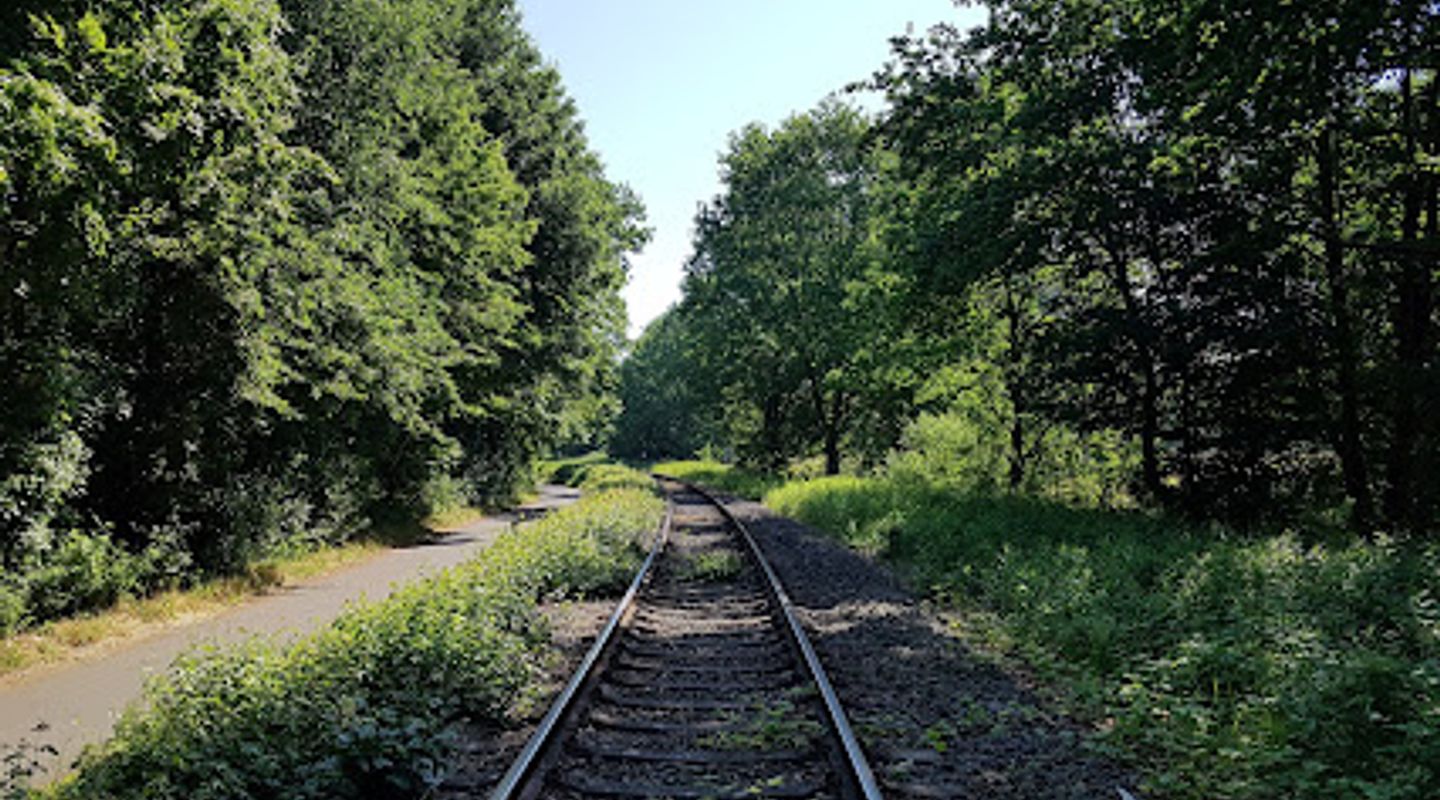
A brief summary of Herrnburger Dünen
Explore the unique inland dune landscape of Herrnburger Dünen near Lübeck, a haven for wildlife and a reminder of the region's diverse natural history.
The Herrnburger Dünen, nestled near Lübeck, offer a unique glimpse into a rare inland dune ecosystem. Part of the Wakenitz Nature Reserve, these dunes showcase diverse habitats, from sandy grasslands and heathlands to forests and moor vegetation. This protected area provides a haven for wildlife, including the elusive European otter and moor frog. Visitors can explore scenic trails, observe unique flora and fauna, and experience the tranquility of this natural landscape. The dunes' proximity to the former East-West German border adds a layer of historical significance, making it a compelling destination for nature enthusiasts and history buffs alike. The Herrnburger Dünen are a reminder of the region's diverse natural history.
Opening hours
- Every dayOpen 24 hours
Opening hours as listed on the venue’s Google Business Profile. Hours can change for services and special events, so check with the venue before you go.
- Address
- 23564 Lübeck
Getting there
Public Transport
Taxi/Ride-Share
Driving
Discover more about Herrnburger Dünen
Overview
The Herrnburger Dünen, located on the eastern edge of Lübeck near the border with Mecklenburg-Vorpommern, represent a fascinating and relatively rare inland dune system. Spanning 88 hectares, this area forms part of the larger Wakenitz Nature Reserve, a protected landscape known for its diverse habitats and ecological significance. The dunes themselves are a remnant of the post-glacial period, shaped by wind and water over centuries. This has created a unique mosaic of environments, supporting a variety of plant and animal life adapted to the nutrient-poor sandy soils. The landscape is characterized by open dune areas with silvergrass meadows, dry sandy heathlands, and patches of acidic oak forests and coniferous woodlands. Small pockets of moor vegetation add to the diversity, creating microhabitats that support specialized species. Along the banks of the Wakenitz River, which borders the dunes, a hardwood floodplain forest thrives, composed of oak, elm, and ash trees. These riparian forests provide critical habitat for numerous species and play an important role in maintaining water quality. The lower-lying areas within the dune complex have remained largely undisturbed for many years, providing refuge for sensitive wildlife. The Herrnburger Dünen are home to a variety of flora and fauna, including several species of conservation concern. The European otter, a highly mobile predator, finds suitable habitat in the Wakenitz River and surrounding wetlands. The moor frog, a small amphibian adapted to acidic conditions, breeds in the moorland pools within the dune complex. Various bird species, insects, and other invertebrates also contribute to the biodiversity of the area. Historically, the Herrnburger Dünen have been influenced by human activities, including forestry and agriculture. However, in recent decades, conservation efforts have focused on restoring and maintaining the natural character of the landscape. Management practices include the removal of non-native tree species, the control of invasive plants, and the creation of open dune areas through grazing or mowing. The location's proximity to the former Inner German border adds another layer of interest. During the Cold War, this area was part of the heavily fortified border zone between East and West Germany. While the border fortifications have long been removed, the legacy of this period can still be seen in the landscape, with remnants of border paths and observation towers. Today, the Herrnburger Dünen offer visitors a chance to explore a unique natural environment and learn about the region's history. A network of trails winds through the dunes, providing access to different habitats and scenic viewpoints. Interpretive signs provide information about the ecology of the area and the history of the border region. The Herrnburger Dünen are a reminder of the region's diverse natural and cultural history. The area is particularly beautiful during the flowering season when the heathlands are ablaze with color. While exploring the Herrnburger Dünen, visitors can observe a variety of plant species adapted to the sandy soils. Silvergrass, a characteristic dune plant, dominates the open areas, while heather and other heathland plants thrive in the drier areas. Acid-loving plants, such as blueberries and cranberries, can be found in the acidic oak forests and moorland areas. The Herrnburger Dünen are not only a valuable natural area but also a place of recreation and education. Visitors can enjoy hiking, birdwatching, and nature photography. The area is also used for environmental education programs, providing opportunities for students and the public to learn about dune ecology and conservation. The Herrnburger Dünen are a valuable asset to the Lübeck region, providing a unique combination of natural beauty, ecological significance, and historical interest. Whether you are a nature enthusiast, a history buff, or simply looking for a peaceful escape, the Herrnburger Dünen offer something for everyone.
Evendo Review Centre
 Google
Guest reviews
Explore Herrnburger Dünen on the map
A handpicked selection of must-see spots near Herrnburger Dünen, mapped for you.
Get your free copy of our complete guide to Herrnburger Dünen, delivered straight to you.
Everything on this page, from opening hours and how to get there to Eve’s tips and the best time to go, in one PDF you can read offline, print or share.
Already have an account? Sign in
Your Herrnburger Dünen guide is ready.
We'll send it to · Not you? Sign out

Getting your guide ready…
We are putting together a fresh copy of the Herrnburger Dünen guide. This can take up to a minute.
This can take a few moments. If your browser asks, choose Allow so the download can start. You'll find the guide in your Downloads folder.
Nothing happened? Download it again
Sorry, the guide is taking longer than usual. Please try again in a minute, or get it by email instead.
Other nearby places you may find interesting
The closest places of the same kind, if this one is not quite what you had in mind.
-

-
-
-
-


Swipe for more places
More to explore near Herrnburger Dünen

 Best experiences near Herrnburger Dünen
 Best hotels near Herrnburger Dünen
 Best landmarks near Herrnburger Dünen
 Best attractions near Herrnburger Dünen
 Best shops near Herrnburger Dünen
 Best restaurants near Herrnburger Dünen
 Best bars near Herrnburger Dünen
Do you manage this location?
Take control to get all the benefits, like improved information, better appearance, and stronger visibility across AI-powered discovery.
Explore more

Explore more of Lubeck
Discover Lübeck, the Queen of the Hanseatic League, with its medieval charm, rich history, and delicious marzipan treats. A perfect blend of past and present awaits you.
Explore Lubeck
Explore more of Germany
Experience Germany: where history meets innovation, and urban energy blends with natural beauty. Discover diverse cultures, delicious cuisine, and stunning landscapes.
Explore Germany