Kaisertor, Lubeck Travel Guide
Discover the Kaisertor in Lübeck, a historical landmark blending medieval defense with 19th-century architecture, offering a glimpse into the city's Hanseatic past and strategic importance.
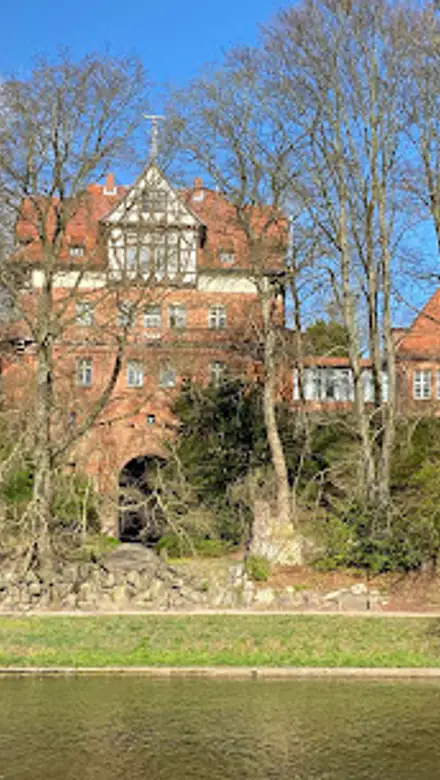
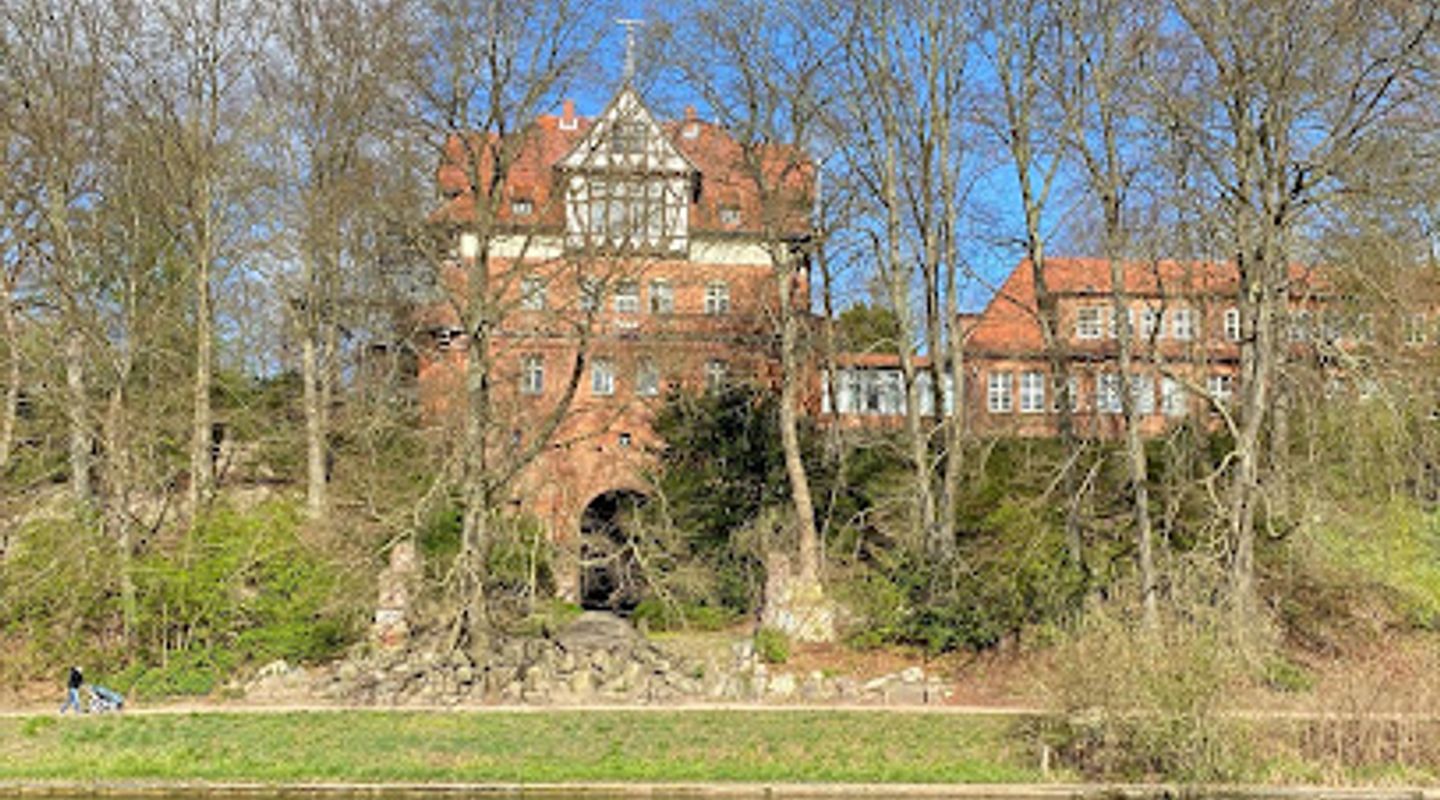
The Kaisertor, or Emperor's Gate, in Lübeck, is a captivating historical landmark that whispers tales of the city's medieval past. Originally constructed around 1300 as a defensive tower protecting the Mühlendamm, it underwent several transformations over the centuries. The gate was walled up around 1500, and in the 17th century, the tower was largely demolished. However, in the 19th century, the remaining base was repurposed, and the preserved upper floor was placed atop it. The Kaisertor received its name in 1900 when Kaiser Wilhelm II inaugurated the Elbe-Lübeck Canal from this location. Today, it stands as a reminder of Lübeck's strategic importance and architectural evolution, offering visitors a glimpse into the city's layered history. Its location within the green belt surrounding the old city makes it a peaceful escape and a picturesque photo opportunity.
A brief summary to Kaisertor
- Wallstraße 40, Lübeck, Lübecker Altstadt, 23552, DE
- Click to display

Know before you go
Hi, I'm Eve. Here are a few practical things to know before exploring Kaisertor.
- Combine your visit to the Kaisertor with a walk along the Wallanlagen, the green ramparts surrounding Lübeck's Old Town, for a peaceful escape and scenic views.
- Visit the Kaisertor in the early morning or late afternoon for the best lighting for photography.
- Explore the nearby Mühlenteich (Mill Pond) for a picturesque view of the Kaisertor reflected in the water.
Do you manage this location?
Take control to get all the benefits, like improved information, better appearance, and stronger visibility across AI-powered discovery. Learn more about listing your business on Evendo
Activate your presenceOther nearby places you may find interesting
The closest places of the same kind, if this one is not quite what you had in mind.

Explore Kaisertor on the Map
A handpicked selection of must-see spots near Kaisertor, mapped for you.
Getting There
-
Walking
From Lübeck's Markt (market square) or the Holstentor, the Kaisertor is approximately a 15-20 minute walk. Head east, following the Obertrave along the river. Continue onto Wallstraße. The Kaisertor will be on your right, nestled within the Wallanlagen (ramparts).
-
Public Transport
Several bus lines stop near the Kaisertor. Take a bus to the 'Stadthalle' stop. From there, walk along Wallstraße for about 5 minutes. The Kaisertor will be on your right. A single bus fare within Lübeck is approximately €2.50.
-
Taxi/Ride-Share
A taxi or ride-share from Lübeck Hauptbahnhof (main train station) to the Kaisertor will take approximately 5-10 minutes, depending on traffic. Expect to pay around €10-€15.
-
Parking
Limited parking is available on Wallstraße and nearby streets. Parking fees typically cost around €1.20 per hour. Consider using the 'Parkplatz Beim Retteich P1' near the train station and walking (approximately 15 minutes) to the Kaisertor.
Discover more about Kaisertor













Your all‑in‑one travel companion app
Explore expert travel guides, compare and book tours, experiences, hotels, and more—all from the palm of your hand. Download now for seamless trip planning wherever your wanderlust takes you.


Explore More of Lubeck
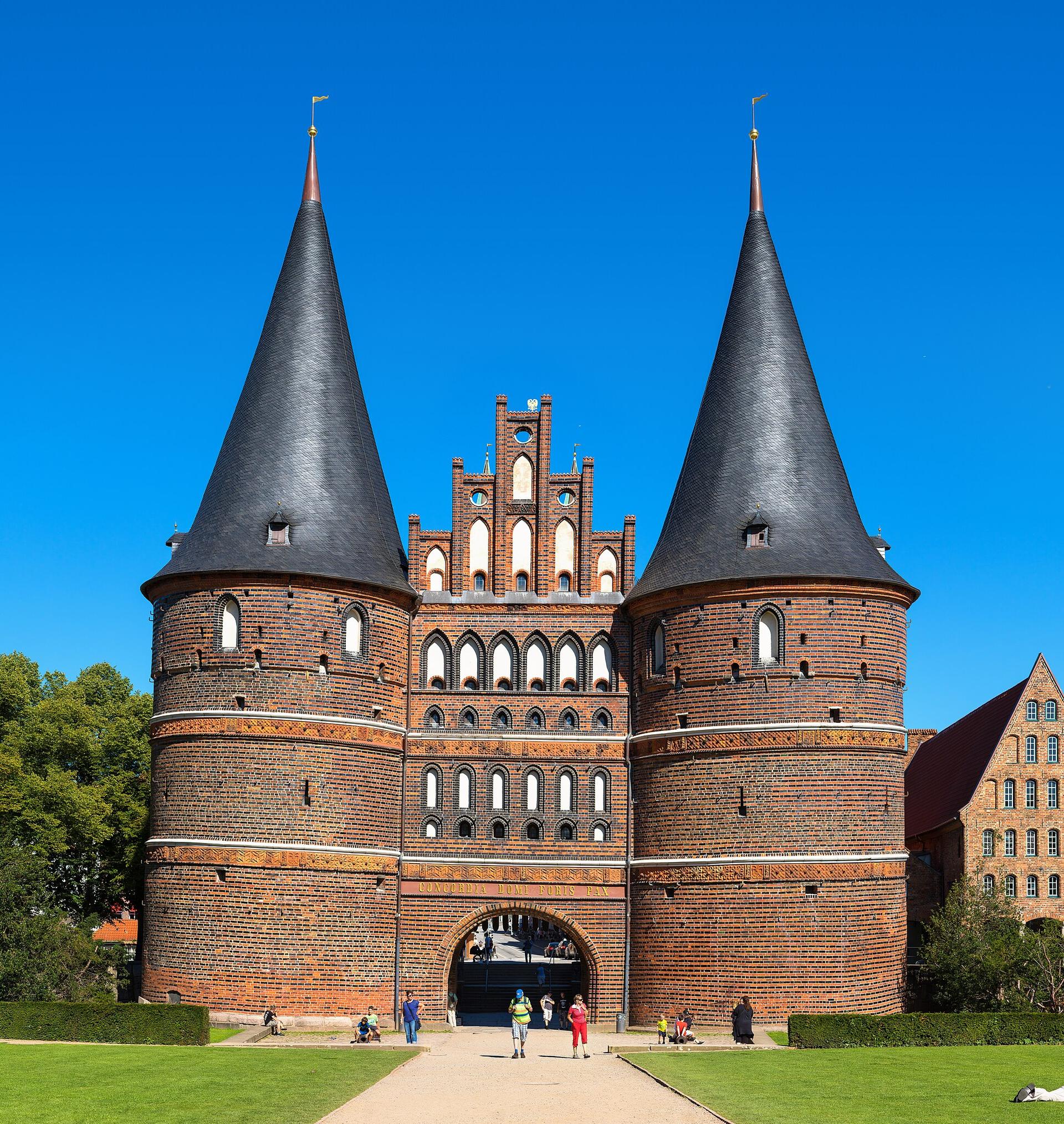
Looking beyond Kaisertor? Discover Lubeck for broader travel guides, local hot-spots, and regional highlights.
Explore Lubeck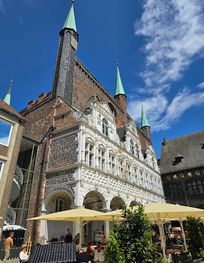
Discover Lübeck's Marktplatz: a historic square in the heart of the Altstadt, surrounded by stunning architecture and steeped in Hanseatic history, offering a vibrant cultural experience.
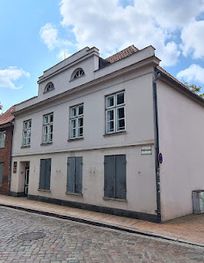
Discover the Pulvermacherhaus in Lübeck: A classical gem on the Mühlendamm, reflecting the city's Hanseatic heritage and architectural elegance from 1825.