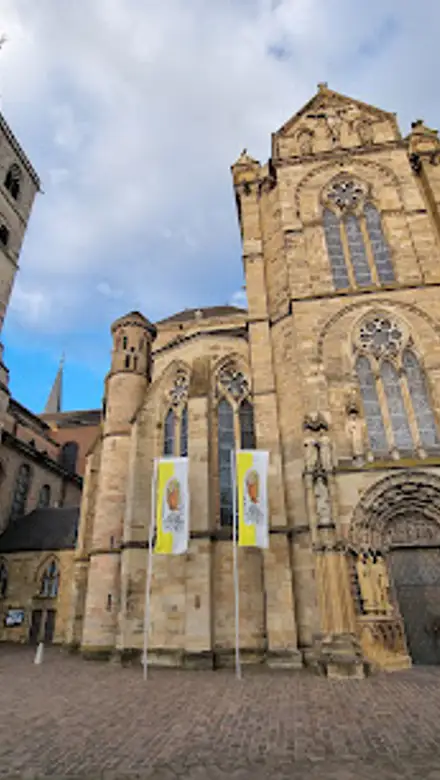
Liebfrauenkirche, Trier, Moselle Travel Guide
Discover Trier's Gothic jewel: Liebfrauenkirche, a UNESCO World Heritage site, where French High Gothic architecture meets German history in a symphony of light and stone.
The Liebfrauenkirche (Church of Our Lady) in Trier stands as a testament to early Gothic architecture in Germany. Consecrated to St Mary, this basilica, with its unique floor plan shaped like a twelve-petalled rose, draws visitors into a mystical world of light and symbolism. Built between 1230 and 1260 by French master builders from Champagne, it is considered the earliest example of French High Gothic architecture outside of France. Its location next to the Trier Cathedral, a building with Roman origins, creates a fascinating juxtaposition of architectural styles and historical periods, making it a must-see for those exploring Trier's rich cultural heritage. The interior is just as captivating, featuring twelve columns representing the apostles and intricate details that reflect a deep devotion to the Virgin Mary. A visit promises a serene and enlightening experience.
A brief summary to Liebfrauenkirche, Trier
- Liebfrauenstraße 2, Trier, 54290, DE
- Click to display
- Click to display

Know before you go
Hi, I'm Eve. Here are a few practical things to know before exploring Liebfrauenkirche, Trier.
- Visit during the late afternoon to witness the sunlight streaming through the high windows, illuminating the figure of St Mary.
- Stand on the star-shaped marking near the entrance to get a complete view of all twelve apostle columns.
- Combine your visit with a tour of the adjacent Trier Cathedral to appreciate the contrast between Romanesque and Gothic architectural styles.
- Take time to explore the intricate details of the western entrance, which is richly adorned with sculptures and carvings.
Do you manage this location?
Take control to get all the benefits, like improved information, better appearance, and stronger visibility across AI-powered discovery. Learn more about listing your business on Evendo
Activate your presenceOther nearby places you may find interesting
The closest places of the same kind, if this one is not quite what you had in mind.
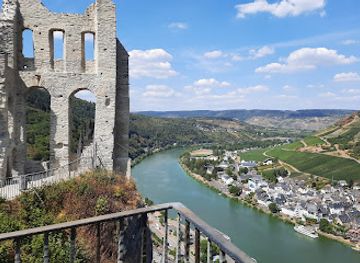

Explore Liebfrauenkirche, Trier on the Map
A handpicked selection of must-see spots near Liebfrauenkirche, Trier, mapped for you.
Unlock the Best of Liebfrauenkirche, Trier
Buy tickets
-
No tickets available
Book tours with entry


Getting There
-
Walking
From the Hauptbahnhof (main train station), the Liebfrauenkirche is approximately a 15-20 minute walk. Head towards the city center, following signs for the Dom (Cathedral). The Liebfrauenkirche is located directly adjacent to the Dom. As you approach the city center, you'll pass the Roman Baths and the Electoral Palace. The church is easily recognizable by its Gothic architecture. No costs are associated with this option.
-
Public Transport
Several bus lines connect the Hauptbahnhof to the city center. Take any bus heading towards 'Trier, Dom/Hauptmarkt'. The closest bus stop to the Liebfrauenkirche is 'Trier, Dom/Hauptmarkt', which is a 2-minute walk to the church. Single tickets cost approximately €2.60. Buses run frequently throughout the day.
-
Taxi/Ride-Share
A taxi or ride-share from the Hauptbahnhof to the Liebfrauenkirche will take approximately 5-10 minutes, depending on traffic. The estimated cost is between €8-€12. Taxis are readily available at the Hauptbahnhof.
-
Driving
If driving, parking is available in the city center, but spaces can be limited. Consider parking at the Parkhaus Trier Galerie or City-Parkhaus Viehmarkt, both within a 5-10 minute walk to the Liebfrauenkirche. Hourly parking rates range from €2-€3, with daily maximums around €15-€20. Be aware of pedestrian zones in the city center.
Discover more about Liebfrauenkirche, Trier
More to explore near Liebfrauenkirche, Trier













Your all‑in‑one travel companion app
Explore expert travel guides, compare and book tours, experiences, hotels, and more—all from the palm of your hand. Download now for seamless trip planning wherever your wanderlust takes you.


Explore More of Moselle
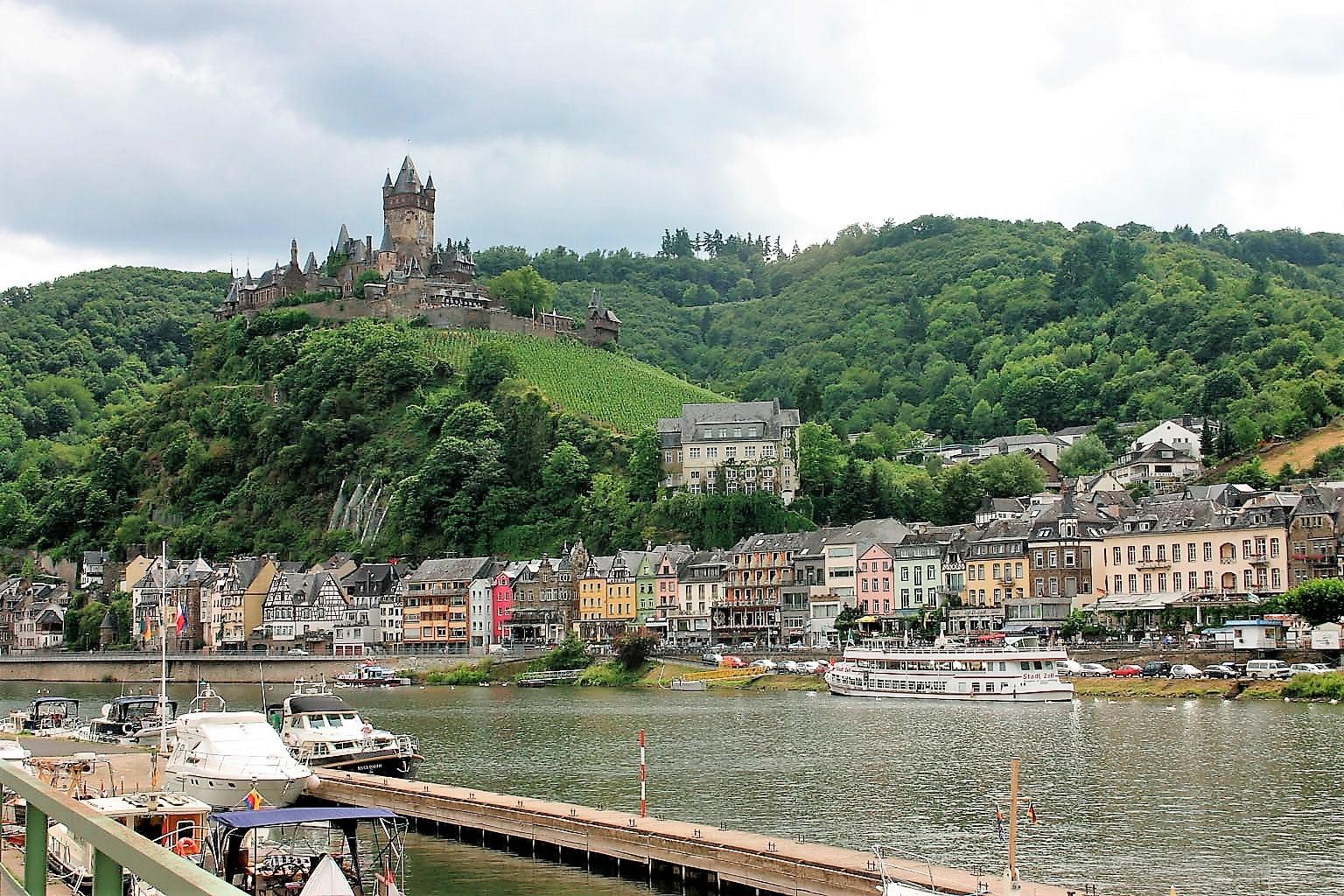
Looking beyond Liebfrauenkirche, Trier? Discover Moselle for broader travel guides, local hot-spots, and regional highlights.
Explore Moselle
Experience true Konz culture at Saar-Mosel-Platz, the bustling town square nestled at the confluence of the Saar and Moselle rivers, surrounded by vibrant local life.
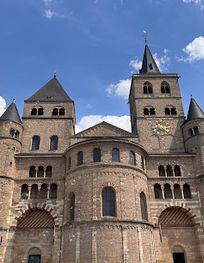
Explore Germany's oldest cathedral in Trier, a UNESCO World Heritage site, blending Roman, Romanesque, Gothic, and Baroque architecture with sacred relics and a rich history.