

Free North Frisia Travel Guide & Mobile App
Explore North Frisia with free travel guides. Discover regional history, expert tips, proposed trips, and audio guides on web or mobile app.


Explore North Frisia’s Wadden Sea, tidal islands, dike landscapes, Frisian villages, beaches and maritime towns in northern Germany.
Read more about North Frisia
When is the best time to visit North Frisia?
Best: June–August · 20–22°C| Month | High (°C) | Rainfall (mm) |
|---|---|---|
| January | 4 | 50 |
| February | 5 | 40 |
| March | 8 | 40 |
| April | 13 | 40 |
| May | 17 | 50 |
| June (best) | 20 | 60 |
| July (best) | 22 | 70 |
| August (best) | 22 | 70 |
| September | 19 | 60 |
| October | 15 | 60 |
| November | 9 | 50 |
| December | 5 | 60 |
Getting to and around North Frisia
How to get there
Transportation
Best attractions in North Frisia
North Frisia’s attractions are inseparable from its tidal geography. The Schleswig-Holstein Wadden Sea National Park offers guided mudflat walks, birdwatching and boat excursions through an internationally important intertidal environment, while the Halligen reveal how people live on small dwelling mounds surrounded by marsh. On the mainland, Husum combines a harbour, the North Frisian Museum and the former ducal castle, while Tönning provides access to the Multimar Wattforum, an informative introduction to the Wadden Sea’s wildlife and ecology. Friedrichstadt brings a different atmosphere with canals, bridges and Dutch-influenced town planning. The islands broaden the choice: Sylt has dunes, heathland and extensive beaches; Föhr offers village lanes, farmland and cycle routes; and Amrum is distinguished by its large dune belt and Kniepsand beach. St Peter-Ording adds a wide sandy shore, dunes and outdoor recreation. Historic churches, dike paths, bird reserves and small maritime museums complete an attractions landscape that rewards visitors who combine cultural sites with close observation of the coast.
-
Museum
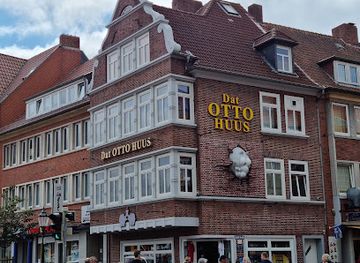
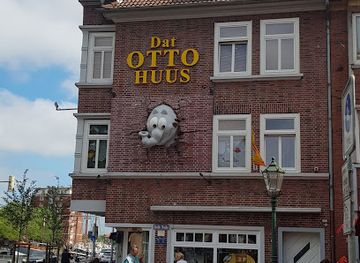
Dat Otto Huus
Explore the enchanting Dat Otto Huus museum in Emden, a gateway to the maritime history and culture of the North Sea.
-
Castle
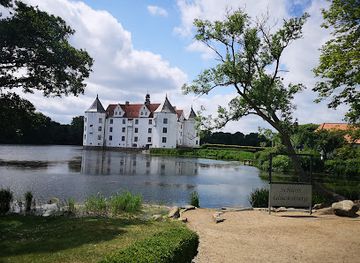
Glücksburg Castle
Explore the enchanting Glücksburg Castle, a 16th-century gem by the Baltic Sea, blending history, architecture, and natural beauty.
-
Aquarium
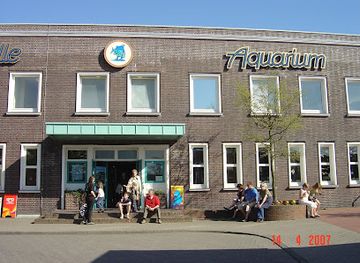
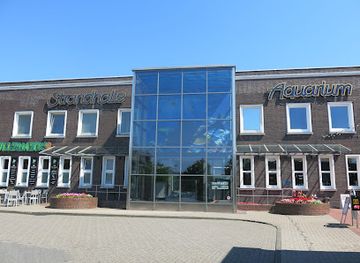
Aquarium Wilhelmshaven incl. Prehistoric Sea Museum
Explore the vibrant marine life and prehistoric wonders at Aquarium Wilhelmshaven, a must-visit destination for families and ocean enthusiasts alike.
-
Tourist attraction
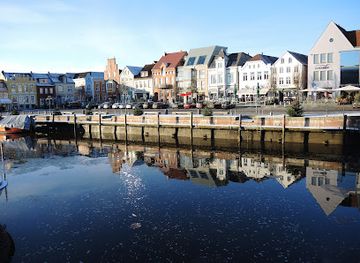
Husumer Hafen
Experience the vibrant atmosphere and scenic beauty of Husumer Hafen, a charming harbor in Germany perfect for relaxation and adventure.
Best landmarks in North Frisia
The defining landmark of North Frisia is the Wadden Sea itself, a shifting expanse of mudflats, sandbanks and tidal channels that explains the region’s settlement patterns and coastal defences. Along the mainland, the Husum castle complex and its historic surroundings reflect the town’s former ducal importance, while St Mary’s Church in Husum is a prominent feature of the town centre. Friedrichstadt’s network of canals, bridges and carefully aligned brick gabled houses forms one of the region’s most recognisable urban ensembles. On Sylt, the red cliffs near Kampen and the island’s dune and heath landscapes provide striking natural reference points; the former is particularly notable for the way erosion continually reshapes the coast. Amrum’s lighthouse and extensive dune country are equally emblematic, while the Halligen’s raised dwelling mounds express a distinctive response to storm surges. Dikes, sluices, historic churches and harbour structures complete a landscape in which engineering and nature remain visibly intertwined.
-
Marina
Neuharlingersiel harbour
Discover the charm of Neuharlingersiel Harbour, a scenic marina filled with vibrant shops, delightful dining, and breathtaking coastal views on the North Sea.
-
Museum
Dat Otto Huus
Discover the captivating stories of Emden's maritime heritage and cultural treasures at the Dat Otto Huus museum.
-
Aquarium
Aquarium Wilhelmshaven incl. Prehistoric Sea Museum
Discover marine life at Aquarium Wilhelmshaven, where adventure meets education in an enchanting setting on the North Sea coast.
-
Tourist attraction
Husumer Hafen
Experience the enchanting Husumer Hafen, where stunning waterfront views meet vibrant culture and delightful local cuisine in the heart of Husum.
Explore North Frisia on the map
Plan your trip on one map. See where the top cities, national parks and sights are, and book hotels and experiences in a few clicks.
Best hotels in North Frisia
Best restaurants in North Frisia
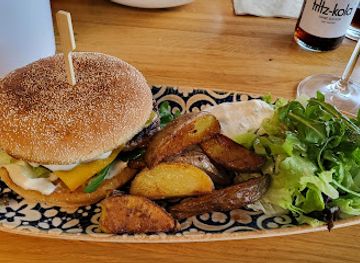
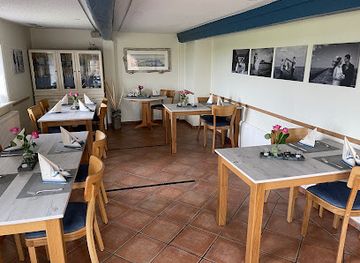
Dining in North Frisia draws on both the sea and the marshes behind the dikes. North Sea prawns, herring, plaice and other fish are common in harbour restaurants, fish shops and traditional inns, while lamb raised on salt-marsh grazing is an important local speciality. Potatoes, cabbage, dairy produce and seasonal vegetables appear in straightforward regional cooking, often alongside broader Schleswig-Holstein dishes such as vegetables with cream sauce or hearty stews. On the islands and in coastal towns, cafés serve cakes and the region’s distinctive Frisian tea, traditionally prepared with rock sugar and cream, while bakeries provide practical provisions for cycling and beach days. Husum, Friedrichstadt, Tönning, St Peter-Ording and the larger islands offer the widest range, from informal fish restaurants and pubs to contemporary dining rooms. Farmers’ markets and farm shops are useful for locally produced cheese, preserves, meat and baked goods, though opening days vary by season.
-
Fish store
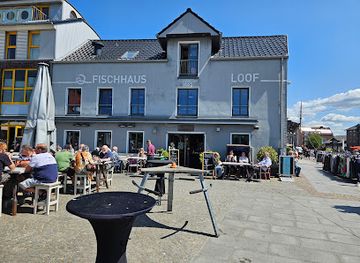
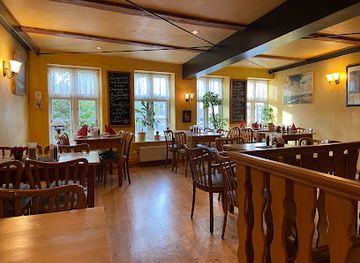
Fischhaus Loof
Discover fresh flavors at Fischhaus Loof, where Husum's best seafood awaits in a charming bistro setting.
-
Restaurant
Gaststätte Tante Jenny
Experience the flavors of Husum at Gaststätte Tante Jenny—a delightful restaurant serving authentic German cuisine with seasonal ingredients.
-
Restaurant
Alex Kitchen Husum
Experience delightful culinary offerings at Alex Kitchen Husum with vegan options in a cozy atmosphere perfect for all diners.
-
Restaurant
Hallig Krog
Experience authentic regional cuisine at Hallig Krog in Hamburger Hallig – where culinary excellence meets stunning natural beauty.
Best bars in North Frisia
Evenings in North Frisia are generally sociable rather than club-focused. Husum, St Peter-Ording and Westerland on Sylt have the broadest selection of pubs, wine bars, hotel lounges and restaurants, with more seasonal activity during the summer and holiday periods. Traditional inns remain important in smaller mainland towns and villages, while island resorts add beach bars, cafés and occasional live-music venues. Föhr and Amrum tend towards relaxed pub and restaurant evenings, and the Halligen have very limited nightlife beyond their accommodation and dining facilities. Local breweries, North German beers, spirits and Frisian tea feature more prominently than a large late-night scene. Visitors should expect closing times and transport options to be more limited in rural areas and should arrange a safe way back before setting out, particularly after the last island bus or ferry connection.
-
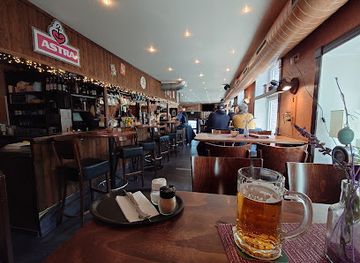
Pub
Husum Pub
Discover the inviting atmosphere and delightful flavors at Husum Pub, where local and Irish cuisine meet in the heart of Husum.
-
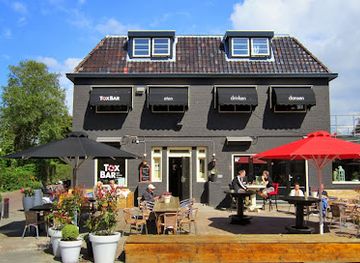
Grill
Tox Bar
Experience the vibrant atmosphere and delicious grilled cuisine at Tox Bar, the perfect blend of dining and disco on Schiermonnikoog.
-
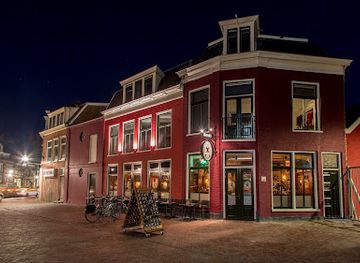
Pub
Speciaalbier Café De Markies
Experience the rich flavors of craft beers in a cozy ambiance at Speciaalbier Café De Markies, a must-visit pub in Leeuwarden.
-
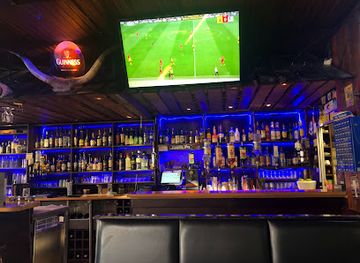
Pub
Blockhütte
Experience local charm and vibrant atmosphere at Blockhütte, a cozy pub in Husum offering delightful drinks and hearty fare.
Best nightclubs in North Frisia
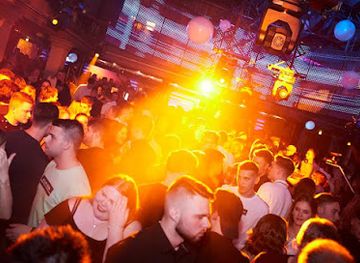
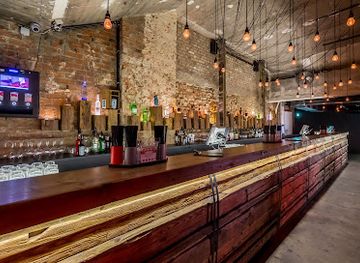
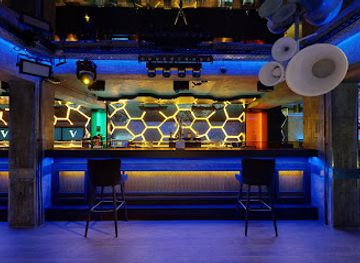
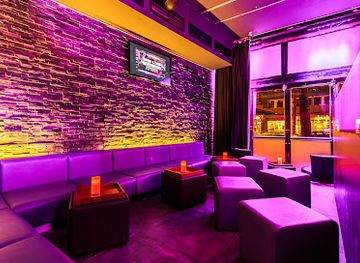
Evenings in North Frisia are generally sociable rather than club-focused. Husum, St Peter-Ording and Westerland on Sylt have the broadest selection of pubs, wine bars, hotel lounges and restaurants, with more seasonal activity during the summer and holiday periods. Traditional inns remain important in smaller mainland towns and villages, while island resorts add beach bars, cafés and occasional live-music venues. Föhr and Amrum tend towards relaxed pub and restaurant evenings, and the Halligen have very limited nightlife beyond their accommodation and dining facilities. Local breweries, North German beers, spirits and Frisian tea feature more prominently than a large late-night scene. Visitors should expect closing times and transport options to be more limited in rural areas and should arrange a safe way back before setting out, particularly after the last island bus or ferry connection.
-
Disco club
Janssens Tanzpalast
Dive into the heart of Cuxhaven's nightlife at Janssens Tanzpalast, a premier disco club offering unforgettable dance experiences.
-
Night club
Gibson
Experience the vibrant nightlife at Gibson, Frankfurt's premier night club, blending electrifying music, fine dining, and unforgettable performances.
-
Night club
Vanity Club Cologne - Köln
Immerse yourself in the electrifying nightlife of Cologne at Vanity Club, where music meets style in an unforgettable dance experience.
-
Night club
Club Köln Einundfünfzig
Dive into Cologne's nightlife at Club Köln Einundfünfzig, where electrifying music, exquisite cocktails, and an unforgettable atmosphere await.
Best shops in North Frisia
Shopping in North Frisia is centred on practical market towns, island resorts and locally produced food rather than large-scale retail. Husum has the broadest mainland choice, with an established town centre, independent shops, cafés, galleries and seasonal markets. Friedrichstadt is suited to browsing smaller specialist shops, books, crafts and galleries among its historic streets, while Tönning combines town-centre shopping with maritime surroundings. On Sylt, Westerland offers the most extensive resort retail, including fashion, lifestyle goods, food shops and holiday-oriented boutiques; Föhr and Amrum have a smaller selection with an emphasis on local crafts, artwork, clothing and island produce. Farm shops and markets are good places to look for North Sea specialities, preserves, cheese, baked goods and regional spirits. Frisian ceramics, textiles, jewellery and books on local history make more meaningful souvenirs than generic beach merchandise, and visitors should check seasonal opening patterns in small villages and on the Halligen.
-
Gift shop
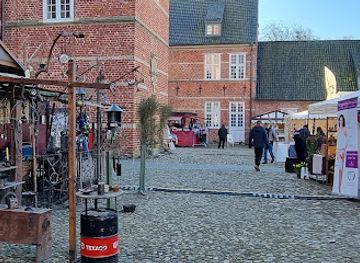
Action Husum
Explore Action Husum: Your one-stop shop for unique gifts, DIY supplies, and local treasures in the heart of Husum.
-
Gift shop
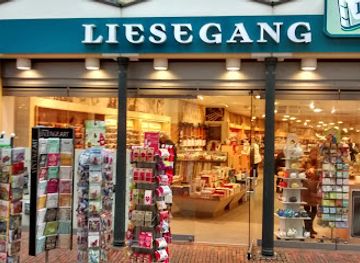
Buchhandlung Liesegang
Discover a charming bookstore and gift shop in Husum, offering a wide selection of books, stationery, and local event tickets.
-
Game store
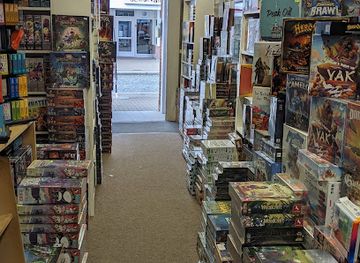
Magische Welten
Explore Magische Welten in Husum, a premier game store filled with board games, card games, and a welcoming community for all ages.
-
Supermarket
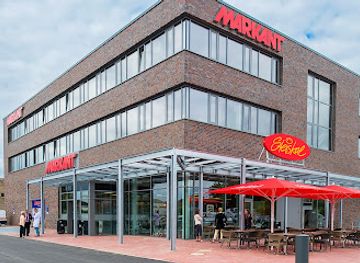
Markant-Markt Husum
Explore Markant-Markt Husum, the ultimate destination for local produce and gourmet delights in the heart of Husum.
Get your free copy of our complete guide to North Frisia, delivered straight to you.
Everything on this page, from attractions and restaurants to essentials and local phrases, in one PDF you can read offline, print or share.
Already have an account? Sign in
Your North Frisia guide is ready.
We'll send it to · Not you? Sign out

Getting your guide ready…
We are putting together a fresh copy of the North Frisia guide. This can take up to a minute.
This can take a few moments. If your browser asks, choose Allow so the download can start. You'll find the guide in your Downloads folder.
Nothing happened? Download it again
Sorry, the guide is taking longer than usual. Please try again in a minute, or get it by email instead.
North Frisia essentials
Currency and Payment
Safety
Emergency Situations
Do's and Don'ts
Local Tips
From Eve
Local phrases worth knowing
You don't need to get them perfect. A few words go a long way, and locals appreciate the effort.
Basics
| English | Local | Say it |
|---|---|---|
| Hello | Moin | [moin] |
| Goodbye | Tschüss | [tʃʏs] |
| Yes | Jo | [jo] |
| No | Nee | [neː] |
| Please/You're welcome | Bitte | [ˈbɪtə] |
| Thank you | Danke | [ˈdaŋkə] |
| Excuse me/Sorry | Entschuldigung | [ɛntˈʃʊldɪɡʊŋ] |
| How are you? | Wie geht's? | [viː ɡeːts] |
| Fine. And you? | Gut. Und dir? | [ɡuːt. ʊnt diːr] |
| Do you speak English? | Sprichst du Englisch? | [ʃpʁɪçst duː ˈɛŋlɪʃ] |
| I don't understand | Ich verstehe nicht | [ɪç fɛʁˈʃteːə nɪçt] |
Eating & Drinking
| English | Local | Say it |
|---|---|---|
| I'd like to see the menu, please | Ich möchte die Speisekarte sehen, bitte | [ɪç ˈmœçtə diː ˈʃpaɪ̯zəˌkaʁtə ˈzeːən, ˈbɪtə] |
| I don't eat meat | Ich esse kein Fleisch | [ɪç ˈɛsə kaɪ̯n flaɪ̯ʃ] |
| Cheers! | Prost! | [pʁoːst] |
| I would like to pay, please | Ich möchte bezahlen, bitte | [ɪç ˈmœçtə bɛˈtsaːlən, ˈbɪtə] |
Emergencies
| English | Local | Say it |
|---|---|---|
| Help! | Hilfe! | [ˈhɪlfə] |
| Go away! | Geh weg! | [ɡeː vɛk] |
| Call the Police! | Rufen Sie die Polizei! | [ˈʁuːfən ziː diː ˌpoliˈtsaɪ̯] |
| Call a doctor! | Rufen Sie einen Arzt! | [ˈʁuːfən ziː ˈaʁt͡s] |
| I'm lost | Ich habe mich verlaufen | [ɪç ˈhaːbə mɪç fɛʁˈlaʊ̯fən] |
| I'm ill | Ich bin krank | [ɪç bɪn kʁaŋk] |
Shopping
| English | Local | Say it |
|---|---|---|
| I'd like to buy... | Ich möchte ... kaufen | [ɪç ˈmœçtə ... ˈkaʊ̯fən] |
| I'm just looking | Ich schaue nur | [ɪç ˈʃaʊ̯ə nuːɐ] |
| How much is it? | Wie viel kostet es? | [viː fiːl ˈkɔstət ɛs] |
| That's too expensive | Das ist zu teuer | [das ɪst tsuː ˈtɔɪ̯ɐ] |
| Can you lower the price? | Können Sie den Preis senken? | [ˈkœnən ziː deːn pʁaɪ̯s ˈzɛŋkən] |
Time & Numbers
| English | Local | Say it |
|---|---|---|
| What time is it? | Wie spät ist es? | [viː ʃpɛːt ɪst ɛs] |
| It's one o'clock | Es ist ein Uhr | [ɛs ɪst aɪ̯n uːʁ] |
| Half past (10) | Halb (10) | [halp (10)] |
| Morning | Morgen | [ˈmɔʁɡən] |
| Afternoon | Nachmittag | [ˈnaχmɪtaɡ] |
| Evening | Abend | [ˈaːbɛnt] |
| Yesterday | Gestern | [ˈɡɛstɛʁn] |
| Today | Heute | [ˈhɔʏ̯tə] |
| Tomorrow | Morgen | [ˈmɔʁɡən] |
| 1 | Eins | [aɪ̯ns] |
| 2 | Zwei | [tsvaɪ̯] |
| 3 | Drei | [dʁaɪ̯] |
| 4 | Vier | [fiːʁ] |
| 5 | Fünf | [fʏnf] |
| 6 | Sechs | [zɛks] |
| 7 | Sieben | [ˈziːbən] |
| 8 | Acht | [aχt] |
| 9 | Neun | [nɔʏ̯n] |
| 10 | Zehn | [tseːn] |
Transport & Directions
| English | Local | Say it |
|---|---|---|
| Where's a/the...? | Wo ist ein/das ...? | [voː ɪst aɪ̯n/das ...?] |
| What's the address? | Was ist die Adresse? | [vas ɪst diː aˈdʁɛsə] |
| Can you show me (on the map)? | Können Sie mir (auf der Karte) zeigen? | [ˈkœnən ziː miːɐ (aʊ̯f deːʁ ˈkaʁtə) ˈtsai̯ɡən] |
| When's the next (bus)? | Wann fährt der nächste (Bus)? | [van fɛːʁt deːʁ ˈnɛːçstə (bʊs)?] |
| A ticket (to ....) | Ein Ticket (nach ....) | [aɪ̯n ˈtɪkɛt (naχ ....)] |
History of North Frisia
Early Frisian settlement and coastal communities
Frisian-speaking communities established themselves along the North Sea coast and islands over many centuries, adapting settlement, farming and trade to an unstable shoreline. Archaeological evidence, terp settlements and historic churches testify to life on raised ground above flood-prone marshes. The region was never culturally uniform: local Frisian traditions developed alongside Danish influence from the north and wider German political and economic connections. Agriculture, salt extraction, fishing and seaborne trade shaped communities whose prosperity depended on both the sea and the ability to manage it.
Storm surges and the changing coastline
North Frisia’s history has repeatedly been transformed by storm surges. The devastating Grote Mandränke, or Saint Marcellus flood, of 1362 destroyed settlements and altered coastal inlets across the North Sea region. Later floods, including the Burchardi flood of 1634, caused further loss of land and life, particularly around the former island of Strand. These disasters created new tidal channels and islands while encouraging increasingly organised dike construction, drainage and land reclamation. The present coastline is therefore both a natural formation and the result of centuries of collective engineering.
The Duchy of Schleswig and Danish connections
For much of the medieval and early modern period, North Frisia formed part of the Duchy of Schleswig, whose political history was closely linked to the Danish crown. Administrative loyalties and language communities did not always follow the same boundaries. Danish influence remained especially noticeable in the northern part of the region, while Frisian varieties continued to be spoken in coastal communities and on the islands. Trade links across the North Sea and the Danish realm brought cultural and commercial connections that remain part of North Frisia’s layered identity.
The Dutch influence on Friedrichstadt
Friedrichstadt was founded in the seventeenth century by Duke Frederick III of Schleswig-Gottorf as a planned town intended to attract merchants and religious refugees. Dutch settlers helped shape its street plan, canals, brick architecture and trading character. The town became a notably tolerant place for several Protestant communities, including Mennonites and Remonstrants. Its orderly waterways and gabled houses survive as an unusually clear expression of planned early modern settlement, distinct from the dispersed villages and dike communities found elsewhere in North Frisia.
Prussian rule and the incorporation into Germany
The Second Schleswig War of 1864 brought Schleswig under Prussian and Austrian control, followed by the division of the duchy between Prussia and Denmark after the subsequent settlement. Northern Schleswig later became part of Denmark after the 1920 plebiscites, while North Frisia remained in Germany. Under Prussian administration, transport, education and coastal management were further integrated into the German state. The period also intensified modern national identities, although Frisian and regional affiliations continued to coexist with German and Danish loyalties.
Modern dike building, agriculture and tourism
During the nineteenth and twentieth centuries, improved dikes, drainage works and land reclamation expanded productive polder landscapes and reduced, though never eliminated, the threat of flooding. Railways and improved ferry connections opened the islands and coastal resorts to visitors, with Sylt, Föhr, Amrum and St Peter-Ording developing distinct tourism economies. Tourism brought new prosperity but also seasonal pressure on housing, transport and fragile habitats. Since the late twentieth century, conservation has become increasingly prominent, particularly through the Schleswig-Holstein Wadden Sea National Park and related efforts to protect tidal ecosystems.
Frisian language and cultural preservation
North Frisian consists of several closely related language varieties spoken historically on the islands and mainland coast. Although the number of fluent speakers has declined, the language remains an important marker of regional heritage and is supported through cultural organisations, education and public visibility. Place names, local museums, traditional architecture, music and annual customs also preserve a sense of community shaped by the sea. Contemporary North Frisia is therefore not a museum of the past: it is a multilingual borderland where heritage, environmental stewardship, farming and tourism continue to interact.
North Frisia in Photos
Browse through our photo collection highlighting the charm and character of the destination.
Neighbouring regions of North Frisia
The closest regions to North Frisia, if you have time for more than one.
-

-

-

-

-


Swipe for more regions
Explore more

Explore more of Germany
Experience Germany: where history meets innovation, and urban energy blends with natural beauty. Discover diverse cultures, delicious cuisine, and stunning landscapes.
Explore Germany