

Free Schleswig Travel Guide & Mobile App
Explore Schleswig with free travel guides. Discover regional history, expert tips, proposed trips, and audio guides on web or mobile app.


Explore Schleswig in northern Germany for Viking archaeology, Baltic fjords, North Sea islands, Danish heritage and cycling through coastal landscapes.
Read more about Schleswig
When is the best time to visit Schleswig?
Best: June–August · 20–22°C| Month | High (°C) | Rainfall (mm) |
|---|---|---|
| January | 3 | 55 |
| February | 3 | 42 |
| March | 7 | 45 |
| April | 13 | 50 |
| May | 17 | 55 |
| June (best) | 20 | 70 |
| July (best) | 22 | 80 |
| August (best) | 22 | 80 |
| September | 18 | 70 |
| October | 13 | 60 |
| November | 7 | 60 |
| December | 4 | 60 |
Getting to and around Schleswig
How to get there
Transportation
Destinations in Schleswig
Resorts, valleys and scenic spots worth a trip of their own.

Swipe for more destinations
Best attractions in Schleswig
Schleswig’s attractions range from Viking archaeology and ducal heritage to low-impact coastal landscapes. Near Schleswig, Haithabu presents the remains and reconstructed setting of a major Viking Age trading centre, while the Danevirke traces a defensive landscape across the former border zone. Gottorf Castle adds collections, historic state rooms and formal grounds in the region’s principal cultural town. Flensburg offers maritime museums, old merchant architecture and harbour walks, while Glücksburg combines a major Renaissance castle with access to the Flensburg Fjord. Along the Schlei, Kappeln and smaller waterside settlements provide sailing, cycling and quiet harbour scenery. The western side of the region leads towards the North Frisian mainland and islands, where guided mudflat walks, birdwatching, beaches, dunes and salt marshes are central experiences. Nature-rich destinations include parts of the Schleswig-Holstein Wadden Sea National Park, although access and wildlife protection rules vary between mainland and island sites. The region is particularly rewarding for visitors who combine museums and historic buildings with outdoor travel, rather than treating its heritage and natural environments as separate subjects.
-
Archaeological museum
Viking Museum Haithabu
Discover the fascinating world of Vikings at the Viking Museum Haithabu, an archaeological treasure in Germany showcasing Norse culture and maritime history.
-
Amusement park
Familien-Freizeitpark Tolk-Schau
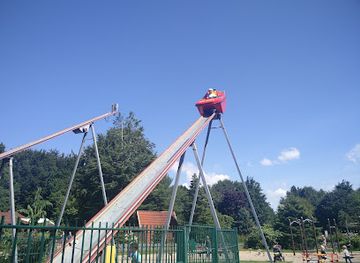
Discover Tolk-Schau: Germany's northernmost family park near Schleswig, offering thrilling rides, animal encounters, and miniature worlds for an unforgettable day of fun and adventure.
-
State park
Königswiesen Park
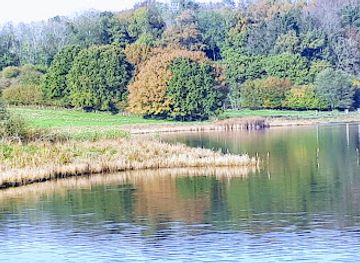
Discover Schleswig's vibrant heart at Königswiesen Park: scenic Schlei views, playgrounds, mini-golf, beaches, and cultural events await in this urban oasis by the Baltic Sea.
-
Festival
Baltic Open Air
Experience thunderous rock and metal music amidst the historic Viking landscape at Baltic Open Air in Busdorf, Germany.

Best landmarks in Schleswig
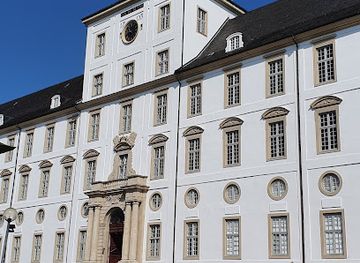
The most important historic landmark in Schleswig is Gottorf Castle, a former ducal residence whose architecture and collections illuminate the political importance of the duchy. Schleswig Cathedral, with its prominent tower and medieval origins, dominates the town’s skyline and remains one of the region’s defining ecclesiastical buildings. At Haithabu, the archaeological remains and reconstructed Viking houses mark a settlement that connected the North Sea and Baltic worlds, while the nearby Danevirke gives physical form to the medieval frontier. Flensburg’s old town is distinguished by merchant houses, courtyards and waterfront buildings shaped by Baltic commerce. Glücksburg Castle, set near the Flensburg Fjord, is a major Renaissance landmark associated with the ruling houses of the Danish and Schleswig-Holstein worlds. The Schlei itself is a geographical landmark, its narrow, branching inlet creating a distinctive landscape of water, fields and small harbours. On the western side, dykes, tidal flats, dunes and island shorelines are not monuments in the conventional sense, but they are essential landmarks of a region continually shaped by North Sea water and weather.
-
Archaeological museum
Viking Museum Haithabu
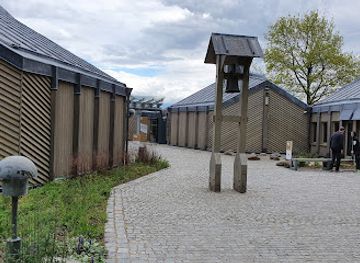
Explore the Viking Museum Haithabu and immerse yourself in the rich heritage of the Viking Age through engaging exhibits and authentic artifacts.
-
Museum
Gottorf Castle
Discover the enchanting Gottorf Castle in Schleswig, a historical museum featuring stunning architecture, unique artifacts, and beautiful gardens.
-
Local history museum
Historic fishing village Holm
Explore the enchanting Historic Fishing Village Holm, a gem of Schleswig with rich maritime history and stunning architectural beauty.
-
Tourist attraction
Northernmost point of Germany
Explore the Northernmost Point of Germany, a breathtaking coastal landmark where the North Sea meets stunning landscapes, rich history, and adventure.
Explore Schleswig on the map
Plan your trip on one map. See where the top cities, national parks and sights are, and book hotels and experiences in a few clicks.
Best hotels in Schleswig
Best restaurants in Schleswig
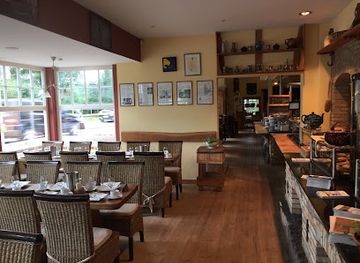
Dining in Schleswig reflects its position between farmland, fjord and open sea. Menus commonly draw on North German traditions, with fish, herring, eel, prawns and seasonal seafood appearing alongside potatoes, cabbage, dairy produce and locally grown vegetables. On the Baltic side, harbour restaurants and waterside cafés often focus on fish dishes, while rural inns in Angeln and around the Schlei provide hearty regional cooking in a more traditional setting. The North Frisian mainland and islands add their own coastal specialities, baking traditions and strong tea culture, including the cream-topped cake associated with North Frisia. Bread, pastries and cakes are important everyday foods, and market stalls are useful places to find local produce. Flensburg and Schleswig offer the broadest choice of international and contemporary restaurants, whereas smaller villages may have limited opening days or seasonal service. German dining conventions apply: many establishments accept cards, but smaller venues may prefer cash, and reservations are sensible for popular coastal restaurants in summer.
-
 Restaurant
ODINS Haithabu
Discover authentic German cuisine at ODINS Haithabu – where tradition meets creativity in every delicious dish.
-
Restaurant
Restaurant Mühlen-Bach
Experience exquisite steaks and warm hospitality at Restaurant Mühlen-Bach in Schleswig - where every meal is a celebration of flavor.
-
Hamburger
Burgermeisterin
Experience mouthwatering burgers at Burgermeisterin, a charming American-style restaurant overlooking the beautiful harbor of Schleswig.
-
Restaurant
Kaphörnchen und Eishörnchen am Stadthafen
Discover Kaphörnchen und Eishörnchen: A perfect blend of delicious cuisine and stunning harbor views in Schleswig.
Best bars in Schleswig
Evening life in Schleswig is shaped more by historic pubs, harbour restaurants, breweries, live music and seasonal events than by a large nightclub circuit. Flensburg has the region’s broadest urban choice, with traditional drinking places, student-oriented venues, cafés and bars around its historic centre and waterfront. Schleswig provides a quieter evening scene centred on restaurants, pubs and cultural performances, while Kappeln, Glücksburg and other coastal towns rely largely on waterside dining, local inns and summer activity. In rural districts, the pub may be the principal social venue and can close earlier than visitors expect outside weekends or holiday periods. The region’s Danish and Frisian connections are visible in some cultural programmes and community venues, but offerings change with the season. Visitors interested in live music, theatre or festivals should check current local listings rather than assume that a venue or event operates year-round.
-
Restaurant
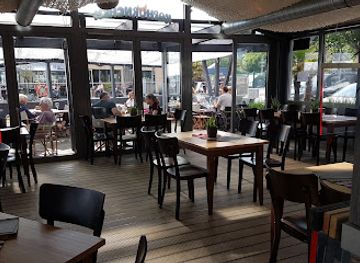
ODINS Haithabu
Experience the essence of German dining at ODINS Haithabu, where tradition meets modern culinary delights in a charming setting.
-
Bar
Kaphörnchen und Eishörnchen am Stadthafen
Experience the charm of Kaphörnchen und Eishörnchen, a perfect harbor-side café and bar offering delicious ice cream, coffee, and light meals in Schleswig.
-
Restaurant
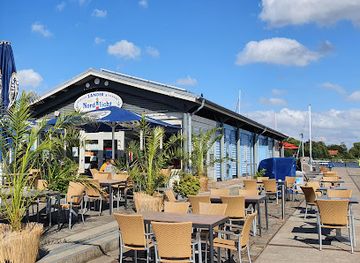
Bistro Zander's Nordlicht
Experience the finest local cuisine at Bistro Zander's Nordlicht, a waterfront restaurant in Schleswig known for its fresh dishes and inviting atmosphere.
-
Restaurant
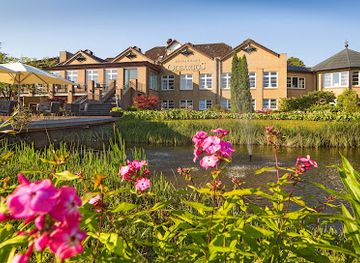
Romantik Hotel Waldschlösschen
Experience luxury and relaxation at Romantik Hotel Waldschlösschen in Schleswig, where wellness and exquisite dining await you.
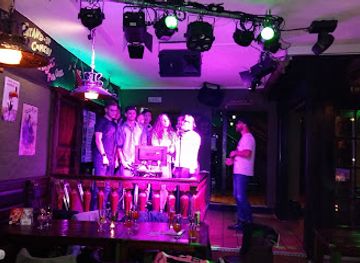
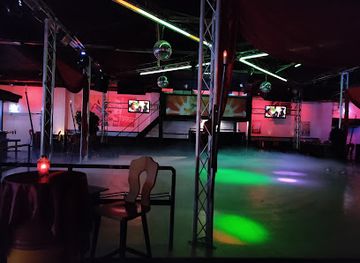
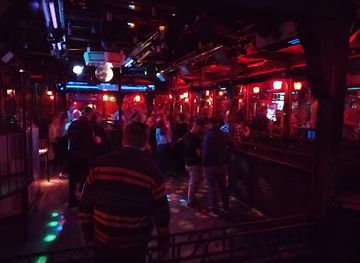
Best nightclubs in Schleswig
Evening life in Schleswig is shaped more by historic pubs, harbour restaurants, breweries, live music and seasonal events than by a large nightclub circuit. Flensburg has the region’s broadest urban choice, with traditional drinking places, student-oriented venues, cafés and bars around its historic centre and waterfront. Schleswig provides a quieter evening scene centred on restaurants, pubs and cultural performances, while Kappeln, Glücksburg and other coastal towns rely largely on waterside dining, local inns and summer activity. In rural districts, the pub may be the principal social venue and can close earlier than visitors expect outside weekends or holiday periods. The region’s Danish and Frisian connections are visible in some cultural programmes and community venues, but offerings change with the season. Visitors interested in live music, theatre or festivals should check current local listings rather than assume that a venue or event operates year-round.
-
Disco club
Ben Briggs
Discover the heart of Kiel's nightlife at Ben Briggs, a lively disco club and bar where you can dance the night away in an electrifying atmosphere.
-
Irish pub
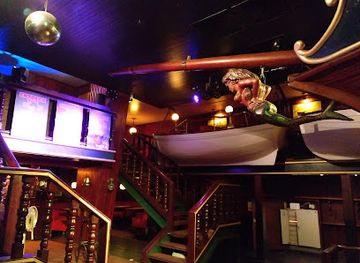
Klähblatt Pub Schleswig
Discover Klähblatt Pub, a cozy Irish haven in Schleswig, offering great drinks, live music, and a vibrant atmosphere for an unforgettable night out.
-
Disco club
Ela-Ela Schleswig
Discover the electrifying nightlife of Schleswig at Ela-Ela, where music and dancing come alive in an unforgettable disco experience.
-
Disco club
Cheyenne-Club
Experience the vibrant nightlife at Cheyenne-Club in Rendsburg, the ultimate disco club and restaurant for an unforgettable evening.
Best shops in Schleswig
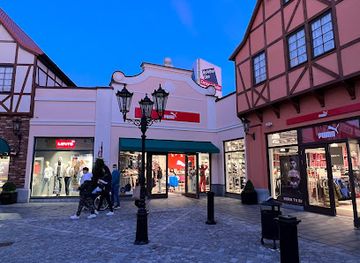
Shopping in Schleswig is strongest in historic town centres and market towns rather than in large retail complexes. Flensburg has the widest urban selection, including independent shops, Danish-influenced goods, books, design products and food retailers around its old streets and harbour. Schleswig offers practical high-street shopping alongside galleries, craft outlets and shops connected with its cultural institutions. Kappeln and smaller coastal towns are useful for maritime-themed gifts, regional food, ceramics, textiles and locally made crafts, while farm shops provide potatoes, dairy products, preserves, baked goods and seasonal produce. North Frisian towns and islands add woollens, coastal handicrafts, art galleries and food products, although prices and opening patterns can be strongly seasonal. Weekly markets are good places to find bread, fish, flowers and farm produce, but exact market days vary by town. Visitors should distinguish durable local products from generic seaside souvenirs, and should expect smaller rural businesses to close earlier than shops in Flensburg or Schleswig.
-
Outlet mall
Designer Outlet Neumünster
Shop till you drop at Designer Outlet Neumünster - a fantastic selection of brands and unbeatable discounts await you.
-
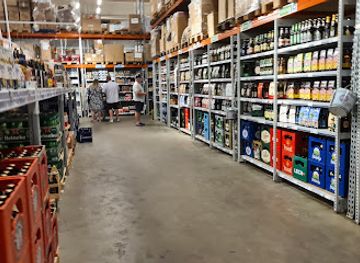
Hypermarket
Scandinavian Park
Experience the essence of Scandinavian shopping at Scandinavian Park, a hypermarket offering a wide array of quality products in Handewitt.
-
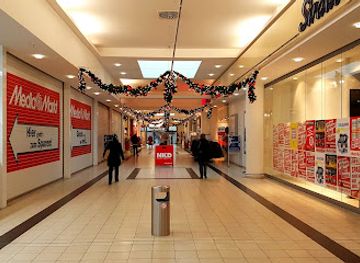
Shopping mall
Schlei-Center
Explore the vibrant Schlei-Center in Schleswig, where shopping meets dining and entertainment for an unforgettable experience.
-
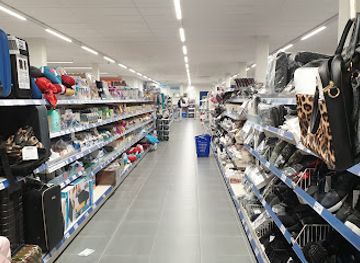
Gift shop
Action Schleswig
Explore Action Schleswig: Your Ultimate Destination for Unique Gifts, DIY Supplies, and Home Goods in Schleswig.
Get your free copy of our complete guide to Schleswig, delivered straight to you.
Everything on this page, from attractions and restaurants to essentials and local phrases, in one PDF you can read offline, print or share.
Already have an account? Sign in
Your Schleswig guide is ready.
We'll send it to · Not you? Sign out

Getting your guide ready…
We are putting together a fresh copy of the Schleswig guide. This can take up to a minute.
This can take a few moments. If your browser asks, choose Allow so the download can start. You'll find the guide in your Downloads folder.
Nothing happened? Download it again
Sorry, the guide is taking longer than usual. Please try again in a minute, or get it by email instead.
Schleswig essentials
Currency and Payment
Safety
Emergency Situations
Do's and Don'ts
Local Tips
From Eve
Local phrases worth knowing
You don't need to get them perfect. A few words go a long way, and locals appreciate the effort.
Basics
| English | Local | Say it |
|---|---|---|
| Hello | Hallo | [HAH-loh] |
| Goodbye | Auf Wiedersehen | [Owf VEE-dur-zay-en] |
| Yes | Ja | [YAH] |
| No | Nein | [NINE] |
| Please/You're welcome | Bitte | [BIT-tuh] |
| Thank you | Danke | [DAHN-kuh] |
| Excuse me/Sorry | Entschuldigung | [Ent-SHOOL-dee-goong] |
| How are you? | Wie geht's? | [VEE gates?] |
| Fine. And you? | Gut. Und dir? | [GOOT. OOND deer?] |
| Do you speak English? | Sprechen Sie Englisch? | [SPREH-ken zee ENG-lish?] |
| I don't understand | Ich verstehe nicht | [IHK fer-SHTAY-uh niht] |
Eating & Drinking
| English | Local | Say it |
|---|---|---|
| I'd like to see the menu, please | Ich hätte gerne die Speisekarte, bitte | [IHK HET-tuh GERN-uh dee SHPY-zeh-KAR-tuh, BIT-tuh] |
| I don't eat meat | Ich esse kein Fleisch | [IHK ESS-uh kighn FLYSH] |
| Cheers! | Prost! | [PROHST!] |
| I would like to pay, please | Ich möchte bezahlen, bitte | [IHK MURK-tuh beh-ZAH-len, BIT-tuh] |
Emergencies
| English | Local | Say it |
|---|---|---|
| Help! | Hilfe! | [HIL-fuh!] |
| Go away! | Geh weg! | [GAY VEH-k!] |
| Call the Police! | Rufen Sie die Polizei! | [ROO-fen zee dee PO-li-TZAI!] |
| Call a doctor! | Rufen Sie einen Arzt! | [ROO-fen zee EYE-nen ARTZ!] |
| I'm lost | Ich habe mich verirrt | [IHK HAH-buh mikh fer-IRT] |
| I'm ill | Ich bin krank | [IHK bin KRAHNK] |
Shopping
| English | Local | Say it |
|---|---|---|
| I'd like to buy... | Ich möchte ... kaufen | [IHK MURK-tuh ... KOW-fen] |
| I'm just looking | Ich schaue nur | [IHK SHOU-uh noor] |
| How much is it? | Wie viel kostet es? | [VEE feel KAWST it?] |
| That's too expensive | Das ist zu teuer | [DAS ist tsu TOY-er] |
| Can you lower the price? | Können Sie den Preis senken? | [KER-nen zee den PRICE ZEN-ken?] |
Time & Numbers
| English | Local | Say it |
|---|---|---|
| What time is it? | Wie spät ist es? | [VEE SHPAYT ist es?] |
| It's one o'clock | Es ist ein Uhr | [ES ist EYN OOR] |
| Half past (10) | Halb elf | [HALB ELF] |
| Morning | Morgen | [MOR-gen] |
| Afternoon | Nachmittag | [NAHKH-mit-tahg] |
| Evening | Abend | [AH-bent] |
| Yesterday | Gestern | [GES-tarn] |
| Today | Heute | [HOY-tuh] |
| Tomorrow | Morgen | [MOR-gen] |
| 1 | Eins | [EYNES] |
| 2 | Zwei | [TSVY] |
| 3 | Drei | [DRY] |
| 4 | Vier | [FEER] |
| 5 | Fünf | [FUENF] |
| 6 | Sechs | [ZEX] |
| 7 | Sieben | [ZEE-ben] |
| 8 | Acht | [AHKT] |
| 9 | Neun | [NOYN] |
| 10 | Zehn | [TSAYN] |
Transport & Directions
| English | Local | Say it |
|---|---|---|
| Where's a/the...? | Wo ist ein ...? | [VOH ist EYN ...?] |
| What's the address? | Was ist die Adresse? | [VAS ist dee AH-dres-suh?] |
| Can you show me (on the map)? | Können Sie mir (auf der Karte) zeigen? | [KER-nen zee meer (owf der KAR-tuh) TSY-gen?] |
| When's the next (bus)? | Wann kommt der nächste (Bus)? | [VAN komt der NAY-shtuh (BOOS)?] |
| A ticket (to ....) | Ein Ticket (nach ....) | [EYN TICKET (NAHKH ....)] |
History of Schleswig
The Viking Trading Centre of Haithabu
From the eighth to the eleventh centuries, Haithabu, near present-day Schleswig, was one of northern Europe’s major trading settlements. Its position beside the Schlei and close to the land route linking the North Sea and Baltic made it a meeting point for Scandinavian, Slavic, Frisian, Anglo-Saxon and Continental merchants. Craftspeople, traders and travellers contributed to a cosmopolitan settlement whose excavated remains include houses, workshops, harbour evidence and imported goods. The archaeological site and reconstructed buildings at Haithabu, together with the associated defensive Danevirke, preserve the region’s importance within Viking Age networks.
The Danevirke and Medieval Borderlands
The Danevirke is a major system of earthwork fortifications running across the Schleswig isthmus. Developed and enlarged over several centuries, it controlled movement between the North Sea and Baltic zones and marked the strategic frontier of the Danish kingdom. Its best-known surviving elements date from different periods, illustrating how the defensive landscape was repeatedly adapted. In the medieval era, Schleswig occupied a politically complex borderland, where Danish kings, German rulers, local elites and ecclesiastical institutions interacted. The fortifications, churches and settlements around Schleswig still reveal this layered frontier history.
The Duchy of Schleswig
From the Middle Ages into the nineteenth century, Schleswig was a duchy linked to the Danish crown but culturally and linguistically mixed. Danish, German and Frisian communities lived across different parts of the region, with language patterns changing from north to south and between coast, islands and towns. The duchy was governed alongside Holstein, which belonged to the Holy Roman Empire and later the German Confederation, creating a complicated constitutional relationship. Gottorf Castle and the town of Schleswig reflect the authority of the regional dukes, while rural estates, churches and merchant towns show how power extended beyond the court.
Maritime Trade and the Port Towns
From the early modern period onwards, Schleswig’s towns developed through trade, shipping, fishing and agriculture. Flensburg became a significant Baltic port with merchant houses, shipowners and commercial links extending across the North Atlantic and the Danish realm. Smaller ports on the Schlei and Baltic coast served local farming districts and maritime industries, while North Frisian communities combined seafaring, fishing, trade and cultivation of vulnerable coastal land. Harbours, warehouses, town gates and prosperous merchants’ houses remain visible reminders of an economy that depended on both protected inlets and difficult open-water routes.
The Schleswig Wars and the National Question
In the nineteenth century, Schleswig became the focus of a dispute over national identity and constitutional allegiance. The First Schleswig War began in 1848, and the conflict was ultimately settled through the 1851–52 arrangements that restored the Danish monarchy’s authority, though tensions remained. The Second Schleswig War in 1864 brought Schleswig and Holstein under Prussian and Austrian control after Denmark’s defeat. The settlement reshaped the political map and intensified debates over language, identity and sovereignty that still form an important part of the region’s historical consciousness.
The 1920 Plebiscites and the Border
Following the First World War, plebiscites were held in northern and central Schleswig under the terms of the Treaty of Versailles. Northern Schleswig voted to join Denmark, while central Schleswig voted to remain with Germany; the present international border was established in 1920. The result divided the historic duchy, but it also created a framework for recognised Danish and German minorities on either side. Modern Schleswig’s cross-border associations, bilingual cultural life and relatively open movement between Germany and Denmark are closely connected to this settlement.
War, Displacement and Post-war Change
The Second World War and its aftermath transformed northern Schleswig-Holstein. Military activity affected ports and coastal installations, while the arrival of displaced people from eastern parts of Germany placed new pressure on housing, farms and towns. After 1945, the region’s economy combined agriculture, shipping, tourism, public administration and cross-border commerce. The Danish minority and newly strengthened European cooperation gave the border a different character, while improved roads, ferries and leisure infrastructure gradually made the coast and islands more accessible to visitors.
Schleswig in Photos
Browse through our photo collection highlighting the charm and character of the destination.
Neighbouring regions of Schleswig
The closest regions to Schleswig, if you have time for more than one.
-

-

-

-

-


Swipe for more regions
Explore more

Explore more of Germany
Experience Germany: where history meets innovation, and urban energy blends with natural beauty. Discover diverse cultures, delicious cuisine, and stunning landscapes.
Explore Germany