

Free Prignitz Travel Guide & Mobile App
Explore Prignitz with free travel guides. Discover regional history, expert tips, proposed trips, and audio guides on web or mobile app.


Explore Prignitz in north-west Brandenburg for Elbe wetlands, historic towns, cycling routes, stork villages and quietly impressive rural heritage.
Read more about Prignitz
When is the best time to visit Prignitz?
Best: June–August · 23–25°C| Month | High (°C) | Rainfall (mm) |
|---|---|---|
| January | 3 | 40 |
| February | 3 | 35 |
| March | 8 | 40 |
| April | 14 | 45 |
| May | 19 | 55 |
| June (best) | 23 | 65 |
| July (best) | 25 | 65 |
| August (best) | 24 | 60 |
| September | 20 | 50 |
| October | 15 | 45 |
| November | 8 | 40 |
| December | 4 | 45 |
Getting to and around Prignitz
How to get there
Transportation
Best attractions in Prignitz
Prignitz's attractions are shaped by the meeting of open countryside, river wetlands and small historic towns. The Elbe floodplain around Lenzen offers cycling, walking and birdwatching within the Flusslandschaft Elbe Biosphere Reserve, while the Rambower Moor provides a more intimate wetland setting with observation points and paths. Rühstädt is notable for its white storks and is one of the region's most distinctive wildlife destinations. History is represented by Plattenburg, rural manor landscapes, village churches and the pilgrimage church in Bad Wilsnack. Wittenberge adds industrial heritage, railway history and museums connected with the town's manufacturing past. Perleberg and Pritzwalk are useful bases for exploring civic architecture, local collections and the surrounding countryside. Visitors should expect a dispersed attraction pattern rather than a single tourism centre: the pleasure lies in combining a museum or church with a bicycle ride, riverside walk, village visit or seasonal nature experience.
-
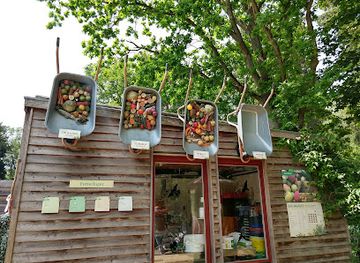
Animal protection organization
BÄRENWALD Müritz gGmbH
Experience the beauty of nature and animal conservation at Bärenwald Müritz, a wildlife refuge dedicated to rescued bears in Germany.
-
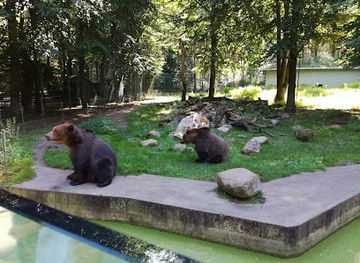
Zoo
Perleberg Zoo
Discover the beauty of wildlife at Perleberg Zoo, where conservation meets fun in the heart of Germany's scenic landscapes.
-
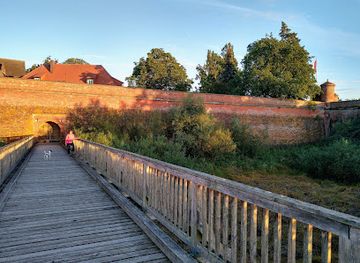
Tourist attraction
Binnendünen bei Klein Schmölen
Discover the serene landscapes of Binnendünen bei Klein Schmölen, a nature preserve perfect for hiking, birdwatching, and enjoying tranquil moments in nature.
-
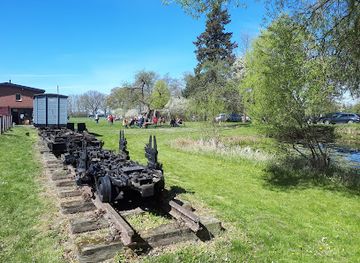
Rail museum
Prignitzer Kleinbahnmuseum Lindenberg e. V.
Explore the rich history of rail transport at the Prignitzer Kleinbahnmuseum, a hidden gem in Brandenburg showcasing vintage trains and engaging exhibits.
Best landmarks in Prignitz
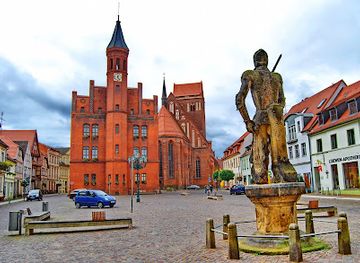
The Wunderblutkirche in Bad Wilsnack is Prignitz's most important religious landmark, a large brick Gothic church whose scale recalls the town's late-medieval pilgrimage importance. Plattenburg, surrounded by rural landscapes and waterways, is among Brandenburg's oldest surviving castles and provides a tangible link with the medieval noble history of the region. Perleberg's market square is marked by its Roland statue, a traditional symbol of civic rights, and framed by historic town architecture including the town's churches. In Wittenberge, the former railway and industrial sites express the transformation brought by the Berlin–Hamburg railway and nineteenth-century manufacturing. The Elbe itself is also a defining natural landmark, especially where dykes, floodplain meadows, pollarded willows and broad views create the characteristic western Prignitz landscape. The Rambower Moor and its wetland basin represent another significant natural feature, valued for both biodiversity and the evidence it provides of the region's long relationship with water and land management.
-
Historical landmark
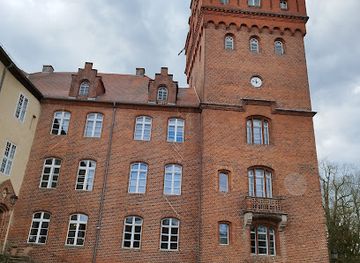
Plattenburg
Discover the enchanting Plattenburg, a historical landmark in Germany that offers a glimpse into the past amidst stunning landscapes.
-
Landmark
Perleberger Roland
Explore the rich history and vibrant culture of Perleberg at the iconic Perleberger Roland, a must-visit landmark in Germany.
-
Museum
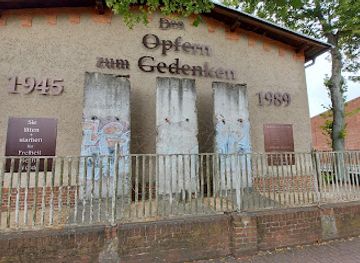
DDR-Geschichtsmuseum
Explore the captivating history of East Germany at the DDR-Geschichtsmuseum in Perleberg, where personal stories and artifacts bring the past to life.
-
Museum
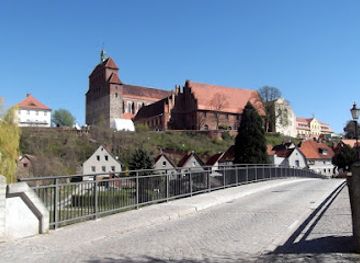
Prignitz Museum am Dom Havelberg
Explore the rich cultural heritage of Prignitz at the Prignitz Museum am Dom Havelberg, a captivating destination for history lovers.
Explore Prignitz on the map
Plan your trip on one map. See where the top cities, national parks and sights are, and book hotels and experiences in a few clicks.
Best hotels in Prignitz
Best restaurants in Prignitz
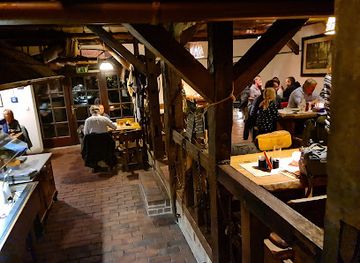
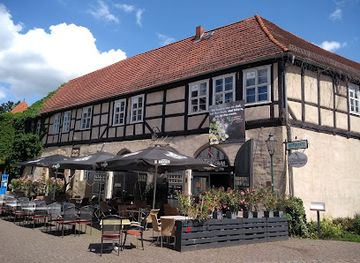
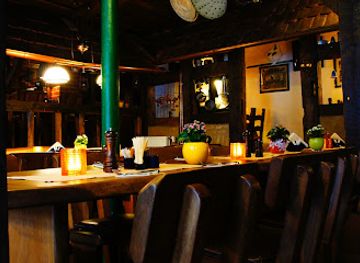
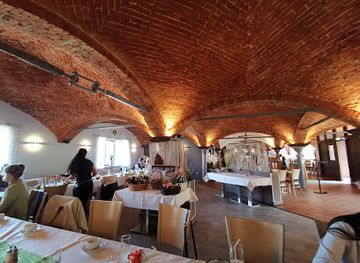
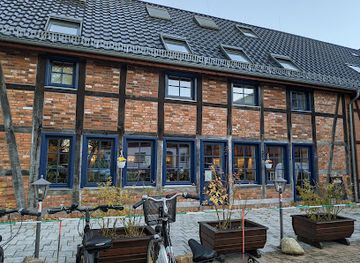
Dining in Prignitz reflects north German and Brandenburg rural traditions, with menus often shaped by seasonal vegetables, potatoes, freshwater fish, pork, game and locally sourced produce. Asparagus is prominent during its spring season, while bakery goods, cakes and preserves are common in cafés and village establishments. Traditional Gasthäuser and pubs tend to offer substantial regional cooking, whereas restaurants in Wittenberge, Perleberg and other larger towns provide a broader choice of contemporary German and international dishes. Along the Elbe, fish dishes may appear alongside familiar northern specialities, though individual menus vary. Farmers' markets, farm shops and seasonal roadside stands are useful for discovering regional produce, including fruit, vegetables, honey and preserves. Dining times and choices can be more limited in small villages, so travellers exploring rural Prignitz should check arrangements in advance and avoid assuming that every countryside attraction has a restaurant nearby.
-
Steak
Der Kuhstall auf Dahses Erbhof
Discover exceptional steaks and cozy accommodations at Der Kuhstall auf Dahses Erbhof in Karstädt - where culinary delight meets comfort.
-
Italian
L’Italiano
Discover the essence of Italy at L’Italiano in Perleberg – where authentic flavors meet warm hospitality.
-
Restaurant
Waldhotel Forsthaus Hainholz
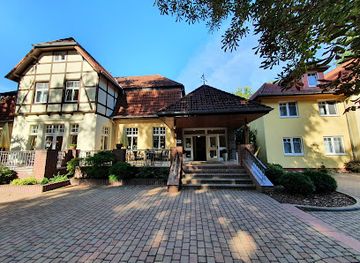
Discover tranquility at Waldhotel Forsthaus Hainholz: A perfect blend of fine dining and comfortable lodging amidst nature's beauty.
-
Restaurant
Kulturscheune Schilde
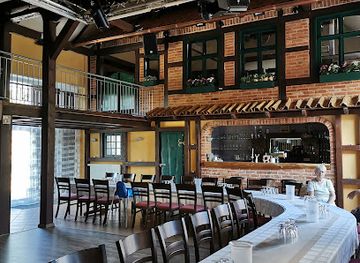
Experience authentic German cuisine at Kulturscheune Schilde - where local flavors meet warm hospitality in a charming village setting.
Best bars in Prignitz
Prignitz has a modest evening scene centred on traditional pubs, hotel restaurants, beer gardens and cafés rather than large nightclubs. Wittenberge offers the widest choice of places for an evening drink, with Perleberg and Pritzwalk providing smaller town alternatives; elsewhere, nightlife is closely connected to village inns, local events and seasonal cultural programmes. Historic town settings and riverside areas can make pleasant places for an early evening meal or drink, while live music and community events appear periodically rather than as a permanent nightly offer. Visitors interested in theatre, concerts or exhibitions should check local programmes because dates and venues vary. Rural distances and limited late public transport make it sensible to arrange a taxi, designated driver or accommodation within walking distance instead of planning an improvised journey between villages.
-
Steak
Der Kuhstall auf Dahses Erbhof
Experience the authentic taste of Germany at Der Kuhstall auf Dahses Erbhof, where delicious steaks meet cozy accommodations in a charming village setting.
-
 Restaurant
Kulturscheune Schilde
Experience authentic German cuisine and local culture at Kulturscheune Schilde, a beloved restaurant in the heart of Weisen.
-
German
Zur Alten Mälzerei - Restaurant Pritzwalk
Discover authentic German flavors and a lively beer garden at Zur Alten Mälzerei in Pritzwalk, a perfect dining spot for tourists.
-
Restaurant
Alter Speicher am Bahndamm
Discover authentic German cuisine and cozy holiday apartments at Alter Speicher am Bahndamm in scenic Bad Wilsnack.
Best nightclubs in Prignitz
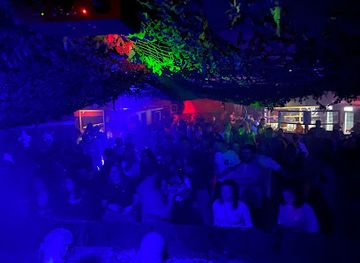
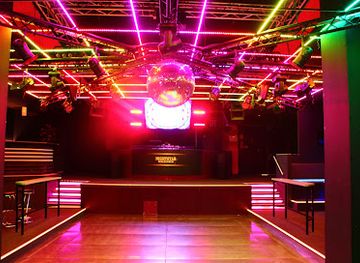
Prignitz has a modest evening scene centred on traditional pubs, hotel restaurants, beer gardens and cafés rather than large nightclubs. Wittenberge offers the widest choice of places for an evening drink, with Perleberg and Pritzwalk providing smaller town alternatives; elsewhere, nightlife is closely connected to village inns, local events and seasonal cultural programmes. Historic town settings and riverside areas can make pleasant places for an early evening meal or drink, while live music and community events appear periodically rather than as a permanent nightly offer. Visitors interested in theatre, concerts or exhibitions should check local programmes because dates and venues vary. Rural distances and limited late public transport make it sensible to arrange a taxi, designated driver or accommodation within walking distance instead of planning an improvised journey between villages.
-
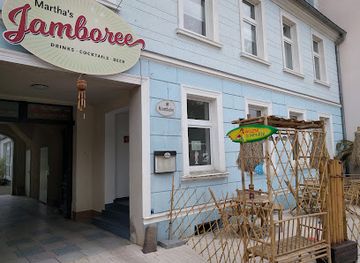
Bar
Martha's Jamboree
Experience the vibrant nightlife at Martha's Jamboree in Perleberg, where exceptional drinks and a lively atmosphere await every visitor.
-
Disco club
Flash Club & Diskothek
Discover the electrifying nightlife at Flash Club & Diskothek in Osterburg, where music, dance, and good times come together for an unforgettable experience.
-
Night club
Disco Night Star Walsleben
Unleash your inner dancer at Disco Night Star Walsleben, the ultimate night club experience in the heart of Walsleben, Germany.
-
Bar
Global Bar Club
Global Bar Club in Wittenberge offers a vibrant nightlife experience with great drinks, live music, and an inviting atmosphere for all.

Best shops in Prignitz
Shopping in Prignitz is concentrated in the high streets and market areas of Wittenberge, Perleberg and Pritzwalk, where everyday retail sits alongside independent cafés, bookshops and smaller specialist businesses. The region is better suited to local produce and practical browsing than to extensive designer shopping. Farm shops, seasonal stalls and farmers' markets offer opportunities to buy asparagus, honey, preserves, fruit, vegetables and other Brandenburg products, with availability changing through the year. Craft and gift selections may include ceramics, textiles, woodwork and locally themed food products, while galleries and cultural venues can provide work by regional artists. Historic towns are useful for combining shopping with architecture and a café stop, but rural villages may have very limited retail provision. Visitors should check market days and opening arrangements before making a special journey, particularly outside the main towns.
-
Shopping mall
Westprignitzer Einkaufszentrum (alle Geschäfte)
Explore a shopper's haven at Westprignitzer Einkaufszentrum, where fashion, dining, and entertainment come together in Wittenberge.
-
Army & navy surplus shop
BW-Shop GmbH - Onlinehandel
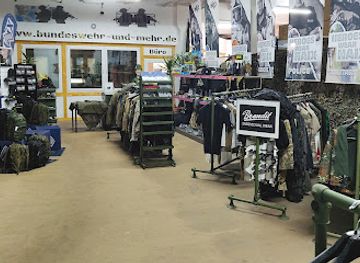
Discover military history and outdoor gear at BW-Shop GmbH, Wittenberge's premier army and navy surplus shop.
-
Fishing store
Perleberger Agrar Shop / fishingtotal.de
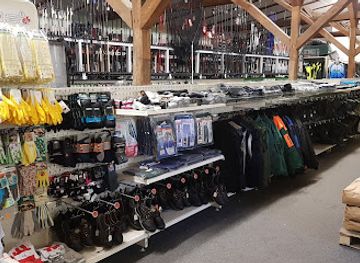
Explore the Perleberger Agrar Shop, your ultimate destination for fishing gear and expert advice in Perleberg, Germany.
-
Deli
RAFFINARIUM Meierholz
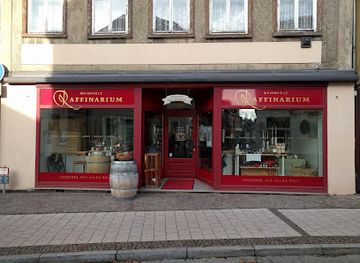
Explore the flavors of Perleberg at RAFFINARIUM Meierholz, where exquisite deli delights and fine wines await every culinary enthusiast.
Get your free copy of our complete guide to Prignitz, delivered straight to you.
Everything on this page, from attractions and restaurants to essentials and local phrases, in one PDF you can read offline, print or share.
Already have an account? Sign in
Your Prignitz guide is ready.
We'll send it to · Not you? Sign out

Getting your guide ready…
We are putting together a fresh copy of the Prignitz guide. This can take up to a minute.
This can take a few moments. If your browser asks, choose Allow so the download can start. You'll find the guide in your Downloads folder.
Nothing happened? Download it again
Sorry, the guide is taking longer than usual. Please try again in a minute, or get it by email instead.
Prignitz essentials
Currency and Payment
Safety
Emergency Situations
Do's and Don'ts
Local Tips
From Eve
Local phrases worth knowing
You don't need to get them perfect. A few words go a long way, and locals appreciate the effort.
Basics
| English | Local | Say it |
|---|---|---|
| Hello | Hallo | [Hah-loh] |
| Goodbye | Auf Wiedersehen | [Owf Veed-er-zay-en] |
| Yes | Ja | [Yah] |
| No | Nein | [Nyn] |
| Please/You're welcome | Bitte | [Bit-teh] |
| Thank you | Danke | [Dahn-keh] |
| Excuse me/Sorry | Entschuldigung | [Ent-shool-dee-goong] |
| How are you? | Wie geht's? | [Vee gates?] |
| Fine. And you? | Gut. Und dir? | [Gooot. Oond deer?] |
| Do you speak English? | Sprechen Sie Englisch? | [Shpreh-chen Zee Eng-lish?] |
| I don't understand | Ich verstehe nicht | [Ish fer-shteh-eh nikht] |
Eating & Drinking
| English | Local | Say it |
|---|---|---|
| I'd like to see the menu, please | Ich möchte die Speisekarte sehen, bitte | [Ish merkh-teh dee Shpy-ze-kahr-teh zay-en, bit-teh] |
| I don't eat meat | Ich esse kein Fleisch | [Ish ess-eh kyn Flysh] |
| Cheers! | Prost! | [Prohst!] |
| I would like to pay, please | Ich möchte bezahlen, bitte | [Ish merkh-teh beh-tsah-len, bit-teh] |
Emergencies
| English | Local | Say it |
|---|---|---|
| Help! | Hilfe! | [Hil-feh!] |
| Go away! | Geh weg! | [Geh vehk!] |
| Call the Police! | Rufen Sie die Polizei! | [Roo-fen Zee dee Po-li-tsai!] |
| Call a doctor! | Rufen Sie einen Arzt! | [Roo-fen Zee eye-nen Artst!] |
| I'm lost | Ich habe mich verlaufen | [Ish hah-beh mikh fer-lau-fen] |
| I'm ill | Ich bin krank | [Ish bin krank] |
Shopping
| English | Local | Say it |
|---|---|---|
| I'd like to buy... | Ich möchte ... kaufen | [Ish merkh-teh ... kau-fen] |
| I'm just looking | Ich schaue nur | [Ish shau-eh noor] |
| How much is it? | Wie viel kostet es? | [Vee feel kost-et es?] |
| That's too expensive | Das ist zu teuer | [Das ist tsoo toy-er] |
| Can you lower the price? | Können Sie den Preis senken? | [Kurn-en Zee den Pryce zen-ken?] |
Time & Numbers
| English | Local | Say it |
|---|---|---|
| What time is it? | Wie spät ist es? | [Vee shpayt ist es?] |
| It's one o'clock | Es ist ein Uhr | [Es ist ine Oor] |
| Half past (10) | Halb (10) | [Halb (10)] |
| Morning | Morgen | [Mor-gen] |
| Afternoon | Nachmittag | [Nahch-mit-tahg] |
| Evening | Abend | [A-bend] |
| Yesterday | Gestern | [Gess-turn] |
| Today | Heute | [Hoy-teh] |
| Tomorrow | Morgen | [Mor-gen] |
| 1 | Eins | [Eins] |
| 2 | Zwei | [Zwei] |
| 3 | Drei | [Drei] |
| 4 | Vier | [Veer] |
| 5 | Fünf | [Fuenf] |
| 6 | Sechs | [Zex] |
| 7 | Sieben | [Zee-ben] |
| 8 | Acht | [Acht] |
| 9 | Neun | [Noyn] |
| 10 | Zehn | [Zayn] |
Transport & Directions
| English | Local | Say it |
|---|---|---|
| Where's a/the...? | Wo ist ein/das...? | [Vo ist ine/das...?] |
| What's the address? | Wie ist die Adresse? | [Vee ist dee A-dress-eh?] |
| Can you show me (on the map)? | Können Sie mir (auf der Karte) zeigen? | [Kurn-en Zee meer (owf dare Kar-teh) tsigh-en?] |
| When's the next (bus)? | Wann kommt der nächste (Bus)? | [Vahn komt dare nay-sh-teh (Boos)?] |
| A ticket (to ....) | Ein Ticket (nach ....) | [Ine Ti-ket (nahkh....)] |
History of Prignitz
Slavic Settlement and Medieval Colonisation
Before the formation of the medieval German-speaking towns, the region was inhabited by West Slavic communities, whose settlement patterns remain part of Prignitz's deeper historical background. From the twelfth century, German territorial expansion, the establishment of noble estates and the foundation or development of market towns altered the political and linguistic character of the area. Waterways and routes across the Elbe plain supported trade and communication, while churches, villages and fortified residences became enduring features of the countryside.
Medieval Towns, Nobility and the Plattenburg
During the later Middle Ages, Prignitz developed through a combination of rural lordships, ecclesiastical foundations and market centres such as Perleberg and Pritzwalk. Plattenburg, built in the twelfth century and expanded over subsequent centuries, reflects the importance of fortified noble residences in a territory contested by regional powers. Perleberg's civic institutions and churches likewise grew from its position on routes linking Brandenburg with the Elbe and Mecklenburg. The surviving town centres and village churches preserve elements of this medieval political and economic order.
Bad Wilsnack and the Late-Medieval Pilgrimage
Bad Wilsnack became one of northern Europe's significant pilgrimage destinations after reports in the fourteenth century that consecrated hosts had survived the burning of the local church. Pilgrims travelled to the town to visit the relics, and the large Wunderblutkirche, or Church of the Holy Blood, was built to accommodate the cult. Although the pilgrimage declined after the Reformation, the church remains a major monument to medieval religious travel and demonstrates how spiritual networks connected this rural Brandenburg region with distant parts of Europe.
Agriculture, Estates and the Elbe Landscape
For centuries, Prignitz was predominantly an agricultural region, organised through villages, manor estates, small market towns and river transport. Grain cultivation, livestock farming and the management of meadows shaped the open landscape, while dykes and land drainage influenced settlement beside the Elbe. Noble estates and their associated farm buildings left architectural traces in villages and manor grounds. The region's present-day conservation landscapes do not represent untouched nature; they are cultural landscapes produced by generations of farming, seasonal flooding and water management.
Railways, Industry and Wittenberge
The arrival of the railway in the nineteenth century changed Prignitz's relationship with the wider country. Wittenberge became a major junction on the Berlin–Hamburg route and developed significant industrial activity, most famously through the Singer sewing-machine works. Railway workshops, factories and workers' housing transformed the Elbe town and brought new employment and population. The industrial legacy remains visible in Wittenberge's railway and factory architecture, offering a counterpoint to the agricultural history that dominates much of the surrounding district.
Twentieth-Century Change and Environmental Protection
The twentieth century brought war, border changes, the division of Germany and the economic restructuring that followed reunification. Prignitz remained rural and relatively remote, while some industrial activities declined and rail services were reorganised. Since the late twentieth century, conservation and carefully managed tourism have become increasingly important, particularly along the Elbe. The Flusslandschaft Elbe Biosphere Reserve and protected wetlands such as the Rambower Moor reflect a modern effort to preserve biodiversity while maintaining farming communities and public access.
Prignitz in Photos
Browse through our photo collection highlighting the charm and character of the destination.
Neighbouring regions of Prignitz
The closest regions to Prignitz, if you have time for more than one.
-

-

-

-

-


Swipe for more regions
Explore more

Explore more of Germany
Experience Germany: where history meets innovation, and urban energy blends with natural beauty. Discover diverse cultures, delicious cuisine, and stunning landscapes.
Explore Germany