

Free Anhalt Travel Guide & Mobile App
Explore Anhalt with free travel guides. Discover regional history, expert tips, proposed trips, and audio guides on web or mobile app.


Explore Anhalt in Germany for Bauhaus architecture, princely gardens, river landscapes, historic towns and a distinctive central European cultural heritage.
Read more about Anhalt
When is the best time to visit Anhalt?
Best: June–August · 23–25°C| Month | High (°C) | Rainfall (mm) |
|---|---|---|
| January | 3 | 45 |
| February | 5 | 35 |
| March | 10 | 40 |
| April | 15 | 45 |
| May | 19 | 50 |
| June (best) | 23 | 60 |
| July (best) | 25 | 65 |
| August (best) | 24 | 60 |
| September | 19 | 50 |
| October | 14 | 45 |
| November | 8 | 50 |
| December | 4 | 55 |
Getting to and around Anhalt
How to get there
Transportation
Best attractions in Anhalt
Anhalt’s attractions are distributed across a cultural landscape rather than concentrated in one resort or city centre. Dessau-Roßlau combines the Bauhaus Building and Masters’ Houses with museums, galleries and the landscape estates associated with the former Anhalt-Dessau court. The Dessau-Wörlitz Garden Realm is the region’s defining outdoor attraction: Wörlitz Park, Luisium, Georgium and Mosigkau offer different expressions of eighteenth-century landscape planning, with paths, water, woodland and palaces designed as a connected experience. Köthen adds palace collections and musical history linked to Johann Sebastian Bach, while Bernburg’s castle and riverside setting provide a distinct Saale perspective. Zerbst preserves fragments of its former princely residence and historic town, and Ballenstedt, Harzgerode and Gernrode connect cultural visits with the wooded landscapes of the Harz foothills. Cycling routes, river scenery and quiet park walks broaden the region’s appeal without requiring a single large national park or resort. The attraction landscape is strongest for visitors who enjoy combining architecture, gardens, museums, music and manageable outdoor journeys.
-
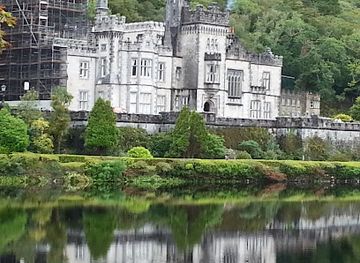
Tourist attraction
Zoo Magdeburg
Discover a diverse animal world at Zoo Magdeburg, with conservation efforts, themed habitats, and family-friendly attractions for an unforgettable experience.
-
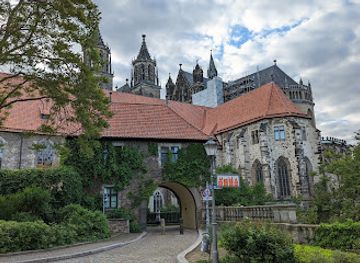
Tourist attraction
Magdeburg Cathedral
Explore Germany's oldest Gothic cathedral, a landmark of Magdeburg and final resting place of Emperor Otto I.
-
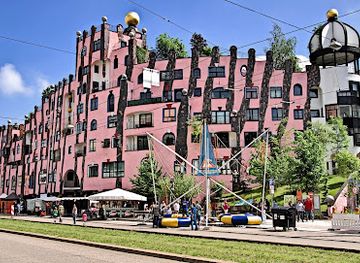
Tourist attraction
Hundertwasser's Green Citadel of Magdeburg
Experience the whimsical beauty and artistic flair of Hundertwasser's Green Citadel, a unique architectural gem in Magdeburg that seamlessly blends art with nature.
-
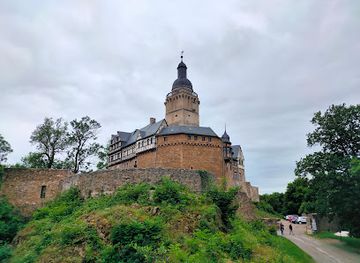
Tourist attraction
Burg Falkenstein
Discover medieval history and stunning views at Burg Falkenstein, a remarkably preserved castle in the heart of the Harz Mountains.
Best landmarks in Anhalt
The Bauhaus Building in Dessau is Anhalt’s most internationally recognisable modern landmark, its glass curtain wall and disciplined geometry expressing the school’s approach to architecture and design. The nearby Masters’ Houses form a related group of modernist residences and help explain how the Bauhaus functioned as a community as well as an institution. In a different register, Wörlitz Palace and the structures of Wörlitz Park embody the Enlightenment ambitions of Anhalt-Dessau’s ruling prince, with architecture carefully integrated into water, woodland and open views. Bernburg Castle rises above the Saale and preserves the visual authority of a former princely residence, while Köthen Palace recalls the court where Johann Sebastian Bach worked. Zerbst’s surviving palace remains are a powerful reminder of wartime destruction and the former importance of the Anhalt-Zerbst line. The Romanesque church of St Cyriakus in Gernrode, at the western edge of the historic Anhalt sphere, represents the region’s medieval ecclesiastical heritage. Together these places show the shifts from dynasty and faith to landscape design, music, modernism and industrial-era memory.
-
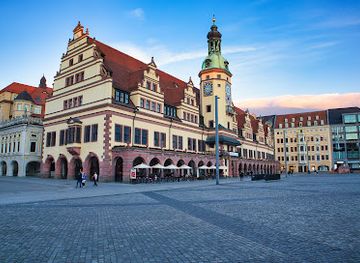
Historical market square
Marktplatz Leipzig
Explore the historical heart of Leipzig at Marktplatz, where culture, architecture, and local flavors come together in a vibrant market square.
-
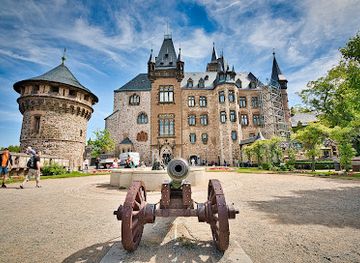
Castle
Wernigerode Castle
Experience the enchanting beauty of Wernigerode Castle, a majestic fortress offering breathtaking views, rich history, and outdoor adventures in the heart of the Harz Mountains.
-
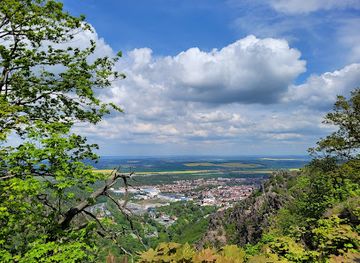
Tourist attraction
Hexentanzplatz Thale
Explore Hexentanzplatz Thale: A magical blend of breathtaking views, hiking trails, and rich folklore in the heart of Germany's enchanting Harz mountains.
-
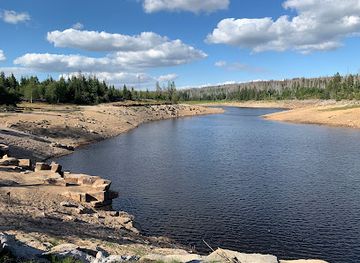
National park
Harz National Park
Explore the enchanting landscapes and rich wildlife of Harz National Park, a premier destination for outdoor adventures in Northwestern Germany.
Explore Anhalt on the map
Plan your trip on one map. See where the top cities, national parks and sights are, and book hotels and experiences in a few clicks.
Best hotels in Anhalt
Best restaurants in Anhalt
Anhalt’s dining is rooted in central German cooking, with hearty meat dishes, potatoes, seasonal vegetables, soups, freshwater fish and generously baked cakes appearing in traditional restaurants, cafés and rural inns. Dessau, Köthen and Bernburg offer the widest choice, ranging from everyday German cooking to contemporary menus, while smaller towns and village inns tend to focus on familiar regional fare. Bakery culture is important throughout the region, and local cafés are useful stops when exploring parks and historic centres. Along the Elbe and Saale, fish may feature seasonally, while agricultural districts supply vegetables, fruit and dairy products. Farmers’ markets and food shops provide opportunities to buy bread, preserves, honey and other produce, although market schedules vary. Beer is common, but restaurants also serve German wines, fruit juices and non-alcoholic drinks. Visitors should distinguish Anhalt’s local culinary character from better-known dishes associated with other parts of Germany; its strength lies in homely central German food, seasonal ingredients and the relaxed traditions of cafés, inns and market towns.
-
Restaurant
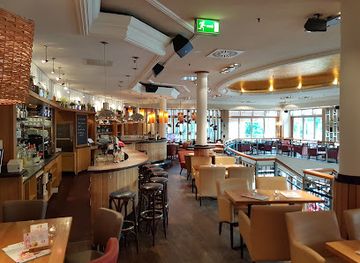
ALEX Magdeburg
Discover ALEX Magdeburg: where culinary delights meet vibrant atmosphere in the heart of Germany's historical city.
-
German
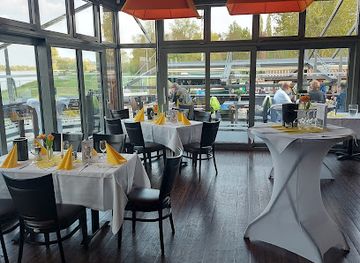
MückenWirt Biergarten und Restaurant
Experience traditional German cuisine in a vibrant beer garden setting at MückenWirt Biergarten und Restaurant in Magdeburg.
-
German
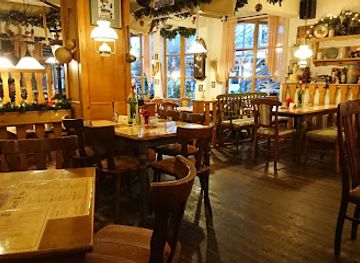
Altdeutsches Kartoffelhaus
Experience authentic German flavors at Altdeutsches Kartoffelhaus in Blankenburg – a culinary journey worth savoring!
-
German
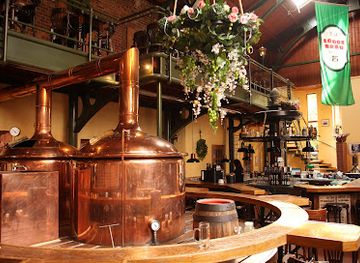
Brauhaus Lüdde
Experience authentic German cuisine and craft beer at Brauhaus Lüdde in Quedlinburg—where tradition meets taste.
Best bars in Anhalt
Evening life in Anhalt is relatively restrained and centres on traditional pubs, restaurants, café-bars and cultural venues rather than a large nightclub circuit. Dessau-Roßlau has the broadest choice, including places connected with its student, theatre and contemporary arts communities, while Köthen and Bernburg offer smaller town-centre options for drinks, conversation and occasional live music. Historic inns and local pubs remain more characteristic than late-night clubs in rural areas and the smaller Harz-edge towns. Cultural programmes, concerts and theatre performances can provide a stronger evening focus than nightlife alone, particularly in Dessau. Brewery-style establishments and wine or cocktail bars may be found in the larger towns, but venues and schedules change, so current local listings are advisable. The region is best suited to relaxed evenings after museums, gardens or music events, with late-night entertainment most limited outside the principal towns.
-
Bar
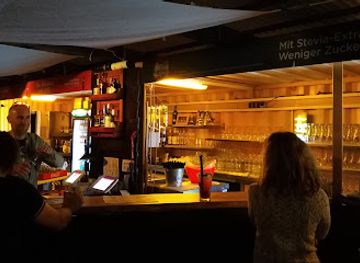
Beach Bar Magdeburg
Experience the vibrant beach vibes at Beach Bar Magdeburg, where relaxation meets nightlife in a picturesque riverside setting.
-
American
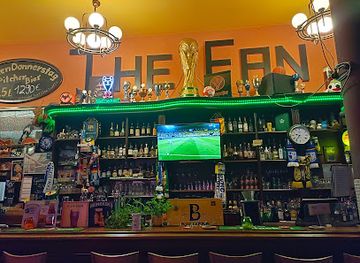
American Sportsbar The Fan-Magdeburg
Discover the vibrant American Sportsbar The Fan in Magdeburg, where delicious food meets an exciting sports atmosphere.
-
Pub
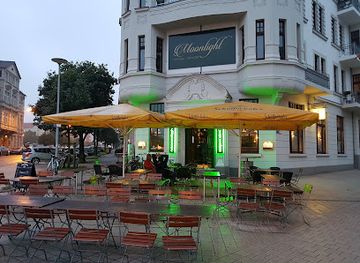
Moonlight - Magdeburg
Experience the vibrant nightlife of Magdeburg at Moonlight, a lively pub offering drinks, snacks, and a welcoming atmosphere.
-
Bar
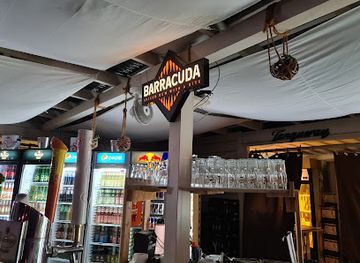
Montego Beachclub • Magdeburg
Discover Montego Beachclub in Magdeburg: the ultimate destination for beach volleyball, refreshing cocktails, and vibrant nightlife.
Best nightclubs in Anhalt
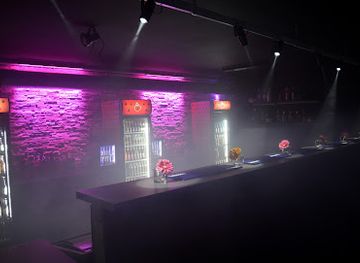
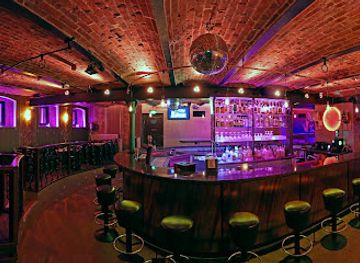
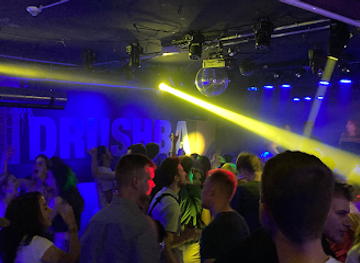
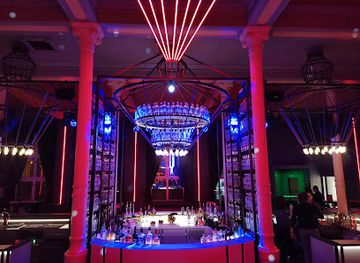
Evening life in Anhalt is relatively restrained and centres on traditional pubs, restaurants, café-bars and cultural venues rather than a large nightclub circuit. Dessau-Roßlau has the broadest choice, including places connected with its student, theatre and contemporary arts communities, while Köthen and Bernburg offer smaller town-centre options for drinks, conversation and occasional live music. Historic inns and local pubs remain more characteristic than late-night clubs in rural areas and the smaller Harz-edge towns. Cultural programmes, concerts and theatre performances can provide a stronger evening focus than nightlife alone, particularly in Dessau. Brewery-style establishments and wine or cocktail bars may be found in the larger towns, but venues and schedules change, so current local listings are advisable. The region is best suited to relaxed evenings after museums, gardens or music events, with late-night entertainment most limited outside the principal towns.
-
Disco club
Geheimclub - Magdeburg
Experience the vibrant nightlife of Magdeburg at Geheimclub, where music and dance come alive in an unforgettable atmosphere.
-
Disco club
Ars Vivendi Party Club Lounge Wernigerode
Ars Vivendi Party Club Lounge Wernigerode: Your ultimate nightlife destination for dancing, cocktails, and unforgettable memories.
-
Disco club
Klub Drushba
Experience the vibrant nightlife at Klub Drushba, Halle's premier disco club and live music venue, where the energy never dies.
-
Night club
Club No 12 - Halle (Saale)
Discover the vibrant nightlife of Halle (Saale) at Club No 12, where unforgettable music and energy await every visitor.
Best shops in Anhalt
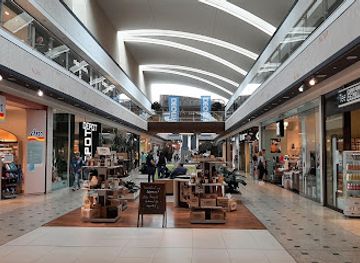
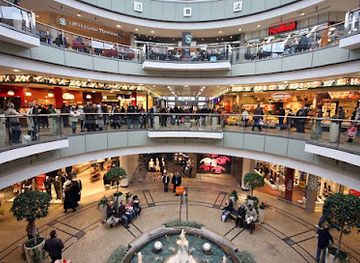
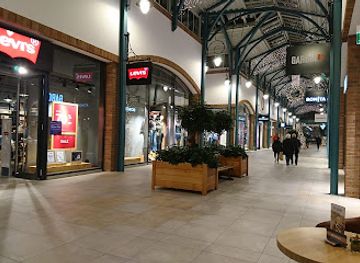
Shopping in Anhalt is primarily local and practical, with historic town centres, pedestrian streets, independent retailers, bakeries, cafés, bookshops and weekly markets providing the main experience. Dessau-Roßlau offers the broadest selection and is the best place to look for Bauhaus-related books, design objects and cultural souvenirs, while Köthen and Bernburg combine everyday high-street shopping with smaller independent businesses. Market stalls and farm shops can provide bread, honey, preserves, seasonal fruit, vegetables and other regional produce, although individual market days should be checked locally. Craft and heritage shops near museums and garden attractions may sell ceramics, prints, postcards and publications connected with Anhalt’s architecture, music and princely landscapes. Visitors exploring the Garden Realm should not expect a continuous retail district between the parks; shopping is concentrated in the towns. Traditional bakery goods and locally made food products are generally more representative souvenirs than generic luxury merchandise, while museum shops offer the most reliable choice of well-produced cultural items.
-
Outlet mall
Designer Outlet Berlin
Explore Designer Outlet Berlin: Unbeatable discounts on top brands in a chic outdoor shopping environment, perfect for fashion lovers and families.
-
Shopping mall
Nova
Experience shopping, dining, and entertainment at Nova Shopping Mall, a vibrant hub in Leuna that caters to all tastes.
-
Shopping mall
Allee Center Magdeburg
Discover the shopping haven of Allee Center Magdeburg, where over 100 stores and delightful dining options await every visitor.
-
Shopping mall
Halle Leipzig The Style Outlets
Explore Halle Leipzig The Style Outlets, where fashion meets savings in a vibrant shopping atmosphere, perfect for tourists seeking great deals.

Get your free copy of our complete guide to Anhalt, delivered straight to you.
Everything on this page, from attractions and restaurants to essentials and local phrases, in one PDF you can read offline, print or share.
Already have an account? Sign in
Your Anhalt guide is ready.
We'll send it to · Not you? Sign out

Getting your guide ready…
We are putting together a fresh copy of the Anhalt guide. This can take up to a minute.
This can take a few moments. If your browser asks, choose Allow so the download can start. You'll find the guide in your Downloads folder.
Nothing happened? Download it again
Sorry, the guide is taking longer than usual. Please try again in a minute, or get it by email instead.
Anhalt essentials
Currency and Payment
Safety
Emergency Situations
Do's and Don'ts
Local Tips
From Eve
Local phrases worth knowing
You don't need to get them perfect. A few words go a long way, and locals appreciate the effort.
Basics
| English | Local | Say it |
|---|---|---|
| Hello | Hallo | [HAH-loh] |
| Goodbye | Auf Wiedersehen | [OWF VEE-der-zay-en] |
| Yes | Ja | [YAH] |
| No | Nein | [NINE] |
| Please/You're welcome | Bitte | [BIT-tuh] |
| Thank you | Danke | [DAHN-kuh] |
| Excuse me/Sorry | Entschuldigung | [ENT-shool-dee-goong] |
| How are you? | Wie geht's? | [VEE gates?] |
| Fine. And you? | Gut. Und dir? | [GOOT. OONT deer?] |
| Do you speak English? | Sprechen Sie Englisch? | [SHPREH-khen zee ENG-lish?] |
| I don't understand | Ich verstehe nicht | [IKH fer-SHTAY-uh nikht] |
Eating & Drinking
| English | Local | Say it |
|---|---|---|
| I'd like to see the menu, please | Ich hätte gerne die Speisekarte, bitte | [IKH HET-teh GERN-uh dee SHPY-zeh-kahr-tuh, BIT-tuh] |
| I don't eat meat | Ich esse kein Fleisch | [IKH ESS-uh kine FLYSH] |
| Cheers! | Prost! | [PROHST!] |
| I would like to pay, please | Ich möchte bezahlen, bitte | [IKH MURK-tuh beh-ZAH-len, BIT-tuh] |
Emergencies
| English | Local | Say it |
|---|---|---|
| Help! | Hilfe! | [HIL-fuh] |
| Go away! | Geh weg! | [GAY vehg!] |
| Call the Police! | Rufen Sie die Polizei! | [ROO-fen zee dee POH-lit-sai!] |
| Call a doctor! | Rufen Sie einen Arzt! | [ROO-fen zee EYE-nen ARTZ!] |
| I'm lost | Ich habe mich verlaufen | [IKH HAH-beh mikh fer-LAU-fen] |
| I'm ill | Ich bin krank | [IKH bin KRAHNK] |
Shopping
| English | Local | Say it |
|---|---|---|
| I'd like to buy... | Ich möchte ... kaufen | [IKH MURK-tuh ... KAU-fen] |
| I'm just looking | Ich schaue nur | [IKH SHAU-uh noor] |
| How much is it? | Wie viel kostet es? | [VEE feel KOS-tet es?] |
| That's too expensive | Das ist zu teuer | [DAS ist tsoo TOY-er] |
| Can you lower the price? | Können Sie den Preis senken? | [KER-nen zee den PRICE SEN-ken?] |
Time & Numbers
| English | Local | Say it |
|---|---|---|
| What time is it? | Wie spät ist es? | [VEE SHPAYT ist es?] |
| It's one o'clock | Es ist ein Uhr | [ES ist EYN OOR] |
| Half past (10) | Halb (10) | [HALB (10)] |
| Morning | Morgen | [MOR-gen] |
| Afternoon | Nachmittag | [NAKH-mit-tahg] |
| Evening | Abend | [AH-bent] |
| Yesterday | Gestern | [GES-turn] |
| Today | Heute | [HOY-tuh] |
| Tomorrow | Morgen | [MOR-gen] |
| 1 | Eins | [EYNZ] |
| 2 | Zwei | [TSVY] |
| 3 | Drei | [DRY] |
| 4 | Vier | [FEER] |
| 5 | Fünf | [FUENF] |
| 6 | Sechs | [ZEKS] |
| 7 | Sieben | [ZEE-ben] |
| 8 | Acht | [AHKT] |
| 9 | Neun | [NOYN] |
| 10 | Zehn | [TSAYN] |
Transport & Directions
| English | Local | Say it |
|---|---|---|
| Where's a/the...? | Wo ist ein/das ...? | [VOH ist EYN/DAS ...?] |
| What's the address? | Wie ist die Adresse? | [VEE ist dee AH-dress-uh?] |
| Can you show me (on the map)? | Können Sie mir (auf der Karte) zeigen? | [KER-nen zee meer (OWF der KAR-tuh) TSY-gen?] |
| When's the next (bus)? | Wann kommt der nächste (Bus)? | [VAHN komt der NAY-ste (BOOS)?] |
| A ticket (to ....) | Ein Ticket (nach ...) | [EYN TICK-et (nahkh ...)] |
History of Anhalt
Early Settlements and the Ascanian Dynasty
The territory later known as Anhalt developed from settlements and lordships around the lower Elbe, Mulde and Saale. From the twelfth century, the Ascanian dynasty became the decisive ruling house. Its name derived from Aschersleben, while the castle of Anhalt near Harzgerode gave the principality its later designation. The Ascanians consolidated authority through castles, monasteries, market settlements and territorial administration. Although borders changed repeatedly, their rule established the political framework from which the various Anhalt principalities emerged.
The Reformation and the Principality of Anhalt-Dessau
The Reformation transformed Anhalt during the sixteenth century. Princes and towns adopted Protestant forms of worship, and the region became connected with wider religious and political changes within the Holy Roman Empire. Dynastic divisions produced several branches, including Anhalt-Dessau, Anhalt-Köthen, Anhalt-Bernburg and Anhalt-Zerbst. Their separate courts competed and collaborated in building churches, residences and administrative centres, leaving a cultural landscape in which princely patronage remained especially important.
The Enlightenment Landscape of Anhalt-Dessau
In the eighteenth century, Leopold III Friedrich Franz, Prince of Anhalt-Dessau, pursued an ambitious programme influenced by the Enlightenment. Roads, farms, waterways, educational ideas, architecture and landscape design were planned as parts of a connected territory. The Dessau-Wörlitz Garden Realm grew from this programme, incorporating Wörlitz Park, Luisium, Georgium and Mosigkau among other sites. Its gardens were intended not simply as ornamental grounds but as places for learning, reflection and carefully framed engagement with nature.
Court Culture and Johann Sebastian Bach in Köthen
Köthen became an important centre of music under Prince Leopold of Anhalt-Köthen, who maintained a sophisticated court and employed Johann Sebastian Bach from 1717 to 1723. During this period Bach composed many instrumental works, including the Brandenburg Concertos and the suites for solo cello, while the court’s musical life gave Köthen an influence far beyond its size. The town’s palace and musical commemorations preserve the memory of this short but significant chapter in European cultural history.
Anhalt in the Napoleonic and Imperial Eras
The Napoleonic reorganisation of central Europe brought major political change. Anhalt’s territories were consolidated into a duchy in 1806, and the ruling house later participated in the German Empire established in 1871. Administrative modernisation, improved roads and railways, and the growth of manufacturing altered the relationship between court towns and their surrounding countryside. Dessau expanded as an administrative and industrial centre, while smaller residences such as Zerbst and Köthen retained their historic roles in a changing political landscape.
Industry, Aviation and the Bauhaus
The early twentieth century brought industry and technological experimentation to Dessau. The Junkers works made the city important in aircraft engineering, while the Bauhaus moved from Weimar to Dessau in 1925. Under directors including Walter Gropius, Hannes Meyer and Ludwig Mies van der Rohe, the school developed architecture, furniture, typography and design education that influenced modernism internationally. Its buildings and surviving Masters’ Houses remain among Anhalt’s most important twentieth-century legacies.
War, Division and the Contemporary Region
The Second World War caused severe destruction in several Anhalt towns, particularly Dessau and Zerbst. After 1945, the territory became part of the Soviet occupation zone and then the German Democratic Republic, whose administrative reforms replaced the old state structure. Industrial production continued, while historic buildings faced varying degrees of damage, reconstruction and neglect. Following German reunification, heritage conservation, cultural tourism and landscape protection helped reconnect the region’s princely, architectural and environmental histories within the modern state of Saxony-Anhalt.
Anhalt in Photos
Browse through our photo collection highlighting the charm and character of the destination.
Neighbouring regions of Anhalt
The closest regions to Anhalt, if you have time for more than one.
-

-

-

-

-


Swipe for more regions
Explore more

Explore more of Germany
Experience Germany: where history meets innovation, and urban energy blends with natural beauty. Discover diverse cultures, delicious cuisine, and stunning landscapes.
Explore Germany