Colditz Castle, Saxony Travel Guide
Explore Colditz Castle: Uncover daring WWII escapes, delve into centuries of history, and experience the indomitable spirit of those who challenged the odds.
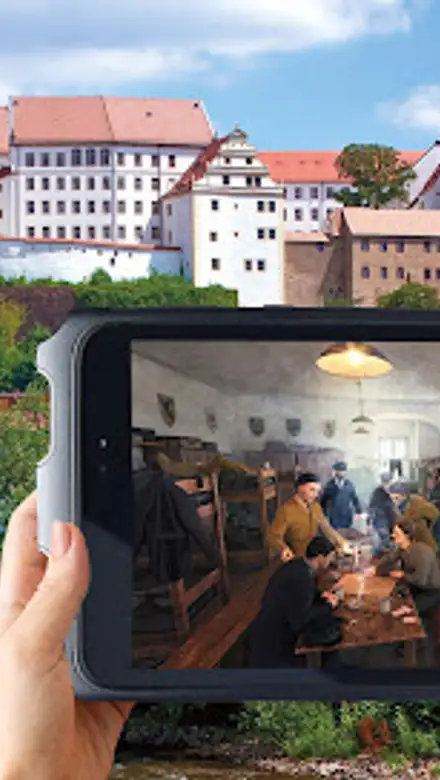
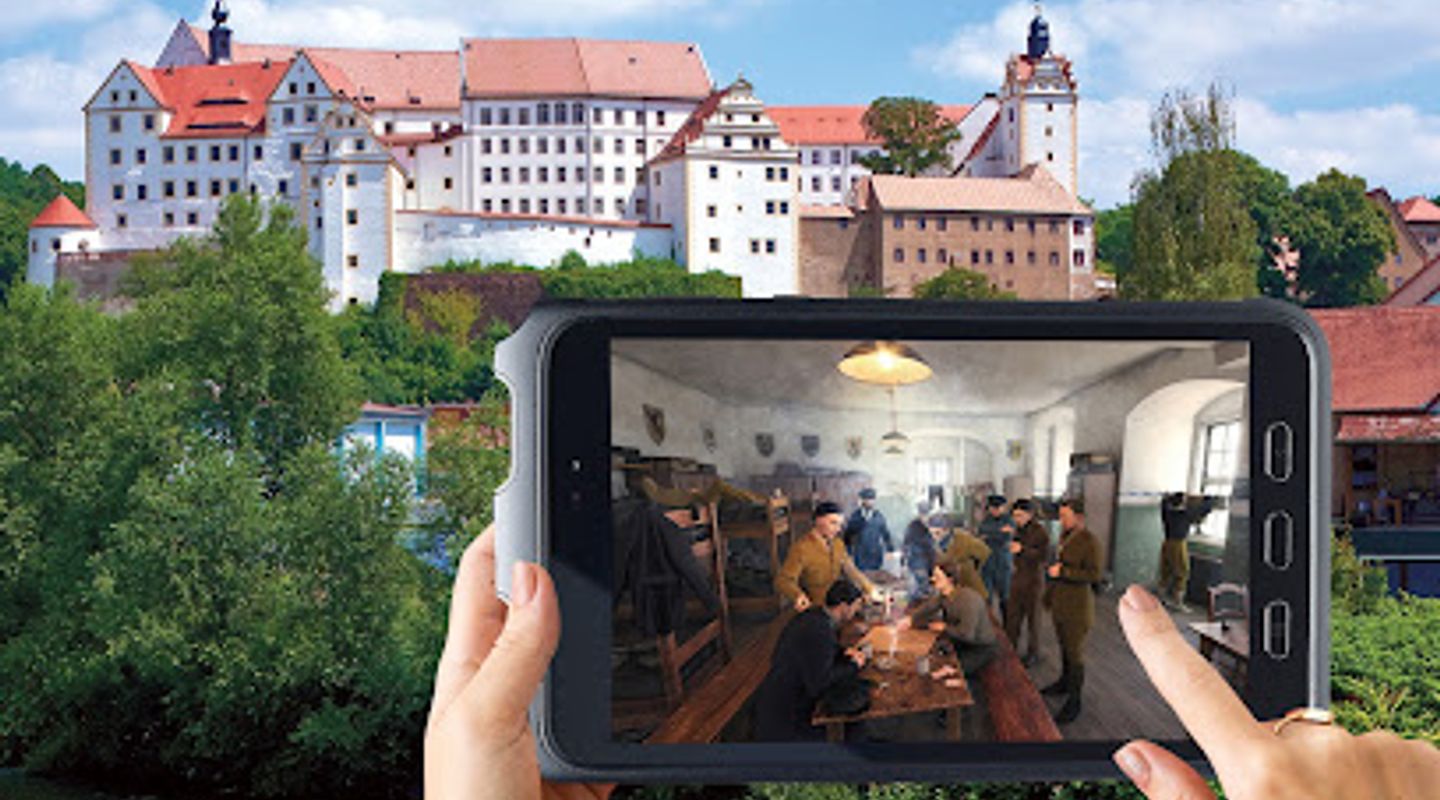
Colditz Castle, perched high above the town of Colditz in Saxony, Germany, is a striking architectural monument with a history as layered as its stone walls. Originally built in the 11th century, it gained international notoriety as Oflag IV-C during World War II, a high-security prisoner-of-war camp for Allied officers who had proven to be persistent escape artists. Today, Colditz Castle blends its dark past with a vibrant present, housing a museum dedicated to the ingenious escape attempts, a youth hostel, and the Saxony State Music Academy. Visitors can explore the castle's grounds, delve into its multifaceted history through guided tours and interactive exhibits, and even spend the night within its ancient walls, making it a compelling destination for history buffs and curious travelers alike. The castle offers a unique glimpse into both the horrors of war and the resilience of the human spirit.
A brief summary to Colditz Castle
- Schloßgasse 1, Colditz, 04680, DE
- Click to display
- Click to display
- Tuesday 10 am-5 pm
- Wednesday 10 am-5 pm
- Thursday 10 am-5 pm
- Friday 10 am-5 pm
- Saturday 10 am-6 pm
- Sunday 10 am-6 pm

Know before you go
Hi, I'm Eve. Here are a few practical things to know before exploring Colditz Castle.
- Book tours in advance, especially during peak season, to secure your spot and preferred language.
- Wear comfortable shoes, as exploring the castle involves a fair amount of walking on uneven surfaces.
- Consider staying overnight at the youth hostel for a unique and immersive experience within the castle walls.
- Check the event calendar for special exhibitions, concerts, and historical reenactments that may coincide with your visit.
- Allow ample time to explore both the castle and the charming town of Colditz, with its historic market square and picturesque surroundings.
Do you manage this location?
Take control to get all the benefits, like improved information, better appearance, and stronger visibility across AI-powered discovery. Learn more about listing your business on Evendo
Activate your presenceOther nearby places you may find interesting
The closest places of the same kind, if this one is not quite what you had in mind.
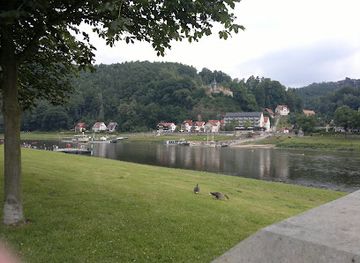
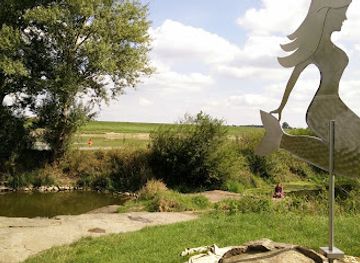
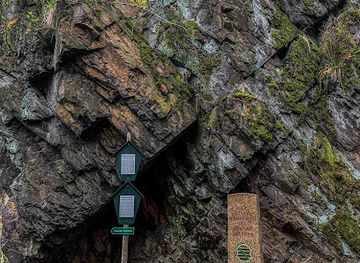
Explore Colditz Castle on the Map
A handpicked selection of must-see spots near Colditz Castle, mapped for you.
Getting There
-
Public Transport
From Leipzig, take a regional train to either Grossbothen, Grimma, or Bad Lausick. From Grossbothen, transfer to bus 619 to Colditz, Leipziger Strasse stop. From Grimma, take bus 619 to Colditz, Sportplatz stop. From Bad Lausick, take bus 613 to Colditz, Schützenstraße stop. From any of these stops, it's approximately a 10-15 minute walk to the castle, following signs towards the town center and then uphill to the castle entrance. A single bus fare costs approximately €3-5.
-
Taxi/Ride-Share
From Leipzig city center, a taxi or ride-share to Colditz Castle will take approximately 45-60 minutes. Expect to pay around €80-€120, depending on traffic and the specific service. Be sure to confirm the fare with the driver before starting your journey.
-
Driving
From the A14 motorway, take the B107 towards Colditz. Follow the signs to the town center and then to Colditz Castle. Limited parking is available directly at the castle via Fürstenweg, turning onto Tiergartenstraße. Alternatively, use the larger free parking lot at Wettiner Ring, a 10-minute walk to the castle. Parking at Wassergasse near Lidl is also an option. Parking is generally free, but spaces near the castle are limited, especially during peak season.
Discover more about Colditz Castle













Your all‑in‑one travel companion app
Explore expert travel guides, compare and book tours, experiences, hotels, and more—all from the palm of your hand. Download now for seamless trip planning wherever your wanderlust takes you.


Explore More of Saxony
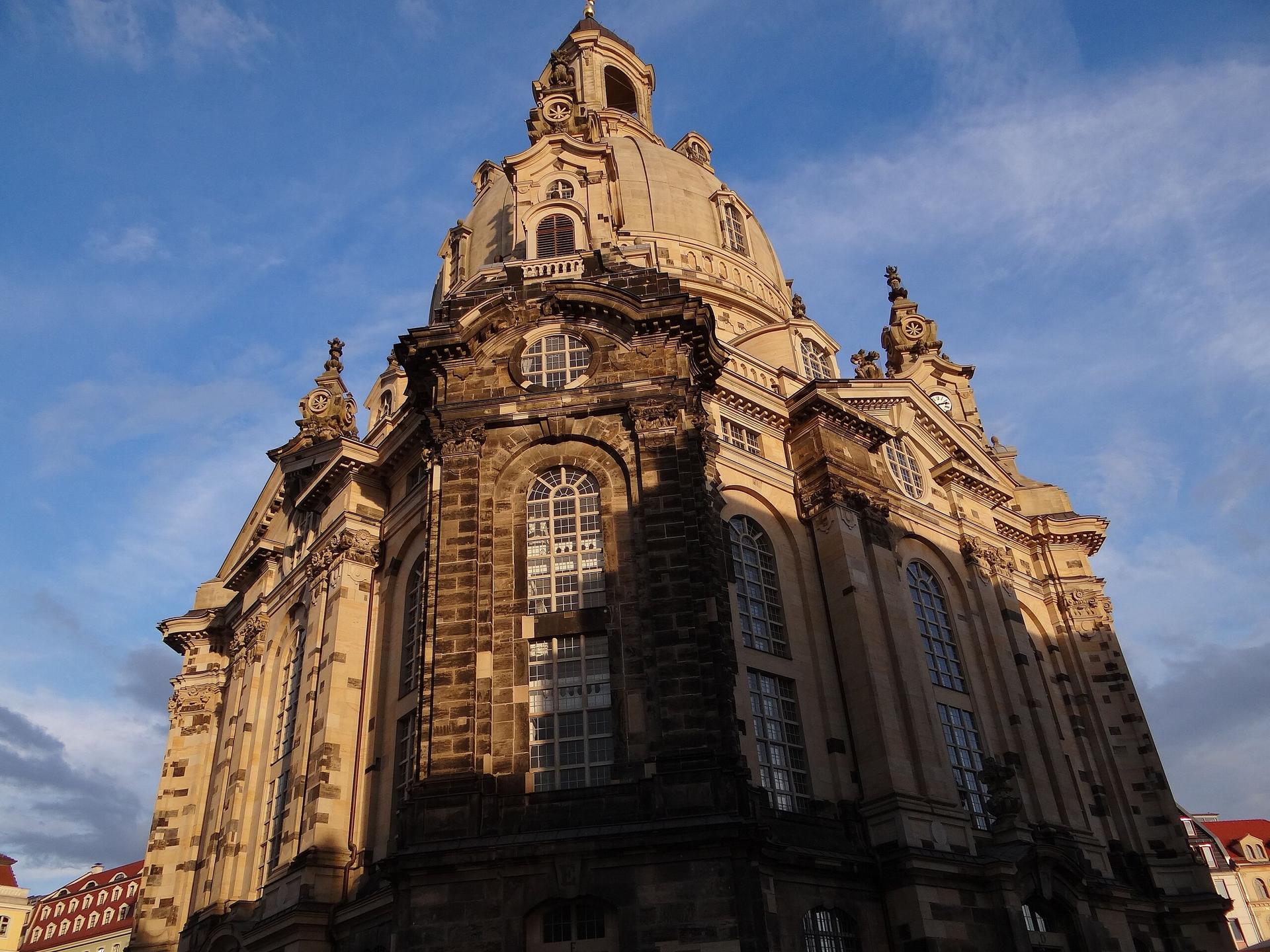
Looking beyond Colditz Castle? Discover Saxony for broader travel guides, local hot-spots, and regional highlights.
Explore Saxony
Explore the Grassi Museum of Applied Arts in Leipzig, showcasing centuries of decorative art and design in a stunning architectural setting.

Explore Mildenstein Castle in Leisnig: A thousand years of Saxon history, impressive Romanesque architecture, and panoramic views await at this captivating fortress.