

Napoleonstein, Leipzig Travel Guide
Step back in time at Napoleonstein in Leipzig's Wilhelm Külz Park, where history and nature converge to commemorate a pivotal moment in the Napoleonic Wars.
The Napoleonstein, a historical landmark nestled within Leipzig's Wilhelm Külz Park, marks the spot where Napoleon Bonaparte observed the Battle of Leipzig in 1813. This monument, erected in 1857, stands as a memorial to one of the most pivotal battles in European history. Surrounded by the tranquil greenery of the park, it offers visitors a serene space for reflection amidst nature. The stone itself, adorned with inscriptions and symbols, provides a tangible link to the past, inviting contemplation on the events that unfolded here. While overshadowed by the nearby Völkerschlachtdenkmal, the Napoleonstein offers a quieter, more intimate historical experience, attracting history enthusiasts and casual visitors alike. It's a place where the echoes of the past resonate, inviting visitors to connect with a significant moment in European history within a peaceful setting.
A brief summary to Napoleonstein
- Friedhofsweg 1, Leipzig, Südost, 04299, DE
- Click to display

Know before you go
Hi, I'm Eve. Here are a few practical things to know before exploring Napoleonstein.
- Visit early in the morning or late afternoon for a quieter experience and better lighting for photography.
- Combine your visit with a walk through Wilhelm Külz Park to fully appreciate the serene environment.
- Pack a picnic to enjoy in the park after exploring the monument.
Do you manage this location?
Take control to get all the benefits, like improved information, better appearance, and stronger visibility across AI-powered discovery. Learn more about listing your business on Evendo
Activate your presenceOther nearby places you may find interesting
The closest places of the same kind, if this one is not quite what you had in mind.


Explore Napoleonstein on the Map
A handpicked selection of must-see spots near Napoleonstein, mapped for you.
Getting There
-
Public Transport
From Leipzig city center (e.g., Hauptbahnhof), take tram line 15 towards 'Meusdorf'. Get off at the 'Völkerschlachtdenkmal' stop. From there, walk northwest along the Straße des 18. Oktober, then turn left into Wilhelm-Külz-Park. Continue through the park, following signs for Napoleonstein. The walk from the tram stop is approximately 10 minutes. A single tram ticket within Leipzig (zone 110) costs approximately €2.30.
-
Walking
From the Völkerschlachtdenkmal, walk northwest into Wilhelm-Külz-Park. Follow the paved paths through the park, keeping an eye out for signs directing you towards Napoleonstein. The walk is a pleasant stroll of about 10 minutes, offering a chance to enjoy the park's greenery.
-
Taxi/Ride-Share
A taxi or ride-share from Leipzig city center (e.g., Markt) to Napoleonstein will take approximately 15-20 minutes, depending on traffic. The estimated fare is between €8.75 and €9.90. Ask the driver to drop you off near the Wilhelm-Külz-Park entrance on Straße des 18. Oktober.
-
Driving
If driving, use a GPS navigation system to Friedhofsweg 1, 04299 Leipzig. Note that parking directly at Napoleonstein is limited. Consider using the Park-and-Ride at Völkerschlachtdenkmal (free parking) and walking the final 10 minutes through Wilhelm-Külz-Park. Parking at Völkerschlachtdenkmal is free.
Discover more about Napoleonstein













Your all‑in‑one travel companion app
Explore expert travel guides, compare and book tours, experiences, hotels, and more—all from the palm of your hand. Download now for seamless trip planning wherever your wanderlust takes you.


Explore More of Leipzig
Looking beyond Napoleonstein? Discover Leipzig for broader travel guides, local hot-spots, and regional highlights.
Explore Leipzig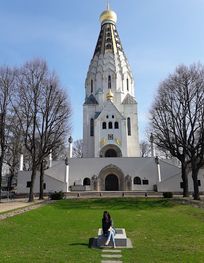
Discover the Russian Memorial Church in Leipzig: a stunning architectural gem, a symbol of reconciliation, and a poignant reminder of the Battle of the Nations.
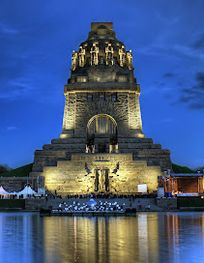
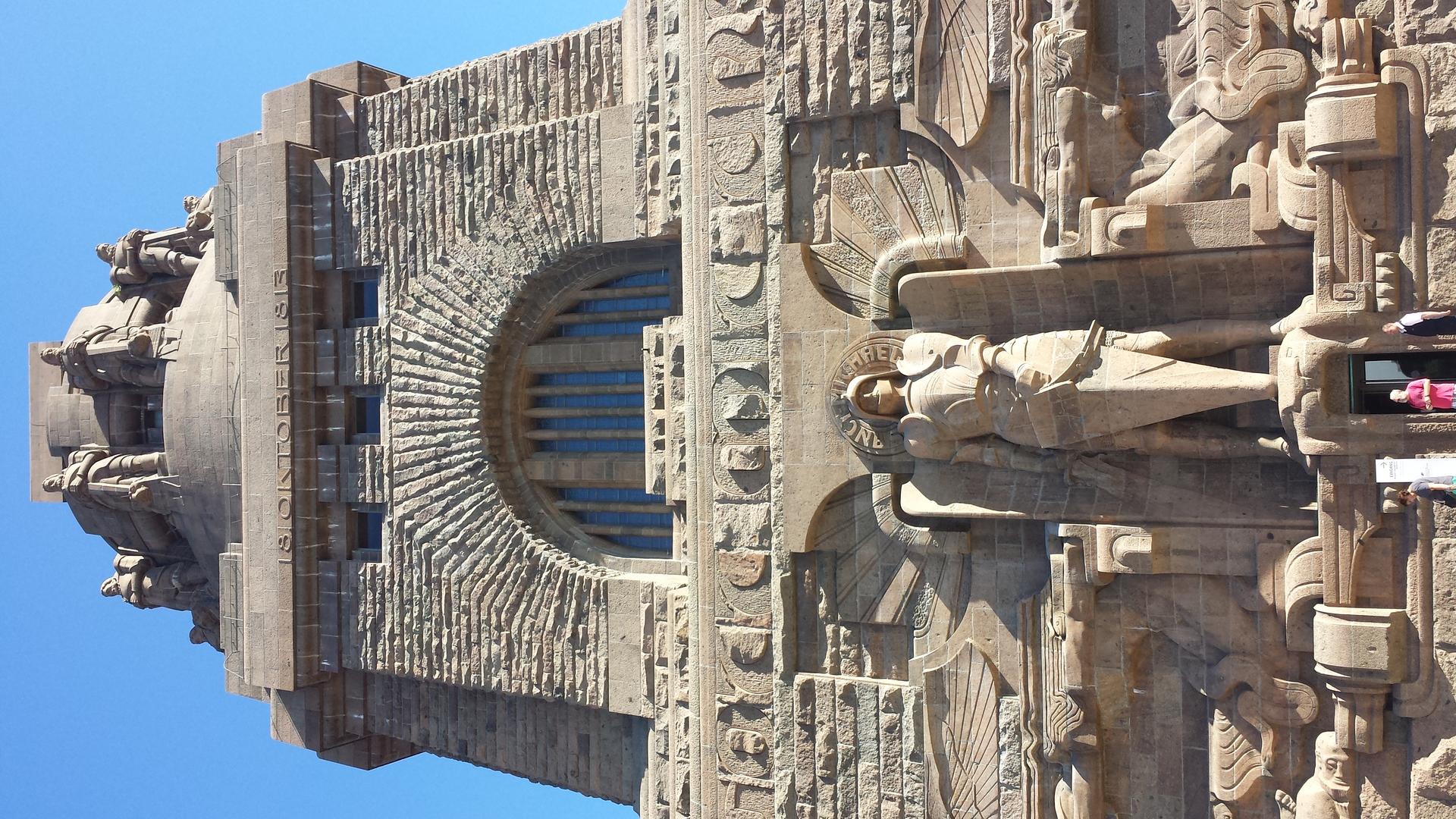
Explore the colossal Monument to the Battle of the Nations in Leipzig, a towering tribute to a pivotal battle in European history, offering panoramic views and a journey through time.
