

Burg Rothenfels, Spessart Travel Guide
Discover Burg Rothenfels, a historic Bavarian castle offering stunning views, a rich cultural heritage, and a unique blend of medieval charm and modern hospitality in the heart of Franconia.
Burg Rothenfels, perched high above the Main River in Bavaria, is a captivating blend of medieval history and modern hospitality. Originally built in the 12th century, the castle has served as a strategic stronghold, a noble residence, and now, a welcoming youth hostel and conference center. Its imposing architecture, including a well-preserved bergfried and sturdy castle walls, transports visitors back in time. The castle's location offers breathtaking panoramic views of the Main valley and the surrounding Spessart forest. Burg Rothenfels is more than just a historical landmark; it's a place where history, culture, and community converge, offering a unique experience for travelers seeking both relaxation and enrichment. Explore the castle's rich past, enjoy the tranquil atmosphere, and discover the beauty of the Franconian countryside. Whether you're interested in history, nature, or simply a peaceful getaway, Burg Rothenfels provides an unforgettable destination.
A brief summary to Burg Rothenfels
- Bergrothenfelser Str. 71, Rothenfels, Bergrothenfels, 97851, DE
- Click to display
- Click to display

Know before you go
Hi, I'm Eve. Here are a few practical things to know before exploring Burg Rothenfels.
- Check the Burg Rothenfels website for upcoming events, including concerts, festivals, and special programs, to enhance your visit.
- Wear comfortable shoes for exploring the castle grounds, as the terrain can be uneven in places.
- Take advantage of the castle's location to explore the surrounding Spessart forest, offering scenic hiking and cycling trails.
- Consider visiting during the shoulder seasons (spring or fall) for pleasant weather and fewer crowds.
- If arriving by car, be aware that parking at the castle may be limited, especially during peak season or special events.
Do you manage this location?
Take control to get all the benefits, like improved information, better appearance, and stronger visibility across AI-powered discovery. Learn more about listing your business on Evendo
Activate your presenceOther nearby places you may find interesting
The closest places of the same kind, if this one is not quite what you had in mind.
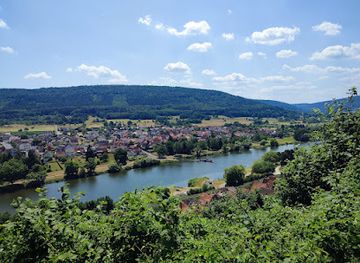
Explore Burg Rothenfels on the Map
A handpicked selection of must-see spots near Burg Rothenfels, mapped for you.
Getting There
-
Walking
From the Bergrothenfels Ortsmitte bus stop, walk along Bergrothenfelser Straße uphill for approximately 5 minutes. The castle entrance will be on your right. The path is moderately steep.
-
Walking
From the Rothenfels Kirche bus stop, ascend the Burgtreppe (castle steps) located behind the church. This is a steeper, more direct route to the castle, taking approximately 10 minutes. Be prepared for a moderately strenuous climb.
-
Driving
From Marktheidenfeld, follow Bergrothenfelser Straße towards Rothenfels. Continue uphill to Bergrothenfels. Limited short-term parking is available near the outer castle gate for check-in and unloading. For longer stays, use the designated parking areas at Seewiesenhalle (0.5 km) or Sportplatz (1.0 km) from the castle. Parking at Seewiesenhalle and Sportplatz is free.
Discover more about Burg Rothenfels













Your all‑in‑one travel companion app
Explore expert travel guides, compare and book tours, experiences, hotels, and more—all from the palm of your hand. Download now for seamless trip planning wherever your wanderlust takes you.


Explore More of Spessart
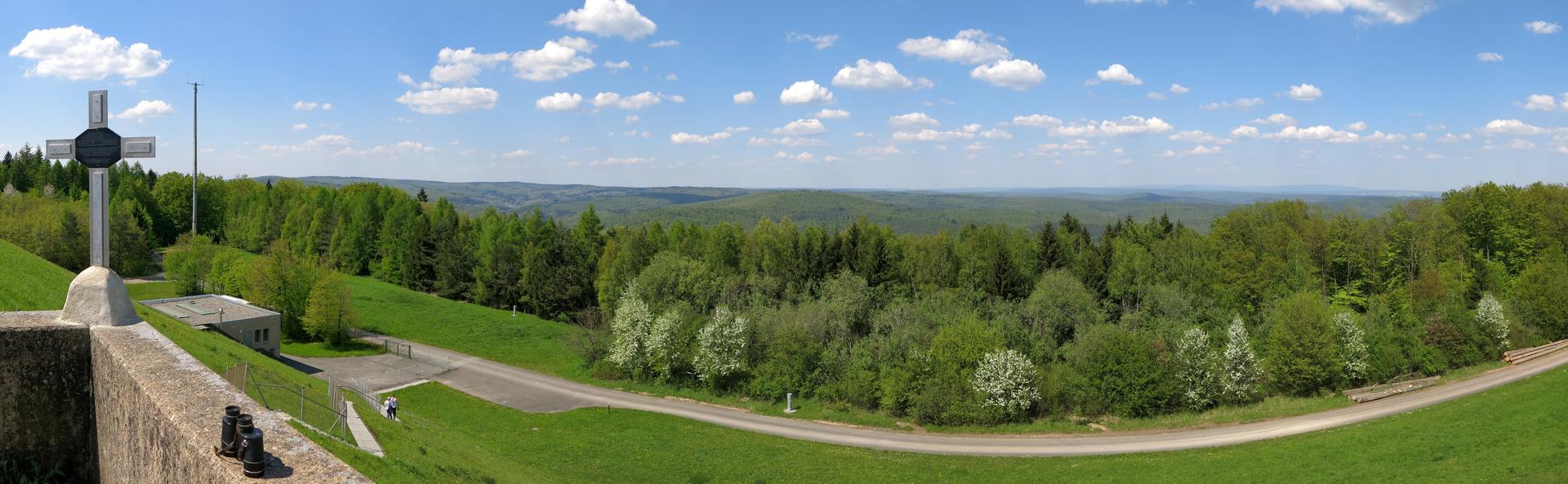
Looking beyond Burg Rothenfels? Discover Spessart for broader travel guides, local hot-spots, and regional highlights.
Explore Spessart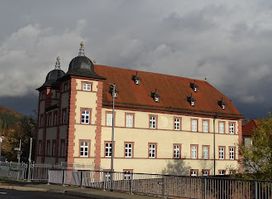
Discover Huttenschloss in Gemünden am Main: A captivating castle, film and photograph library, and museum offering a unique journey through history, culture, and art.
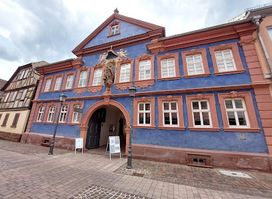
Discover Marktheidenfeld's cultural heart at the Franck-Haus: a stunning Baroque house hosting art exhibitions, concerts, and historical treasures in a vibrant, historic setting.
