

Jakobertor, Swabia Travel Guide
Discover the Jakobertor, Augsburg's iconic medieval gate, a testament to the city's rich history and architectural heritage, offering a glimpse into its fortified past.
The Jakobertor, a well-preserved medieval city gate in Augsburg, stands as a proud reminder of the city's rich history and strategic importance. Built in the 14th century, it was a key component of Augsburg's fortifications, protecting the eastern approach to the city. Today, the Jakobertor offers visitors a glimpse into the past, with its imposing Gothic architecture and sturdy construction. While the gate itself is not accessible internally, its exterior provides a picturesque scene, especially when viewed from the nearby Jakoberstraße. The surrounding area, with its blend of historical and modern elements, adds to the charm of this iconic landmark, making it a worthwhile stop for anyone exploring Augsburg's historical center. The gate is a testament to Augsburg's enduring spirit and its ability to blend the old with the new.
A brief summary to Jakobertor
- Jakoberstraße 79, Augsburg, Augsburg-Innenstadt, 86152, DE

Know before you go
Hi, I'm Eve. Here are a few practical things to know before exploring Jakobertor.
- Visit early in the morning or late afternoon to avoid the heaviest traffic and enjoy a quieter experience at the Jakobertor.
- Explore the nearby Fuggerei, the world's oldest social housing complex, for a unique glimpse into Augsburg's history and social welfare.
- Take a stroll along the Jakoberstraße to admire the blend of historical and modern architecture and enjoy the local shops and restaurants.
Do you manage this location?
Take control to get all the benefits, like improved information, better appearance, and stronger visibility across AI-powered discovery. Learn more about listing your business on Evendo
Activate your presenceOther nearby places you may find interesting
The closest places of the same kind, if this one is not quite what you had in mind.

Explore Jakobertor on the Map
A handpicked selection of must-see spots near Jakobertor, mapped for you.
Getting There
-
Walking
From Augsburg's city center (Rathausplatz), walk east along Maximilianstraße, then turn right onto Jakoberstraße. Continue along Jakoberstraße for approximately 10 minutes. The Jakobertor will be visible ahead. This is a straightforward walk through the heart of the city.
-
Public Transport
Take Tram line 1 to the 'Fuggerei' stop. From there, walk east along Jakoberstraße for about 2 minutes. The Jakobertor will be on your right. A single tram ticket within Augsburg (Zones 10 and 20) costs approximately €2.40.
-
Taxi/Ride-Share
A taxi or ride-share from Augsburg's main train station (Hauptbahnhof) to the Jakobertor will take approximately 5-10 minutes, depending on traffic. The estimated fare is between €9-€12. Ask the driver to drop you off at Jakoberstraße 79 for the closest access.
Discover more about Jakobertor













Your all‑in‑one travel companion app
Explore expert travel guides, compare and book tours, experiences, hotels, and more—all from the palm of your hand. Download now for seamless trip planning wherever your wanderlust takes you.


Explore More of Swabia

Looking beyond Jakobertor? Discover Swabia for broader travel guides, local hot-spots, and regional highlights.
Explore Swabia
Uncover Augsburg's Roman roots at the Römisches Museum: Explore artifacts from Augusta Vindelicum, offering a glimpse into daily life, military history, and trade in this vital Roman settlement.
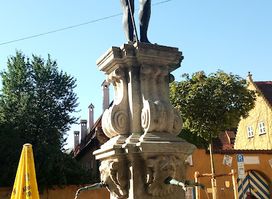
Discover Augsburg's oldest bronze fountain figure, the Neptune Fountain, a captivating landmark reflecting the city's rich history and artistic heritage on Jakobsplatz.
