

Mercateum, Swabia Travel Guide
Explore the world's largest walk-in globe and discover the fascinating history of global trade between Bavaria and India at the Mercateum in Königsbrunn, a unique cultural landmark.
The Mercateum in Königsbrunn is a unique museum housed within the world's largest walk-in globe, a monument to the historical trade relations between Swabia/Franconia and India. The globe's exterior displays a world map from 1529, while the interior features the permanent exhibition 'From India and to the End of the World,' documenting the beginnings and flourishing of long-distance trade. Visitors can explore exhibits showcasing historical trade goods, maps, and the stories of merchants who connected Europe with the East. The Mercateum offers a fascinating glimpse into the early days of globalization and the exchange of goods and ideas that shaped our world. It's a must-see for history buffs and anyone interested in the interconnectedness of cultures.
A brief summary to Mercateum
- Alter Postweg 1, Königsbrunn, 86343, DE
- Click to display
- Click to display
- Sunday 2:30 pm-4:30 pm

Know before you go
Hi, I'm Eve. Here are a few practical things to know before exploring Mercateum.
- Check the Mercateum's website for current opening hours, as they can vary seasonally. It is typically open on Sundays and public holidays from May to October.
- Join a guided tour to gain deeper insights into the exhibits and the history of trade relations between Bavaria and India. Tours are offered in German, and arrangements can be made for other languages.
- Combine your visit to the Mercateum with a trip to the nearby Information Pavilion 955, which commemorates the Battle of Lechfeld, a significant event in German history.
- Consider visiting Königsbrunn's town hall to see the bronze statue of Mahatma Gandhi, a symbol of the town's connection to India.
Do you manage this location?
Take control to get all the benefits, like improved information, better appearance, and stronger visibility across AI-powered discovery. Learn more about listing your business on Evendo
Activate your presenceOther nearby places you may find interesting
The closest places of the same kind, if this one is not quite what you had in mind.
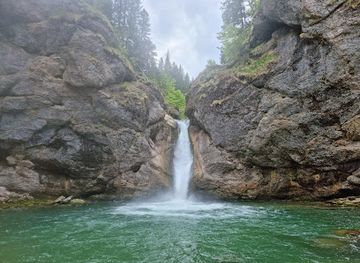
Explore Mercateum on the Map
A handpicked selection of must-see spots near Mercateum, mapped for you.
Getting There
-
Public Transport
From Augsburg, take tram line 3 towards Königsbrunn. The tram journey takes approximately 30 minutes. Alight at the 'Königsbrunn, Zentrum' stop, which is the final stop and is located a short walk from the Mercateum. From the tram stop, walk north along Alter Postweg for about 5 minutes. The Mercateum will be on your left. A single tram fare from Augsburg is approximately €3.50.
-
Driving
If driving from Augsburg, take the B17 south towards Landsberg am Lech. Exit at Königsbrunn Nord. Follow the signs towards Königsbrunn Zentrum. Once in the town center, follow signs for the Mercateum. Limited free parking is available near the Mercateum, but it can fill up quickly, especially on weekends. Additional parking is available at the nearby Gymnasium (school), a short walk away. Parking is generally free in the area.
-
Taxi/Ride-Share
A taxi or ride-share from Augsburg city center to the Mercateum in Königsbrunn will take approximately 20-30 minutes, depending on traffic. The estimated cost is between €25 and €35. Be sure to confirm the fare with the driver before starting your journey.
Discover more about Mercateum













Your all‑in‑one travel companion app
Explore expert travel guides, compare and book tours, experiences, hotels, and more—all from the palm of your hand. Download now for seamless trip planning wherever your wanderlust takes you.


Explore More of Swabia
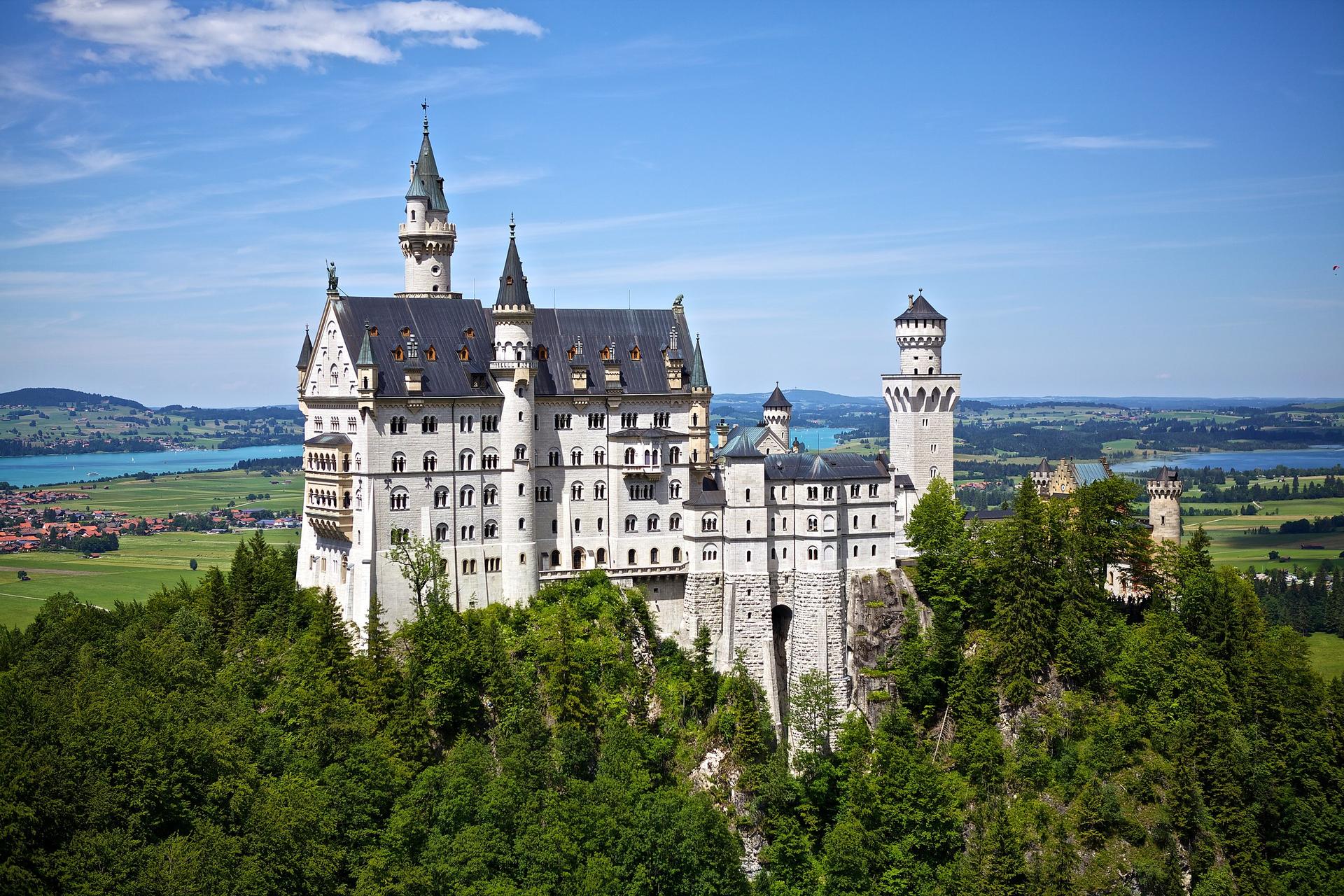
Looking beyond Mercateum? Discover Swabia for broader travel guides, local hot-spots, and regional highlights.
Explore Swabia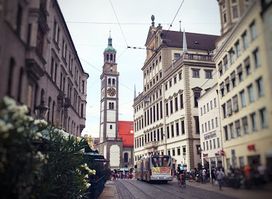
Explore the wonders of nature at Naturmuseum Augsburg: Discover fascinating exhibits from Earth's history to diverse ecosystems, and journey through the stars at the Planetarium.
Escape the city bustle and immerse yourself in the natural beauty of Stadtwald Augsburg, a sprawling urban forest offering diverse landscapes and recreational activities for all ages.
