
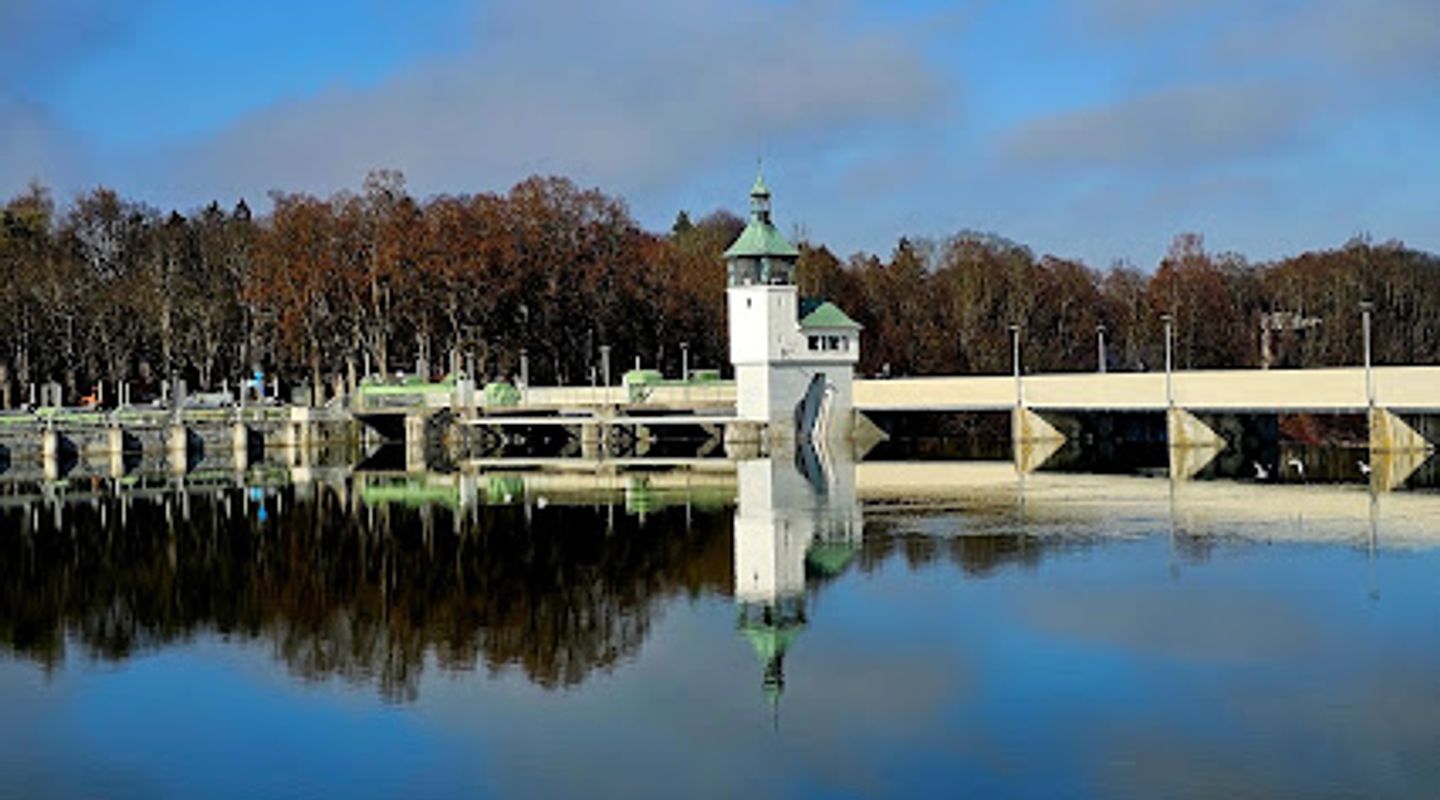
Hochablass, Swabia Travel Guide
Explore Augsburg's historic Hochablass weir, a UNESCO World Heritage site and the heart of the city's ingenious water management system, offering scenic beauty and a glimpse into the past.
The Hochablass, a historic weir on the Lech River, marks the beginning of Augsburg's ingenious water management system, a UNESCO World Heritage site. Dating back to the Middle Ages, this structure diverts water into the city's intricate canal network, powering industries and providing drinking water. Today, it's a picturesque spot for walks and bike rides, offering scenic views and a glimpse into Augsburg's rich history. Explore the nearby Kuhsee, the Eiskanal (Olympic canoe slalom course), and the historic waterworks to delve deeper into this fascinating system. The Hochablass is easily accessible and provides a tranquil escape into nature and history, making it a must-see for any visitor to Augsburg.
A brief summary to Hochablass
- Lech, Spickelstraße 41, Augsburg, Augsburg-Hochzoll, 86161, DE
- Click to display

Know before you go
Hi, I'm Eve. Here are a few practical things to know before exploring Hochablass.
- Combine your visit with a walk around Kuhsee, a nearby lake offering recreational activities and scenic views.
- Explore the Eiskanal, the Olympic canoe slalom course, to witness a unique blend of history and sporting heritage.
- Visit the historic waterworks at Hochablass to learn about Augsburg's pioneering efforts in water management and its impact on the city's development.
- Take a hike through the Stadtwald Augsburg, starting from Hochablass, to discover the natural beauty of the surrounding forests and rivers.
- Check out the local events calendar for festivals and activities happening around the Hochablass, especially during the summer months.
Do you manage this location?
Take control to get all the benefits, like improved information, better appearance, and stronger visibility across AI-powered discovery. Learn more about listing your business on Evendo
Activate your presenceOther nearby places you may find interesting
The closest places of the same kind, if this one is not quite what you had in mind.
Explore Hochablass on the Map
A handpicked selection of must-see spots near Hochablass, mapped for you.
Getting There
-
Public Transport
From Augsburg Hauptbahnhof (main station), take tram line 3 towards 'Augsburg-Haunstetten West P+R' and get off at 'Kuhsee'. From the Kuhsee tram stop, walk west for approximately 10 minutes, following the signs towards Hochablass. The walk is mostly flat and paved. A single tram fare is approximately €2.50.
-
Walking
If you are near the Augsburg city center, you can walk to Hochablass. From Rathausplatz, head east towards the Lech River. Follow the river south, passing the Friburger Steg bridge. Continue along the riverbank for approximately 30-40 minutes until you reach Kuhsee and then Hochablass. The walk offers scenic views of the river and surrounding parks.
-
Driving
If driving, take Friedberger Straße/B300 out of the city. Before crossing the Afrabrücke (Afra bridge), turn right onto 'Am Eiskanal'. Follow the road to the Bundesleistungszentrum (National Training Center for Canoe Slalom and Whitewater Sports) where parking is available. From the parking area, walk north along the Lech River to reach Hochablass. Parking fees at the Bundesleistungszentrum vary, but expect to pay around €3-5 for a few hours.
Discover more about Hochablass













Your all‑in‑one travel companion app
Explore expert travel guides, compare and book tours, experiences, hotels, and more—all from the palm of your hand. Download now for seamless trip planning wherever your wanderlust takes you.


Explore More of Swabia
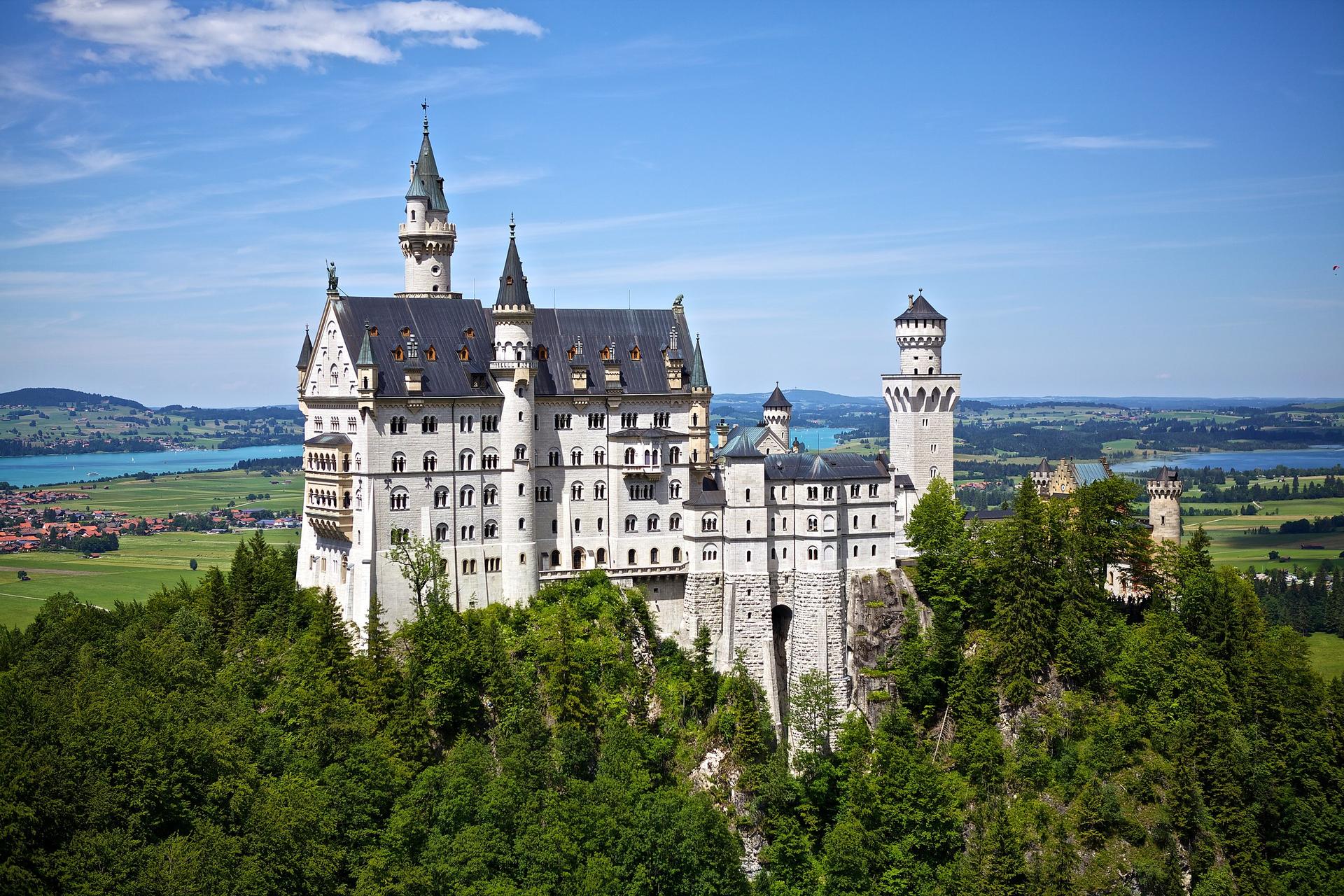
Looking beyond Hochablass? Discover Swabia for broader travel guides, local hot-spots, and regional highlights.
Explore Swabia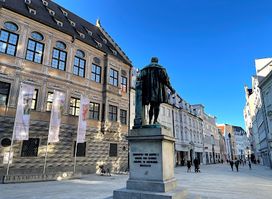
Commemorating Hans Jakob Fugger, the Renaissance patron of arts and sciences, this Augsburg monument celebrates his legacy and the Fugger family's cultural impact.
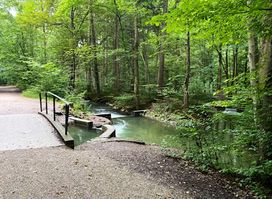
Explore Ablass am oberen Anger in Augsburg, a key site in the city's UNESCO-listed water management system, showcasing centuries of innovative water technology and industrial history.
