Ablass am oberen Anger, Swabia Travel Guide
Explore Ablass am oberen Anger in Augsburg, a key site in the city's UNESCO-listed water management system, showcasing centuries of innovative water technology and industrial history.
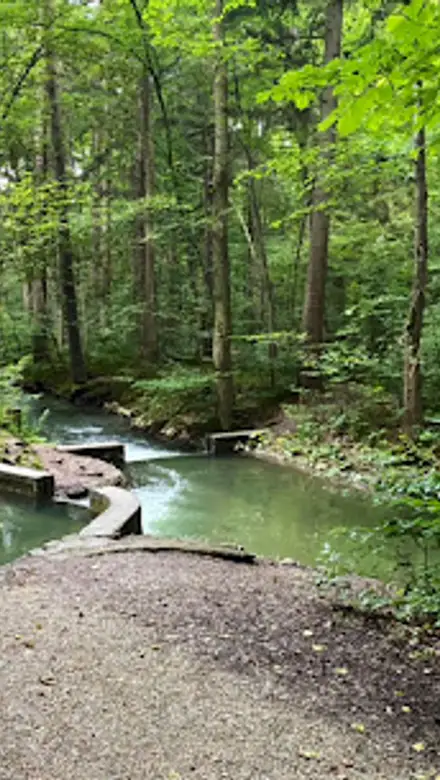
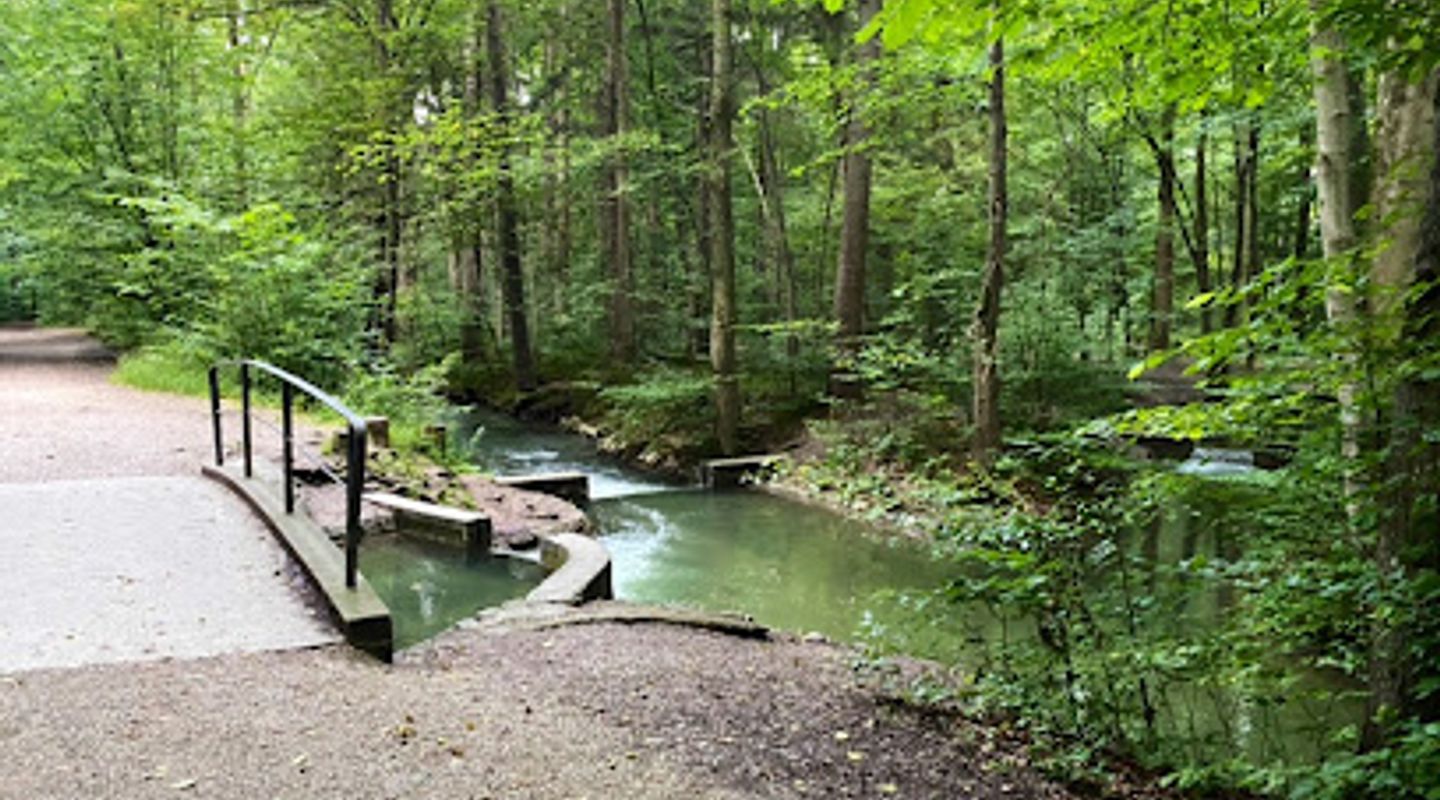
Ablass am oberen Anger, located on Siebentischstraße in Augsburg, is a significant part of the city's UNESCO World Heritage water management system. This historical site showcases the ingenious methods used to manage and distribute water throughout Augsburg for centuries. The site features impressive structures that once separated spring water from Lech River water, demonstrating the city's early advancements in water technology. Visitors can explore the area and appreciate the historical importance of this site, which highlights Augsburg's rich industrial past and innovative water systems. Ablass am oberen Anger offers a unique glimpse into the city's history and its pioneering role in water management.
A brief summary to Ablass am oberen Anger
- Siebentischstraße, Augsburg, Spickel-Herrenbach, 86161, DE

Know before you go
Hi, I'm Eve. Here are a few practical things to know before exploring Ablass am oberen Anger.
- Combine your visit with a walk through the Siebentischwald to fully appreciate the natural surroundings and other historical water management sites.
- Visit the nearby Augsburg Zoo to see how the water from Ablass am oberen Anger is still utilized today.
- Check out other components of the Augsburg Water Management System, such as the Water Tower at the Red Gate, to gain a comprehensive understanding of the system.
Do you manage this location?
Take control to get all the benefits, like improved information, better appearance, and stronger visibility across AI-powered discovery. Learn more about listing your business on Evendo
Activate your presenceOther nearby places you may find interesting
The closest places of the same kind, if this one is not quite what you had in mind.
Explore Ablass am oberen Anger on the Map
A handpicked selection of must-see spots near Ablass am oberen Anger, mapped for you.
Getting There
-
Public Transport
From Augsburg city center (e.g., Königsplatz), take tram line 6 towards 'Augsburg, Hochschule' or bus line 32 towards 'Augsburg, Uniklinik Bkh'. Get off at the 'Augsburg, Textilmuseum' stop. From there, walk east along Siebentischstraße for approximately 15 minutes (1.2 km). No additional costs beyond the standard AVV public transport fare (single ticket approximately €2.80).
-
Walking
From the Augsburg city center, head east towards the Siebentischwald. Follow the signs towards the Augsburg Zoo and Botanischer Garten. Ablass am oberen Anger is located on Siebentischstraße, approximately a 30-40 minute walk (2.5 km) from Königsplatz. The walk is straightforward and well-signposted. No costs involved.
-
Driving
From Augsburg city center, drive east on Haunstetter Straße, then turn onto Ilsungstraße. Continue onto Siebentischstraße. Limited parking is available along Siebentischstraße. Consider using the P+R Parkplatz Spickelbad (Siebentischstraße 4, 86161 Augsburg) and walking the remaining distance (approx. 5 minutes). Parking at P+R Spickelbad is free. Alternatively, street parking is available, but can be limited, and may cost around €1-2 per hour.
Discover more about Ablass am oberen Anger













Your all‑in‑one travel companion app
Explore expert travel guides, compare and book tours, experiences, hotels, and more—all from the palm of your hand. Download now for seamless trip planning wherever your wanderlust takes you.


Explore More of Swabia
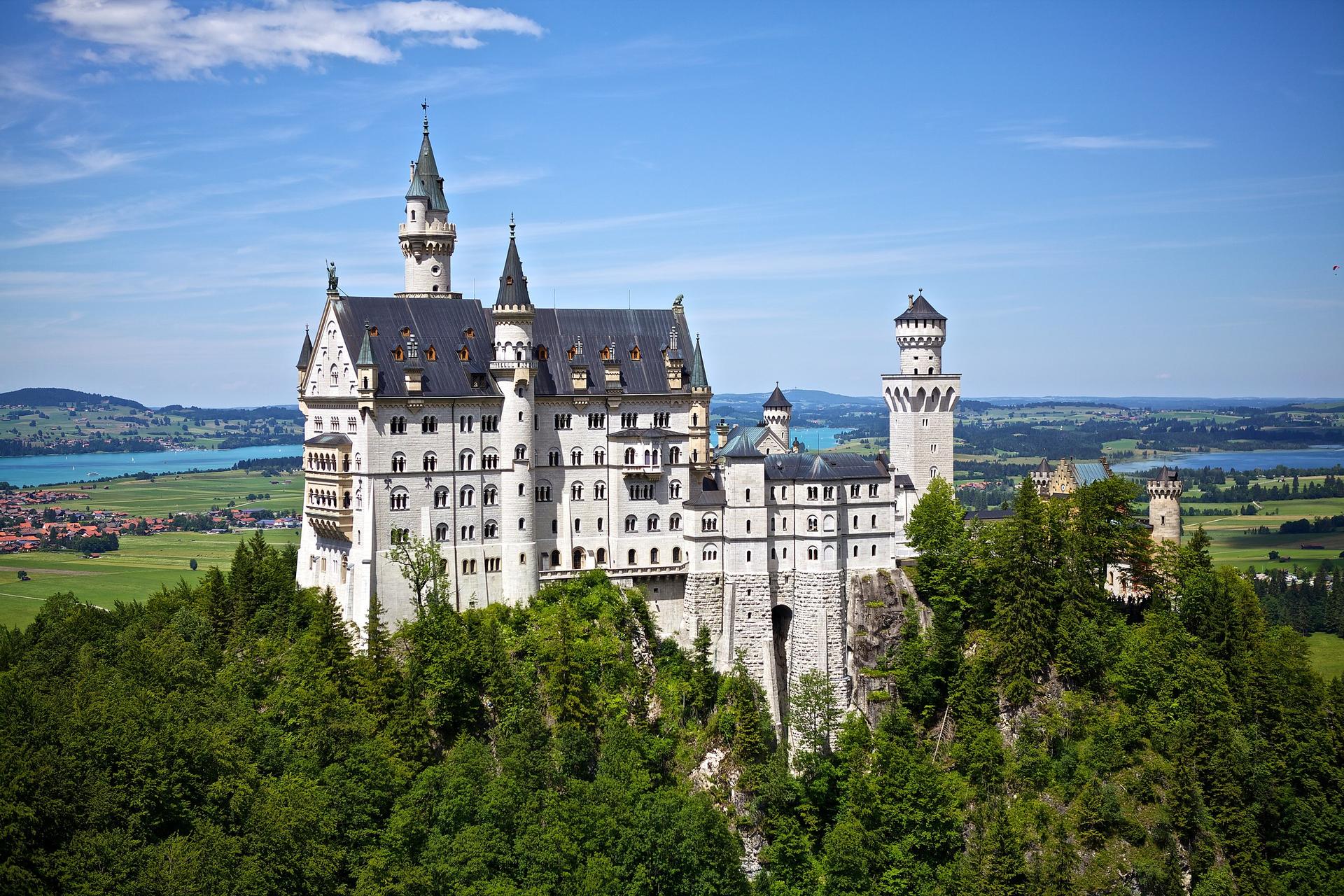
Looking beyond Ablass am oberen Anger? Discover Swabia for broader travel guides, local hot-spots, and regional highlights.
Explore Swabia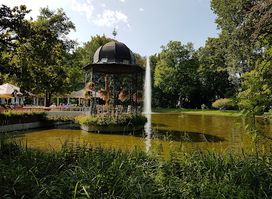
Escape to Augsburg's Wittelsbach Park: A green oasis offering relaxation, recreation, and a touch of history in the heart of the city, perfect for all ages.
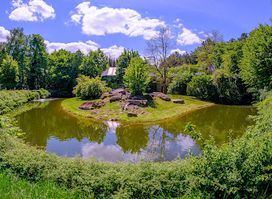
Discover a world of wildlife in the heart of Bavaria at Augsburg Zoo, home to over 1,600 animals, engaging exhibits, and a strong commitment to conservation and education for the whole family.