Background

Displaced Persons Monument: A Reminder of Loss and Resilience

A poignant memorial in Oberursel dedicated to displaced persons, offering a space for reflection on loss, resilience, and the importance of compassion and understanding.

4.4

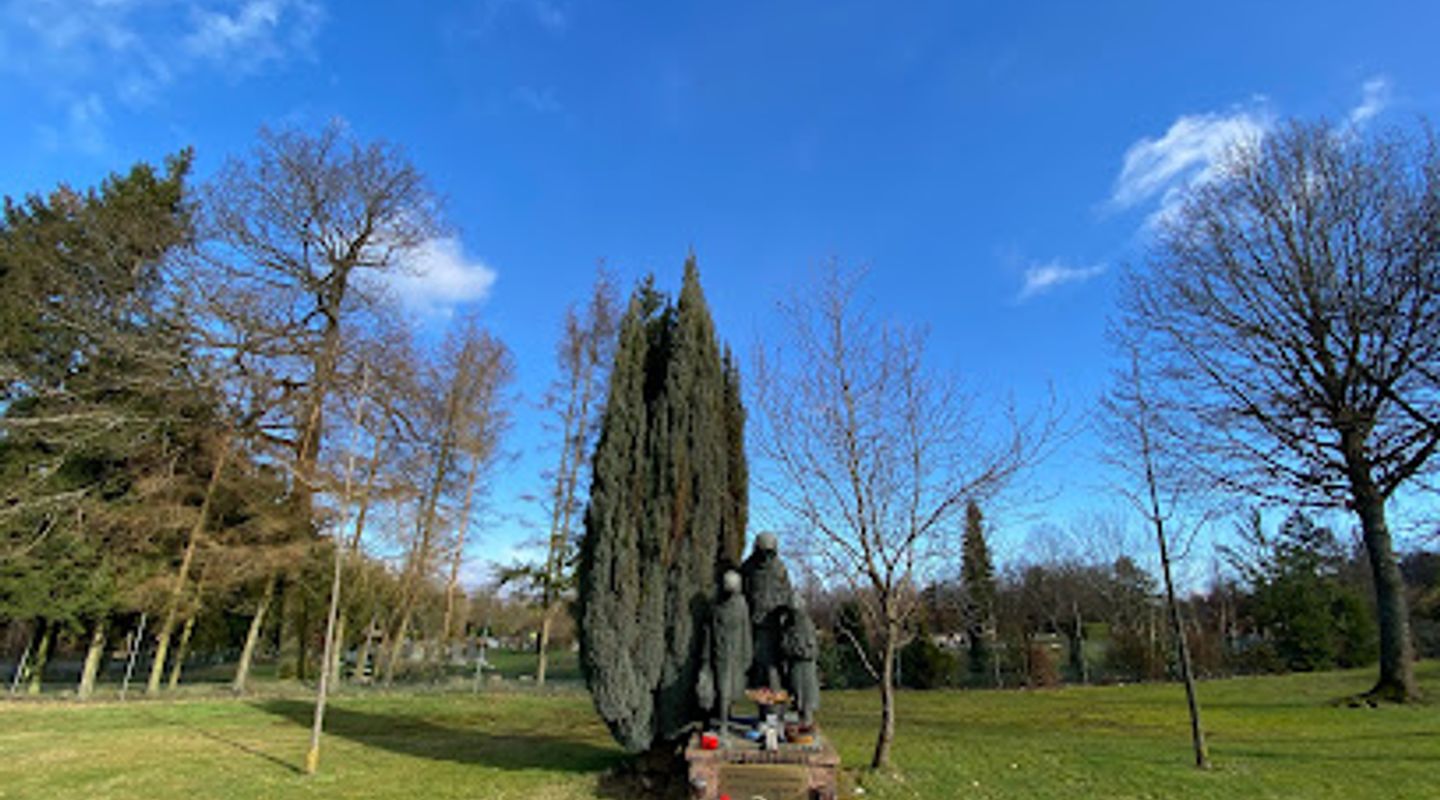
The Displaced Persons Monument in Oberursel is a poignant memorial dedicated to those who lost their homes and were forced to flee during and after World War II. Unveiled in 1981, the monument serves as a place of remembrance and reflection on the experiences of expellees and refugees. Located near the main cemetery (Waldfriedhof), it provides a tranquil setting for contemplation. The sculpture depicts figures representing both the suffering of the displaced and the empathy of the local population. It stands as a testament to the challenges faced by those uprooted from their homes and the importance of compassion in times of crisis. The monument is a reminder of the human cost of war and displacement, urging visitors to reflect on the importance of peace, understanding, and support for those in need. A visit offers a moment to contemplate the past and honor the resilience of displaced communities.

A brief summary to Displaced Persons Monument

  • An d. Waldlust, Oberursel, 61440, DE
  • Monday 12 am-12 am
  • Tuesday 12 am-12 am
  • Wednesday 12 am-12 am
  • Thursday 12 am-12 am
  • Friday 12 am-12 am
  • Saturday 12 am-12 am
  • Sunday 12 am-12 am

Local tips

  • Combine your visit with a walk through the Waldfriedhof (forest cemetery) for a peaceful and reflective experience.
  • Visit the monument on or around October 31st, the anniversary of its unveiling, for potential commemorative events.
  • Take time to explore Oberursel's Altstadt (old town) for a glimpse into the region's history and culture.
widget icon

Getting There

  • Public Transport

    From Oberursel Bahnhof (train station), take bus line 42 towards Oberursel-Weißkirchen Ost. Get off at the An der Waldlust stop, which is a short walk to the Waldfriedhof (forest cemetery) where the monument is located. A single bus fare within Oberursel is approximately €2.50. Alternatively, from the Oberursel Stadtmitte U-Bahn station, it's approximately a 25-minute walk. Follow the signs towards the Waldfriedhof.

  • Taxi/Ride-Share

    A taxi or ride-share from Oberursel Bahnhof to the Displaced Persons Monument (located at the Waldfriedhof) will cost approximately €10-€15, depending on traffic and the specific provider. The journey typically takes 5-10 minutes.

  • Driving

    If driving, navigate to An der Waldlust, 61440 Oberursel (Taunus). Limited free parking is available near the Waldfriedhof entrance. Be prepared to walk a short distance from the parking area to the monument. Parking can be especially limited on weekends and holidays.

Unlock the Best of Displaced Persons Monument

Buy tickets

    No tickets available

Book tours with entry

    No tours available

Book tours without entry

    No tours available

Discover more about Displaced Persons Monument

The Displaced Persons Monument in Oberursel, Germany, stands as a solemn tribute to the millions of individuals who were forcibly displaced from their homes during and after World War II. This monument, located near the serene Waldfriedhof (forest cemetery) on the outskirts of Oberursel, serves as a poignant reminder of the human cost of conflict and the enduring strength of the human spirit in the face of adversity. Unveiled on October 31, 1981, the monument is the creation of sculptor G. Hieronymi. It depicts the plight and suffering of those who were driven from their homelands, primarily Germans expelled from Eastern European countries following the war. These expulsions were part of a broader reshaping of national borders and demographics in the aftermath of the conflict, resulting in immense hardship and loss for countless families. The monument itself is a powerful artistic statement. It features two distinct groups of figures. One side portrays the displaced persons themselves, their faces etched with sorrow, their bodies burdened by the weight of their experiences. These figures represent the pain of separation, the uncertainty of the future, and the struggle to rebuild lives shattered by war and expulsion. The other side of the monument depicts the local population, their expressions conveying empathy and a willingness to offer support. This juxtaposition highlights the importance of compassion and solidarity in helping displaced persons integrate into new communities and overcome the trauma of their past. The choice of location near the Waldfriedhof is particularly significant. Cemeteries are traditionally places of remembrance, where families and communities gather to honor the deceased and reflect on the passage of time. By placing the Displaced Persons Monument in close proximity to the cemetery, the artist underscores the profound losses experienced by displaced persons – the loss of homes, livelihoods, cultural heritage, and, in many cases, loved ones. The monument's presence in Oberursel reflects the town's own history as a place of refuge for displaced persons. Like many communities in post-war Germany, Oberursel opened its doors to those fleeing conflict and expulsion, providing them with shelter, support, and the opportunity to rebuild their lives. The monument serves as a symbol of the town's commitment to welcoming and integrating newcomers, regardless of their background or circumstances. Visiting the Displaced Persons Monument offers a unique opportunity for reflection and contemplation. The quiet setting of the Waldfriedhof provides a peaceful atmosphere for visitors to connect with the stories of displaced persons and to consider the broader implications of war, expulsion, and forced migration. The monument serves as a reminder of the importance of empathy, understanding, and a commitment to preventing such tragedies from occurring in the future. Oberursel itself offers a charming backdrop for a visit to the monument. This historic town, located in the scenic Taunus region, boasts a rich cultural heritage and a welcoming atmosphere. Visitors can explore the town's picturesque Altstadt (old town), with its half-timbered houses, cobblestone streets, and historic churches. The town also offers a variety of shops, restaurants, and cafes, providing ample opportunities for relaxation and refreshment. For those interested in learning more about the history of displacement and expulsion in post-war Germany, the Displaced Persons Monument serves as an excellent starting point. Numerous museums and historical sites throughout Germany offer further insights into this complex and often painful chapter in the nation's history. These resources can help visitors gain a deeper understanding of the challenges faced by displaced persons and the efforts made to integrate them into German society. The Displaced Persons Monument in Oberursel is more than just a work of art; it is a powerful symbol of remembrance, resilience, and the enduring importance of human compassion. A visit to this monument is a moving and thought-provoking experience that will leave a lasting impression on all who come to pay their respects. The monument also serves as a reminder of the ongoing global challenges related to displacement and forced migration. In a world where millions of people continue to be uprooted from their homes due to conflict, persecution, and environmental disasters, the Displaced Persons Monument in Oberursel offers a timeless message of hope, resilience, and the importance of standing in solidarity with those in need. Consider taking a moment to reflect on the monument's message and its relevance to the world today. How can we, as individuals and as a society, work to prevent displacement and to support those who have been forced to flee their homes? What steps can we take to promote empathy, understanding, and a welcoming attitude towards refugees and migrants in our own communities? The Displaced Persons Monument in Oberursel invites us to engage with these important questions and to commit ourselves to building a more just and compassionate world for all.

Popular Experiences near Displaced Persons Monument

Popular Hotels near Displaced Persons Monument

Select Currency