Elisabethenbrunnen Travel Guide
Free Guide: Experience the healing waters of the Elisabethenbrunnen in Bad Homburg, a historic spa town offering a blend of wellness, culture, and natural beauty near Frankfurt.


A brief summary of Elisabethenbrunnen
Experience the healing waters of the Elisabethenbrunnen in Bad Homburg, a historic spa town offering a blend of wellness, culture, and natural beauty near Frankfurt.
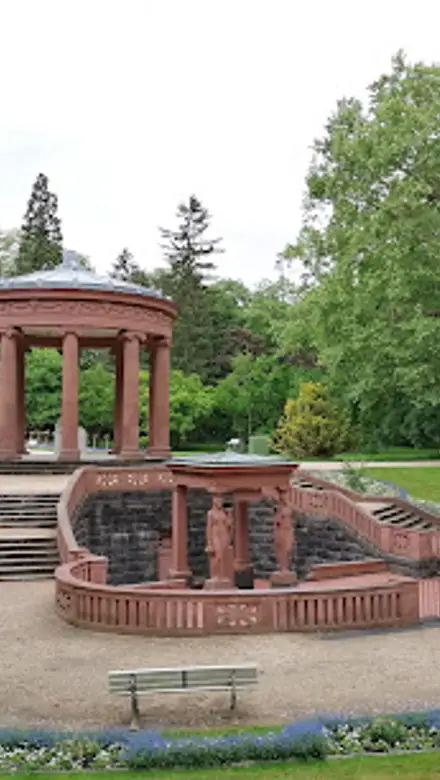
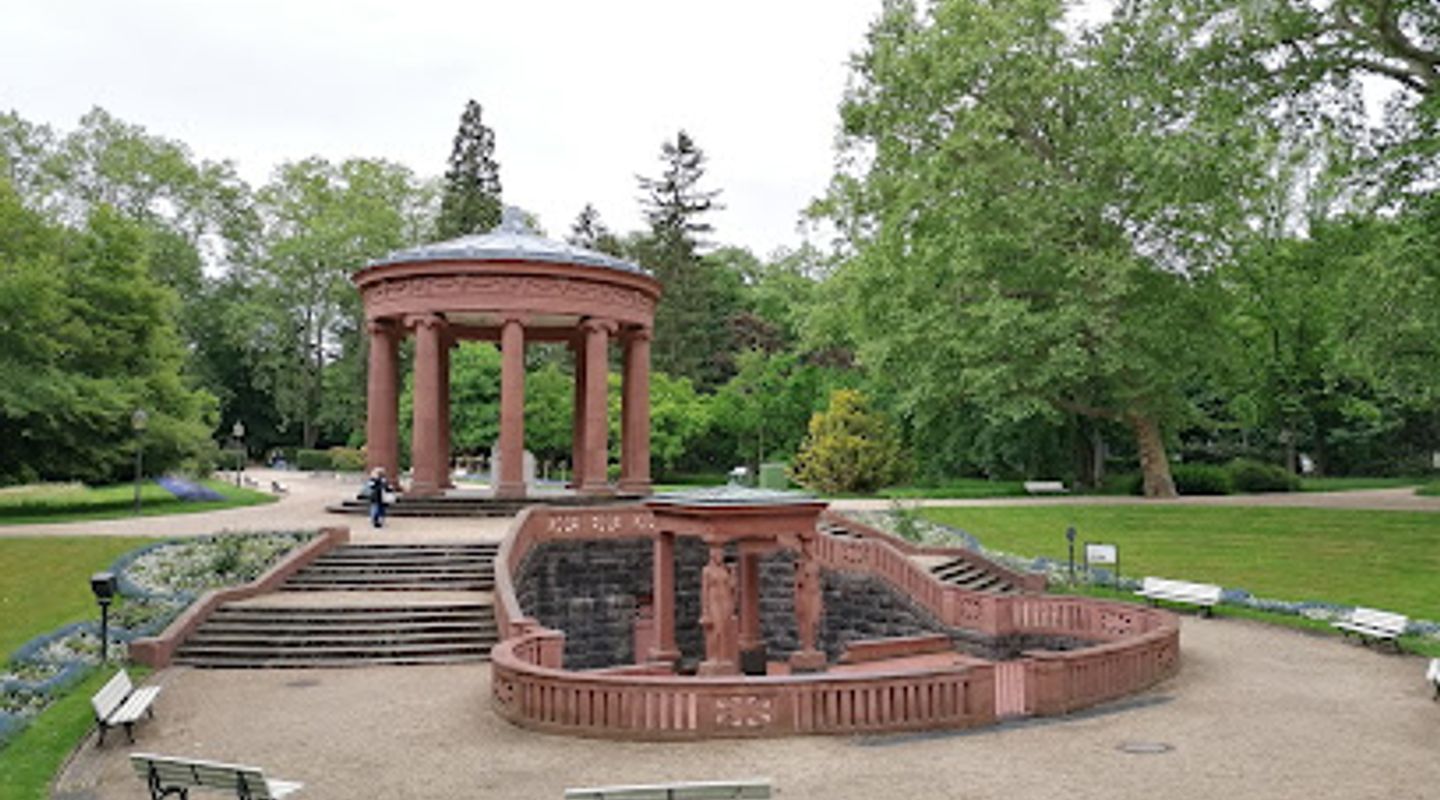
The Elisabethenbrunnen, a renowned fountain in Bad Homburg, is named after Princess Elisabeth, daughter of Britain’s King George III. Rediscovered as a healing spring in 1834, its waters, a sodium-chloride acidulous, were once used to treat gastrointestinal ailments. The fountain's current appearance, featuring a circular temple and a marble sculpture of Hygieia, the Greek goddess of health, dates back to 1918, a gift from industrialist Wilhelm Becker. Today, visitors can freely sample the mineral water from a public tap near the Kurpark, experiencing a tangible connection to Bad Homburg's spa heritage and enjoying the town's commitment to health and wellness.
Opening hours
- Every dayOpen 24 hours
Opening hours as listed on the venue’s Google Business Profile. Hours can change for services and special events, so check with the venue before you go.
- Address
- Augustaallee 10, 61348 Bad Homburg vor der Höhe
- Website
Getting there
Walking
Public Transport
Driving
Discover more about Elisabethenbrunnen
Overview
The Elisabethenbrunnen stands as a testament to Bad Homburg's rich history as a spa town. Named in honor of Princess Elisabeth, the daughter of King George III of Great Britain and wife of Landgrave Frederick VI of Hesse-Homburg, the fountain has been a source of healing and rejuvenation for centuries. The story of the Elisabethenbrunnen begins long before its formal naming. In 1799, Isaac von Sinclair noted the spring in a work about salt production in Homburg. However, it was in 1834 that Dr. Eduard Christian Trapp rediscovered the spring's medicinal properties. Recognizing its potential, Trapp had the water analyzed by the renowned chemist Justus von Liebig, whose assessment declared it among the richest in effective components of all German mineral waters. This endorsement propelled the spring to prominence, marking a turning point in Bad Homburg's development as a spa destination. The spring's water, classified as a sodium-chloride acidulous, was historically used to treat various stomach and intestinal diseases. Its unique mineral composition contributed to Bad Homburg's reputation as a place of healing, attracting visitors seeking relief from their ailments. Over the years, the Elisabethenbrunnen has undergone several transformations. Its current design, featuring a circular temple and a marble sculpture of Hygieia, the Greek goddess of health, was completed in 1918. This renovation was made possible by a donation from Wilhelm Becker, an industrialist whose steelworks profited greatly from wartime contracts. Kaiser Wilhelm II is said to have contributed his own ideas to the design. Today, the Elisabethenbrunnen remains a focal point of Bad Homburg. While the grand temple stands as a historical landmark, a simpler public tap located near the edge of the Kurpark provides access to the spring's mineral water. Visitors can freely sample the water, experiencing a direct connection to the town's spa heritage. Bad Homburg itself is a charming town with a lot to offer. Located at the edge of the Taunus mountain range, it boasts a beautiful Kurpark, Germany's oldest casino, and a walkable town center with high-end shopping and peaceful parks. The town's name, 'Bad,' signifies its status as an official spa town, inviting visitors to indulge in its wellness offerings. The town is known for its clean air and tradition, offering a relaxing atmosphere for those seeking respite from the hustle and bustle of city life. While visiting the Elisabethenbrunnen, take time to explore the surrounding Kurpark. This expansive park features manicured gardens, walking paths, and other mineral springs. It's a perfect place to relax and enjoy the fresh air. Also, consider visiting the Bad Homburg Castle, a medieval castle with a distinctive 14th-century White Tower, or strolling along Louisenstrasse, the main shopping street showcasing 19th-century architecture. Bad Homburg is easily accessible from Frankfurt, making it a great day trip destination. Whether you're interested in history, wellness, or simply a relaxing getaway, Bad Homburg and the Elisabethenbrunnen offer a unique and enriching experience.
Evendo Review Centre
 Google
Guest reviews
Explore Elisabethenbrunnen on the map
A handpicked selection of must-see spots near Elisabethenbrunnen, mapped for you.
Get your free copy of our complete guide to Elisabethenbrunnen, delivered straight to you.
Everything on this page, from opening hours and how to get there to Eve’s tips and the best time to go, in one PDF you can read offline, print or share.
Already have an account? Sign in
Your Elisabethenbrunnen guide is ready.
We'll send it to · Not you? Sign out

Getting your guide ready…
We are putting together a fresh copy of the Elisabethenbrunnen guide. This can take up to a minute.
This can take a few moments. If your browser asks, choose Allow so the download can start. You'll find the guide in your Downloads folder.
Nothing happened? Download it again
Sorry, the guide is taking longer than usual. Please try again in a minute, or get it by email instead.
Other nearby places you may find interesting
The closest places of the same kind, if this one is not quite what you had in mind.
-
-
-
-
-


Swipe for more places
More to explore near Elisabethenbrunnen

 Best experiences near Elisabethenbrunnen
 Best hotels near Elisabethenbrunnen
 Best landmarks near Elisabethenbrunnen
 Best attractions near Elisabethenbrunnen
 Best shops near Elisabethenbrunnen
 Best restaurants near Elisabethenbrunnen
 Best bars near Elisabethenbrunnen
Do you manage this location?
Take control to get all the benefits, like improved information, better appearance, and stronger visibility across AI-powered discovery.
Explore more
Explore more of Taunus
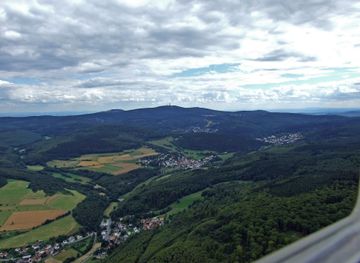
Discover the enchanting Taunus Mountains in Germany, where lush landscapes, historic towns, and cultural treasures await amidst serene natural beauty.
Explore Taunus
Explore more of Germany
Experience Germany: where history meets innovation, and urban energy blends with natural beauty. Discover diverse cultures, delicious cuisine, and stunning landscapes.
Explore Germany